

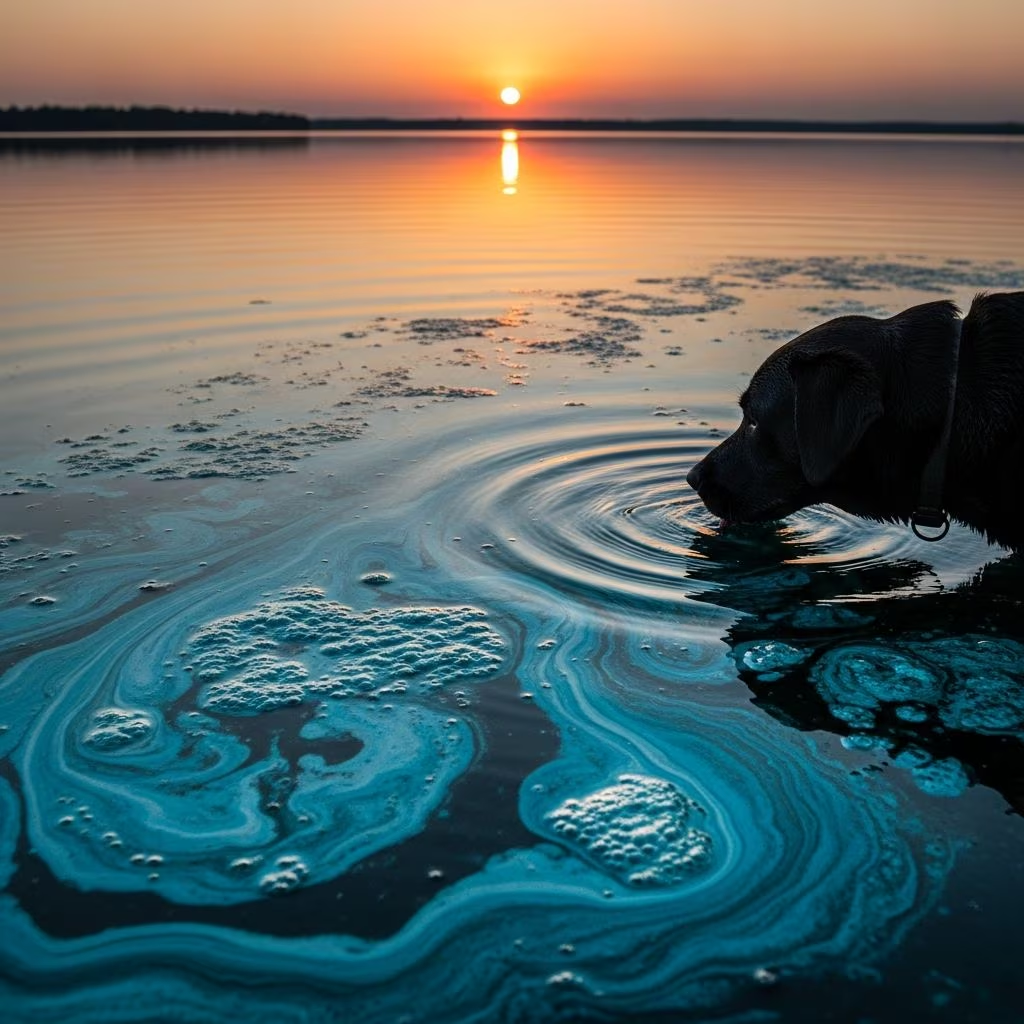
Blue-green algae, scientifically known as cyanobacteria, thrives in warm, nutrient-rich waters and produces potent toxins that can kill dogs within hours of exposure. Even minimal contact through drinking, swimming, or grooming can lead to irreversible liver damage, neurological collapse, or death, making awareness essential for pet owners near lakes, ponds, or rivers.
The Hidden Danger Lurking in Familiar Waters
Cyanobacteria are not true algae but photosynthetic bacteria that multiply rapidly during summer heat, forming visible scum or mats on water surfaces. These blooms appear in freshwater bodies like lakes and ponds, especially those enriched by fertilizers or runoff. While many blooms are harmless, certain strains release cyanotoxins such as microcystins and anatoxins, which target the liver and nervous system.
Dogs face heightened risk because they eagerly lap up scummy water, swim through blooms, or ingest algae trapped in their fur during self-cleaning. Stagnant or slow-moving waters in hot weather amplify the threat, with concentrations peaking mid-to-late summer.
- Warm temperatures above 75°F (24°C) fuel explosive growth.
- Nutrient pollution from agriculture or sewage boosts proliferation.
- Calm conditions prevent dilution, concentrating toxins.
Visual cues include green, blue, or reddish surface films, often with a musty odor, but toxicity cannot be judged by appearance alone—assume all blooms are dangerous.
Primary Toxins and Their Devastating Effects
The most notorious cyanotoxins are microcystins, which ravage the liver by inhibiting protein phosphatases, leading to cell death and organ failure, and anatoxins, neurotoxins that mimic acetylcholine, causing overstimulation and paralysis.
| Toxin Type | Target Organ/System | Onset Time | Potential Outcome |
|---|---|---|---|
| Microcystin (hepatotoxin) | Liver | Hours to days | Liver failure, shock, death |
| Anatoxin-a (neurotoxin) | Nervous system | 15-30 minutes | Seizures, respiratory arrest, rapid death |
| Cylindrospermopsin | Liver, kidneys | Days | Multi-organ failure |
Microcystins accumulate quickly, causing hemorrhaging and jaundice, while anatoxins trigger muscle rigidity and cyanosis from respiratory failure. Dermatotoxins may cause slower skin blistering.
Swift Onset of Poisoning Symptoms
Symptoms erupt rapidly post-exposure, often within 30 minutes for neurotoxins or hours for hepatotoxins, underscoring the need for immediate action.
- Gastrointestinal: Vomiting, bloody diarrhea, loss of appetite.
- Neurological: Tremors, seizures, disorientation, paralysis.
- Respiratory: Panting, difficulty breathing, collapse.
- Hepatic: Jaundice, weakness, dark urine.
- Skin: Redness, blisters (delayed).
In severe cases, dogs exhibit excessive salivation, rigidity, and sudden death from respiratory arrest. Even survivors risk chronic liver issues.
Critical First Response to Suspected Exposure
Never induce vomiting at home due to aspiration pneumonia risk; rush to a vet instead.
- Rinse thoroughly: Bathe dog with clean water to remove algae from fur.
- Prevent further intake: Keep away from water sources.
- Contact professionals: Call vet or poison hotline immediately, noting exposure details.
Veterinary care involves decontamination if early, IV fluids, anti-seizure meds, liver protectants, and monitoring. No specific antidote exists, so supportive therapy is key—ventilation may be needed.
Prevention: Your Best Defense Strategy
Avoidance trumps treatment, as prognosis worsens post-symptoms.
- Scout water bodies: Heed warning signs about blooms; steer clear of scummy areas.
- Supervise playtime: Prevent drinking or licking during swims.
- Post-swim routine: Rinse fur promptly and dry thoroughly.
- Opt for safe alternatives: Choose tested, bloom-free waters or pools.
Monitor local alerts from environmental agencies for bloom reports.[10]
Human Health Risks from the Same Source
Cyanotoxins affect people too, causing rashes, nausea, or liver damage via swimming or drinking. Families with dogs should double precautions.
FAQs: Essential Answers for Dog Owners
Can all blue-green algae blooms harm my dog?
No, but since toxicity is undetectable visually, treat every bloom as hazardous.
How much exposure is dangerous?
Even a few laps or fur contact suffices for fatal doses in small dogs.
What if symptoms start later?
Hepatotoxins may delay 24+ hours; seek vet care regardless.
Are supplements safe?
Contaminated blue-green algae supplements pose risks—avoid unless lab-tested pure.[10]
Which waters are riskiest?
Standing freshwater in heat, like ponds or lakes with runoff.
Seasonal Vigilance and Long-Term Safety
Blooms surge in late summer but can occur anytime conditions align. Year-round caution, especially during droughts or after heavy rain, protects pets.
By recognizing risks, responding fast, and prioritizing prevention, owners safeguard dogs from this stealthy killer. Stay informed via official water quality updates.
References
- Blue-Green Algae and its Dangers to Dogs — Blue Cross. 2023. https://www.bluecross.org.uk/advice/dog/blue-green-algae-and-its-dangers-to-dogs
- Algae Alert: Understanding the Dangers of Blue-Green Algae for Pets — AAHA. 2024. https://www.aaha.org/resources/algae-alert-understanding-the-dangers-of-blue-green-algae-for-pets/
- How To Identify Toxic Blue-Green Algae: Keeping Your Dog Safe — PetMD. 2024. https://www.petmd.com/dog/poisoning/how-to-identify-blue-green-algae-for-dogs
- Pet Safety Alert: The Rising Dangers of Blue-Green Algae — ASPCA. 2023. https://www.aspca.org/news/pet-safety-alert-rising-dangers-blue-green-algae
- Blue-green algae poisoning: Cyanobacteria toxicosis — Cornell University College of Veterinary Medicine. 2024. https://www.vet.cornell.edu/departments-centers-and-institutes/riney-canine-health-center/canine-health-topics/blue-green-algae-poisoning-cyanobacteria-toxicosis
- Blue-green algae toxicity in dogs — VetGirl. 2023. https://vetgirlontherun.com/blue-green-algae-toxicity-in-dogs-vetgirl-veterinary-continuing-education-blog/



