

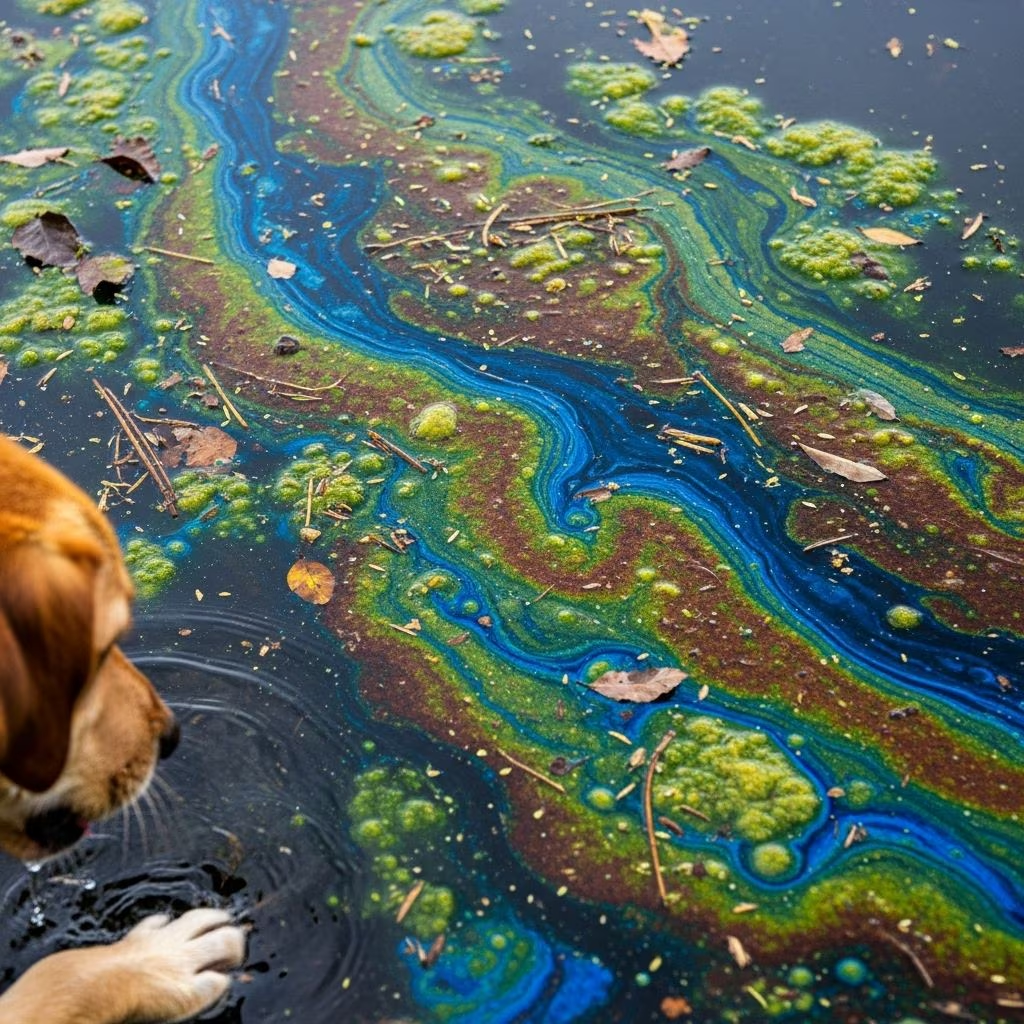
Blue-green algae, scientifically known as cyanobacteria, thrives in warm, nutrient-rich freshwater environments and produces potent toxins that can kill dogs within hours of exposure. These microscopic bacteria form visible blooms on lakes, ponds, and slow-moving rivers, especially during hot summer months, making them a hidden hazard for pets that love to swim or drink from natural water sources.
Unmasking the Culprit: What Exactly is Blue-Green Algae?
Cyanobacteria are not true algae but photosynthetic bacteria capable of rapid reproduction under ideal conditions like high temperatures above 75°F and abundant nutrients from agricultural runoff or sewage. These blooms appear as green, blue-green, or reddish scum on water surfaces, often with a pungent, musty odor. While many blooms are harmless, certain strains release cyanotoxins such as microcystins (affecting the liver), anatoxins (neurotoxins), and cylindrospermopsins, which target multiple organs. It’s impossible to distinguish toxic from non-toxic blooms by appearance alone, so all should be treated as dangerous.
These organisms have existed for billions of years and play roles in nitrogen fixation, but climate change and pollution exacerbate bloom frequency and intensity. Dogs face heightened risk because they eagerly lap up scummy water, swim vigorously—ingesting more liquid—or groom algae from their coats post-swim. Even small amounts, like a few gulps, can prove lethal.
How Toxins Wreak Havoc on a Dog’s Body
The toxins disrupt vital functions with alarming speed. Hepatotoxins like microcystin rapidly destroy liver cells by inhibiting protein phosphatases, leading to massive hemorrhage and failure within hours. Neurotoxins such as anatoxin-a mimic acetylcholine, causing overstimulation of nerves and muscles, resulting in paralysis and respiratory arrest. Dermatotoxins provoke skin inflammation days after exposure. Without an antidote, survival hinges on immediate intervention.
Ingestion occurs via drinking, swimming, or licking fur, with symptoms onset varying: liver signs in 1-24 hours, neurologic in 15-60 minutes, skin issues after days. Vulnerable dogs include puppies, seniors, and those with pre-existing conditions.
Recognizing the Warning Signs: Symptoms to Watch For
- Gastrointestinal distress: Vomiting, bloody diarrhea, drooling excessively.
- Neurologic abnormalities: Tremors, seizures, disorientation, inability to stand, collapse.
- Respiratory issues: Labored breathing, panting, failure leading to coma.
- Liver failure indicators: Jaundice (yellow gums/eyes), pale mucous membranes, abdominal pain.
- Skin reactions: Redness, blisters, itching (less common in dogs).
Progression is swift; death can follow within hours if untreated. If symptoms appear post-water exposure, assume cyanobacteria poisoning.
Prime Hotspots: Where Blooms Thrive
Blooms favor stagnant, shallow freshwater bodies during mid-to-late summer. Risk factors include:
| Environmental Trigger | Why It Promotes Blooms |
|---|---|
| Warm temperatures (>75°F) | Accelerates bacterial growth and toxin production. |
| Nutrient pollution | Phosphorus/nitrogen from fertilizers boost proliferation. |
| Low water flow | Allows scum accumulation in ponds/lakes. |
| Sunny, calm weather | Provides light energy without dispersion. |
Coastal areas and reservoirs near farms see higher incidences. Check local advisories from environmental agencies for posted warnings.
Prevention Strategies: Keeping Your Dog Safe
Avoidance is paramount since no visual test confirms toxicity.
- Steer clear of scummy, odorous waters; choose flowing rivers or chlorinated pools.
- Train a ‘leave it’ command and supervise swims closely.
- Rinse dogs thoroughly with fresh water after any natural water exposure.
- Provide portable water bowls on outings to deter drinking from ponds.
- Monitor weather apps for bloom alerts in your region.
Post signs in high-risk areas and advocate for water quality testing.
Emergency Response: Act Fast to Save Lives
If exposure is suspected:
- Remove from water immediately and rinse thoroughly with fresh water, avoiding inducing vomit at home.
- Contact vet or poison hotline urgently—provide water source details, exposure amount, time elapsed.
- Expect diagnostics: Bloodwork for liver enzymes, ultrasound; treatments include IV fluids, activated charcoal, anti-seizure meds, liver support.
- Decontaminate promptly if within 1-2 hours; prognosis worsens post-symptom onset.
Early action boosts survival odds, though many cases remain fatal.
Real-World Incidents: Lessons from the Field
Summer tragedies underscore the peril: In 2019, multiple dogs perished in U.S. lakes after brief play sessions, with autopsies confirming cyanotoxin-induced liver failure. Similar reports from the UK highlight global reach. These cases reveal even ‘safe-looking’ waters can harbor killers, emphasizing vigilance.
Broader Implications: Human and Wildlife Risks
Cyanotoxins affect all mammals, birds, fish, and people via skin contact, inhalation, or ingestion. Humans report rashes, nausea, or neuro effects; children and immunocompromised are at risk. Ecosystems suffer mass die-offs. Regulations lag, but monitoring improves.
FAQs: Common Questions Answered
Can all blue-green algae blooms harm dogs?
No, but since toxicity can’t be seen, treat every bloom as hazardous.
How quickly do symptoms start?
Neurologic: minutes to 1 hour; liver: hours; skin: days.
Is there a cure?
No antidote exists; supportive care is vital, best before signs appear.
What if my dog swims in ocean water?
Oceans host different algae; freshwater is primary cyanobacteria concern.
How can I report a bloom?
Notify local environmental health departments for testing.
Long-Term Outlook and Research Advances
Survivors may suffer chronic liver damage. Ongoing studies develop detection kits and bloom-forecast models. Owners should stay informed via vet resources and apps tracking water quality.
References
- Blue-Green Algae and its Dangers to Dogs — Blue Cross. 2023. https://www.bluecross.org.uk/advice/dog/blue-green-algae-and-its-dangers-to-dogs
- Pet Safety Alert: The Rising Dangers of Blue-Green Algae — ASPCA. 2023. https://www.aspca.org/news/pet-safety-alert-rising-dangers-blue-green-algae
- How To Identify Toxic Blue-Green Algae: Keeping Your Dog Safe — PetMD. 2024. https://www.petmd.com/dog/poisoning/how-to-identify-blue-green-algae-for-dogs
- Blue-Green Algae Poisoning in Dogs: Symptoms and Prevention — AKC. 2023. https://www.akc.org/expert-advice/news/blue-green-algae-symptoms-tips/
- Blue-green algae toxicity in dogs — VetGirl. 2023. https://vetgirlontherun.com/blue-green-algae-toxicity-in-dogs-vetgirl-veterinary-continuing-education-blog/
- Blue-green algae poisoning: Cyanobacteria toxicosis — Cornell University College of Veterinary Medicine. 2024. https://www.vet.cornell.edu/departments-centers-and-institutes/riney-canine-health-center/canine-health-topics/blue-green-algae-poisoning-cyanobacteria-toxicosis



