
Blue Colored Pet Birds: Species Guide & Care
Discover vibrant blue pet bird species, their characteristics, and care requirements for your home.
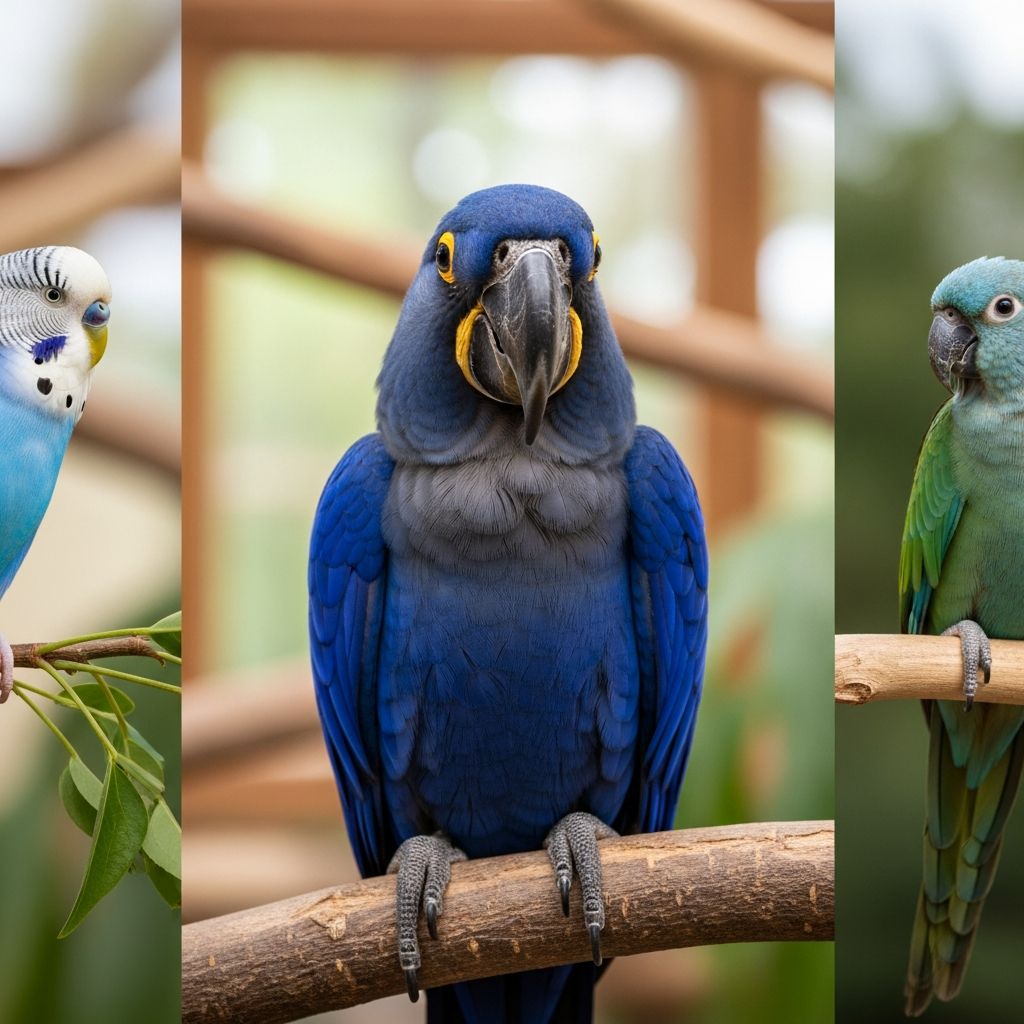
Blue Colored Pet Birds: A Comprehensive Guide
Blue-colored birds have captivated pet owners for generations with their stunning plumage and vibrant personalities. From massive macaws to delicate parakeets, birds displaying blue coloration offer a diverse range of temperaments, care requirements, and companionship levels. Whether you are a seasoned aviculturist or a first-time bird owner, understanding the characteristics of blue pet birds can help you make an informed decision about welcoming one into your home.
The Hyacinth Macaw: Nature’s Blue Masterpiece
The hyacinth macaw stands as one of the most stunning blue-colored birds available as a companion pet. With its stunning cobalt-blue coloring and massive size, the hyacinth macaw commands attention immediately upon sight. The bright yellow around the eyes and at the base and corners of the beak create the appearance of a perpetual smile, giving this magnificent bird an unmistakably cheerful expression.
This species represents a significant investment for potential owners. The hyacinth macaw is ideal for individuals who can afford a substantial price tag and possess adequate space to accommodate this large parrot. These birds require specialized care, ample room for flight, and extensive socialization. Due to their size, longevity, and specific needs, hyacinth macaws are best suited for dedicated bird enthusiasts with experience handling large parrot species.
Blue-and-Gold Macaws: Vibrant Companions
The blue-and-gold macaw, also referred to as the blue-and-yellow macaw, displays aptly named coloring with a gorgeous blue body and a dark lemon-yellow chest. This striking combination makes them hard to miss and accounts for much of their popularity among bird lovers. Their big size and vibrant colors make these birds natural attention-getters in any household.
Macaws in general are social birds known for creating a considerable racket when they feel inclined to vocalize. Their clownish ways and entertaining antics are sure to draw attention from family members and visitors alike. Although their large beaks can appear intimidating, a well-socialized macaw can become a friendly and affectionate companion. These birds thrive with regular interaction, mental stimulation, and opportunities for flight and play.
Blue-Fronted Amazon Parrots: Engaging Personalities
Blue-fronted Amazon parrots can make wonderful pets for those who can provide the time, attention, and care they require. With their engaging personalities and vocal talents, these birds are a joy to have in the right environment. Amazons are stocky parrots without powder or preen glands, typically displaying green plumage with vivid red, yellow, and blue markings that create their distinctive appearance.
These parrots demonstrate intelligence and social awareness that rivals many larger species. They form strong bonds with their owners and appreciate being included in household activities. Blue-fronted Amazons require consistent interaction, environmental enrichment, and a diet that supports their health and wellbeing. Their lifespan of several decades means they represent a long-term commitment for potential owners.
Blue-Crowned Conures: Intelligent Talkers
The blue-crowned conure represents an excellent choice for those seeking a medium-sized blue bird with impressive cognitive abilities. This species is known for possessing a large vocabulary and high intelligence to match. Among the conure family, the blue-crowned conure stands out as one of the better talkers, though their vocalizations can be somewhat difficult to understand at times.
Conures in general, which vary in size from small to medium, often charm people with their playfulness and inquisitive personalities. They generally enjoy being where household activity occurs, including mealtime and socializing with their favored people. Blue-crowned conures require regular interaction, appropriate toys for mental stimulation, and a spacious cage for movement and exercise.
Blue-Headed Pionus: Quiet Apartment Companions
The Pionus parrot family has earned a reputation as the best-kept secret of the bird world. These birds possess all the good qualities of popular companion species with fewer of the negative aspects that often occur with parrots. The blue-headed Pionus can be particularly laid-back and relatively quiet, making them ideal for those who live in apartments or multi-unit dwellings where noise is a consideration.
Blue-headed Pionus parrots demonstrate intelligence and social capacity comparable to more expensive species, yet they maintain a more moderate temperament. Their gentle nature makes them suitable for families and individuals who may not have extensive bird ownership experience. These birds still require socialization, interaction, and appropriate care to thrive as healthy companions.
White-Capped Pionus: Social Family Pets
Often overlooked in discussions of pet birds, the white-capped Pionus parrot deserves serious consideration as a companion. While it might not demand your attention as aggressively as other parrot species, a well-socialized white-capped Pionus can certainly be an outgoing and social family pet. These birds benefit from early socialization and consistent handling to develop their full social potential.
The white-capped Pionus displays the characteristic quieter vocalizations and calm demeanor associated with the Pionus family. Their smaller size compared to macaws and Amazons makes them more manageable for households with space limitations. However, they still require appropriate nutrition, veterinary care, and environmental enrichment to maintain optimal health.
Lineolated Parakeets: Gentle Small Birds
With their gentle nature and comparably quieter vocalizations, lineolated parakeets have earned a reputation as one of the more easygoing small parrots. At rest, they strike a distinctive horizontal stance with heads aligned with tails—a posture that perfectly matches their calm temperament. This unique positioning sets them apart visually from other parakeet species.
Under their horizontal bodies and stripes lies an intelligent, engaging small parrot with considerable personality. Lineolated parakeets are particularly suitable for owners seeking a blue bird that does not demand excessive attention or create significant noise. These birds respond well to socialization and can form meaningful bonds with their caretakers while maintaining a more independent nature than some larger parrot species.
Pacific Parrotlets: Spirited Tiny Companions
Pacific parrotlets are very spirited birds that can become aggressive if left for extended periods without handling. Even though these birds are tiny, potential owners should not underestimate the strength of their beaks—their bite is considerably stronger than that of a budgie. These pint-sized parrots do not seem to realize their small size, as they possess a large bird personality: outgoing, curious, and at times downright feisty.
Pacific parrotlets require dedicated socialization and regular interaction to prevent behavioral problems. Their strong personalities make them entertaining companions despite their diminutive size. Owners must provide appropriate cage space, toys for mental and physical stimulation, and consistent handling to maintain a well-adjusted bird.
Budgies: Small Birds with Big Personalities
The budgie, or parakeet, is often thought of as a beginner bird, yet this characterization underestimates these social, outgoing little birds. Budgies deserve just as much care and attention as larger parrots to thrive as healthy companions. These playful birds love food and can rival any parrot in terms of talking ability and intelligence.
Blue budgies are particularly popular among bird enthusiasts for their striking coloration. These small birds form strong bonds with their owners and require daily interaction, mental stimulation through toys, and appropriate nutrition. Many budgie owners are pleasantly surprised by their bird’s vocal abilities and capacity for learning tricks and behaviors.
Indian Ring-Necked Parakeets: Bold and Talkative
The Indian ring-necked parakeet is not a shy bird and does best with an owner who appreciates an outgoing companion that is not afraid to demand what it wants. These birds can be quite talkative and demonstrate intelligence comparable to more expensive parrot species. Their confident demeanor and social nature make them engaging companions for prepared owners.
Indian ring-necks thrive in homes where they receive regular attention and interaction. They require spacious cages, appropriate toys, and a consistent routine to maintain behavioral stability. Their relatively large vocabulary and ability to learn words and phrases add to their appeal as talking birds.
Understanding Blue Coloration in Birds
Blue coloration in birds results from specific pigmentation and structural variations in their feathers. Unlike red, yellow, and orange colors derived from carotenoid pigments, blue coloration often results from light refraction and structural features of the feather. This distinction has implications for nutrition, as birds cannot produce blue pigments and instead rely on structural mechanisms for coloration.
The intensity and shade of blue can vary between individual birds and species. Factors such as lighting, age, and overall health can influence how blue coloration appears. Properly maintained birds with balanced nutrition typically display more vibrant plumage than those with nutritional deficiencies.
Cere Color and Gender Determination in Blue Birds
For certain blue bird species, such as budgies and some parakeets, the cere—the fleshy area above the beak—provides clues about gender. A bright or deep true blue cere typically indicates a mature male. If the cere displays a pale lavender coloration, it could belong to either a male or female bird. This distinction becomes important for breeders and owners interested in understanding their bird’s sex.
Young birds and birds not yet at sexual maturity may display cere colors that do not definitively indicate gender. For blue-colored female parakeets, having a blue cere can indeed be normal for certain color variations, as some breeders have noted with grey and blue-colored birds. When gender determination is critical, DNA testing through a reputable laboratory provides definitive results.
Care Requirements for Blue Pet Birds
Housing and Space
Blue pet birds require appropriately sized cages that accommodate their specific needs. Larger birds like macaws and Amazons need substantially larger enclosures than small parakeets and conures. Cage size should allow for wing stretching, movement, and installation of perches and toys. Additionally, many bird owners provide out-of-cage time for flight and exercise in secure, bird-proofed spaces.
Nutrition and Diet
A balanced diet forms the foundation of good health for blue pet birds. High-quality pellets should form the basis of daily nutrition, supplemented with fresh fruits, vegetables, and appropriate nuts and seeds. Different species have varying nutritional requirements, making it important to research specific dietary needs. Dr. Lafeber Sr. created the very first pet bird pellet, establishing a legacy of nutritional research and development for companion birds.
Social Interaction
Most blue pet bird species are social creatures requiring regular interaction with their owners. Daily handling, talking, and play sessions help prevent behavioral problems and strengthen the human-bird bond. Birds left alone for extended periods may develop destructive behaviors, aggression, or self-plucking habits.
Environmental Enrichment
Toys, foraging opportunities, and environmental variety are essential for maintaining mental stimulation. Rotating toys, providing materials for shredding and climbing, and varying perches keeps birds mentally engaged and physically active. Natural wood perches of varying diameters support foot health and exercise.
Behavioral Considerations
Blue pet birds can display hormonal behaviors that owners should understand and manage appropriately. These behaviors range from intense bonding and constant vocalization to aggression and territoriality. In some instances, behaviors occur seasonally with minimal health impact, while in other cases they progress to year-round occurrences affecting the bird’s wellbeing.
Understanding that these behavioral patterns relate to reproductive hormones and environmental triggers helps owners implement effective management strategies. Providing appropriate sleep duration through dark, quiet sleeping areas, avoiding excessive petting in sensitive body areas, and maintaining consistent routines can help moderate hormonal behaviors.
Frequently Asked Questions
Q: What is the best blue pet bird for beginners?
A: Budgies and lineolated parakeets are excellent choices for beginners due to their smaller size, quieter nature, and relatively straightforward care requirements. These species are more forgiving of minor care mistakes than larger parrots while still offering engaging personalities and talking ability.
Q: How long do blue pet birds live?
A: Lifespan varies considerably by species. Small parakeets may live 10-20 years, conures 20-30 years, and large macaws can live 40-60 years or longer. This longevity represents a significant long-term commitment requiring consideration before obtaining a bird.
Q: Are blue pet birds loud?
A: Noise levels vary by species. Macaws and Amazons are quite vocal and loud, while Pionus parrots and lineolated parakeets are relatively quiet. Individuals birds within a species may display varying vocalization levels based on personality and training.
Q: How much do blue pet birds cost?
A: Initial purchase costs range from $50-100 for budgies to several thousand dollars for macaws and specialized species. Beyond purchase price, ongoing expenses include food, veterinary care, toys, and cage maintenance. Hyacinth macaws represent a particularly significant financial investment.
Q: Do blue pet birds need veterinary care?
A: Yes, regular veterinary checkups with avian veterinarians are essential for maintaining bird health. Birds often hide signs of illness until conditions become serious, making preventive care and professional monitoring important for early detection of health issues.
Q: Can blue pet birds learn to talk?
A: Many blue bird species, including budgies, Amazons, conures, and macaws, have significant talking ability. With consistent training and socialization, these birds can learn vocabularies ranging from dozens to hundreds of words. Individual birds show varying aptitude and motivation for speaking.
Q: What aggression issues do blue birds exhibit?
A: Hormonal behaviors, insufficient socialization, and improper handling can lead to aggression in blue pet birds. Young birds and those experiencing hormonal maturity may display increased aggression. Proper training, socialization, and environmental management help prevent aggressive behaviors from developing.
References
- Blue Colored Pet Birds — Lafeber Co. 2025. https://lafeber.com/pet-birds/color/blue/
- Hormonal Behavior in Pet Birds – Introduction — For The Birds DVM. https://www.forthebirdsdvm.com/pages/hormonal-behavior-in-pet-birds-pt-1
- Female with blue cere — Lafeber® Pet Birds. 2025. https://lafeber.com/pet-birds/questions/female-with-blue-cere/
- About Lafeber: History and Mission — Lafeber Co. 2025. https://www.lafeber.com
Similar Articles








Read full bio of Sneha Tete


