

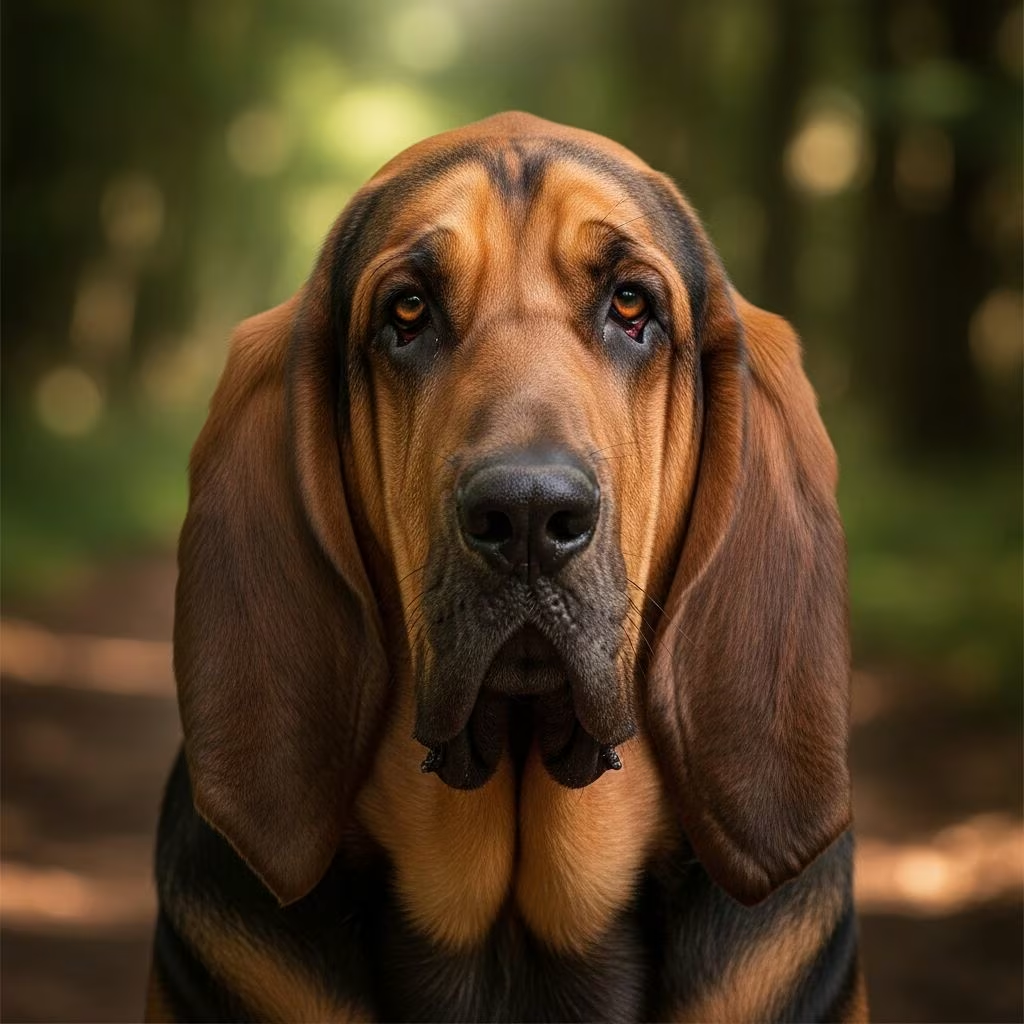
The Bloodhound stands out as one of the most remarkable dog breeds, renowned for its unparalleled sense of smell and steadfast determination in following scents. Originating from centuries-old European monastic breeding programs, this large hound combines a dignified appearance with a gentle soul, making it both a heroic working dog and a loving family member.
Origins and Evolution of the Bloodhound Breed
Bloodhounds trace their roots to the 8th and 9th centuries at the Saint Hubert Monastery in modern-day Belgium, where monks selectively bred hounds to honor St. Hubert, the patron saint of the hunt. These early dogs, known as St. Hubert Hounds, were refined for superior scent-tracking capabilities, evolving from medium-sized animals into the massive, powerful breed we recognize today.
By the Middle Ages, the breed’s fame spread across Europe. Nobles prized them for pursuing deer, wild boar, and even human quarry like thieves and raiders. Legends recount their use in tracking figures such as Robert the Bruce and William Wallace, earning them the moniker “sleuth hounds” or “man-trailers.” William the Conqueror reportedly brought them to England after 1066, further cementing their place in British history.
In the 16th century, scholar John Caius documented their ability to follow foot scents, even across water, highlighting their role in game parks and border patrols against reivers. The name “Bloodhound” likely derives from meticulous bloodline records kept by breeders, rather than any association with blood trails.
Arrival in America came in the late 19th century, with breeder Edwin Brough showcasing them at the Westminster Kennel Club. Despite challenges like near-extinction during World War II in Britain, Bloodhounds thrived in the U.S., becoming staples in law enforcement for locating missing persons and fugitives.
Physical Characteristics and Breed Standard
Bloodhounds embody power and nobility, standing 23-27 inches tall at the shoulder and weighing 80-110 pounds. Their skeletal structure is robust, with thick bones supporting immense strength for covering vast distances.
The head is long and narrow, adorned with loose, pendulous skin forming deep wrinkles over the forehead and face, which trap and concentrate scents. Long, soft ears, set low, fall in graceful folds, preventing scent loss and aiding detection. Deep-set eyes convey a solemn, wise expression, while hanging lips and a scissors bite complete the mournful yet majestic look.
Their short, hard coat is low-maintenance, coming in black and tan, liver and tan, or red variations. Substance without bulk defines their build: muscular yet swinging gait, large feet for endurance, and thin, supple skin that folds dramatically when tracking.
| Feature | Description | Function |
|---|---|---|
| Head & Skin | Long, wrinkled, loose folds | Traps and holds scents |
| Ears | Thin, extremely long, low-set | Prevents scent dispersal; sweeps ground |
| Body | Muscular, stands over ground | Endurance for long trails |
| Nose | Large, black | Over 300 million scent receptors |
Exceptional Scenting Abilities and Working Roles
What sets the Bloodhound apart is its nose: equipped with up to 300 million olfactory receptors—far surpassing humans’ 6 million—it can detect scents days old, even through water or crowds. Historical accounts, like chemist Robert Boyle’s 17th-century report of one tracking a man seven miles through a city, underscore this prowess.
Today, Bloodhounds serve in search-and-rescue, police work, and disaster response. They’ve solved cases outpacing human detectives, locating evidence, missing children, and criminals. Their single-minded focus on trails demands skilled handlers, as they prioritize scent over commands.
Packs still hunt “clean boot” trails—human scent alone—in Britain, blending tradition with modern outcrossing for agility. This tireless drive, paired with stamina, makes them indispensable in rural and urban scenarios.
Temperament and Family Suitability
Beneath the droopy features lies a gentle, affectionate nature. Bloodhounds are calm, sweet, and patient, forming profound bonds with families. They’re reserved yet non-aggressive toward humans and dogs, thriving on companionship.
- Gentle Giants: Ideal for homes with children, tolerant of play.
- Social Butterflies: Enjoy pack life but can be vocal barkers.
- Stubborn Streak: Tracking instinct leads to willfulness; needs firm, positive training.
- Low-Energy Indoors: Lazy loungers at home, energetic explorers outside.
They’re sensitive souls, not suited for harsh correction, and demand mental stimulation to curb baying or roaming.
Essential Care and Grooming Needs
Bloodhounds require moderate grooming. Weekly brushing removes loose fur; their short coat sheds seasonally. Focus on ears: clean weekly to prevent infections from droopiness. Wrinkles need daily checks for moisture buildup.
Bathe monthly or as needed, using hound-specific shampoos to preserve skin oils. Nails trim bi-monthly; dental care prevents tartar from floppy lips. A high-quality diet supports their frame—2-4 cups daily, split meals to avoid bloat.
Training Techniques for the Scent-Driven Hound
Training Bloodhounds leverages their nose. Start early with scent games, progressing to formal tracking certification. Use positive reinforcement; they’re food-motivated but distractible by smells.
- Puppy socialization: Expose to sights, sounds, people.
- Leash manners: Counter pulling with head halters.
- Scent work: Hide treats, build to trails.
- Obedience: Short, fun sessions; consistency key.
Professional tracking clubs aid certification. Their willful nature responds to patient, reward-based methods.
Health Considerations and Lifespan
Bloodhounds live 7-10 years, prone to hip dysplasia, elbow issues, ear infections, and gastric torsion. Screen breeders via OFA; regular vet checks essential. Weight management prevents joint strain.
- Common Issues: Bloat (feed elevated bowls), hypothyroidism, eye problems.
- Prevention: Joint supplements, controlled exercise.
Ideal Living Environment and Exercise
These hounds need space: yards with 6-foot fences to contain wanderlust. Daily 1-2 hour walks or runs, plus scent games, fulfill them. Not apartment-dwellers; cooler climates suit their coat.
Families with active lifestyles match best; they droop in isolation.
Frequently Asked Questions (FAQs)
Are Bloodhounds good with kids?
Yes, their patient, gentle demeanor makes them excellent with children, though supervise due to size.
How far can a Bloodhound track a scent?
Up to 100 miles or days-old trails, depending on conditions.
Do Bloodhounds drool a lot?
Profusely; keep towels handy for their floppy lips.
What’s the best food for Bloodhounds?
Large-breed formulas with glucosamine for joints; avoid overfeeding.
Can Bloodhounds be left alone?
Not for long; they suffer separation anxiety and may howl.
Why Choose a Bloodhound?
Owning a Bloodhound means embracing a living legend: a dog whose nose rewrote history and whose heart captures yours. With proper care, this noble hound rewards with unwavering loyalty and endless adventures.
References
- Bloodhound History: Where this Hound Breed Originated — American Kennel Club. 2023. https://www.akc.org/expert-advice/dog-breeds/bloodhound-history/
- Bloodhound dog breed facts, history and considerations — Horse & Hound. 2023. https://www.horseandhound.co.uk/dogs/bloodhound-dog-breed-profile-847747
- Breed History & Standard — American Bloodhound Club. 2024. https://www.americanbloodhoundclub.org/breed-history-standard/
- Bloodhound – Full History — YouTube (Video Transcript). 2023. https://www.youtube.com/watch?v=E_5wM6YI_uw
- Bloodhound — Wikipedia (sourced references). 2025. https://en.wikipedia.org/wiki/Bloodhound
- Bloodhound Breed Guide: Facts & Traits — Royal Canin. 2024. https://www.royalcanin.com/au/dogs/breeds/bloodhound



