

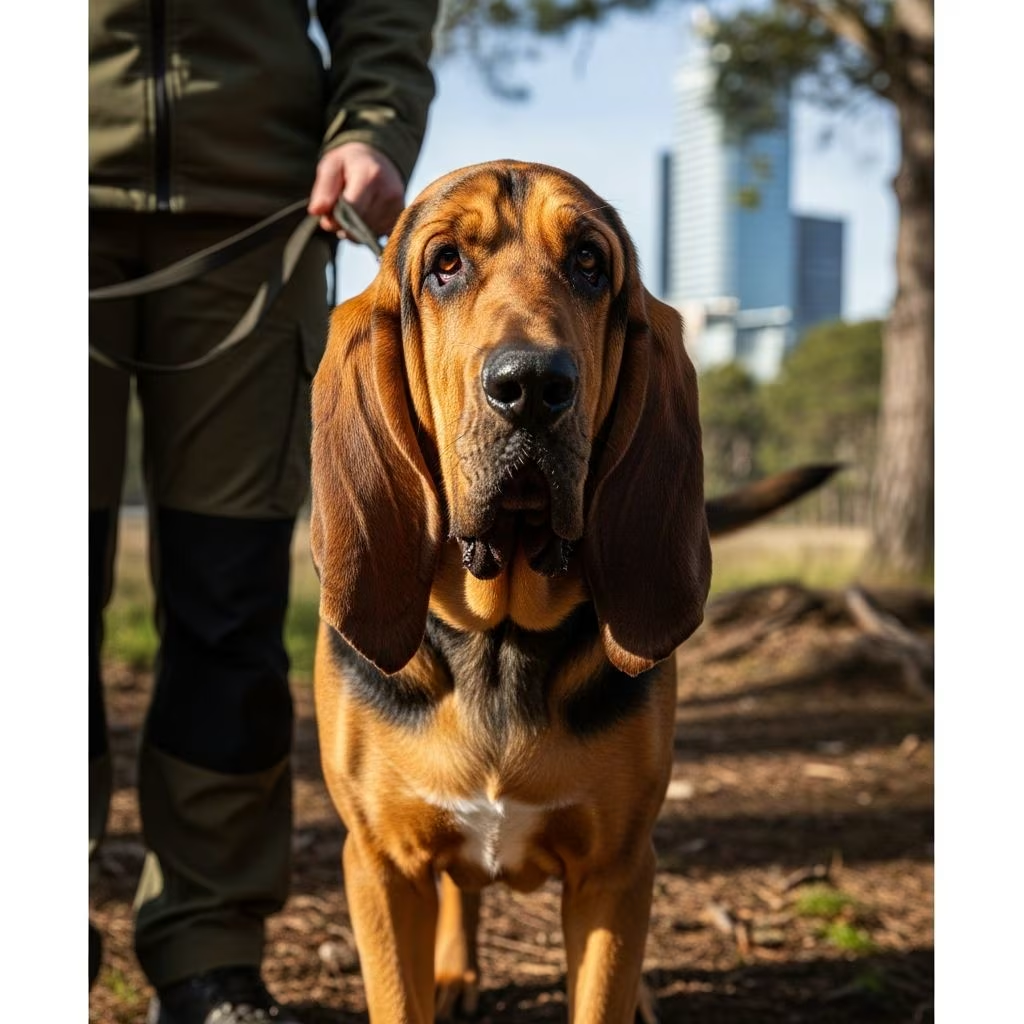
Bringing a Bloodhound into your home means committing to a large, affectionate dog renowned for its exceptional tracking abilities and gentle temperament. These hounds, with their distinctive wrinkled skin, long ears, and keen sense of smell, can cost significantly more than smaller breeds due to their size, dietary needs, and health predispositions. Initial expenses often range from $1,000 to $3,000 for a quality puppy, while yearly maintenance can exceed $2,000. This guide details every aspect of Bloodhound ownership costs to help you plan effectively.
Initial Acquisition Expenses
Acquiring a Bloodhound puppy involves several upfront costs beyond just the purchase price. Reputable breeders charge between $1,200 and $2,500 for puppies from health-tested lines, ensuring genetic soundness for traits like their powerful build and scent-tracking prowess. Males typically weigh 80-110 pounds and stand 25-27 inches tall, influencing pricing due to higher demand for working lines used in search and rescue. Rescue organizations may offer adults for $200-$500, including initial vet checks.
- Puppy Purchase: $1,000-$3,000 from breeders; lower for rescues.
- Travel/Transport: $100-$500 if not local.
- Microchipping: $50-$100.
- Initial Supplies: Crate ($100-$200), bed ($50-$150), bowls ($20-$50), leash/collar ($20-$40), toys ($30-$60).
Total first-month setup: $1,500-$4,000. Opting for American Kennel Club (AKC)-registered pups adds value for pedigree enthusiasts.
Food and Nutrition Breakdown
Bloodhounds require substantial nutrition to support their massive frames and high energy during tracking activities. Expect to spend $1,200-$2,000 annually on premium large-breed kibble, as they consume 4-8 cups daily. Puppies need growth-formulated food until 18-24 months, transitioning to adult formulas to prevent joint issues common in heavy-boned hounds.
| Life Stage | Daily Amount | Monthly Cost | Annual Cost |
|---|---|---|---|
| Puppy (2-12 months) | 4-6 cups | $80-$120 | $960-$1,440 |
| Adult (2+ years) | 5-8 cups | $100-$150 | $1,200-$1,800 |
| Senior (8+ years) | 4-6 cups (senior formula) | $90-$130 | $1,080-$1,560 |
Supplements like glucosamine for joints ($20-$50/month) and occasional raw meat treats add $200-$400 yearly. Bloodhounds can be picky eaters, especially puppies, requiring variety to maintain appetite.
Veterinary and Healthcare Costs
Health expenses form a major portion of Bloodhound budgeting, averaging $1,000-$2,500 per year. Routine visits cost $100-$200 biannually, plus vaccinations ($75-$200 first year, $100 boosters). Their droopy ears and skin folds predispose them to infections, necessitating weekly cleanings and checkups ($50-$150 per issue).
- Spay/Neuter: $200-$500.
- Dental Cleaning: $300-$800 annually due to jowl-related plaque buildup.
- Common Conditions: Hip dysplasia ($4,000-$6,000 surgery), ear infections ($200-$500/treatment), bloat (gastric torsion, $3,000-$5,000 emergency).
Pet insurance mitigates risks, costing $50-$100/month for comprehensive coverage on breeds prone to orthopedic issues. Bloodhounds mature slowly, reaching full growth by age 2, during which preventive care is crucial.
Grooming and Maintenance Essentials
Despite their short, hard coat in colors like black-and-tan or liver-and-tan, Bloodhounds demand regular grooming to manage drool, shedding, and odor. Professional baths every 4-6 weeks run $50-$80, totaling $400-$800 yearly. At-home tools include ear cleaners ($10-$20), wrinkle wipes ($15/pack), and nail clippers ($15).
Their prodigious drooling—capable of projecting saliva 20 feet—means frequent towel changes and floor cleaning supplies ($100/year). Long ears require drying post-bath to prevent yeast infections, a breed hallmark.
Training and Socialization Investments
Bloodhounds’ independent streak and scent obsession make training challenging, often requiring professional help at $100-$200/session. Basic obedience classes cost $150-$400 for 6-8 weeks, essential for managing their willful nature and preventing escapes. Scent work classes ($20-$50/session) channel their instincts positively.
They howl, bay, and sniff inappropriately, behaviors hardwired for pack communication and tracking. Early socialization from puppyhood ensures tolerance with children and pets, though supervision is needed due to adolescent clumsiness. Total training: $300-$1,000 first year.
Exercise and Enrichment Outlays
Daily needs include 1-2 hours of leashed walks or fenced play to satisfy their tireless tracking drive. Secure 6-foot fencing ($10-$20/linear foot) prevents Houdini escapes. Harness upgrades for pulling ($30-$60) and scent toys ($20-$40) support mental stimulation.
Boarding during travel: $50-$100/night due to size. Bloodhounds thrive in packs, getting along with others if introduced young.
Long-Term Ownership Projections
Yearly Recurring Costs
| Category | Low Estimate | High Estimate |
|---|---|---|
| Food | $1,200 | $2,000 |
| Vet Care | $800 | $2,000 |
| Grooming | $400 | $800 |
| Training/Supplies | $200 | $500 |
| Insurance | $600 | $1,200 |
| Total Annual | $3,200 | $6,500 |
Lifetime Cost Estimate
With a 10-12 year lifespan, total ownership exceeds $30,000-$70,000. First-year spikes to $4,000-$7,000, stabilizing thereafter. Rural living cuts boarding/grooming, while urban noise complaints may add training fees.
Is a Bloodhound Right for Your Budget?
These noble, patient dogs excel as family companions and trackers but demand financial readiness for their size and quirks. Gentle with kids yet stubborn, they suit active homes with fenced yards. Budget-conscious owners might consider rescues to offset puppy premiums.
Frequently Asked Questions
How much does a Bloodhound puppy cost?
Typically $1,000-$3,000 from reputable sources, varying by lineage and location.
Are Bloodhounds expensive to feed?
Yes, $1,200-$2,000/year due to their 80-110 lb size and hearty appetite.
What health issues drive up Bloodhound vet bills?
Ear infections, hip dysplasia, and bloat are common, potentially costing thousands in treatments.
Do Bloodhounds need a lot of grooming?
Moderate; focus on ears, wrinkles, and drool management, about $400-$800/year.
Can Bloodhounds be left alone?
Not ideally; they vocalize and escape when bored, preferring family interaction.
References
- Bloodhound – Wikipedia — Wikipedia. 2023-10-01. https://en.wikipedia.org/wiki/Bloodhound
- Bloodhound Dog Breed – Hill’s Pet Nutrition — Hill’s Pet Nutrition. 2024-05-15. https://www.hillspet.com/dog-care/dog-breeds/bloodhound
- Bloodhound Dog Breed Information and Pictures — Dog Breed Info. 2023-08-20. https://www.dogbreedinfo.com/bloodhound.htm
- Bloodhound Dog Breed Health and Care – PetMD — PetMD. 2024-02-10. https://www.petmd.com/dog/breeds/bloodhound
- What I didn’t know about Bloodhounds — American Bloodhound Club. 2022-11-05. https://www.americanbloodhoundclub.org/what-i-didnt-know-about-bloodhounds/
- Bloodhound Dog Breed Information – American Kennel Club — AKC. 2024-07-22. https://www.akc.org/dog-breeds/bloodhound/



