

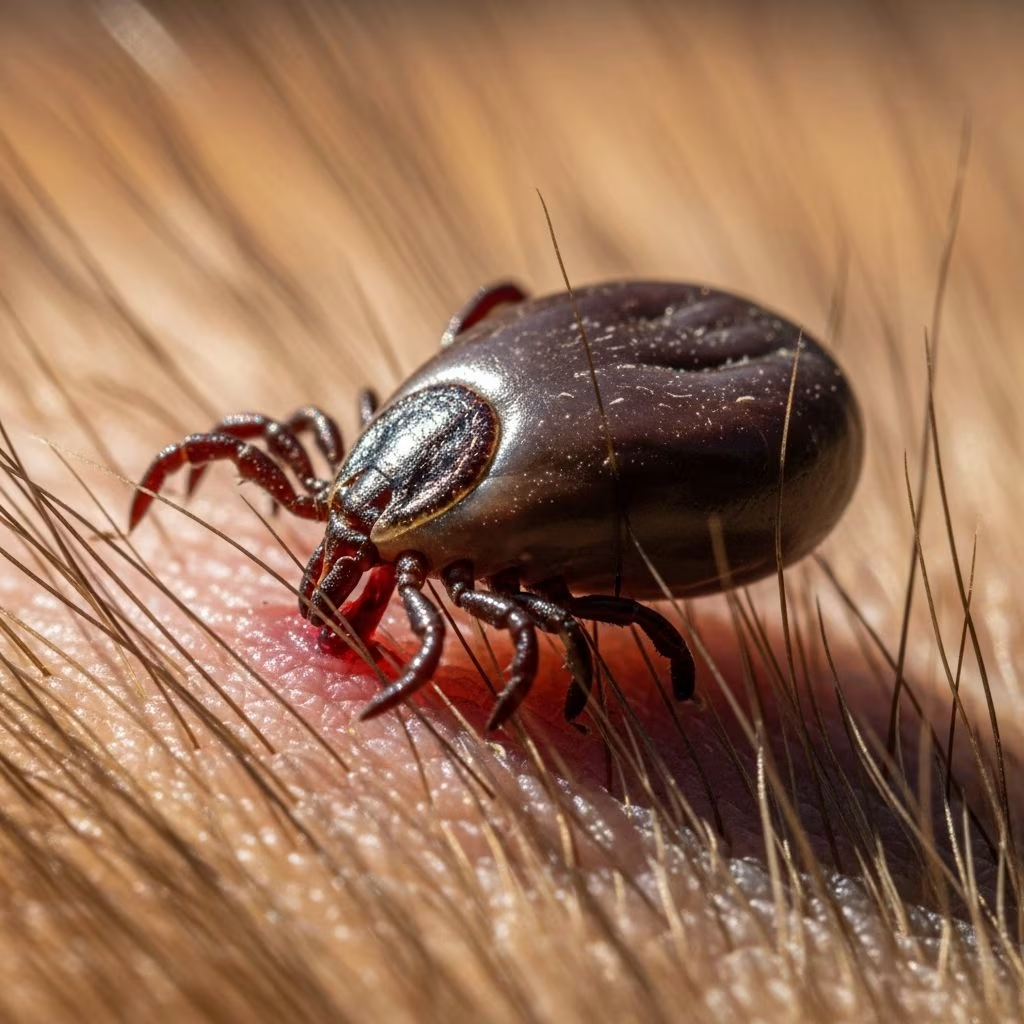
Blood parasites represent a significant health threat to dogs, primarily spread through tick bites and involving protozoans or bacteria that invade the bloodstream. These infections can lead to severe complications like anemia and organ damage if not addressed promptly. This guide details the types, signs, detection, management, and protective measures to safeguard canine companions.
Understanding the Nature of Canine Blood Parasites
These pathogens, including protozoans such as Babesia species and bacteria like Ehrlichia canis, target red blood cells or white blood cells, disrupting normal blood function. Protozoan forms multiply within cells, causing hemolysis, while bacterial types trigger immune responses that exacerbate tissue damage. Infections peak in warmer months when ticks are active, affecting dogs globally but more commonly in endemic regions.
The lifecycle of these parasites often relies on arthropod vectors. For instance, Rhipicephalus sanguineus ticks transmit several strains, allowing parasites to pass from host to host during feeding. Dogs may show subclinical infections, harboring parasites without obvious illness, yet serve as reservoirs for further spread.
Primary Types Infecting Canines
Dogs face multiple blood parasite varieties, each with distinct characteristics:
- Babesia canis and relatives: Protozoans that pierce red blood cells, leading to hemolytic anemia. Strains like B. rossi cause virulent disease, while B. vogeli often results in milder outcomes.
- Ehrlichia canis: A rickettsial bacterium infecting monocytes, responsible for ehrlichiosis with phases from acute fever to chronic debilitation.
- Hepatozoon canis: Transmitted via tick ingestion, affecting muscles and causing pain and fever.
- Anaplasma platys: Targets platelets, inducing cyclic thrombocytopenia and bleeding tendencies.
- Hemoplasma (Mycoplasma haemocanis): Adheres to red cells, persisting post-treatment in some cases.
Less common invaders like trypanosomes cause fever and splenomegaly, confirmed via blood smears.
Recognizing Clinical Manifestations
Symptoms arise from blood cell destruction, inflammation, and secondary effects. Early detection hinges on observing subtle changes progressing to critical signs.
| Symptom | Description | Associated Parasites |
|---|---|---|
| Fever | Elevated temperature, often first indicator | Babesia, Ehrlichia |
| Lethargy and Anorexia | Weakness, reduced activity and eating | All types |
| Pale Gums and Anemia | Mucosal pallor from red cell loss | Babesia, Hemoplasma |
| Bleeding Issues | Petechiae, nosebleeds, bruising | Anaplasma, Ehrlichia |
| Weight Loss and Diarrhea | Systemic effects on appetite and gut | Hepatozoon, Chronic cases |
| Lymphadenopathy and Splenomegaly | Swollen nodes and spleen | Trypanosomes, Ehrlichia |
Severe cases involve jaundice, respiratory distress, or renal impairment, with acute phase proteins like CRP rising as markers of inflammation.
Diagnostic Approaches for Accurate Identification
Veterinarians employ a multi-step process starting with history and physical exam, focusing on tick exposure. Key tests include:
- Blood Smears: Microscopic visualization of intraerythrocytic forms (Babesia) or morulae in leukocytes (Ehrlichia).
- PCR Testing: Detects parasite DNA for precise speciation, crucial for subtle infections.
- Serology: Antibody detection via IFA or ELISA for past/current exposure.
- Hematology: Reveals anemia, thrombocytopenia, or leukopenia patterns.
- Biochemistry: Monitors liver/kidney function and acute phase reactants like AGP or SAA.
Urinary markers such as IgG or RBP aid early renal damage detection in babesiosis. Screening blood donors prevents iatrogenic transmission of hemoplasma.
Effective Treatment Strategies
Management combines antiparasitics, antibiotics, and support, tailored to parasite and severity. Prompt intervention improves prognosis significantly.
- For Babesiosis: Imidocarb dipropionate (5-7.5 mg/kg IM, repeat if needed) or diminazene aceturate; atovaquone plus azithromycin for B. gibsoni. Blood transfusions for profound anemia.
- Ehrlichiosis: Doxycycline (5-10 mg/kg PO q12-24h for 3-4 weeks).
- Hemoplasma: Antibiotics like doxycycline; persistent carriers may require ongoing monitoring.
Supportive therapies encompass IV fluids, antiemetics, oxygen, antioxidants, and corticosteroids for immune-mediated hemolysis. Nutritional supplements bolster recovery.
Prevention: Key to Avoiding Infection
Proactive measures target vectors and build resilience:
- Monthly tick preventives (e.g., isoxazolines, collars).
- Daily tick checks post-outdoor activity, prompt removal.
- Vaccination where available (limited Babesia coverage).
- Avoid high-risk areas; limit contact with strays.
- Frequent grooming to spot early signs like skin lesions.
Immune-supportive diets with multivitamins enhance natural defenses.
Potential Complications and Prognosis
Untreated infections risk chronic states with organ failure, neurological deficits, or fatality, especially in puppies, seniors, or immunocompromised dogs. Babesia rossi carries high mortality without transfusion. Early doxycycline for ehrlichiosis often yields full recovery, though relapses occur. Monitoring post-treatment via PCR and hematology ensures clearance.
FAQs on Blood Parasites in Dogs
Q: Can blood parasites spread dog-to-dog without ticks?
A: Rare, mainly via blood transfusion or contaminated needles; hemoplasma via direct blood contact.
Q: How long until symptoms appear after a tick bite?
A: 1-6 weeks typically, varying by parasite.
Q: Is natural treatment sufficient?
A: Supplements aid support but not curative; veterinary drugs essential.
Q: Do all infected dogs show symptoms?
A: No, many are asymptomatic carriers.
Q: What’s the role of fleas in transmission?
A: Minor for some like Hepatozoon, but ticks primary.
Long-Term Management and Owner Vigilance
Post-recovery, annual screening in endemic areas prevents recrudescence. Maintain preventives year-round, educate on vector biology, and report subtle changes like flaky skin or fatigue promptly. Collaborative vet-owner efforts minimize risks, ensuring dogs thrive parasite-free.
References
- Prevent and Treat Blood Parasite Infections in Dogs — Erawan Pet Hospital. 2023. https://www.erawanpethospital.com/en/content/30480/prevent-and-treat-blood-parasite-infections-in-dogs
- A Pet Parent’s Guide to Babesiosis in Dogs — LakeCross Veterinary Hospital. 2023-04-15. https://www.lakecross.com/site/blog-huntersville-vet/2023/04/15/babesiosis-dog
- Dog Blood Parasite Remedies — NHV Natural Pet Products. Accessed 2026. https://www.nhvnaturalpetproducts.com/dogs/conditions/blood-parasites/
- Canine babesiosis: a perspective on clinical complications — PMC (NCBI). 2018-07-26. https://pmc.ncbi.nlm.nih.gov/articles/PMC6065580/
- Blood Parasite (Ehrlichiosis) in Dogs — VetAmerican. Accessed 2026. https://www.vetamerikan.org/health-information/dog-diseases/blood-parasite-(ehrlichiosis)-in-dogs
- Blood Parasites of Dogs — Merck Veterinary Manual. Accessed 2026. https://www.merckvetmanual.com/dog-owners/blood-disorders-of-dogs/blood-parasites-of-dogs



