

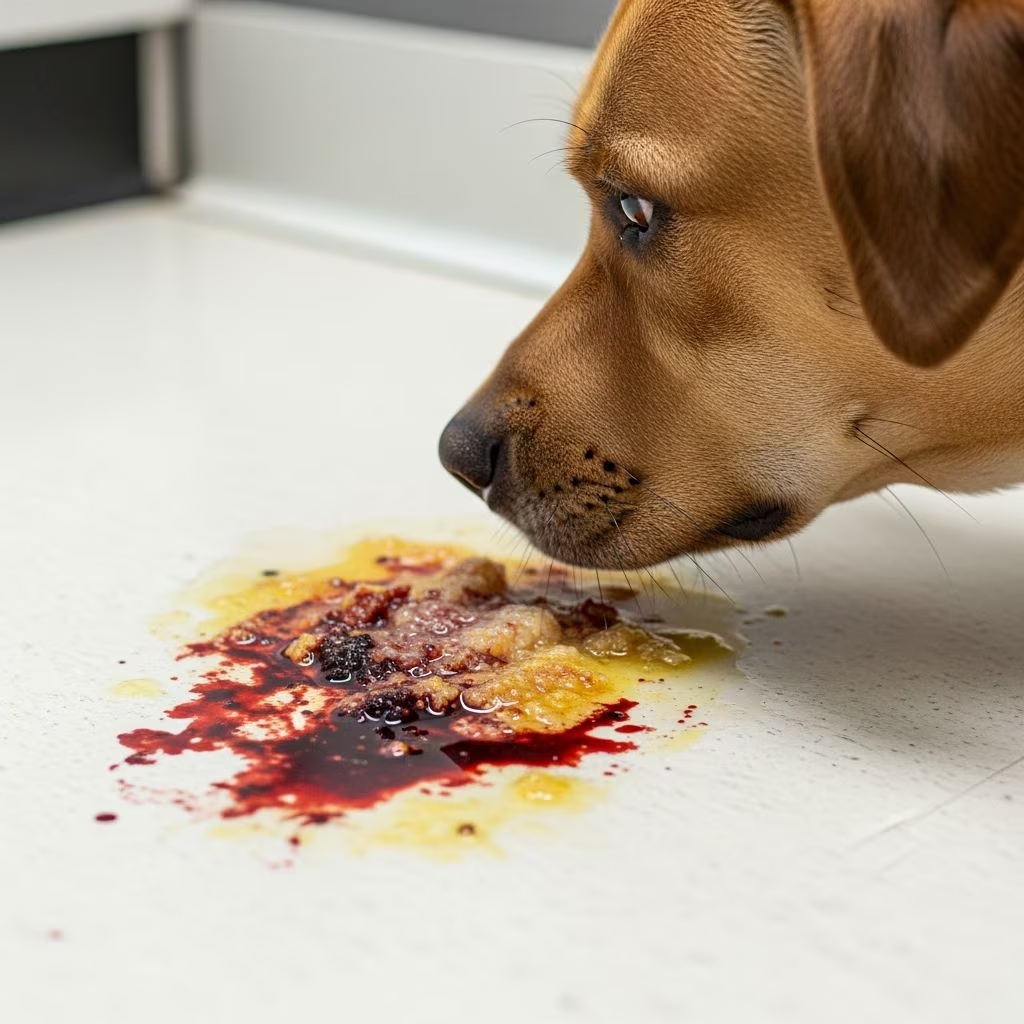
Discovering blood in your dog’s vomit can be alarming and stressful for any pet owner. This symptom, medically known as hematemesis, warrants careful attention because it can indicate conditions ranging from minor digestive irritation to serious health emergencies. Understanding the potential causes, recognizing visual clues about severity, and knowing when to seek veterinary care are essential skills for responsible dog ownership.
The Significance of Vomit Appearance in Diagnosis
The visual characteristics of your dog’s vomit provide valuable diagnostic information that can help your veterinarian narrow down potential causes. Rather than assuming all bloody vomit indicates the same problem, observant pet owners should pay close attention to color, texture, and quantity of blood present.
Bright Red Liquid Blood
When vomit contains bright red blood in liquid form, this typically suggests recent bleeding from the esophagus, the tube connecting the mouth to the stomach. Sometimes, if your dog has bleeding gums or a mouth injury, blood may be swallowed and subsequently vomited. This type of presentation usually indicates bleeding closer to the beginning of the digestive tract, where blood hasn’t had time to be processed by stomach acids.
Dark or Coffee-Ground Appearance
Dark red blood, clotted material, or vomit resembling coffee grounds indicates that blood has been partially digested by stomach acid. This pattern suggests the bleeding originated in the stomach or upper intestinal tract and occurred some time before vomiting. The darker appearance results from the chemical interaction between blood and digestive acids, which changes the blood’s color and consistency.
Pink-Tinged Foam with Blood Specks
When vomit appears foamy with a pink tint and contains only small specks of blood, this often signals minor irritation to the digestive system. While still concerning, this presentation typically indicates less severe conditions than the other scenarios and may be less immediately life-threatening.
Common Digestive System Causes
The digestive tract represents the most frequent source of bloody vomit in dogs. These conditions affect the stomach, esophagus, and upper intestines—the upper digestive system—and can range from temporary upset to chronic disease.
Stomach Ulcers and Erosions
Ulcers occur when the protective lining of the stomach becomes damaged, exposing blood vessels underneath. Dogs may develop ulcers from prolonged use of nonsteroidal anti-inflammatory drugs (NSAIDs) or corticosteroid medications, chronic stress, or underlying diseases. Affected dogs often experience loss of appetite, excessive fatigue, and abdominal discomfort alongside bloody vomit. In some cases, dogs may cough up material with a bloody appearance rather than vomiting it.
Acute Hemorrhagic Diarrhea Syndrome (AHDS)
Previously known as hemorrhagic gastroenteritis (HGE), this condition represents one of the most serious causes of bloody vomit and requires immediate veterinary attention. AHDS develops suddenly and causes severe, bloody vomiting and diarrhea. The sudden nature of this condition, combined with rapid fluid loss, can quickly lead to dangerous dehydration. Approximately 80% of dogs with AHDS experience vomiting, with about half showing blood in their vomit.
General Digestive Irritation
Simple stomach upset can progress to bleeding if irritation becomes severe. Prolonged vomiting from any cause can inflame the stomach, esophagus, and upper intestines, eventually causing the tissue to bleed. This illustrates how a seemingly minor problem can escalate if left untreated.
Infections and Parasitic Causes
Both viral and bacterial infections can trigger bloody vomiting in dogs. Additionally, parasitic infections represent a particularly common problem, especially in puppies or dogs not following a regular deworming schedule.
Viral Infections
Parvovirus stands out as an especially dangerous viral infection, particularly threatening to young puppies and unvaccinated dogs. This highly contagious virus attacks the gastrointestinal tract and can cause bloody vomit alongside severe diarrhea and rapid deterioration. Other viral agents may similarly affect the digestive system.
Bacterial Infections
Bacteria such as Salmonella can establish infections in the digestive tract, causing inflammation and bleeding. Dogs fed raw food diets face increased risk of bacterial contamination. Seasonal Canine Illness and other bacterial gastroenteritis cases also present with bloody vomit as a possible symptom.
Parasitic Infections
Giardia represents the most notable parasite causing bloody vomit in dogs. This intestinal parasite damages the stomach lining and commonly causes diarrhea alongside vomiting. Other parasites like hookworms can cause similar damage, particularly in dogs with heavy parasite loads. These dogs may also show weight loss and lethargy.
Traumatic and Obstructive Problems
Physical injuries and blockages represent another major category of causes for bloody vomit. Dogs’ natural curiosity sometimes leads them to swallow dangerous items.
Foreign Object Ingestion
When dogs swallow non-food items—socks, toys, bones, sticks, or corn cobs—these objects can lodge in the digestive tract, causing blockages. The trapped material can cut or scratch the stomach and intestinal lining, leading to bleeding. In some cases, the object itself causes puncture wounds or perforation.
Sharp Object Injuries
Swallowing sharp items like bone fragments, splinters, or other pointed objects can directly lacerate the digestive tract. These injuries bleed immediately and require prompt surgical intervention in many cases.
Systemic and Organ-Related Causes
Sometimes bloody vomit indicates problems originating outside the digestive system entirely. These systemic conditions affect multiple body systems and require investigation to identify.
Clotting and Bleeding Disorders
Dogs with clotting problems cannot stop bleeding normally, even from minor injuries or irritation. Hemophilia, immune-mediated diseases, and anticoagulant rodenticide (rat poison) exposure all prevent proper blood clotting. When these dogs experience any digestive tract irritation, bleeding may be severe and difficult to control.
Liver and Kidney Disease
Severe liver disease can cause clotting problems and lead to bloody vomit. Kidney disease and liver conditions may result in blood-tinged vomit as the body fails to maintain normal blood coagulation. Dogs with these conditions often require extensive treatment.
Autoimmune and Endocrine Disorders
Addison’s disease (hypoadrenocorticism), a rare but dangerous condition affecting hormone production, may cause bloody vomit among other serious symptoms. Other autoimmune conditions can similarly affect blood vessels and cause bleeding.
Environmental and Ingestion-Related Causes
Exposure to toxins or consumption of harmful substances can trigger bloody vomiting. Pet owners must remain vigilant about their dog’s environment and diet.
Toxic Substance Exposure
Rodenticides (rat poisons), household chemicals, toxic plants, and certain medications can cause internal bleeding when ingested. These poisons often interfere with normal blood clotting mechanisms or directly damage the gastrointestinal lining. Immediate veterinary care becomes critical when toxin exposure is suspected.
Medication Side Effects
Long-term use of NSAIDs and corticosteroids commonly causes stomach ulceration and bleeding. Dogs on these medications for chronic pain or inflammatory conditions require careful monitoring and may benefit from protective stomach medications.
Less Common but Serious Causes
Several additional conditions, while less frequently encountered, require mention due to their potential severity.
Inflammatory Bowel Disease (IBD)
This chronic inflammatory condition can occasionally produce bloody vomit when intestinal inflammation becomes severe. IBD requires long-term management and dietary adjustments.
Cancerous Growths
Tumors in the digestive tract may bleed into the vomit, particularly as they grow or ulcerate. Cancer typically affects older dogs but should be considered in the diagnostic process.
Respiratory Conditions
While not true vomiting, respiratory problems causing coughing with blood may be confused with hematemesis. The distinction matters for proper treatment.
Determining Urgency: When Is This an Emergency?
| Severity Level | Signs and Symptoms | Recommended Action |
|---|---|---|
| Minor Concern | Pink-tinged foam, small blood specks, one isolated episode | Monitor closely; contact vet if repeats |
| Moderate Concern | Bright red or dark blood, multiple episodes within hours, lethargy or appetite loss | Schedule prompt vet appointment same day |
| Emergency | Large amounts of blood, repeated vomiting, bloody diarrhea, weakness, collapse, signs of shock | Seek immediate emergency vet care |
The quantity, frequency, and accompanying symptoms all factor into determining whether your dog needs immediate emergency care or can wait for a scheduled veterinary appointment. Any vomiting accompanied by bloody diarrhea, rapid deterioration, or signs of severe dehydration demands emergency evaluation.
What You Should Do If You Observe Bloody Vomit
Gather Detailed Information
Before contacting your veterinarian, collect specific details about the episode. Note the color, quantity, and texture of blood present. Document whether this is an isolated incident or has occurred multiple times. Record any other symptoms you’ve observed, including changes in appetite, energy level, bowel habits, or behavior. This information significantly aids diagnosis.
Assess Your Dog’s Overall Condition
Beyond the vomiting itself, evaluate your dog’s general health status. Is your dog alert and acting normally, or does he seem lethargic and unwell? Does he have a normal appetite between vomiting episodes? Can you identify any potential triggers, such as eating something unusual or recent medication changes? These observations provide context for the bloody vomit.
Contact Your Veterinarian
Depending on the severity and your dog’s overall appearance, contact your regular veterinarian or an emergency veterinary facility. Describe the situation clearly and follow professional guidance regarding whether immediate evaluation is necessary. When in doubt, erring toward caution and getting professional evaluation is always the safer choice.
Diagnostic Approaches Your Veterinarian May Use
Veterinarians employ various diagnostic tools to identify the cause of bloody vomit. Physical examination provides initial information, and the veterinarian may recommend blood work to assess organ function and blood clotting ability. Radiographs (X-rays) or ultrasound can reveal foreign objects, blockages, or organ abnormalities. In some cases, endoscopy—a procedure allowing direct visualization of the stomach and esophagus—helps identify ulcers or other lesions.
Treatment and Management Strategies
Treatment depends entirely on identifying the underlying cause. Minor cases of dietary indiscretion might resolve with fasting and gradual diet reintroduction. Bacterial infections typically respond to antibiotics, while parasitic infections require antiparasitic medications. Bleeding ulcers may need medication to reduce stomach acid and promote healing. Blockages or perforations usually require surgical intervention. Serious conditions like AHDS demand hospitalization with intravenous fluids and supportive care to combat dehydration and stabilize the dog.
Prevention Strategies for Pet Owners
While not all causes of bloody vomit are preventable, responsible pet ownership reduces risks. Maintain current vaccinations to protect against viral infections like parvovirus. Keep your dog on a consistent deworming schedule appropriate for age and risk factors. Monitor your dog’s environment carefully, removing potential choking hazards and toxic substances. Keep rat poison and other rodenticides completely inaccessible. If your dog requires long-term medications known to cause stomach irritation, discuss protective measures with your veterinarian. Feed high-quality food suited to your dog’s individual needs, and introduce any dietary changes gradually.
Common Questions About Bloody Vomit in Dogs
FAQ: When is bloody vomit in dogs considered an emergency?
Bloody vomit accompanied by signs of shock (pale gums, rapid heart rate, weakness), large quantities of blood, bloody diarrhea, or rapid repetition requires immediate emergency care. When uncertain, contact your veterinarian rather than waiting.
FAQ: Can a dog vomit blood from eating bones?
Yes. Sharp bone fragments can lacerate the digestive tract, and bones can lodge as obstructions causing damage to stomach and intestinal tissue. Both situations result in bleeding and bloody vomit.
FAQ: Is bloody vomit always serious in dogs?
Not always. Pink-tinged foam with minimal blood specks may indicate simple irritation. However, any bloody vomit warrants veterinary evaluation to rule out serious conditions.
FAQ: Can stress cause bloody vomit in dogs?
Stress can contribute to stomach ulcers and gastritis, which might produce bloody vomit. Stress is rarely the sole cause but may contribute alongside other factors.
The Importance of Professional Evaluation
While this guide provides comprehensive information about potential causes of bloody vomit, it cannot replace professional veterinary diagnosis. Only your veterinarian, after appropriate examination and testing, can accurately identify the cause and recommend specific treatment. The appearance and context of bloody vomit help narrow possibilities, but definitive diagnosis typically requires professional investigation. Swift professional evaluation ensures your dog receives appropriate treatment before minor problems escalate into serious emergencies.
References
- Why Is My Dog Throwing Up Blood? — PetMD. 2024. https://www.petmd.com/dog/symptoms/why-my-dog-throwing-blood
- Is a Dog Vomiting Blood an Emergency? — Veteris UK. 2024. https://veteris.co.uk/petcare-advice/is-a-dog-vomiting-blood-an-emergency
- My Dog is Vomiting Blood: What Do I Do? — Parrish Veterinary Clinic. 2024. https://parrishvetclinic.com/blog/dog-is-vomiting-blood/
- Steps to Take If Your Dog Is Vomiting Blood — Hill’s Pet Nutrition. 2024. https://www.hillspet.co.id/dog-care/healthcare/dog-vomiting-blood
- Dog Vomiting Blood: How to Handle This Veterinary Emergency — Garden State Veterinary Specialists. 2024. https://gsvs.org/blog/dog-vomiting-blood-emergency/
- Why Is My Dog Throwing Up Blood? — Bond Vet. 2024. https://bondvet.com/blog/why-is-my-dog-throwing-up-blood



