

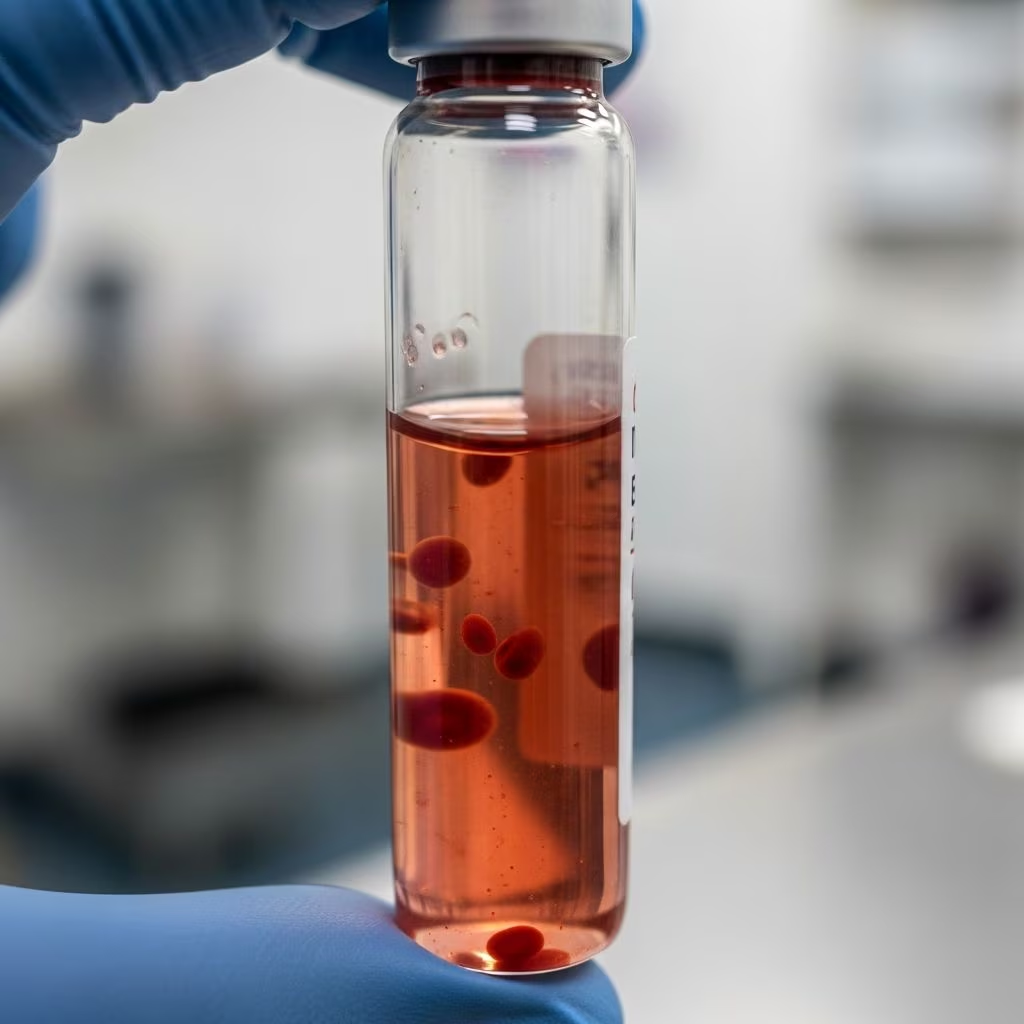
Blood in a dog’s urine, medically termed hematuria, is a concerning symptom that warrants immediate attention from a veterinarian. It can arise from benign infections to life-threatening diseases, affecting dogs of all ages and breeds.
Recognizing the Signs of Hematuria in Dogs
Spotting blood in your dog’s urine early can make a significant difference in outcomes. The urine may appear pink, red, brown, or even dark, depending on the blood concentration. Sometimes, it’s only visible at the start or end of urination, known as terminal or initial hematuria.
- Frequent attempts to urinate with little output
- Straining or discomfort during urination
- Licking excessively around the genital area
- Strong or foul-smelling urine
- Accidents indoors despite being house-trained
These signs often accompany hematuria and indicate irritation or obstruction in the urinary system.
Primary Causes of Blood in Canine Urine
Hematuria originates from issues in the upper urinary tract (kidneys) or lower tract (bladder, urethra). Understanding these helps in targeted diagnosis.
Lower Urinary Tract Issues
The bladder and urethra are frequent culprits. Infections here cause inflammation leading to bleeding.
- Urinary Tract Infections (UTIs): Bacteria invade the bladder, causing cystitis. Common in females due to shorter urethras; symptoms include painful urination.
- Bladder Stones: Mineral crystals form, irritating the lining and causing bleeding or blockages, especially in males.
- Prostate Disorders: Unneutered males may experience enlargement or infection, leading to bloody urine.
Upper Urinary Tract Problems
Kidney-related causes often lack urination discomfort but may show systemic signs like lethargy.
- Kidney Infections (Pyelonephritis): Bacteria ascend from the bladder, inflaming kidneys and spilling blood into urine.
- Kidney Stones: Nephroliths damage renal tissue, resulting in hematuria.
Other Serious Contributors
Beyond infections and stones, trauma, toxins, clotting disorders, and cancers can provoke bleeding.
| Category | Examples | Key Risks |
|---|---|---|
| Trauma | Injuries from falls, fights | Sudden onset, pain |
| Toxins | Acetaminophen, rat poison | Clotting failure |
| Cancer | Bladder tumors | Older dogs, persistent |
| Clotting Issues | Thrombocytopenia | Bleeding elsewhere |
When Hematuria Mimics True Blood
Not all red urine contains whole blood cells. Myoglobinuria from muscle breakdown (e.g., heatstroke, extreme exercise) or hemoglobinuria from hemolysis can discolor urine similarly. Veterinary tests distinguish these via urinalysis.
Steps to Take if You Notice Bloody Urine
Never delay; even if your dog acts normal, underlying issues like early cancer or stones need addressing.
- Collect a fresh urine sample in a clean container.
- Contact your vet or emergency clinic immediately.
- Note recent activities, diet changes, or exposures.
- Monitor for worsening: vomiting, weakness, collapse.
Urgent cases include blockages (life-threatening in males) or toxin exposure.
Diagnostic Approaches for Dog Hematuria
Vets use a multi-step process to pinpoint causes.
- Urinalysis: Checks for bacteria, crystals, blood cells, pH.
- Urine Culture: Identifies specific bacteria for targeted antibiotics.
- Imaging: Ultrasound or X-rays detect stones, tumors, prostate issues.
- Blood Tests: Assess kidney function, clotting times.
- Cystoscopy: Camera exam of bladder for direct visualization.
These confirm if it’s upper/lower tract, infection, or neoplasm.
Treatment Options Tailored to the Cause
Treatments vary by diagnosis but aim to resolve bleeding and underlying pathology.
- Antibiotics: For UTIs or kidney infections; 7-14 days typical.
- Dietary Changes: Prescription foods dissolve stones or prevent recurrence.
- Surgery: Removes stones, tumors, or relieves obstructions.
- Medications: Pain relief, anti-inflammatories, prostate therapies.
- Chemotherapy/Radiation: For cancers, improving quality of life.
Follow-up tests ensure resolution.
Preventing Recurrence of Urinary Blood Issues
Proactive measures reduce risks.
- Encourage ample water intake with fountains or wet food.
- Maintain neutering to avoid prostate problems.
- Regular vet check-ups, especially for seniors.
- Balanced diet avoiding excess minerals.
- Prompt grooming to prevent bacterial entry.
FAQs About Blood in Dog Urine
Is blood in urine always an emergency?
Not always, but treat as urgent until diagnosed. Blockages or toxins can be fatal quickly.
Can diet cause bloody urine in dogs?
Yes, diets high in certain minerals promote stones; switch to vet-recommended formulas.
What if my dog pees blood but seems fine?
Still see a vet—silent killers like early tumors lurk.
How long does UTI treatment take?
Typically 1-2 weeks, with recheck urinalysis.
Does spaying prevent hematuria?
It reduces UTI and prostate risks but not kidney or stone issues.
References
- What Would Cause Blood in Dog Urine — VO Vets. 2023. https://vovets.com/blog/what-would-cause-blood-in-dog-urine/
- Why is My Dog Peeing Blood and What Can I Do? — VEG ER for Pets. 2024. https://www.veg.com/post/blood-in-dog-urine
- Why Does My Dog’s Urine Have Blood in It? — Pets Furst Urgent Care. 2023. https://petsfursturgentcare.com/blog/dog-urine-with-blood/
- Dog Peeing Blood: Urgent Symptoms & Immediate Steps — GSVS. 2024. https://gsvs.org/blog/dog-peeing-blood-urgent-care/
- What to do if your dog is peeing blood — Vetster. 2024. https://vetster.com/en/wellness/what-to-do-if-your-dog-is-peeing-blood



