

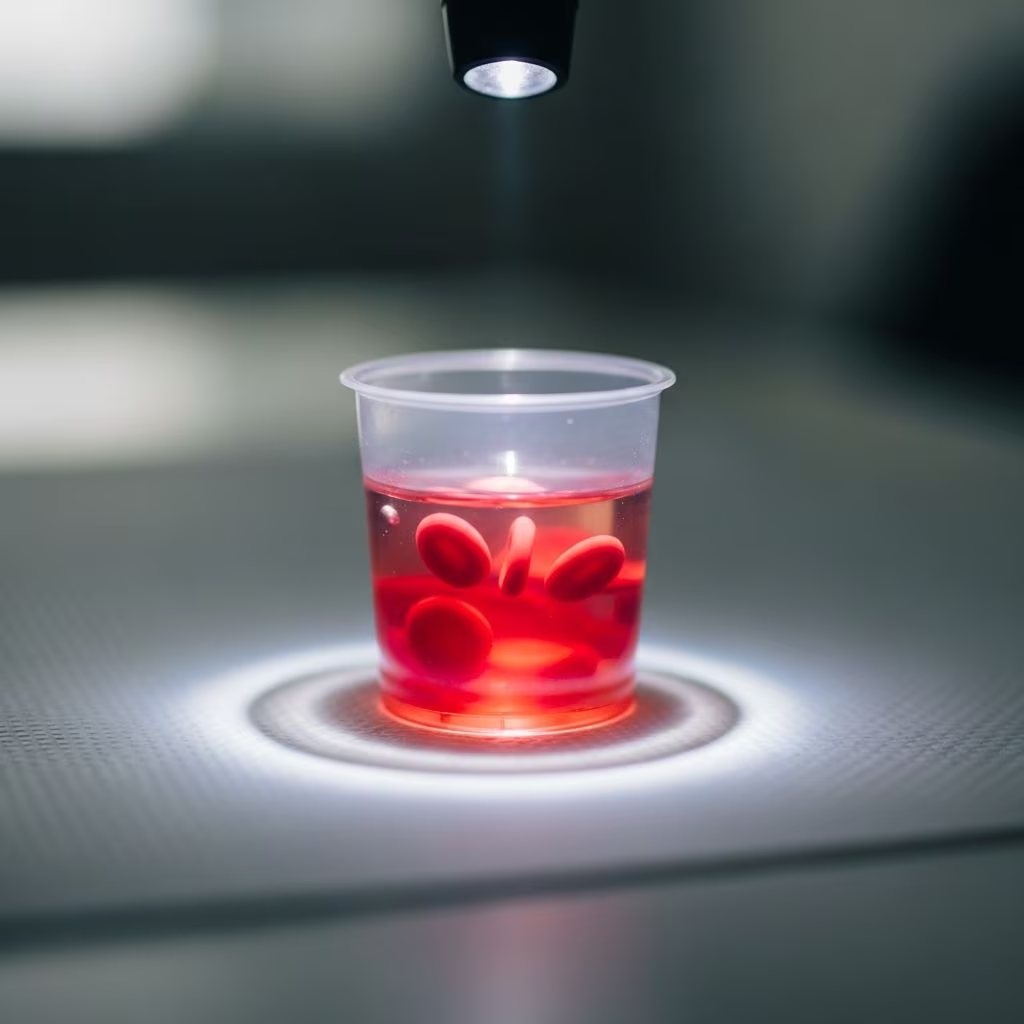
Blood in a dog’s urine, medically termed hematuria, is a distressing sign that demands immediate attention from pet owners. This condition can stem from benign infections to life-threatening diseases, affecting dogs of all ages and breeds. Recognizing it early allows for timely veterinary intervention, potentially preventing complications like kidney damage or chronic illness.
Understanding Hematuria and Similar Conditions
Hematuria refers specifically to the presence of intact red blood cells in the urine, often originating from the urinary tract. However, urine may appear red or pink due to other substances like hemoglobin or myoglobin, which require different diagnostic approaches. Distinguishing these is crucial for accurate treatment.
- Hematuria: Blood from urinary tract bleeding, visible as clots or streaks.
- Hemoglobinuria: Free hemoglobin from destroyed red blood cells, caused by toxins or infections.
- Myoglobinuria: Muscle protein leakage after trauma or overheating, mimicking blood.
Visual inspection alone isn’t enough; lab tests confirm the exact cause, as discoloration can deceive the eye.
Common Triggers for Bloody Urine in Dogs
Several factors contribute to this symptom, ranging from everyday infections to structural abnormalities. Urinary tract infections top the list, especially in females due to shorter urethras.
| Cause | Description | Common in |
|---|---|---|
| Urinary Tract Infections (UTIs) | Bacteria inflame the bladder or urethra, causing bleeding and discomfort. | Females, older dogs |
| Bladder or Kidney Stones | Mineral buildup irritates tissues, leading to tears and blood. | All breeds, Dalmatians prone |
| Kidney Infections/Disease | Upper tract inflammation spreads downward, mixing blood in urine. | Dogs with chronic issues |
Prostate issues in unneutered males, such as enlargement or infection, frequently cause hematuria alongside straining.
Serious and Less Common Culprits
Beyond infections and stones, graver conditions lurk. Cancer, particularly transitional cell carcinoma in the bladder, often presents with persistent blood, weight loss, and appetite changes. Clotting disorders impair blood coagulation, resulting in unchecked bleeding even without injury.
- Trauma from accidents or fights damages urinary organs directly.
- Toxins like rodenticides or onions trigger internal hemorrhage or red cell destruction.
- Parasitic infections such as babesiosis or heartworm release hemoglobin into urine.
Heatstroke or extreme exercise can rupture muscle cells, spilling myoglobin and darkening urine. These scenarios underscore the need for context in evaluation.
Recognizing Accompanying Warning Signs
Rarely does bloody urine appear solo. Watch for clusters of symptoms to gauge urgency.
- Frequent, small-volume urination or straining (dysuria).
- Excessive genital licking or house soiling in trained dogs.
- Abdominal tenderness, vomiting, or lethargy.
- Pale gums, rapid breathing, or coughing signaling systemic involvement.
Dogs peeing blood but acting normal might still have subtle issues like early stones or prostate problems—don’t delay checks.
Diagnostic Steps Your Vet Will Take
Veterinarians start with a thorough history and physical exam, then advance to targeted tests. Urinalysis detects blood type, bacteria, crystals, or cells.
- Urine Culture: Identifies specific bacteria for targeted antibiotics.
- Imaging: X-rays or ultrasound reveal stones, tumors, or prostate enlargement.
- Bloodwork: Checks kidney function, clotting times, and toxin levels.
- Cystoscopy: Camera inspection for bladder abnormalities in complex cases.
These steps pinpoint origins, whether lower tract (bladder/urethra) or upper (kidneys), guiding therapy.
Treatment Options Tailored to the Cause
Therapy hinges on diagnosis. Simple UTIs resolve with 7-14 days of antibiotics, plus pain relief. Stones may require dietary changes, medications to dissolve them, or surgery for removal.
- Cancer treatments include chemotherapy, radiation, or palliative care to manage symptoms.
- Clotting issues demand blood transfusions or vitamin K for anticoagulant poisoning.
- Prostate problems benefit from neutering and anti-inflammatories.
Supportive care like increased water intake and urinary acidifiers prevents recurrence in crystal-formers.
Prevention Strategies for Urinary Health
Proactive measures reduce risks significantly. Encourage daily exercise and fresh water to promote urination and dilute urine.
- Feed prescription urinary diets if prone to stones.
- Neutering males curbs prostate woes.
- Avoid toxins: secure rodenticides, onions, and human meds like acetaminophen.
- Regular vet checkups catch brewing issues early, especially in seniors.
Breed-specific vigilance helps—Dalmatians for uric acid stones, smaller breeds for UTIs.
When to Seek Emergency Care
Not all cases wait for regular hours. Rush to an ER if your dog shows inability to urinate, severe pain, collapse, or toxin exposure signs. Persistent blood over 24 hours, even with normal behavior, warrants same-day evaluation to avert kidney failure or rupture.
Frequently Asked Questions (FAQs)
Can blood in dog urine resolve on its own?
Minor cases might, but most indicate infection or obstruction needing antibiotics or intervention. Untreated, they worsen.
Is bloody urine always visible?
No—microscopic hematuria shows only on tests. Routine screens catch it early.
What home remedies help before the vet?
Increase water and monitor, but avoid meds or cranberry without guidance—wrong choices harm.
Does age affect likelihood?
Puppies get UTIs from congenital issues; seniors face cancer or kidney decline.
How to collect urine sample at home?
Use a clean container mid-stream; refrigerate if delaying vet drop-off.
This comprehensive overview empowers owners to act swiftly. Blood in urine isn’t normal—prompt vet care safeguards your dog’s vitality.
References
- What to do if your dog is peeing blood — Vetster. 2023. https://vetster.com/en/wellness/what-to-do-if-your-dog-is-peeing-blood
- Why Is My Dog Peeing Blood? Causes and When To Call Your Vet — PetMD. 2024. https://www.petmd.com/dog/symptoms/why-is-my-dog-peeing-blood
- Why is My Dog is Peeing Blood and What Can I Do? — VEG ER for Pets. 2023. https://www.veg.com/post/blood-in-dog-urine
- Potential Reasons Your Dog is Peeing Blood — East Metro Emergency. 2024. https://eastmetroemergency.com/articles/dog-is-peeing-blood
- Blood in Dog Urine: Causes, Treatment & Prevention — Purina. 2024. https://www.purina.com/articles/dog/health/symptoms/blood-in-dog-urine
- Why Does My Dog’s Urine Have Blood in It? — Pets Furst Urgent Care. 2023. https://petsfursturgentcare.com/blog/dog-urine-with-blood/



