
Blood in Dog Urine: Causes and Solutions
Discover urgent causes of hematuria in dogs, from infections to serious diseases, and learn vital steps for diagnosis and care.
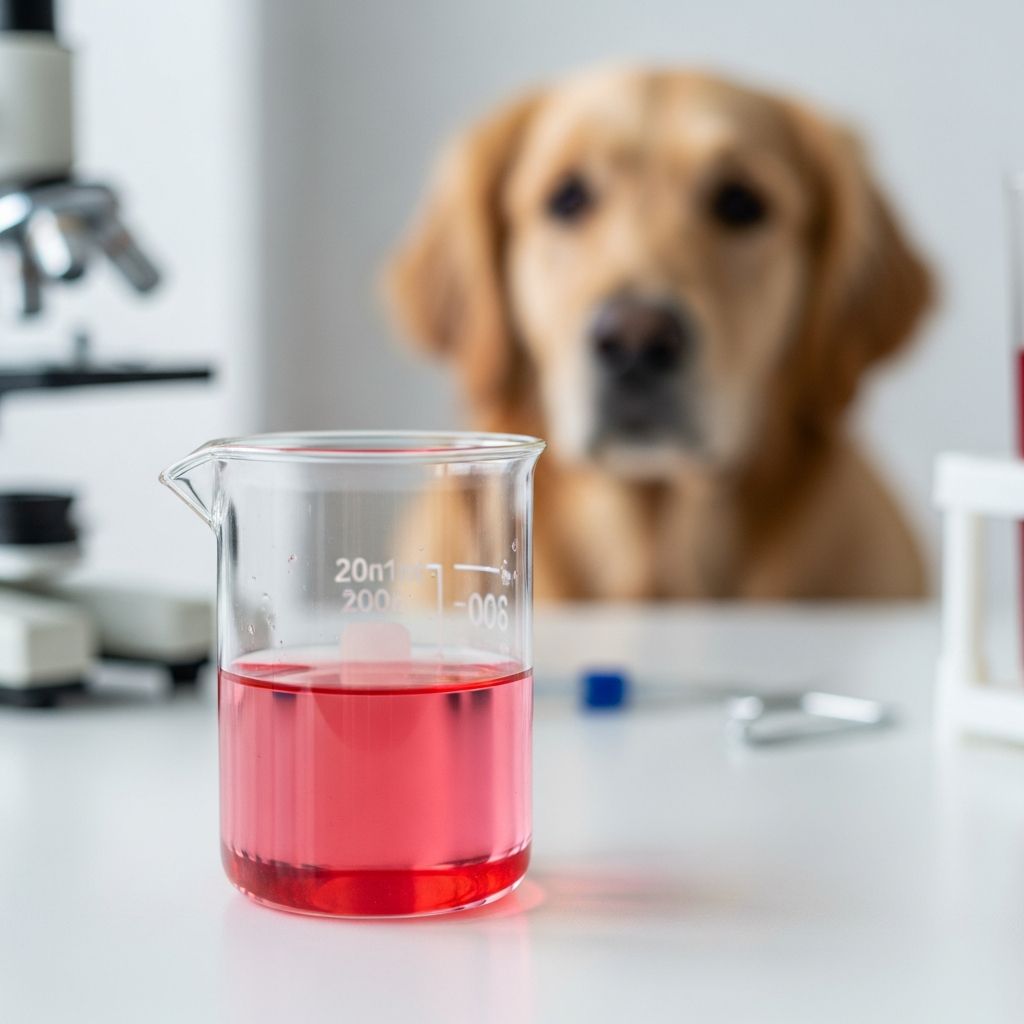
Blood in a dog’s urine, medically termed hematuria, is a distressing sign that demands immediate attention from pet owners. This condition arises when red blood cells enter the urinary tract, often due to inflammation, infection, or structural problems. While it can range from minor issues treatable at home with veterinary guidance to life-threatening diseases, early detection significantly improves outcomes. Understanding the underlying triggers and associated symptoms helps owners respond effectively.
Recognizing the Signs of Trouble
Spotting blood in your dog’s urine isn’t always straightforward, especially if it mixes with normal yellow coloration, creating pink, red, or brown hues. Owners might first notice it on light surfaces like snow or white carpets. Key indicators include:
- Visible red or pink discoloration in urine puddles.
- Frequent attempts to urinate with little output.
- Straining or crying out during urination.
- Licking the genital area excessively.
- Accidents indoors despite prior house training.
These symptoms often accompany systemic signs like lethargy, reduced appetite, vomiting, or abdominal tenderness. In some cases, dogs appear normal behaviorally, masking the issue until it worsens. Differentiating true blood from look-alikes like hemoglobinuria (free hemoglobin from destroyed red cells) or myoglobinuria (muscle protein leakage) requires lab analysis, as both mimic hematuria visually.
Primary Culprits Behind Hematuria
Several conditions disrupt the urinary system’s integrity, leading to bleeding. Here’s a breakdown of the most frequent offenders:
Urinary Tract Infections (UTIs)
UTIs top the list, especially in female dogs due to their shorter urethras, which ease bacterial entry. Bacteria inflame the bladder (cystitis) or urethra, causing microscopic bleeding. Symptoms include urgent, small-volume urination and discomfort. While antibiotics often resolve simple cases, recurrent infections signal deeper problems like stones or anatomical defects.
Bladder and Kidney Stones (Urolithiasis)
Mineral crystals aggregate into stones that scrape urinary linings, provoking hematuria. Struvite, calcium oxalate, and urate stones vary by diet, breed, and pH. Affected dogs strain, pass gravel-like material, or suffer recurrent UTIs. Diagnosis via X-rays or ultrasound guides treatments from prescription diets to surgery.
Kidney Disorders
Issues like pyelonephritis (kidney infection), glomerulonephritis (immune-mediated inflammation), or chronic kidney disease impair filtration, allowing blood leakage. Toxins, trauma, or inherited conditions exacerbate this. Look for increased thirst, weight loss, and poor appetite alongside bloody urine.
Prostate Problems in Males
Intact males over five years often develop benign prostatic hyperplasia (BPH), prostatitis, or cysts, compressing the urethra and causing bleeding. Neutering typically alleviates BPH, but infections or tumors need targeted therapy. Rectal exams and ultrasounds confirm diagnoses.
Cancerous Growths
Though less common, transitional cell carcinoma (TCC) in the bladder or urethra plagues older dogs, particularly Scottish Terriers. It presents as persistent hematuria unresponsive to antibiotics, with straining and incontinence. Kidney tumors add systemic illness like fever and cachexia.
Less Common Triggers: Trauma from hits or falls, clotting disorders (e.g., rat poison ingestion), toxins (onions, acetaminophen), heatstroke, or parasites like babesia also provoke bleeding.
Not Always Blood: Impostor Conditions
Red urine doesn’t guarantee hematuria. Hemoglobinuria follows red cell destruction from toxins, infections, or immune attacks, while myoglobinuria stems from muscle breakdown in overexertion or trauma. Urinalysis with sediment exam distinguishes these, as intact red cells sediment in hematuria but not the others.
When to Rush to the Vet
Any bloody urine warrants a vet visit within 24 hours; emergencies include straining without urine output, collapse, or pale gums signaling shock. Delays risk kidney damage or rupture. Prepare by noting urine color, frequency, diet changes, and toxin exposure.
Diagnostic Approaches
Vets employ a stepwise process:
| Test | Purpose |
|---|---|
| Urinalysis | Confirms blood, checks pH, crystals, bacteria; distinguishes hematuria types. |
| Urine Culture | Identifies infection pathogens and antibiotic sensitivity. |
| Bloodwork | Assesses kidney function (BUN, creatinine), clotting, anemia. |
| Imaging (X-ray, Ultrasound) | Visualizes stones, tumors, prostate enlargement. |
| Cystoscopy/Biopsy | Direct bladder view and sampling for cancer. |
These pinpoint causes efficiently.
Treatment Strategies by Cause
Addressing Infections
Antibiotics based on cultures clear most UTIs in 7-14 days. Probiotics prevent recurrence.
Managing Stones
Dietary dissolution works for struvite; oxalate stones often require surgery or lithotripsy. Hydration flushes crystals.
Supporting Kidney Health
Fluid therapy, diet, and medications manage chronic disease; acute cases need hospitalization.
Prostate Relief
Neutering shrinks BPH; antibiotics or anti-inflammatories treat infections.
Cancer Protocols
Chemotherapy (e.g., mitoxantrone for TCC), surgery, or palliative care extend quality life.
Prevention Tips for Urinary Wellness
- Encourage daily water intake via fountains or wet food.
- Maintain breed-appropriate weight to reduce stone risk.
- Neutering males prevents prostate woes.
- Regular vet checkups catch issues early.
- Secure toxins and monitor post-injury.
FAQs on Dog Hematuria
Q: Can I treat blood in urine at home?
A: No, self-treatment risks missing serious issues. Consult a vet immediately.
Q: Why does my dog pee blood but act fine?
A: Early UTIs or stones may lack pain initially; subtle signs like frequent urination persist.
Q: Is hematuria breed-specific?
A: Yes, Dalmatians prone to urate stones, Corgis to renal telangiectasia.
Q: How long before vet care for pink urine?
A: Same day; darker blood or symptoms demand emergency.
Q: Does diet influence this?
A: Absolutely—low-protein for kidney disease, stone-specific formulas prevent recurrence.
Long-Term Monitoring
Post-treatment, recheck urinalyses ensure resolution. Chronic cases benefit from home monitoring: track urine color weekly, note behavior shifts. Breeds like Shih Tzus or Bulldogs face higher UTI risks, meriting vigilance.
Owners report relief post-diagnosis; one study notes 80% UTI resolution with proper antibiotics. Proactive care transforms outcomes from dire to manageable.
References
- What to do if your dog is peeing blood — Vetster. 2023. https://vetster.com/en/wellness/what-to-do-if-your-dog-is-peeing-blood
- My Dog is Peeing Blood: What Do I Do? — Veterinary Specialty Center. 2023. https://www.vetspecialty.com/blog/dog-is-peeing-blood/
- Why Is My Dog Peeing Blood? Causes and When To Call Your Vet — PetMD. 2024. https://www.petmd.com/dog/symptoms/why-is-my-dog-peeing-blood
- What Does Blood in Dog Urine Mean? — American Kennel Club. 2023. https://www.akc.org/expert-advice/health/blood-in-dog-urine/
- Blood in Dog Urine: Causes, Treatment & Prevention — Purina. 2024. https://www.purina.com/articles/dog/health/symptoms/blood-in-dog-urine
Similar Articles








Read full bio of medha deb




