

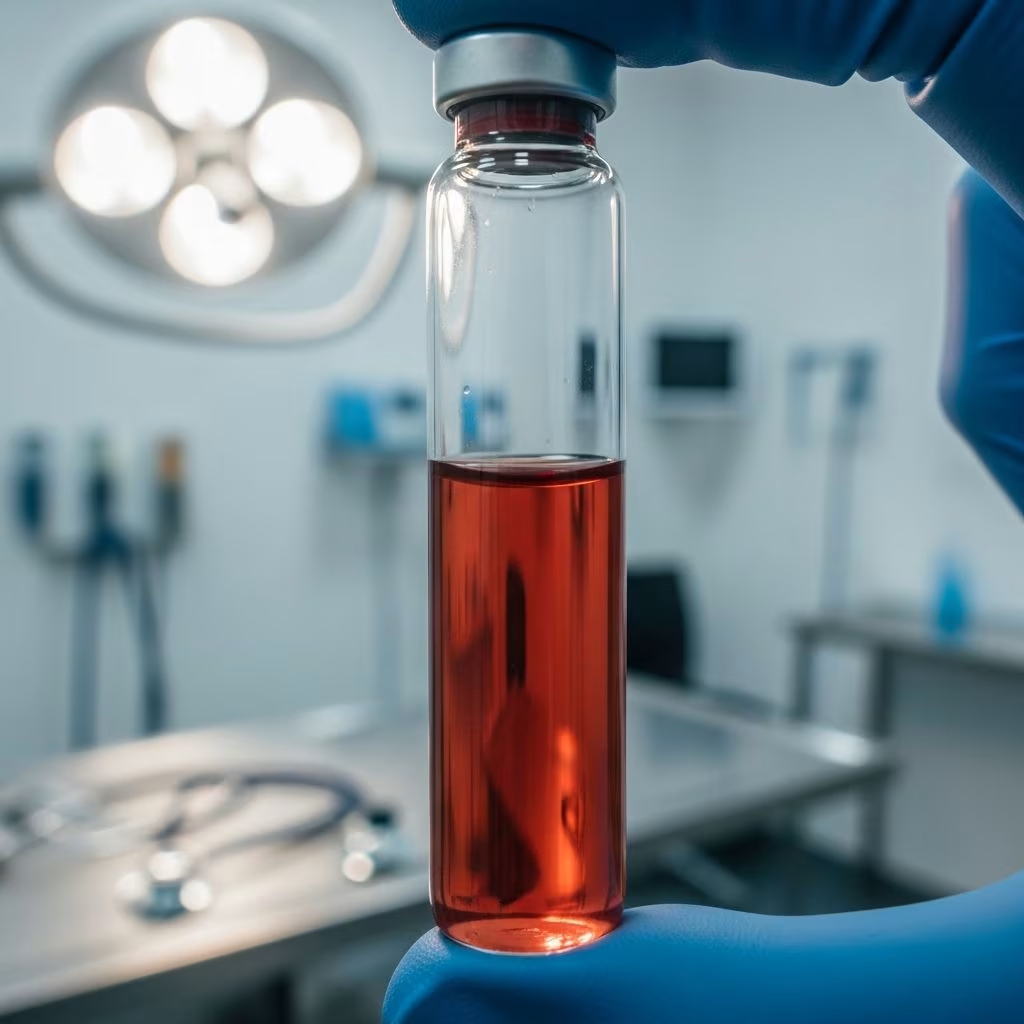
Blood in a dog’s urine, medically termed hematuria, indicates bleeding somewhere in the urinary system, ranging from kidneys to urethra. This alarming symptom often stems from treatable infections but can signal severe issues like tumors or clotting disorders, requiring prompt veterinary evaluation.
Understanding Hematuria in Dogs
Hematuria occurs when red blood cells enter the urine, changing its color to pink, red, or brown. It differs from myoglobinuria, where muscle breakdown mimics blood due to myoglobin release, often from trauma or heatstroke. Distinguishing these requires lab tests, as both demand immediate attention to prevent complications like kidney damage.
Primary Causes of Blood in Dog Urine
Several conditions contribute to this symptom. Here’s a breakdown of the most frequent culprits:
- Urinary Tract Infections (UTIs): Bacteria invade the bladder or urethra, causing inflammation and bleeding. Common in females due to shorter urethras, symptoms include frequent small urinations and straining.
- Bladder or Kidney Stones: Mineral crystals form stones that irritate tissues, leading to blood. Diet, genetics, or infections exacerbate this; small stones may pass, but larger ones block urine flow.
- Prostate Disorders in Males: Unneutered dogs face higher risks of enlargement, infection, or tumors, causing painful urination and hematuria.
- Kidney Infections or Diseases: Pyelonephritis or chronic conditions inflame kidneys, spilling blood into urine alongside lethargy and appetite loss.
Less Common but Serious Triggers
Beyond basics, other factors include:
- Cancers in bladder, kidneys, or prostate, more prevalent in seniors with weight loss or straining.
- Clotting disorders or thrombocytopenia, impairing blood coagulation, often breed-related or toxin-induced.
- Trauma from accidents or fights damaging urinary organs.
- Toxins like rat poison, onions, or acetaminophen disrupting clotting or causing hemolysis.
| Condition | Key Symptoms | Risk Factors |
|---|---|---|
| UTI | Frequent urination, licking genitals, foul odor | Females, diabetes, incontinence |
| Bladder Stones | Straining, small urine volumes, pain | Diet high in minerals, breeds like Dalmatians |
| Prostate Issues | Difficulty urinating, blood spotting | Unneutered males, older dogs |
| Cancer | Weight loss, lethargy, persistent blood | Age, genetics (e.g., Scottish Terriers) |
Recognizing Warning Signs
Observe these alongside discolored urine:
- Straining or whimpering during urination.
- Increased frequency or accidents indoors.
- Licking or rubbing genital area excessively.
- Lethargy, reduced appetite, or fever.
- Swelling around genitals or abdominal pain.
If your dog pees blood but acts normal, it might indicate early-stage issues like crystals, yet vet checks remain essential to rule out progression.
When to Seek Emergency Vet Care
Never delay: hematuria can lead to blockages, sepsis, or organ failure. Rush to an emergency clinic if straining persists without output, vomiting occurs, or collapse happens. Even mild cases warrant same-day visits for urinalysis and imaging.
Diagnostic Approaches
Vets start with:
- Urinalysis: Detects blood, bacteria, crystals; differentiates hematuria from myoglobinuria.
- Imaging: Ultrasound or X-rays reveal stones, tumors, or prostate enlargement.
- Blood Tests: Check kidney function, clotting, infections.
- Cystoscopy: Camera exam for bladder views in complex cases.
Early diagnosis improves outcomes, especially for cancers where staging guides therapy.
Treatment Options by Cause
Tailored plans address root issues:
- UTIs: Antibiotics for 10-14 days; follow-up cultures confirm clearance.
- Stones: Dietary dissolution for struvite; surgery (cystotomy) for others; pain relief.
- Prostate: Neutering shrinks benign hyperplasia; antibiotics or anti-inflammatories for infections.
- Cancer: Surgery, chemotherapy, or radiation; palliative care for advanced stages.
- Clotting Issues: Transfusions, vitamin K for rodenticides, or immunosuppressants.
Supportive care includes fluids for hydration and pain meds. Hospitalization aids severe dehydration.
Preventing Recurrence
Proactive steps reduce risks:
- Encourage water intake with fountains or wet food to dilute urine.
- Feed prescription diets low in stone-forming minerals.
- Neuter males to prevent prostate woes.
- Maintain hygiene; wipe females post-urination.
- Regular check-ups, especially for seniors or breeds prone to stones (e.g., Bulldogs).
Monitor for toxins: secure rodenticides, human meds, and grapes/onions.
Home Monitoring and Support
While awaiting vet, note urine frequency, color photos, behavior changes, and diet. Avoid OTC remedies—they can worsen issues. Hydration helps flush mild irritants but doesn’t substitute professional care.
FAQs
Is blood in dog urine always an emergency?
Not always, but treat as urgent. Simple UTIs respond to antibiotics, but blockages or cancer need immediate intervention.
Can diet cause bloody urine in dogs?
Yes, high-mineral foods promote stones; switch to vet-recommended kibble after diagnosis.
What if my dog pees blood once?
Collect a sample and consult a vet promptly. Isolated incidents might resolve, but evaluation prevents escalation.
How long can a dog live with untreated hematuria?
Varies; infections may self-limit, but stones or tumors shorten life via complications. Early treatment extends quality years.
Does neutering stop prostate-related bleeding?
Often yes for benign cases; it reduces gland size by 50-80%, minimizing recurrence.
Long-Term Outlook
Most dogs recover fully from infections or stones with care. Cancers have variable prognoses—transitional cell carcinoma survival averages 6-12 months post-treatment, per studies. Breeds like Shelties face higher kidney disease risks, underscoring genetic screening. Pet insurance eases financial burdens for diagnostics and surgeries, covering up to 90% in eligible plans.
Stay vigilant: annual urinalyses catch subclinical issues. Your attentiveness ensures your companion’s urinary health and vitality.
References
- What Would Cause Blood in Dog Urine — VO Vets. 2023. https://vovets.com/blog/what-would-cause-blood-in-dog-urine/
- Potential Reasons Your Dog is Peeing Blood — East Metro Animal Emergency Clinic. 2023. https://eastmetroemergency.com/articles/dog-is-peeing-blood
- Why is My Dog Peeing Blood and What Can I Do? — VEG ER for Pets. 2023. https://www.veg.com/post/blood-in-dog-urine
- Dog Peeing Blood: Urgent Symptoms & Immediate Steps — GSVS. 2023. https://gsvs.org/blog/dog-peeing-blood-urgent-care/
- What Does Blood in Dog Urine Mean? — American Kennel Club (AKC). 2024-01-15. https://www.akc.org/expert-advice/health/blood-in-dog-urine/
- Blood in Dog Urine: Causes, Treatment & Prevention — Purina. 2024. https://www.purina.com/articles/dog/health/symptoms/blood-in-dog-urine
- What to do if your dog is peeing blood — Vetster. 2024. https://vetster.com/en/wellness/what-to-do-if-your-dog-is-peeing-blood



