

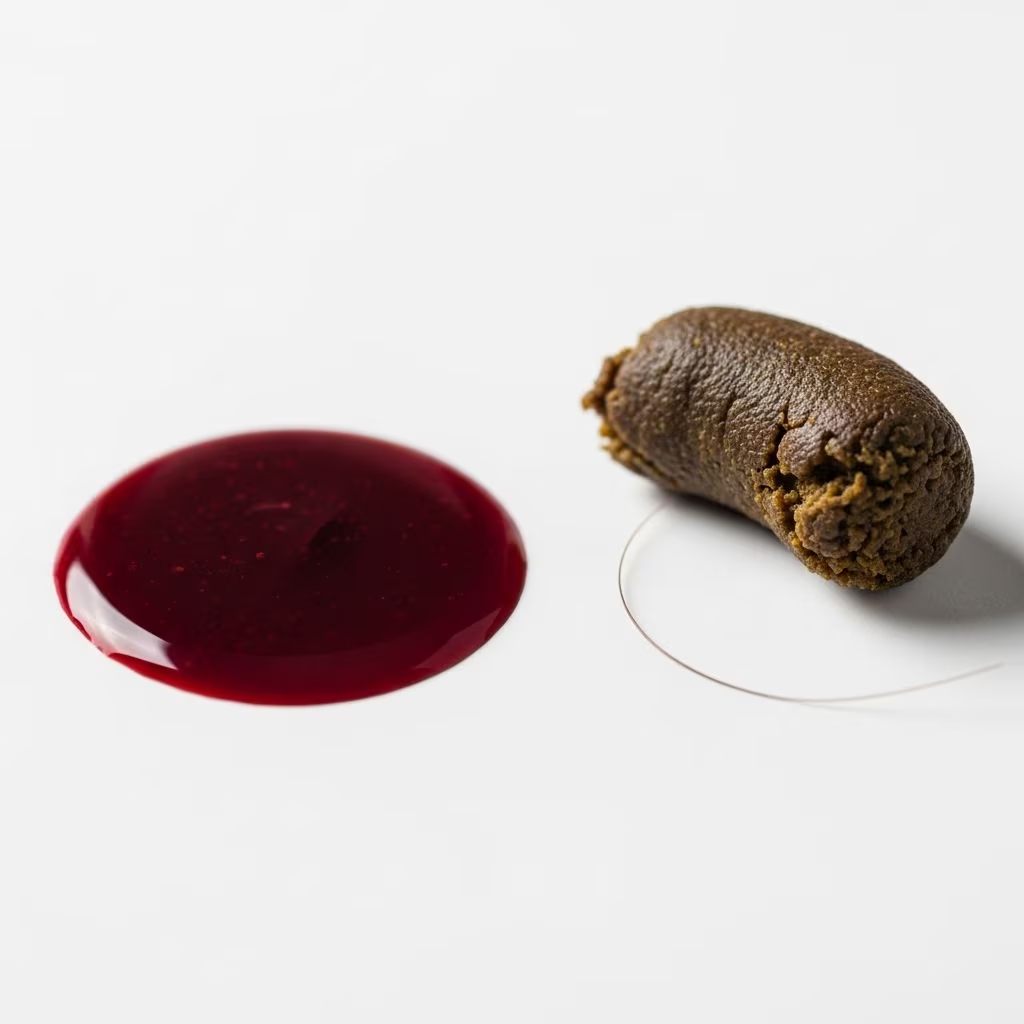
Discovering blood in your dog’s stool can trigger immediate concern and worry. This symptom, medically recognized as either hematochezia or melena depending on its characteristics, warrants careful attention and professional evaluation. Understanding what causes this condition and recognizing which situations demand urgent veterinary intervention can help you respond appropriately and protect your dog’s health.
Distinguishing Between Types of Intestinal Bleeding
The appearance of blood in your dog’s stool provides valuable diagnostic information. Veterinarians classify bleeding based on color and consistency, as these characteristics indicate where in the digestive system the bleeding originates.
Fresh Red Blood Appearance
When blood appears bright red and fresh in your dog’s stool, this presentation is called hematochezia. This type of bleeding originates from the lower digestive tract, including the colon, rectum, or anal region. Because the blood hasn’t traveled through the entire digestive process, it retains its bright coloration and appears relatively fresh when expelled. Dogs experiencing hematochezia often produce stools with a reddish tint, and blood may appear as streaks on the surface or mixed throughout more liquid waste.
Dark or Tarry Stool Appearance
When blood appears dark, tarry, or resembles coffee grounds in your dog’s stool, this is classified as melena. This presentation indicates bleeding from the upper digestive tract—the stomach or upper portions of the small intestine. The dark appearance results from the blood being partially digested as it passes through the gastrointestinal system. Melena typically signals a different set of underlying causes than hematochezia and may require different diagnostic approaches.
Primary Causes of Bloody Stools in Dogs
Dietary Factors and Gastrointestinal Upset
One of the most common reasons dogs experience blood in their stool involves dietary issues. Sudden changes to your dog’s food can irritate the digestive tract and trigger inflammation. Dogs with sensitive stomachs or those who have eaten something unsuitable—whether that’s human food, garbage, or non-food items—frequently develop bloody stools as their bodies attempt to process the irritant.
Dietary indiscretion, the technical term for a dog eating something it shouldn’t, can cause varying degrees of gastrointestinal upset. Minor cases might produce blood-streaked stools as a one-time occurrence, while more serious ingestions can result in significant intestinal inflammation or blockages requiring surgical intervention.
Infectious Agents and Pathogens
Infections represent another significant category of causes. These infections can be bacterial, viral, or parasitic in nature:
- Bacterial infections: Organisms like Salmonella, E. coli, and Campylobacter colonize the intestinal tract and cause inflammation, leading to bloody diarrhea.
- Viral infections: Canine parvovirus stands out as particularly dangerous, especially in unvaccinated puppies. This highly contagious virus causes severe bloody diarrhea alongside vomiting, fever, lethargy, and rapid dehydration.
- Parasitic infections: Internal parasites including hookworms and whipworms damage the intestinal lining, resulting in bleeding and bloody stools. Puppies and dogs with outdoor access face elevated parasitic infection risks.
Hemorrhagic Gastrointestinal Conditions
Acute hemorrhagic diarrhea syndrome (AHDS), also called hemorrhagic gastroenteritis (HGE), produces particularly alarming symptoms. This condition manifests with large quantities of bright red blood in the stool, sometimes appearing as though the dog is passing blood almost exclusively. More common in smaller dog breeds and toy breeds, AHDS can develop from bacterial infections, sudden dietary changes, food intolerances, stress, or anxiety. The condition develops rapidly and can cause dangerous dehydration within hours.
Inflammatory and Immune-Related Disorders
Various inflammatory conditions affect the digestive tract and produce bloody stools. Inflammatory bowel disease, colitis, and other conditions involving intestinal inflammation frequently result in blood-tinged or bloody feces. Additionally, immune-mediated diseases where the body’s immune system attacks its own tissues can trigger gastrointestinal bleeding and bloody stools.
Systemic Health Conditions
Conditions affecting other body systems can manifest as bloody stools. These include:
- Clotting disorders and bleeding diseases that prevent normal blood coagulation
- Toxin exposure, including rodenticide poisoning, which interferes with blood clotting mechanisms
- Kidney disease, which can affect multiple body systems including the gastrointestinal tract
- Pancreatitis, or inflammation of the pancreas, which often presents with gastrointestinal symptoms
- Cancer or tumors affecting the digestive tract
- Liver disease, which impacts digestion and blood clotting
- Addison’s disease and other hormonal disorders
Associated Symptoms and Warning Signs
Bloody stools rarely occur in isolation. Dogs experiencing this symptom typically display additional clinical signs that help veterinarians determine the underlying cause and severity:
- Diarrhea or changes in stool consistency
- Vomiting or repeated regurgitation
- Loss of appetite or decreased interest in food
- Lethargy, weakness, or decreased activity levels
- Pale or whitish gums indicating possible anemia or shock
- Straining during bowel movements
- Dehydration signs including excessive thirst or dry mucous membranes
- Fever or elevated body temperature
- Abdominal pain or sensitivity
- Restlessness or signs of discomfort
- Weight loss over time
- Depression or behavioral changes
The Critical Risk of Dehydration
One of the most serious complications accompanying bloody stools is rapid dehydration. When dogs experience bloody diarrhea combined with vomiting, they lose fluids at alarming rates. This fluid loss depletes not only water but also essential electrolytes—minerals crucial for nerve function, muscle contraction, and maintaining proper fluid balance throughout the body.
Dehydration develops particularly quickly in puppies and small breed dogs, potentially progressing to life-threatening complications within hours. The combination of bleeding, intestinal inflammation, and fluid loss creates a cascade of physiological stress that can overwhelm a young or small dog’s system. This is why prompt veterinary evaluation becomes essential whenever you observe blood in your dog’s stool accompanied by diarrhea, vomiting, or decreased fluid intake.
When to Seek Immediate Veterinary Attention
While a single streak of blood in otherwise normal stool might not indicate an emergency, certain presentations demand immediate professional evaluation:
- Recurring or persistent bloody stools over multiple days
- Large quantities of blood or stools that appear mostly blood
- Bloody stools accompanied by vomiting
- Signs of weakness, lethargy, or pale gums
- Decreased appetite or refusal to eat or drink
- Signs of abdominal pain or distress
- Fever or other systemic illness symptoms
- Difficulty breathing, which suggests a more serious systemic condition
- Any bloody stool in an unvaccinated or incompletely vaccinated puppy
Diagnostic Approach and Veterinary Evaluation
When you bring your dog to the veterinarian with concerns about bloody stools, expect a thorough evaluation. Your veterinarian will ask detailed questions about the onset of symptoms, their duration, any recent dietary changes, your dog’s vaccination status, and exposure to potential toxins or parasites. They will perform a physical examination, checking vital signs, abdominal sensitivity, and overall condition. Diagnostic tests may include fecal examination for parasites, blood work to assess organ function and clotting ability, and imaging studies if intestinal blockage or foreign body ingestion is suspected.
Treatment Approaches and Management Strategies
Treatment depends entirely on the underlying cause. Mild cases resulting from dietary indiscretion might resolve with dietary rest and bland food introduction. Infectious causes require appropriate antimicrobial therapy. Parasitic infections respond to antiparasitic medications. More serious conditions like parvovirus or foreign body obstruction may require hospitalization, intravenous fluid support, and sometimes surgical intervention.
Supportive care plays a crucial role in recovery. Maintaining hydration through fluid therapy, managing pain and inflammation, and providing appropriate nutrition all contribute to healing. Your veterinarian may recommend temporary dietary modifications, introducing bland foods gradually as your dog improves.
Prevention Strategies for Dog Owners
While not all causes of bloody stools are preventable, several proactive measures reduce risk:
- Ensure current vaccinations, particularly parvovirus protection
- Maintain regular parasite prevention through appropriate medications
- Avoid sudden dietary changes; transition new foods gradually over 7-10 days
- Prevent access to garbage, toxic plants, human medications, and inappropriate food items
- Monitor your dog for signs of stress and anxiety, providing appropriate mental stimulation and exercise
- Keep your dog away from potentially contaminated water sources
- Maintain good hygiene practices, particularly with puppies in multi-dog households
FAQ Section
Q: Is a single streak of blood in my dog’s stool always concerning?
A: A single streak of blood appearing one time may not indicate a serious problem, particularly if your dog shows no other symptoms. However, if this occurs repeatedly or is accompanied by other symptoms, veterinary evaluation is warranted.
Q: Can stress cause bloody stools in dogs?
A: Yes, stress and anxiety can trigger stress colitis, leading to inflammation and bloody stools. Dogs experiencing major life changes, boarding situations, or loud environments may develop this condition.
Q: How long does it typically take for a dog to recover from bloody stools?
A: Recovery time varies greatly depending on the underlying cause. Minor dietary issues may resolve in days, while infectious or inflammatory conditions may require weeks of treatment and recovery.
Q: Should I change my dog’s diet if they have bloody stools?
A: Diet modifications should only be made under veterinary guidance. Your veterinarian may recommend temporary bland food, but sudden diet changes can sometimes worsen the condition.
Q: Are certain dog breeds more susceptible to bloody stools?
A: Smaller breeds and toy breeds appear more prone to conditions like hemorrhagic gastroenteritis. Additionally, puppies are at higher risk for parvovirus if not properly vaccinated.
References
- Blood in Dog Poop: Signs, Symptoms and Treatment — American Kennel Club (AKC). 2025. https://www.akc.org/expert-advice/health/blood-in-dog-poop/
- Dog Pooping Blood: Common Causes and What To Do — PetMD. 2025. https://www.petmd.com/dog/symptoms/dog-pooping-blood
- Canine Parvovirus Infection — Cornell University College of Veterinary Medicine. https://www.vet.cornell.edu/
- Bloody Diarrhea in Dogs: Urgent Signs and What to Do Next — Garden State Veterinary Specialists. 2025. https://gsvs.org/blog/bloody-diarrhea-dogs-urgent-care/
- Blood in Dog Stool — Veterinary Emergency Group (VEG) ER for Pets. 2025. https://www.veg.com/post/blood-in-dog-stool
- Why is My Dog Pooping Blood and What Should I Do? — American Emergency & Critical Care Tulsa. 2025. https://aectulsa.com/blog/dog-pooping-blood/



