

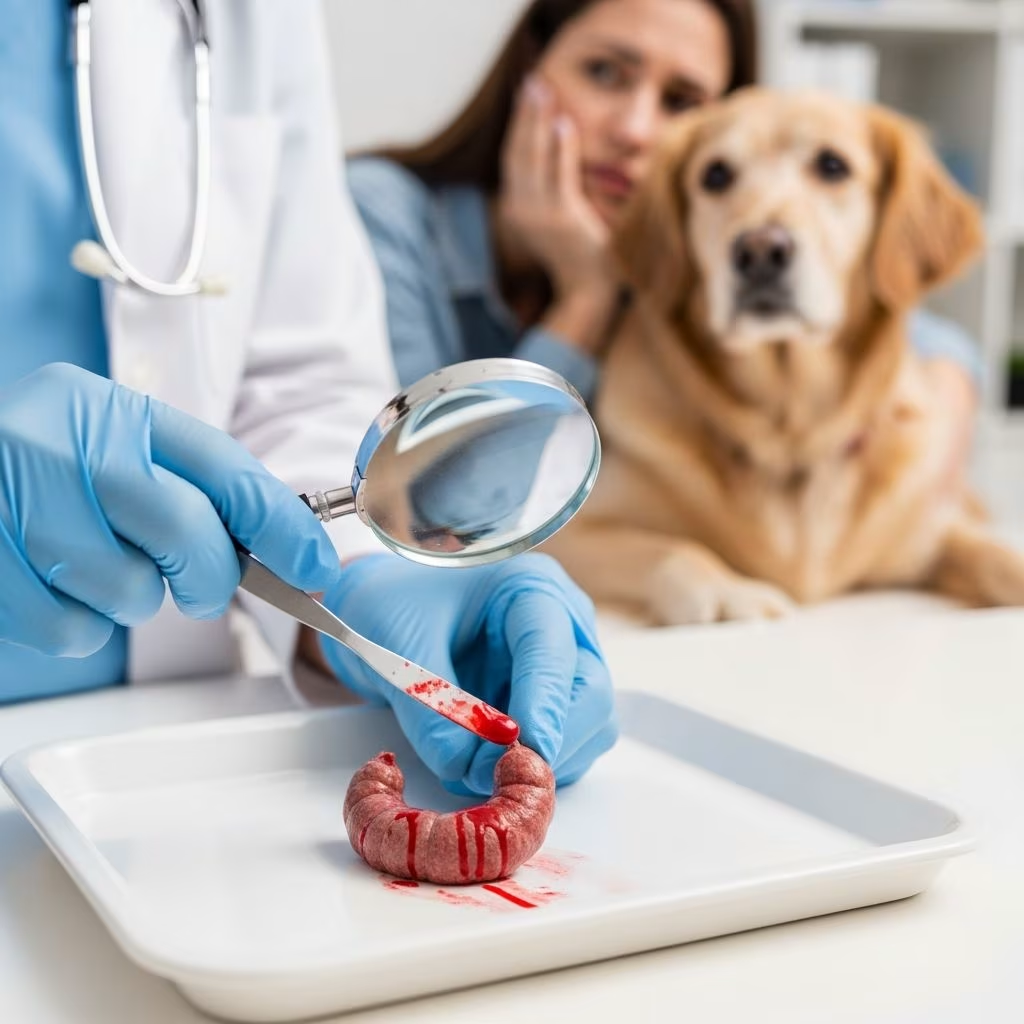
Discovering blood in your dog’s stool can be alarming for any pet owner. This symptom, known medically as hematochezia when bright red or melena when dark and tarry, indicates that something isn’t quite right with your canine companion’s digestive system. While some cases of bloody stools resolve on their own with minor intervention, others signal serious underlying health conditions that demand immediate veterinary attention. Understanding what causes this symptom, how to properly identify it, and when to seek professional help is essential knowledge for responsible pet ownership.
Identifying Blood in Your Dog’s Stool: What You’re Actually Seeing
Not all discoloration in dog stool indicates actual blood, and the appearance of the blood itself provides crucial diagnostic information. Pet owners must learn to distinguish between different presentations, as this helps veterinarians narrow down potential causes.
Bright Red Blood Presentation
Bright red or fresh-looking blood in your dog’s stool originates from the lower portion of the digestive tract. This includes the colon, rectum, or anus. When you observe bright red blood, it typically appears as streaks coating the outside of formed stool or mixed throughout loose, runny feces. This type of bleeding, called hematochezia, often accompanies diarrhea and may occur with increased frequency of bowel movements.
Dark Tarry or Black Stool
Darker, tar-like stools indicate digested blood that originated from the upper digestive tract, including the stomach or small intestine. This presentation, known as melena, means the blood has been partially broken down by stomach acid and digestive enzymes during its passage through the gastrointestinal system. Melena appears as dark, sticky, or coffee-ground-like material mixed throughout the stool.
Mixed or Mucus-Covered Blood
Sometimes blood appears alongside mucus, creating a jelly-like coating on otherwise normal stool. This presentation often indicates colitis, an inflammation of the lower bowel. Additionally, dogs may experience straining during bowel movements with minimal output, producing only blood and mucus.
Common Medical Causes of Bloody Stools
Numerous health conditions can trigger blood in your dog’s stool. The underlying cause determines the appropriate treatment and urgency of care.
Infections and Infectious Diseases
Bacterial, viral, and parasitic infections represent common culprits behind bloody stools in dogs. Parvovirus stands out as particularly dangerous, especially in puppies, potentially causing severe and life-threatening bloody diarrhea. Bacterial infections from organisms like Salmonella, E. coli, and Campylobacter can produce similar symptoms. Parasitic infections, including hookworms and whipworms, damage the intestinal lining and lead to internal bleeding visible in stool. These infections typically accompany other symptoms including vomiting, lethargy, reduced appetite, and dehydration.
Inflammatory Bowel Disease
Dogs can develop inflammatory bowel disease (IBD), a chronic condition involving persistent intestinal irritation and inflammation. This condition produces bloody diarrhea and is often accompanied by chronic loose stools and diminished appetite. While not immediately life-threatening, IBD requires veterinary diagnosis and management to prevent complications and improve quality of life.
Ingestion of Foreign Objects
Dogs are famous for eating items they shouldn’t. Bones, sticks, rocks, toy fragments, fabric, and other non-food items can traumatize the gastrointestinal tract, causing internal bleeding. This typically results in dark, tarry stools and may produce vomiting, abdominal pain, lethargy, and loss of appetite. The severity depends on the object’s size, shape, and whether it causes perforation or complete obstruction.
Dietary Issues and Changes
Sudden dietary transitions, food intolerances, and consumption of inappropriate foods can irritate the gastrointestinal tract. Some dogs experience adverse reactions to certain ingredients or cannot tolerate rapid diet changes. Additionally, stress can trigger stress-induced colitis in sensitive dogs, producing bloody diarrhea that typically resolves within a few days but may require treatment.
Gastrointestinal Ulcers
Open sores in the stomach lining can develop from various causes, with nonsteroidal anti-inflammatory medications (NSAIDs) and corticosteroids increasing the risk. Ulcers produce dark, tarry stools and may cause vomiting (sometimes with blood), weight loss, excessive drooling, lethargy, and fever. Dogs on long-term medication require monitoring for these potentially serious complications.
Hemorrhagic Gastroenteritis
Hemorrhagic gastroenteritis (HGE) represents a severe condition causing sudden, often dramatic bloody diarrhea. This condition, typically triggered by infectious agents, requires prompt veterinary intervention to manage fluid loss and prevent life-threatening complications.
Toxin and Poison Exposure
Toxic substances and rodenticide poisoning can produce bright red blood in stool as the body attempts to purge the poison. Rodenticide poisoning particularly affects blood clotting by inhibiting vitamin K1 activity, leading to internal bleeding from multiple sources. Dogs exposed to rodent bait or animals that consumed the bait may not show symptoms for one to two days, making early recognition and treatment critical.
Other Serious Conditions
Less common but serious causes include stomach or esophageal tumors, clotting disorders, pancreatitis, liver disease, kidney failure, Addison’s disease, and adverse medication reactions. Cancer can produce both types of bloody stool depending on tumor location. These conditions require comprehensive veterinary evaluation and often advanced diagnostics for proper identification.
Recognizing Emergency Warning Signs
While not all bloody stools constitute emergencies, certain accompanying symptoms demand immediate veterinary attention. Recognizing these warning signs could save your dog’s life.
- Lethargy or weakness: Extreme tiredness or inability to move normally suggests significant blood loss or serious systemic illness
- Pale gums: Gums appearing white or pale pink instead of normal salmon pink indicate insufficient red blood cells or poor circulation
- Vomiting: Particularly vomiting blood, suggests upper gastrointestinal bleeding or serious infection
- Refusing food or water: Loss of appetite accompanying bloody stool indicates systemic illness rather than minor digestive upset
- Difficulty with bowel movements: Straining to defecate with little output (tenesmus) can indicate obstruction or severe inflammation
- Unresponsiveness: Altered consciousness or inability to react normally suggests shock or severe toxicity
- Difficulty breathing: Respiratory distress accompanying bloody stool requires emergency care
- Blood in urine: Combined with stool bleeding suggests systemic coagulation problems
Any dog displaying these symptoms alongside bloody stool should be transported to a veterinary emergency facility immediately.
Understanding Dehydration and Electrolyte Loss
Bloody stools, especially when accompanied by diarrhea and vomiting, pose serious risks beyond the bleeding itself. Rapid fluid loss through loose stool can quickly lead to life-threatening dehydration, particularly in puppies and small breed dogs. The intestinal bleeding and inflammation cause loss of essential electrolytes—minerals critical for fluid balance, nerve function, and muscle contraction. When electrolyte imbalances develop alongside dehydration, complications worsen rapidly. Vomiting accelerates fluid depletion, creating a dangerous cascade of physiological problems. Dogs can deteriorate quickly, emphasizing why timely veterinary intervention prevents serious complications.
When to Contact Your Veterinarian
The threshold for veterinary contact depends on the severity, duration, and accompanying symptoms. A single episode of bright red blood coating otherwise normal stool in an otherwise healthy, energetic dog might warrant a call for advice rather than emergency treatment. However, several scenarios require prompt professional evaluation:
- Blood in stool persists for more than a few days
- Bloody diarrhea accompanies other symptoms like vomiting or appetite loss
- Your dog displays any emergency warning signs
- Your dog is a puppy, senior, or has pre-existing health conditions
- Your dog recently underwent dietary changes or ingested unknown substances
- Your dog is currently taking medications, especially NSAIDs or corticosteroids
- The bleeding appears to worsen or increase in frequency
When contacting your veterinarian, provide detailed information about stool appearance, frequency, other symptoms, dietary history, medication use, and any known ingestions or exposures. This information helps the veterinarian assess urgency and prepare appropriate diagnostics and treatments.
Diagnostic Process and Veterinary Examination
Veterinarians employ multiple diagnostic tools to identify the cause of bloody stools. The examination typically begins with a thorough history and physical examination. The veterinarian will assess your dog’s overall condition, palpate the abdomen for pain or abnormalities, and examine the anal area for visible abnormalities or trauma.
Fecal examination under a microscope helps identify parasites, blood cells, and inflammatory cells. Bacterial cultures may be performed if infection is suspected. Blood tests provide crucial information about red blood cell counts, white blood cell levels, clotting ability, organ function, and electrolyte balance. Abdominal imaging, including radiographs and ultrasound, helps visualize foreign objects, tumors, or organ abnormalities. In some cases, endoscopy allows direct visualization of the upper gastrointestinal tract, and colonoscopy visualizes the colon and rectum. These procedures may include tissue biopsies for definitive diagnosis of inflammatory or neoplastic conditions.
Treatment Approaches and Recovery
Treatment depends entirely on the identified cause. Minor cases from dietary indiscretion or mild colitis may resolve with dietary adjustments, temporary fasting, or bland diet introduction. Parasitic infections require appropriate antiparasitic medications selected based on the specific parasite identified. Bacterial infections may necessitate antibiotics, while viral infections typically require supportive care as antibiotics don’t address viruses.
Inflammatory bowel disease management involves dietary modification, sometimes immunosuppressive medications, and probiotics. Foreign body ingestion may require surgical removal if the object cannot pass naturally. Ulcers caused by NSAIDs improve after discontinuing the medication and receiving protective medications. Serious infections like parvovirus require intensive supportive care including intravenous fluids, electrolyte correction, and sometimes blood transfusions.
Regardless of cause, supportive care addressing dehydration and electrolyte imbalance is essential. Dogs recovering from bloody diarrhea need adequate hydration, appropriate nutrition, and monitoring for complications. Your veterinarian will provide specific post-treatment instructions and follow-up schedules to ensure complete recovery.
Prevention and Long-Term Management
While not all causes of bloody stool are preventable, several strategies reduce risk. Maintain consistent, high-quality nutrition and introduce any dietary changes gradually over seven to ten days. Prevent access to toxins, foreign objects, bones, and inappropriate foods. Keep your dog current on vaccinations, particularly parvovirus, and maintain regular deworming schedules according to your veterinarian’s recommendations. Monitor your dog’s stool regularly to establish normal appearance, making changes more noticeable. Use NSAIDs and corticosteroids only when necessary and at the lowest effective doses. Manage stress through appropriate exercise and environmental enrichment, particularly for sensitive dogs prone to stress-induced colitis.
Frequently Asked Questions
Is blood in dog stool always an emergency?
Not always. A small amount of bright red blood from straining or mild irritation may resolve without treatment. However, any dog showing accompanying symptoms like lethargy, vomiting, pale gums, or refusing food requires immediate veterinary attention. When in doubt, contact your veterinarian for guidance.
Can I treat bloody stool at home?
Minor cases may improve with dietary management under veterinary guidance, such as temporary fasting or bland diet introduction. However, home treatment without veterinary evaluation risks missing serious underlying conditions. Always consult your veterinarian before treating at home.
How long does recovery from bloody stool take?
Recovery time varies dramatically depending on the cause. Minor colitis may resolve within days. Parasitic infections typically improve within one to two weeks of appropriate treatment. Serious infections or surgical cases may require weeks to months for complete recovery.
Will my dog’s stool return to normal?
In most cases, yes. Once the underlying cause is treated, stool typically normalizes. Chronic conditions like inflammatory bowel disease require ongoing management but can achieve normal or near-normal stool with proper treatment.
Should I change my dog’s diet after bloody stool?
Follow your veterinarian’s specific dietary recommendations. Your veterinarian may suggest temporary bland diets, prescription digestive care diets, or limited ingredient diets depending on the diagnosis. Any dietary changes should be gradual to avoid further irritation.
References
- Blood in Dog Poop: Signs, Symptoms and Treatment — American Kennel Club. 2024. https://www.akc.org/expert-advice/health/blood-in-dog-poop/
- Dog Pooping Blood: Common Causes and What To Do — PetMD. 2024. https://www.petmd.com/dog/symptoms/dog-pooping-blood
- Why Is My Dog Pooping Blood? 15 Most Common Causes — CareCredit. 2024. https://www.carecredit.com/well-u/pet-care/why-dog-pooping-blood/
- Blood in dog poo — Blue Cross. 2024. https://www.bluecross.org.uk/advice/dog/health-and-injuries/blood-in-dog-poo
- Why is my dog pooping blood? — River Animal Hospital. 2024. https://www.raetc.com/site/blog/2024/04/15/dog-stool-blood
- Why is My Dog Pooping Blood — Laurel Veterinary Clinic. 2024. https://laurelpets.com/blog/why-is-my-dog-pooping-blood/
- Blood in Dog Stool — Veterinary Emergency Group. 2024. https://www.veg.com/post/blood-in-dog-stool



