

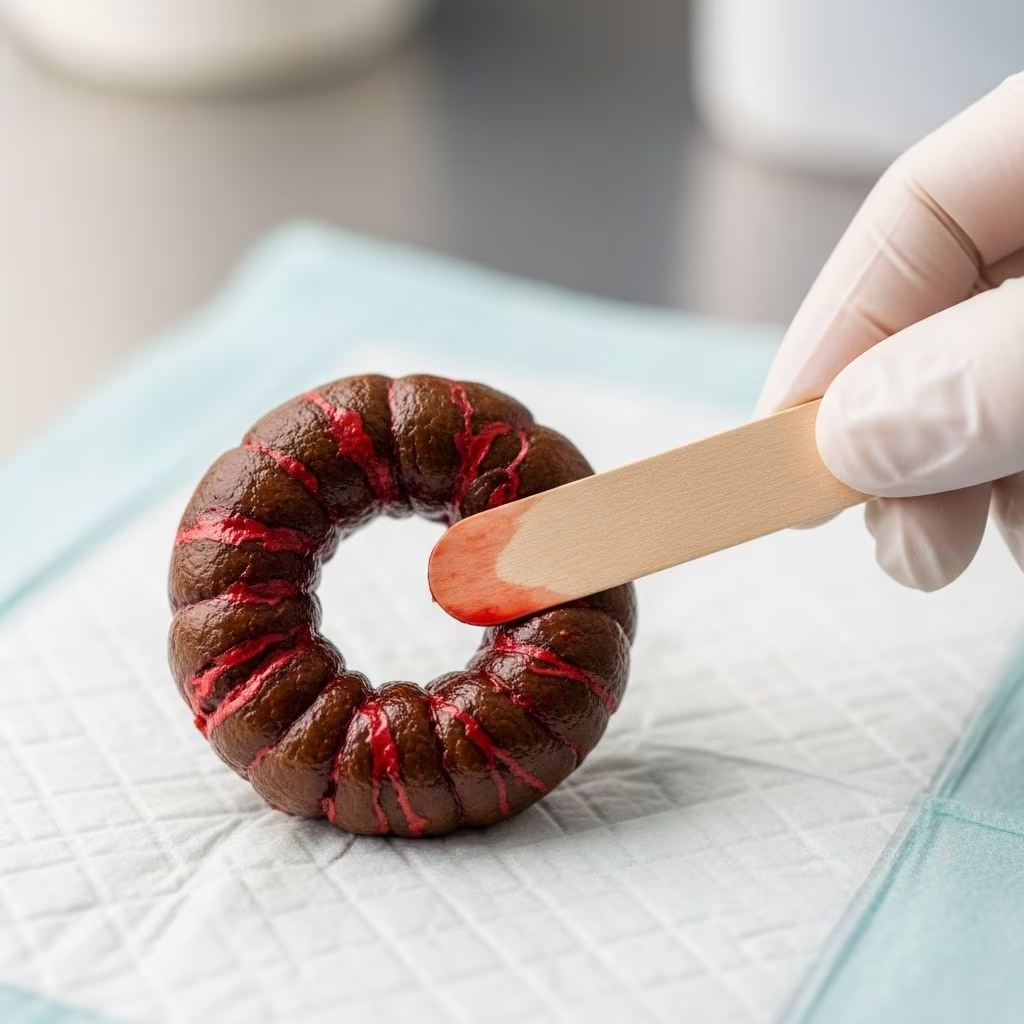
Blood appearing in a dog’s stool is a concerning sign that warrants immediate attention from pet owners. It can stem from benign irritations or signal life-threatening conditions, making quick identification crucial for effective intervention.
Recognizing the Types of Blood in Canine Stool
The appearance of blood provides initial clues about its origin within the digestive system. Two primary types exist: bright red blood known as hematochezia and dark, tarry blood called melena.
- Hematochezia: This fresh, bright red blood originates from the lower gastrointestinal tract, including the colon, rectum, or anus. It often coats the stool surface or mixes with diarrhea, appearing vivid due to minimal digestion.
- Melena: Dark, sticky, and resembling coffee grounds or tar, this indicates blood from the upper digestive tract like the stomach or small intestine. Digestive enzymes alter its color and texture, making it harder to spot amid dark foods.
To confirm, wipe stool on a paper towel; reddish residue suggests hematochezia, while black persistence points to melena.
Common Triggers for Bright Red Blood
Hematochezia frequently arises from issues in the lower bowel. Pet owners often notice it alongside loose stools or straining.
Parasitic Infestations
Intestinal parasites such as hookworms, whipworms, roundworms, and tapeworms latch onto the gut lining, causing bleeding. Protozoans like giardia and coccidia provoke inflammation leading to bloody diarrhea. These are prevalent in puppies and dogs in contaminated environments.
Colitis and Inflammatory Conditions
Colitis, an inflammation of the colon, results from stress, dietary shifts, or infections, producing mucus-covered stools with red blood. Chronic inflammatory bowel disease (IBD) involves immune-mediated damage, recurring with bloody output.
Anal Gland Problems and Trauma
Impacted or infected anal sacs leak blood during defecation. Physical trauma from rough play, ingested sharp objects, or constipation-induced straining also contributes.
| Cause | Symptoms | Common in |
|---|---|---|
| Parasites | Bloody diarrhea, weight loss | Puppies, outdoor dogs |
| Colitis | Frequent urging, mucus | Any age, stressed dogs |
| Anal Issues | Scooting, licking rear | Small breeds |
Sources of Dark, Tarry Stool
Melena signals upper GI disturbances where blood digests before passage. It demands urgent evaluation due to potential severity.
- Infections: Bacterial like salmonella, viral such as parvovirus, or parasites affect the stomach and small intestine. Parvovirus is devastating in unvaccinated pups.
- Ulcers and Clotting Disorders: Gastric ulcers from medications or stress erode the stomach lining. Von Willebrand’s disease impairs clotting, leading to persistent bleeding.
- Foreign Bodies and Toxins: Swallowed objects or poisons irritate upper tracts, causing hemorrhage.
Accompanying Symptoms Requiring Alertness
Isolated blood might resolve, but combined signs escalate urgency. Monitor for:
- Lethargy, weakness, or pale gums indicating blood loss.
- Vomiting, appetite loss, or dehydration from fluid imbalance.
- Fever, abdominal pain shown by hunching or guarding.
- Repeated bloody episodes or large blood volumes.
Puppies, seniors, or dogs with pre-existing conditions face higher risks.
When Blood in Stool Becomes an Emergency
Not all cases are dire, but certain scenarios necessitate immediate veterinary care.
- Critical Indicators: Profuse bleeding, black tarry stool with weakness, bloody diarrhea with vomiting, or sudden collapse.
- Hemorrhagic Gastroenteritis (HGE): Explosive bloody diarrhea from unknown triggers, often in small breeds, risking shock.
- Parvovirus or Toxins: Rapid deterioration with foul-smelling blood.
Even mild hematochezia merits a vet call within 24 hours; melena or symptoms combo requires same-day ER visit.
Diagnostic Approaches by Veterinarians
Vets start with history and fecal exam, progressing to tests.
- Fecal analysis for parasites and bacteria.
- Bloodwork assessing anemia, clotting, organ function.
- Imaging like X-rays or ultrasound for obstructions.
- Endoscopy or biopsy for chronic issues.
Early diagnostics pinpoint causes, preventing complications.
Immediate Home Management Before Vet Visit
While awaiting care:
- Withhold food 12-24 hours but provide water; bland diet (boiled chicken/rice) post-fast if mild.
- Prevent dehydration with electrolyte solutions.
- Collect stool sample in clean container.
- Avoid OTC meds; they can worsen bleeding.
These steps stabilize but never replace professional treatment.
Preventive Strategies for Healthy Digestion
Proactive measures reduce risks:
- Regular deworming and vaccinations per schedule.
- Consistent, high-quality diet; gradual changes.
- Routine anal gland checks and parasite preventives.
- Secure environment free of toxins/objects.
Annual wellness exams catch issues early.
Treatment Options Based on Diagnosis
Tailored therapies address root causes:
| Condition | Treatment |
|---|---|
| Parasites | Dewormers like fenbendazole |
| Colitis | Anti-inflammatories, diet change |
| HGE | IV fluids, antibiotics |
| Ulcers | Acid reducers, protectants |
Supportive care like fluids and probiotics aids recovery.
Frequently Asked Questions (FAQs)
What if I see just a few drops of blood?
Even small amounts suggest irritation; consult vet to rule out parasites or colitis.
Can diet alone fix bloody stool?
Temporary for mild cases, but persistent blood needs diagnostics.
Is blood in stool always from the gut?
Rarely from swallowed blood (injury), but GI origin predominates.
How long before seeing a vet for red blood?
Within 24 hours; sooner with other symptoms.
Can stress cause this?
Yes, triggering colitis or HGE in susceptible dogs.
References
- Blood in Dog Stool | Veterinary Emergency Group – VEG ER for Pets — VEG. 2023. https://www.veg.com/post/blood-in-dog-stool
- Dog Pooping Blood: Common Causes and What To Do – PetMD — PetMD. 2024. https://www.petmd.com/dog/symptoms/dog-pooping-blood
- Blood in Dog’s Stool: Is It an Emergency? | Nashua Vets — Animal Medical Center of New England. 2023-09-15. https://www.amcne.com/site/blog/2023/09/15/blood-dogs-stool–emergency
- Blood in Dog Poop: What to Know – American Kennel Club — AKC. 2024. https://www.akc.org/expert-advice/health/blood-in-dog-poop-stool/
- What happens if there’s blood in my dog’s stool? | Bellevue Vet — Sawtooth Animal Center. 2024-02-15. https://www.sawtoothanimalcenter.com/site/blog/2024/02/15/blood-dog-stool
- Bloody Stool in Dogs: Emergency Signs and Urgent Steps to Take — GSVS. 2024. https://gsvs.org/blog/bloody-stool-dogs-immediate-care/



