

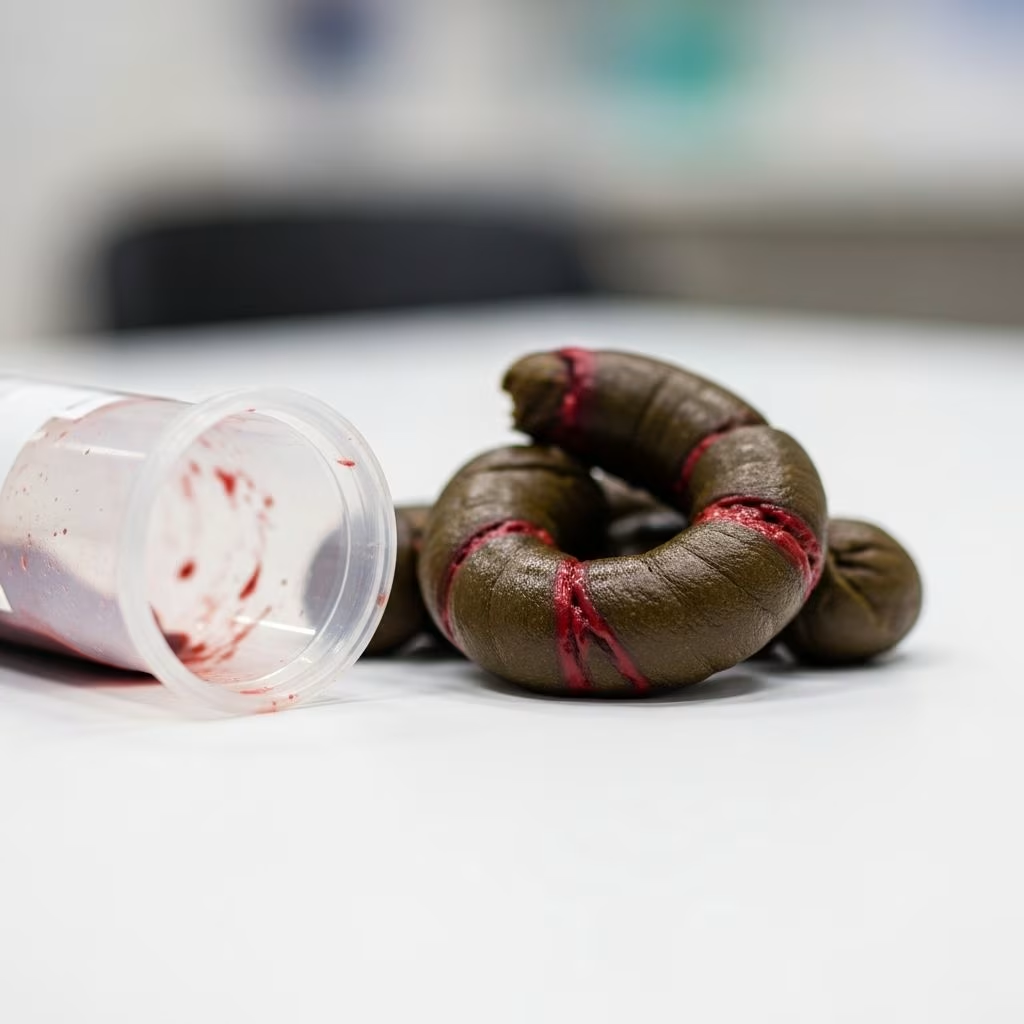
Blood appearing in a dog’s stool is a concerning sign that warrants prompt attention from pet owners. It can indicate issues from mild irritation to life-threatening conditions affecting the gastrointestinal tract. Understanding the differences between fresh red blood and dark, tarry stools helps in assessing urgency.
Recognizing the Types of Blood in Stool
Dogs can exhibit two primary types of bloody stool, each pointing to different parts of the digestive system. **Hematochezia** features bright red blood, often mixed with or coating the stool, originating from the lower digestive tract like the colon, rectum, or anus. This fresh blood suggests problems such as inflammation or minor injuries in those areas. In contrast, **melena** appears as black, sticky, tarry material due to digested blood from the upper gastrointestinal tract, including the stomach or small intestine. The dark color results from blood being broken down by digestive enzymes, making it harder to spot amid dark foods, but a paper towel test can confirm by revealing reddish residue.
These distinctions are crucial: hematochezia often accompanies diarrhea with increased frequency and volume, sometimes with mucus, while melena signals upper GI issues that may require immediate intervention.
Common Causes Behind Bloody Stools
Several factors can lead to blood in a dog’s poop, categorized by the type of issue. Here’s a breakdown:
- Parasitic Infections: Worms like hookworms, whipworms, roundworms, and tapeworms damage intestinal walls, causing bleeding. Protozoa such as giardia or coccidia also irritate the gut.
- Bacterial and Viral Pathogens: Salmonella, E. coli, Campylobacter, and parvovirus inflame the intestines, leading to bloody diarrhea, especially severe in puppies.
- Dietary Issues: Sudden food changes, eating spoiled items, or intolerances provoke irritation. Ingesting non-food objects like toys, rocks, or fabric can tear the GI tract.
- Colitis and Inflammatory Conditions: Inflammation of the colon (colitis) or chronic inflammatory bowel disease (IBD) results in frequent bloody stools with mucus.
These causes often overlap, with infections being highly contagious and potentially zoonotic.
Serious and Less Common Triggers
Beyond everyday culprits, graver conditions demand swift veterinary care. **Poisoning** from toxins, plants, or chemicals can cause ulcers or hemorrhaging, accompanied by vomiting and lethargy. **Clotting Disorders**, like von Willebrand’s Disease, prevent proper blood coagulation, leading to internal bleeding. **Trauma** from bones, foreign bodies, or injuries, **tumors/polyps**, and **anal gland problems** (infections or impactions) also contribute.
| Condition | Blood Type | Associated Symptoms |
|---|---|---|
| Parvovirus | Hematochezia/Melena | Lethargy, vomiting, severe dehydration |
| IBD | Hematochezia | Chronic diarrhea, weight loss |
| Stomach Ulcers | Melena | Vomiting blood, abdominal pain |
| Anal Sac Issues | Hematochezia | Scooting, pain during defecation |
This table summarizes key differences for quick reference.
Accompanying Symptoms That Signal Urgency
Isolated small amounts of blood might stem from minor colitis, but combined symptoms elevate concern. Watch for vomiting, lethargy, appetite loss, fever, dehydration (dry gums, sunken eyes), pale gums, or abdominal bloating. Puppies, seniors, or dogs with pre-existing conditions face higher risks from infections like parvo. Multiple episodes or large blood volumes classify as emergencies.
Steps to Take When You Spot Blood
- Observe and Document: Note blood color/amount, stool consistency, frequency, and other symptoms. Take photos or videos for the vet.
- Prevent Dehydration: Offer small amounts of water; avoid food temporarily unless advised.
- Isolate if Infectious: Especially with puppies or unvaccinated dogs to curb spread.
- Contact Vet Promptly: Call immediately for melena, profuse bleeding, or systemic signs. Seek emergency care after hours.
Do not administer human medications, as they can worsen issues.
Veterinary Diagnosis Process
Vets start with a history and physical exam, checking for pain, hydration, and anal glands. Diagnostics include:
- Fecal analysis for parasites/pathogens.
- Blood tests for infections, clotting, or organ function.
- Imaging (X-rays, ultrasound) for obstructions/tumors.
- Endoscopy or biopsy for chronic cases.
These pinpoint the cause efficiently.
Treatment Options Based on Cause
Tailored therapies address root problems:
- Infections/Parasites: Antiparasitics (e.g., fenbendazole), antibiotics, or antivirals/supportive care for parvo.
- Inflammation: Anti-inflammatories, probiotics, bland diets (rice/chicken).
- Foreign Bodies: Surgery or endoscopy removal.
- Clotting/Tumors: Specialized meds or oncology referral.
Hospitalization with IV fluids may be needed for severe dehydration.
Preventing Future Episodes
Proactive measures reduce risks:
- Follow vaccination/deworming schedules.
- Introduce diet changes gradually.
- Supervise to prevent scavenging.
- Maintain regular vet check-ups and fecal exams.
- Ensure safe chew toys and avoid cooked bones.
These habits promote long-term GI health.
Frequently Asked Questions (FAQs)
Is blood in dog stool always an emergency?
No, small amounts of bright red blood with no other symptoms might resolve with minor care, but consult a vet to rule out issues.
How can I tell if it’s melena or hematochezia?
Bright red on stool surface is hematochezia (lower GI); black/tarry is melena (upper GI). Wipe on paper towel to check.
Can parasites cause bloody poop in adult dogs?
Yes, hookworms and whipworms commonly affect adults, causing irritation and bleeding.
What home remedies help mild cases?
A 24-hour fast followed by bland food, but only under vet guidance. Probiotics may soothe, but never delay professional advice.
Does bloody stool mean cancer?
Not always, but tumors/polyps can cause it, especially in older dogs. Early vet evaluation is key.
References
- Blood in Dog’s Stool: Is It an Emergency? — Brookfield Pet Hospital. 2024-08-31. https://www.brookfieldpethospital.com/site/blog/2024/08/31/blood-stool-dogs
- Why Is There Blood in My Dog’s Poop? — Sunset Animal Hospital. N/A. https://sunsetanytime.com/blog/why-is-there-blood-in-my-dogs-poop/
- Blood in Dog Stool — Veterinary Emergency Group. N/A. https://www.veg.com/post/blood-in-dog-stool
- Blood in Dog’s Stool: Is It an Emergency? — Animal Medical Center of New England. 2023-09-15. https://www.amcne.com/site/blog/2023/09/15/blood-dogs-stool–emergency
- Blood in Dog Poop: What to Know — American Kennel Club. N/A. https://www.akc.org/expert-advice/health/blood-in-dog-poop-stool/
- Why is My Dog Pooping Blood — Laurel Veterinary Clinic. N/A. https://laurelpets.com/blog/why-is-my-dog-pooping-blood/
- Dog Pooping Blood: Common Causes and What To Do — PetMD. N/A. https://www.petmd.com/dog/symptoms/dog-pooping-blood



