

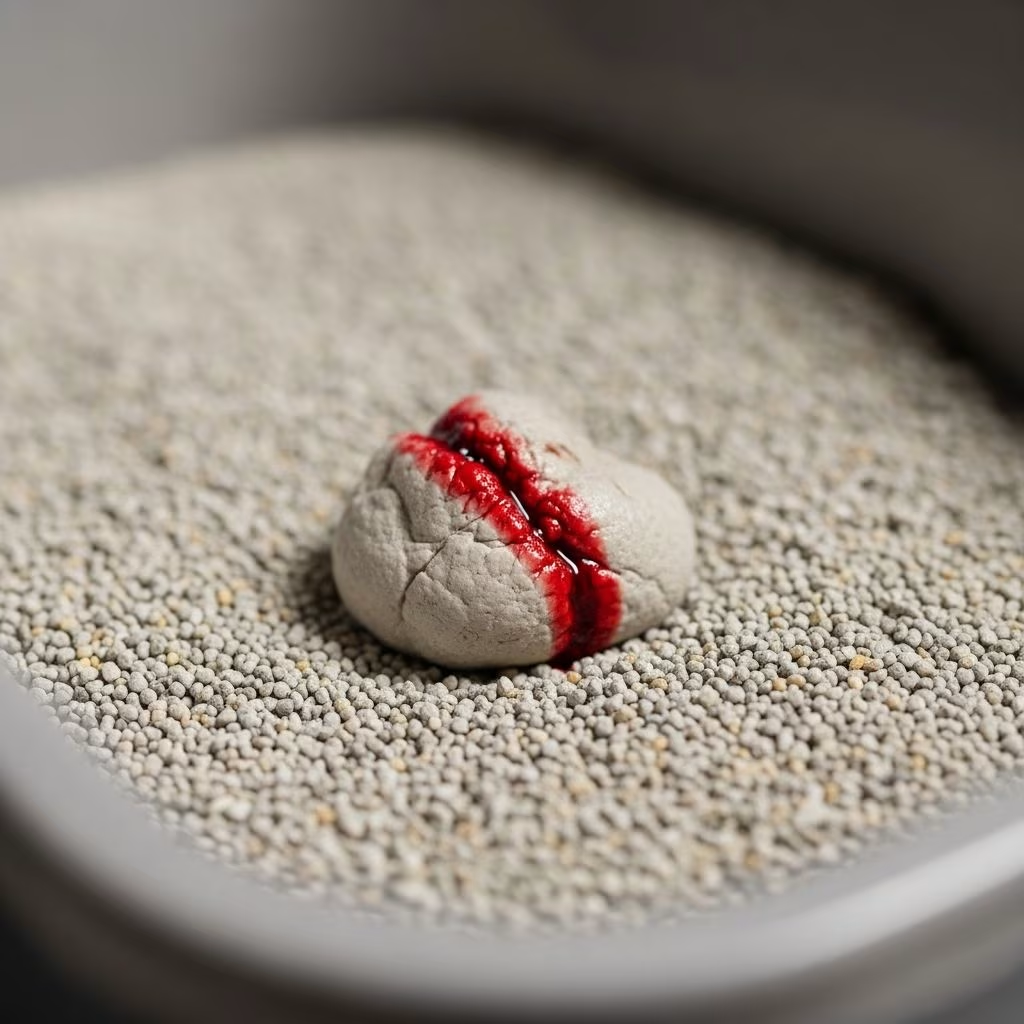
Blood in your cat’s stool is alarming but can range from benign issues like constipation to serious conditions like tumors or organ dysfunction. Identifying the type—bright red (hematochezia) from the lower GI tract or black tarry (melena) from upper GI—helps pinpoint causes, with veterinary diagnosis essential for proper treatment.
What Does Blood in Cat Stool Look Like?
Healthy cat stool is firm, brown, and easy to pass. Blood alters this: bright red streaks or drops indicate fresh bleeding from the colon, rectum, or anus (hematochezia), often with mucus or diarrhea. Black, tarry, sticky stools (melena) mean digested blood from the stomach or small intestine. Clots resemble jelly, signaling lower GI issues; volume varies from spots to dominating the stool. Diarrhea with blood suggests irritation; hard stools point to straining.
11 Common Causes of Blood in Cat Stool
Several factors cause GI bleeding in cats. Here’s a breakdown:
- Constipation: Straining ruptures anal blood vessels, causing bright red blood on hard stools. Prevent with high-fiber diets and hydration.
- Diarrhea/Colitis: Inflammation of the colon from stress, infection, or diet leads to bloody mucus-filled loose stools. Stress colitis is common after changes.
- Parasites: Hookworms, tapeworms, roundworms, or Giardia damage intestinal lining, causing bleeding, diarrhea, and malnutrition, especially in kittens.
- Infections: Bacterial, viral, or fungal pathogens inflame the GI tract, producing bloody diarrhea.
- Anal Gland Problems: Impacted or infected glands near the anus bleed during defecation.
- Stress: Triggers colitis, with fresh blood in stool from colon inflammation.
- IBD (Inflammatory Bowel Disease): Chronic inflammation causes bloody stools, vomiting, weight loss; linked to allergies or dysbiosis.
- Polyps/Tumors: Benign or malignant growths ulcerate, leading to bleeding; more common in older cats.
- Toxins/Medications: Irritants cause upper or lower GI bleeding, often melena.
- Trauma/Foreign Objects: Swallowed items or injuries damage the tract.
- Organ Issues: Liver/kidney disease manifests as bloody stools.
Blood in Cat Diarrhea
Bright red blood in diarrhea often stems from large intestine damage due to rapid transit irritating vessels. Colitis or IBS from stress/diet changes causes frequent, urgent bloody loose stools, sometimes with vomiting. Persistent cases need vet evaluation to rule out infections or IBD.
When to See a Vet for Blood in Cat Stool
Any blood warrants a vet visit, but seek emergency care for: melena, large blood volume, clots, lethargy, vomiting, dehydration, pale gums, or persistent symptoms. Kittens, seniors, or multi-cat households risk rapid decline from parasites/infections. Delaying can worsen dehydration or allow spread.
| Symptom | Urgency | Possible Cause |
|---|---|---|
| Bright red streaks on firm stool | Soon (1-2 days) | Constipation, anal glands |
| Bloody diarrhea + mucus | Immediate | Colitis, parasites |
| Black tarry stool | Emergency | Ulcers, tumors |
| Lethargy + blood | Emergency | Organ failure, infection |
How Do Vets Diagnose Blood in Cat Stool?
Vets start with history and exam, noting stool color/consistency. Fecal tests detect parasites; bloodwork checks anemia/infection. Imaging (X-rays/ultrasound) reveals masses/obstructions; endoscopy/biopsy confirms IBD/tumors.
Treatment for Blood in Cat Stool
Treatment targets causes:
- Parasites: Dewormers like fenbendazole.
- Colitis: Antibiotics, anti-inflammatories, diet change.
- Constipation: Laxatives, enemas, fiber.
- IBD: Steroids, hypoallergenic food.
- Tumors: Surgery/chemo.
Supportive care includes fluids, probiotics. Follow-up monitors resolution.
How to Prevent Blood in Cat Stool
- Regular deworming/fecal checks, especially kittens.
- High-quality, consistent diet; gradual changes.
- Plenty of water/fountains for hydration.
- Stress reduction: routines, pheromones.
- Annual vet exams for early detection.
FAQs
Is blood in cat stool an emergency?
Yes if melena, heavy bleeding, or with lethargy/vomiting—see vet ASAP. Minor hematochezia may wait 24 hours if cat is eating.
What does bright red blood in cat poop mean?
Fresh bleeding from lower GI (colon/rectum/anus), often constipation, colitis, or parasites.
Can stress cause blood in cat stool?
Yes, stress colitis inflames the colon, causing bloody diarrhea.
How do you treat blood in cat stool at home?
Don’t—vet diagnosis first. Hydrate and monitor, but no home remedies without guidance.
Why is my cat’s poop black and tarry?
Melena from digested upper GI blood (ulcers, toxins); emergency.
References
- Why Is There Blood in Your Cat’s Stool? — Penny Paws. 2023. https://pennypaws.com/blog/why-is-there-blood-in-your-cats-stool/
- Blood in Cat Stool — PetMD. 2024-05-15. https://www.petmd.com/cat/symptoms/blood-cat-stool
- 5 Reasons Why There’s Blood in Your Cat’s Poop — PetCareRx. 2023-11-20. https://www.petcarerx.com/article/5-reasons-why-theres-blood-in-your-cats-poop/6746
- Blood in Cat Stool: Meaning, Main Causes, and How to Help — Noble Vet Clinic. 2024. https://noblevetclinic.com/blog/blood-in-cat-stool
- Blood in Cat Stool: 11 Common Causes — Great Pet Care. 2024-02-10. https://www.greatpetcare.com/cat-health/blood-in-cat-stool/



