

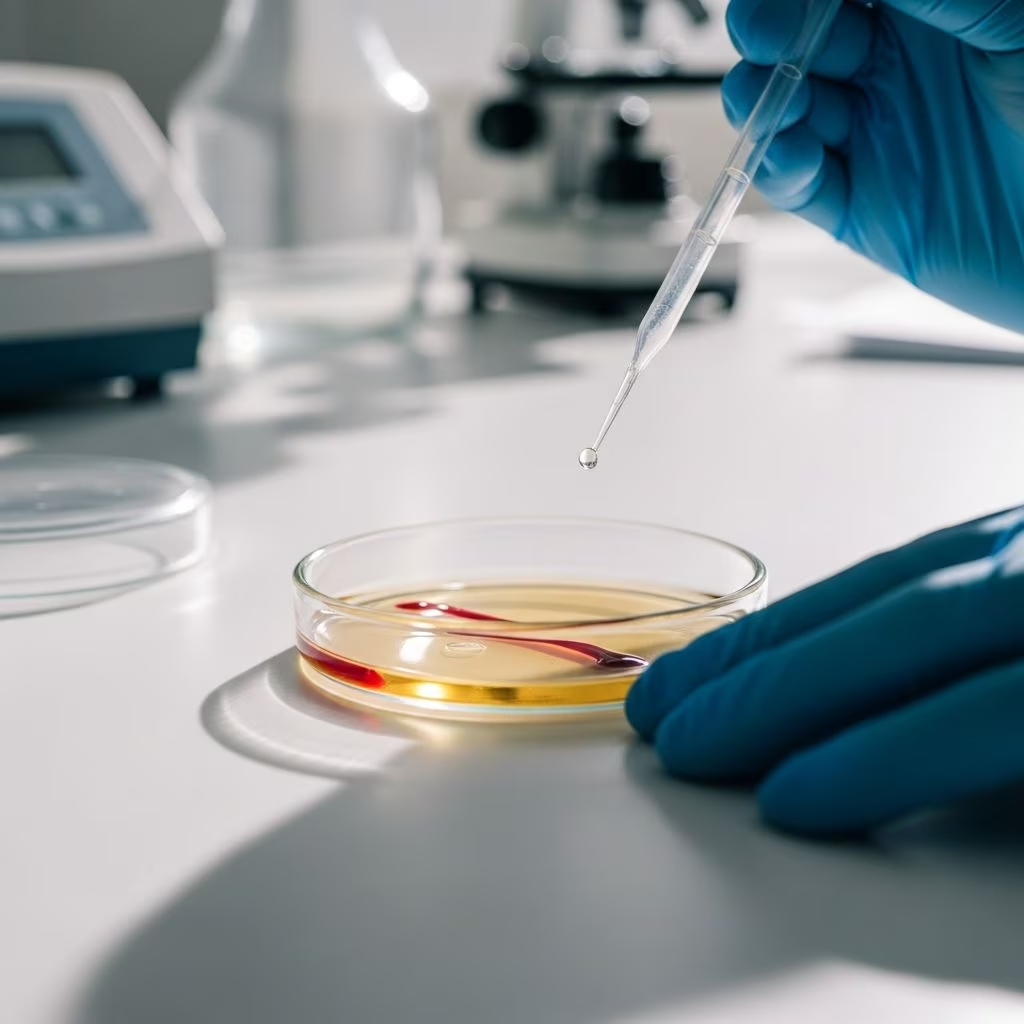
Blood in a cat’s urine, medically termed hematuria, indicates potential problems in the urinary system ranging from mild irritation to life-threatening blockages. Cat owners often spot pink, red, or brown-tinged urine in the litter box, prompting immediate concern. Prompt recognition and veterinary intervention are crucial, as conditions like urinary obstructions can escalate rapidly in felines.
Recognizing the Signs of Hematuria in Cats
Normal cat urine appears pale yellow with a mild ammonia scent. Deviations such as bright red streaks, clots, foam, or dark discoloration warrant attention. Visible blood may appear gross (naked eye detectable) or microscopic, requiring lab tests for confirmation.
- Frequent litter box visits: Cats strain or cry out while urinating due to discomfort.
- Accidents outside the box: Pain leads to inappropriate elimination.
- Licking genital area: Excessive grooming signals irritation.
- Behavioral changes: Lethargy, reduced appetite, or hiding.
- Complete inability to urinate: An emergency, especially in males, indicating blockage.
These symptoms often accompany feline lower urinary tract disease (FLUTD), affecting up to 3% of cats annually. Female cats in heat may show similar signs, but persistent issues demand professional evaluation.
Primary Causes Behind Blood in Cat Urine
Hematuria originates from the upper urinary tract (kidneys, ureters) or lower (bladder, urethra). Multiple factors contribute, with inflammation being most prevalent.
Feline Idiopathic Cystitis (FIC) and Stress Factors
The leading cause, FIC involves bladder inflammation without identifiable infection. Stress triggers flares, including household changes, new pets, or environmental shifts. Indoor cats face higher risks due to limited space and routine disruptions. Symptoms mimic infections but resolve with stress reduction.
Urinary Tract Infections (UTIs)
Less common in young cats, UTIs rise in seniors, particularly females due to shorter urethras. Bacteria ascend from the bladder, causing inflammation and bleeding. Recent diarrhea or diet changes predispose cats.
Bladder Stones and Crystals (Uroliths)
Mineral deposits form crystals that aggregate into stones, scraping the bladder lining. Diet, urine pH imbalances, or infections contribute. Struvite and calcium oxalate types predominate, potentially blocking the urethra—a fatal emergency in male cats.
| Type | Composition | Risk Factors |
|---|---|---|
| Struvite | Magnesium ammonium phosphate | Alkaline urine, infections |
| Calcium Oxalate | Calcium oxalate | Acidic urine, obesity |
| Urate | Uric acid | Liver disease, breed predisposition |
Kidney and Upper Tract Issues
Polycystic kidney disease, trauma, or pyelonephritis (kidney infection) bleed into urine. Renal lymphoma, common in older cats, presents similarly. Genetic malformations affect kittens.
Rarer Culprits: Tumors, Trauma, and Clotting Disorders
Bladder cancer or polyps cause chronic bleeding. Trauma from falls or fights, chemotherapy side effects, or rat poison ingestion lead to coagulopathies. Vasculitis or estrus in unspayed females also factor in.
When Blood in Urine Becomes an Emergency
Not all hematuria requires rushing to the ER, but certain signs demand immediate action:
- No urine production after straining (urethral obstruction).
- Vomiting, collapse, or pale gums (toxin or shock).
- Blood from multiple sites (clotting crisis).
Male cats’ narrow urethras heighten blockage risks, potentially fatal within 24-48 hours without treatment. Contact a vet or clinic after hours if symptoms intensify.
Diagnostic Approaches for Feline Hematuria
Vets start with history and physical exams, noting age, diet, and stressors. Key tests include:
- Urinalysis: Detects blood, bacteria, crystals, pH.
- Urine culture: Identifies pathogens.
- Bloodwork: Checks kidney function, clotting.
- Imaging: X-rays or ultrasound reveal stones, masses.
These pinpoint causes, guiding therapy.
Treatment Strategies Tailored to the Cause
Management varies by diagnosis:
Conservative Care for FIC
Stress mitigation via pheromone diffusers, diet transitions to urinary formulas, increased water intake (fountains, wet food), and environmental enrichment. Pain meds and anti-anxiety drugs aid recovery.
Addressing Infections and Stones
Antibiotics target UTIs; stone dissolution uses prescription diets, or surgery removes persistent ones. Urethral flushing clears blockages under anesthesia.
Advanced Interventions
Oncologist referral for tumors; supportive care for kidney disease. Clotting issues may need vitamin K or transfusions.
Follow-up monitors recurrence, common in FLUTD (up to 50% relapse).
Preventive Measures for Urinary Health
Proactive steps reduce risks:
- Diet optimization: Urinary health kibble maintains pH balance.
- Hydration promotion: Multiple water sources, flavor additives.
- Litter box management: One box per cat plus one, scooped daily, in quiet spots.
- Weight control: Obesity exacerbates issues.
- Stress minimization: Play therapy, stable routines, spaying/neutering.
- Regular check-ups: Annual exams catch early signs.
These habits foster resilience against common triggers.
FAQs on Blood in Cat Urine
Q: Is blood in cat urine always serious?
A: Not always, but it signals underlying issues needing vet assessment to rule out emergencies.
Q: Can home remedies fix it?
A: No—avoid cranberries or unguided diets; professional diagnosis is essential.
Q: Why males more affected?
A: Narrower urethra promotes blockages from stones or swelling.
Q: How long before vet visit?
A: Immediately for straining/no urine; within 24 hours otherwise.
Q: Does wet food help prevent this?
A: Yes, boosts moisture intake, diluting urine and reducing crystal formation.
Long-Term Outlook and Monitoring
With treatment, most cats recover fully, though FIC may recur. Track litter habits, urine color, and behavior post-care. Early intervention preserves kidney function and quality of life. Consult vets for tailored plans, ensuring your cat thrives.
References
- Does Your Cat Have Blood in its Urine? 5 Reasons Why and When It Is an Emergency — Properties Animal Clinic. Accessed 2026. https://propertiesanimalclinic.com/does-your-cat-have-blood-in-its-urine-5-reasons-why-and-when-it-is-an-emergency/
- Blood in Your Cat’s Urine | 4 Possible Causes — CC Animal Clinic. Accessed 2026. https://ccanimalclinic.com/news/blood-in-cats-urine
- Blood in Cat Urine | Hematuria in Cats — PetMD. Accessed 2026. https://www.petmd.com/cat/symptom/blood-in-cat-urine
- What To Do About Blood In Cat Urine — Honnas Veterinary. Accessed 2026. https://honnasvet.com/blood-in-cat-urine/
- Blood in Urine in Cats – Causes, Treatment and Associated Symptoms — Vetster. Accessed 2026. https://vetster.com/en/symptoms/cat/blood-in-urine-in-cats
- Cat Peeing Blood: How to Tell If It’s an Emergency — GSVS. Accessed 2026. https://gsvs.org/blog/cat-peeing-blood-emergency/



