
Blood in Cat Stool: Causes, Symptoms & When to See a Vet
Understanding blood in your cat's stool: causes, symptoms, and when veterinary care is needed.
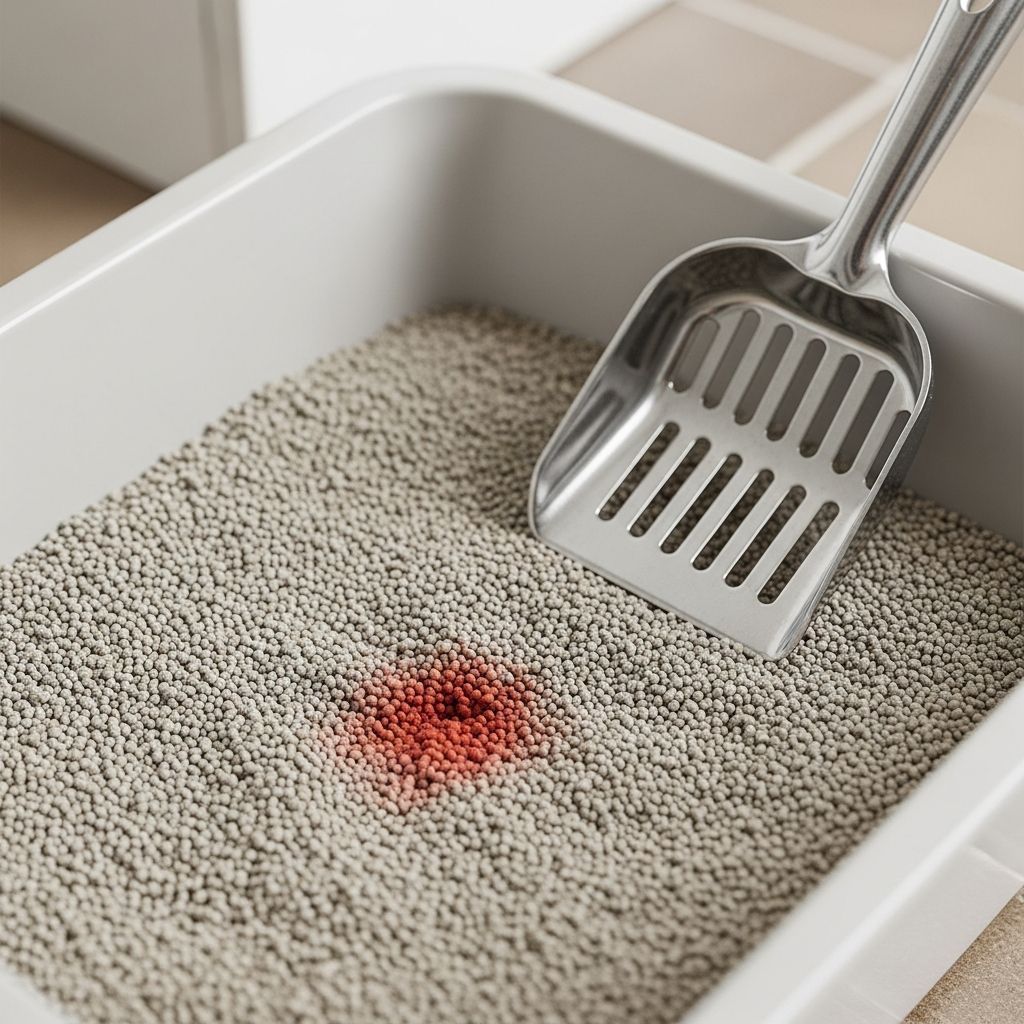
Understanding Blood in Cat Stool
Discovering blood in your cat’s stool can be alarming for any pet owner. While some causes are minor and easily treatable, others may indicate more serious health concerns that require immediate veterinary attention. Understanding what blood in cat stool means, recognizing the different types of blood that can appear, and knowing when to seek professional help are essential skills for responsible cat guardians.
Blood in cat stool is a symptom that should never be ignored. Whether it appears as bright red streaks or dark, tarry material, this sign warrants investigation to determine the underlying cause and appropriate treatment. This comprehensive guide will help you understand what this symptom means and what steps you should take.
What Different Types of Blood in Cat Stool Mean
The appearance and color of blood in your cat’s stool can provide important clues about where the bleeding is occurring in the digestive tract. Different locations of bleeding produce distinctly different appearances that veterinarians use to help diagnose the problem.
Bright Red Blood in Poop
The presence of bright red blood in your cat’s poop means that something is wrong toward the end of their digestive tract—specifically the large intestine, rectum, or anal area. This type of bleeding is known as hematochezia and typically appears as flecks or streaks on the outside of the stool or mixed throughout. The bright red color indicates that the blood is fresh and hasn’t been exposed to stomach acid or digestive processes.
When you see bright red blood, it usually signals bleeding in the lower digestive tract. This type of bleeding is often associated with inflammation, irritation, or minor injuries to the intestinal lining. The causes are frequently less severe than bleeding from higher in the digestive tract, though they still require attention and diagnosis.
Dark or Tarry Stool
Dark, tarry, or black stool indicates that blood has been digested, which means the bleeding started higher up in the digestive tract, such as in the stomach or small intestine. This condition is called melena. The dark appearance results from the blood being broken down by stomach acid and digestive enzymes as it passes through the gastrointestinal system.
Black or tarry stools are generally considered more concerning than bright red blood because they often indicate bleeding from ulcers, infections, or other serious conditions affecting the upper digestive tract. If you notice this type of stool in your cat’s litter box, veterinary attention should be sought promptly.
Bright Red Blood in Diarrhea
When a cat has bright red blood in diarrhea, the underlying problem or the diarrhea itself has damaged the blood vessels in the cat’s large intestine, rectum, or anus. Bright red blood often appears when the large intestine reacts to infection, irritation, or stress. This combination of symptoms typically indicates acute inflammation of the lower digestive tract and often requires prompt veterinary evaluation to prevent dehydration and identify the cause.
Blood and Mucus in Poop
The lining of the large intestine often secretes more mucus than normal to try to protect itself from irritation. When blood and mucus appear together in your cat’s stool, this usually indicates irritation or inflammation in the large intestine. The presence of both substances suggests that the intestinal lining is attempting to defend itself against whatever irritant is causing the problem.
Common Causes of Blood in Cat Stool
Blood in cat stool can result from numerous different causes, ranging from minor dietary issues to serious medical conditions. Understanding these potential causes can help you provide your veterinarian with useful information for diagnosis and treatment.
Dietary Issues and Food Reactions
Adverse food reactions represent one of the most common causes of blood in cat stool. Cats have sensitive digestive systems, and several dietary factors can trigger bleeding. Food intolerances, food allergies, or simply switching to a new food can lead to diarrhea, which may or may not contain blood. When cats are allergic to proteins in their food, this can lead to inflammation and bleeding in the large intestine (colon).
Dietary changes should always be made gradually over several days to allow your cat’s digestive system to adjust. Sudden switches to new food, inappropriate table scraps, or foods containing ingredients your cat is intolerant to can all cause gastrointestinal upset and bleeding.
Parasitic Infections
Parasites and worms in cats are among the major reasons for blood in cat poop. Intestinal parasites including roundworms, hookworms, tapeworms, and protozoa like Giardia can damage the intestinal lining, resulting in diarrhea, mucus, and visible blood. Parasitic infections are particularly prevalent in kittens, especially if their mother wasn’t treated for parasites while pregnant.
These parasites cause inflammation and bleeding in the intestines, and they can also create opportunities for secondary infections that further inflame the intestines. Regular deworming and parasite prevention are important for maintaining your cat’s health and preventing this common cause of bloody stool.
Inflammatory Bowel Disease (IBD)
Inflammatory Bowel Disease occurs in middle-aged and older cats and can cause them to suffer from chronic gastrointestinal symptoms and weight loss. IBD causes ongoing inflammation of the intestinal lining, leading to bloody diarrhea and other digestive problems. IBD can be linked to food allergies and dysbiosis, an imbalance in the microbial community within the gut. Cats with IBD often require long-term management and dietary adjustments.
Colitis
Colitis, or inflammation of the large intestine, is another condition that frequently causes blood in cat stool. This inflammation can result from infections, parasites, allergies, or stress. Cats with colitis typically experience diarrhea mixed with blood and mucus. The condition can be acute (sudden onset) or chronic (long-lasting).
Constipation
If your cat is constipated and straining in the litter box, the tiny blood vessels near the anus can rupture, resulting in blood in cat feces. This condition can worsen if constipation is not addressed. Providing adequate hydration, dietary fiber, and exercise can help prevent constipation-related bleeding.
Stress
Cats who are stressed can develop diarrhea, and in severe cases blood may be present. Stress factors such as recent moves, changes in the household, loud noises, or the introduction of new pets can trigger gastrointestinal upset in sensitive cats. Irritable bowel syndrome, which affects the sensitivity of your cat’s lower bowels, is often triggered primarily by stress factors within the home.
Anal Gland Issues
Cats have small scent glands near the anus that can become infected or blocked. When these situations happen, they can rupture, resulting in blood stool or blood smears all across the anal area. Anal gland disease is more commonly found in dogs but can occur in cats. Look for symptoms such as a fishy smell or swelling around the anus.
Medications and Toxins
Some medications can upset a cat’s digestive tract, especially in cats with sensitive digestive systems. Nonsteroidal anti-inflammatories and corticosteroids can cause gastrointestinal ulcers and affect blood clotting, particularly in cases of overdosage. Toxins can cause severe gastrointestinal irritation that leads to bleeding, particularly dark, tarry stools.
Trauma and Foreign Objects
Surgery or injury in the digestive tract can result in blood in the stool. Some cats also ingest things they shouldn’t, such as small objects, bones, and toys. These can scrape the digestive tract or even block it entirely, causing irritation, bleeding, and even life-threatening obstruction. Trauma from accidents or cat fights can also cause anal gland or rectal trauma leading to bleeding.
Tumors or Growths
Another reason why there’s blood in cat poop is the presence of tumors or growths. When there are tumors in the intestines or rectum, they can easily get hit by all the contents that pass through. Some tumors can even ulcerate, leading to bleeding. While this is less common in younger cats, it should be considered in older cats.
Other Medical Conditions
Blood in cat stool can also result from metabolic or organ diseases. Cats with liver disease, hyperthyroidism, kidney disease, or pancreatitis can all have blood in their stool. With these conditions, there will be other symptoms present in cats such as increased thirst and urination. Blood disorders and other systemic conditions may also contribute to bleeding in the digestive tract.
Associated Symptoms to Watch For
While blood in stool is concerning on its own, other accompanying symptoms can indicate the severity of your cat’s condition and help guide your veterinary visit.
Diarrhea: Any underlying issue that causes severe or chronic diarrhea can irritate the lining of the intestines and cause bleeding. Loose stools with blood are more than likely caused by irritable bowel syndrome or other inflammatory conditions.
Vomiting: Severe vomiting and diarrhea often indicate severe gastrointestinal irritation. Cats with these symptoms will be at risk of dehydration and require prompt veterinary attention.
Loss of Appetite and Weight Loss: If you notice your cat’s poop has blood, as well as losing their appetite and weight, it can indicate a serious issue requiring urgent evaluation.
Lethargy and Behavioral Changes: If your cat seems unusually tired, withdrawn, or exhibits behavioral changes alongside bloody stool, this may indicate a more serious underlying condition.
When to Contact Your Veterinarian
While not every instance of blood in cat stool requires emergency care, certain situations demand immediate veterinary attention. You should contact your veterinarian right away if your cat shows blood in stool accompanied by vomiting, severe diarrhea, loss of appetite, weight loss, lethargy, or signs of pain. Additionally, if your cat has dark, tarry stools, large amounts of bright red blood, or if the condition persists for more than a day or two, professional evaluation is necessary.
Many causes of blood in cat stool are treatable, especially when caught early. Your veterinarian can perform diagnostic tests, examine your cat, and recommend appropriate treatment to address the underlying cause.
Treatment and Management
Treatment for blood in cat stool depends entirely on the underlying cause. Your veterinarian may recommend dietary modifications, parasite treatments, medications to reduce inflammation, or other interventions based on their diagnosis. In cases of food intolerance or allergy, your cat may be placed on a special diet that eliminates the offending protein. Parasitic infections are typically treated with antiparasitic medications. Inflammatory conditions may require anti-inflammatory drugs or dietary supplements.
Recovery timeframes vary depending on the cause. Minor dietary issues may resolve within days of dietary adjustment, while chronic conditions like IBD require ongoing management. Always follow your veterinarian’s recommendations regarding medication, diet, and follow-up care.
Prevention Tips
While you cannot prevent all causes of blood in cat stool, several preventive measures can reduce the risk. Maintain a consistent, high-quality diet appropriate for your cat’s age and health status. Make any dietary changes gradually over several days. Ensure your cat receives regular parasite prevention and deworming as recommended by your veterinarian. Minimize stress through environmental enrichment, consistent routines, and careful management of household changes. Provide fresh water to maintain hydration and support healthy digestion. Regular veterinary checkups allow early detection of health issues before they become serious.
Frequently Asked Questions (FAQs)
Q: Is blood in cat stool always an emergency?
A: Not always, but it should always be evaluated by a veterinarian. While some causes are minor, others can be serious. Contact your vet to determine if your cat needs immediate attention based on the amount of blood, accompanying symptoms, and your cat’s overall condition.
Q: Can I treat blood in my cat’s stool at home?
A: You should not attempt to treat this condition without veterinary guidance. A veterinarian must first determine the cause through examination and testing before appropriate treatment can be recommended. Home treatment without diagnosis could delay necessary care.
Q: How long does it take to resolve bloody stool in cats?
A: This depends on the underlying cause. Dietary issues may resolve within days, while chronic conditions like IBD require ongoing management. Your veterinarian can provide specific timeframes based on your cat’s diagnosis.
Q: Could stress really cause blood in my cat’s stool?
A: Yes, stress can trigger diarrhea and, in severe cases, blood may be present in stressed cats. Environmental stressors like moves, loud noises, or household changes can affect sensitive cats’ digestive systems.
Q: What questions should I ask my veterinarian?
A: Ask about the probable cause, recommended treatment options, dietary modifications if applicable, expected recovery timeframe, warning signs to watch for, and any necessary follow-up appointments or testing.
Q: Is blood in stool more common in kittens or adult cats?
A: Parasitic infections causing bloody stool are particularly common in kittens, while inflammatory conditions like IBD typically affect middle-aged and older cats. Both age groups can experience blood in stool for various reasons.
References
- Blood in Cat Stool — PetMD. 2024. https://www.petmd.com/cat/symptoms/blood-cat-stool
- Feline Gastrointestinal Parasites: Clinical and Diagnostic Considerations — American Veterinary Medical Association. 2024. https://www.avma.org
- Inflammatory Bowel Disease in Cats: A Comprehensive Review — International Society of Feline Medicine. 2024. https://www.icatcare.org
- Feline Dietary Management and Gastrointestinal Health — American Animal Hospital Association. 2024. https://www.aaha.org
- Blood in Cat Stool: Meaning, Main Causes, and How to Help — Noble Vet Clinic. 2024. https://noblevetclinic.com/blog/blood-in-cat-stool
- Understanding Feline Gastrointestinal Bleeding — Cornell Feline Health Center, Cornell University College of Veterinary Medicine. 2024. https://www.vet.cornell.edu/feline-health-center
Similar Articles








Read full bio of medha deb


