

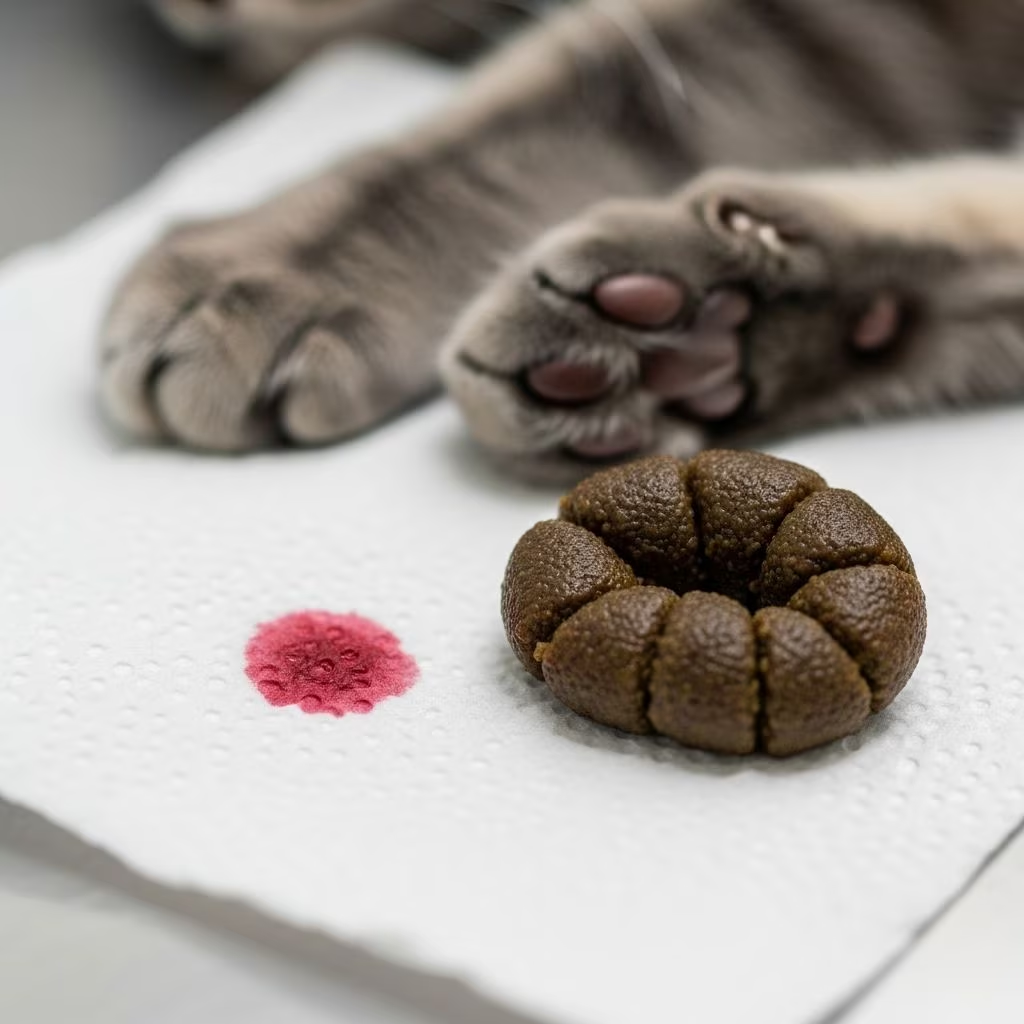
Blood in a cat’s stool is a concerning symptom that can range from minor irritation to signs of serious illness. Recognizing the type of blood—whether bright red or dark and tarry—helps identify the source and urgency. Prompt veterinary attention is crucial to pinpoint the cause and prevent complications.
Understanding the Types of Blood in Feline Stool
Cats can pass blood in their feces in distinct forms, each indicating different parts of the digestive system. **Hematochezia** features fresh, bright red blood, often as streaks or spots on the stool surface, pointing to issues in the lower colon, rectum, or anus. This fresh appearance means the bleeding is recent and hasn’t been digested.
In contrast, **melena** appears as black, sticky, tarry stools due to digested blood from the upper gastrointestinal tract, such as the stomach or small intestine. The dark color results from blood breaking down as it passes through the digestive process. Both types warrant immediate observation, but melena often signals more urgent problems like ulcers or toxins.
- Bright red blood: Lower GI tract, possibly from straining or polyps.
- Dark tarry stool: Upper GI tract, potentially from ulcers or clotting disorders.
Everyday Triggers for Bloody Stools in Cats
Many cases stem from benign, treatable factors. Sudden **dietary shifts** or food intolerances irritate the gut lining, leading to inflammation and minor bleeding. Cats sensitive to new proteins or fillers may show red flecks after eating table scraps or switching brands abruptly.
**Constipation** causes straining, tearing delicate rectal tissues and producing small amounts of bright blood. Hard, dry stools from dehydration or low-fiber diets exacerbate this. **Stress** from moves, new pets, or loud noises can trigger colitis, inflaming the large intestine and mixing blood with loose stools.
Parasites like worms (roundworms, hookworms) or protozoa (Giardia, Coccidia) scrape the intestinal walls, common in kittens or outdoor cats. Bacterial or viral infections also provoke bloody diarrhea, especially in unvaccinated felines.
Serious Medical Conditions Behind the Symptom
Beyond mild causes, blood signals deeper issues. **Inflammatory bowel disease (IBD)** chronically inflames the intestines, often linked to allergies or gut dysbiosis, causing weight loss and recurrent bleeding. **Colitis**, large intestine inflammation, frequently pairs blood with mucus and urgency.
Anal gland problems, like impaction or infection, lead to scooting and bloody discharge. **Pancreatitis** or **liver/kidney disease** disrupts digestion, resulting in tarry stools. Toxins such as rat bait, ibuprofen, or xylitol cause severe upper GI bleeding.
In older cats, **tumors**, polyps, or clotting disorders raise red flags, with black stools indicating gastric ulcers or cancer. Blockages from swallowed objects like string demand surgical intervention.
Accompanying Signs That Demand Urgent Action
Isolated blood might resolve, but combined symptoms escalate risks. Watch for **diarrhea**, **vomiting**, **lethargy**, **appetite loss**, **weight decline**, or **abdominal pain** (hunched posture, sensitivity). Pale gums suggest anemia; dehydration shows in tacky mouth or sunken eyes.
| Symptom | Possible Implication | Action Needed |
|---|---|---|
| Bright red blood alone | Minor irritation | Monitor 24 hours, then vet |
| Tarry stool + vomiting | Upper GI bleed | Emergency vet |
| Blood + lethargy | Infection or toxin | Immediate care |
| Chronic blood + weight loss | IBD or cancer | Full diagnostic workup |
Multiple episodes or kittens/puppies need faster evaluation due to vulnerability.
Steps for Cat Owners Before the Vet Visit
While awaiting professional help, note stool details: color, amount, frequency, consistency. Collect a fresh sample in a clean container. Ensure hydration with fresh water; offer bland food like boiled chicken and rice if eating. Avoid OTC meds, as they worsen bleeding. Isolate from other pets to curb parasite spread.
Veterinary Diagnosis: Tests and Evaluations
Vets start with a physical exam, including rectal palpation for masses or gland issues. **Fecal analysis** detects parasites, bacteria, or occult blood. **Blood panels** assess anemia, organ function, clotting. Imaging like **X-rays** or **ultrasound** reveals blockages, tumors, or thickening. Endoscopy or biopsy confirms IBD or cancer.
Treatment targets the root: dewormers for parasites, antibiotics for infections, fluids for dehydration. Dietary trials eliminate allergens.
Treatment Options Tailored to the Cause
For parasites, broad-spectrum dewormers clear infestations quickly. Infections may need antibiotics or antivirals. **Probiotics** and prebiotics restore gut balance. High-fiber diets combat constipation.
Stress colitis responds to calming aids and routine stability. Severe cases like ulcers get gastroprotectants; blockages require surgery. Anemic cats might need transfusions. IBD management involves hypoallergenic foods, steroids, or immunosuppressants.
- Parasites: Oral meds, repeat doses.
- Colitis: Anti-inflammatories, diet change.
- IBD: Long-term prescription nutrition.
- Toxins: Decontamination, antidotes.
Preventing Recurrence Through Lifestyle Changes
Proactive steps reduce risks. Feed **high-quality, consistent diets** transitioned gradually. Regular **deworming** and fecal checks suit multi-pet homes or hunters. **Stress reduction** via pheromones, play, and vertical space helps. Annual vet exams catch early issues.
Boost fiber with pumpkin puree for stool firmness. Keep toxins inaccessible; vaccinate against viruses. Monitor weight and litter habits for trends.
FAQs on Blood in Cat Stool
Q: Is blood in stool always an emergency?
A: No, single bright red spots may self-resolve, but tarry stools, multiples, or other symptoms require urgent vet care.
Q: Can diet alone fix bloody stools?
A: Sometimes for mild intolerance, but vet diagnosis rules out serious causes first.
Q: How long to wait before seeing a vet?
A: 24 hours for isolated incidents; immediately for lethargy, vomiting, or kittens.
Q: Are kittens more prone?
A: Yes, due to parasites from moms or environments.
Q: Does home remedy like yogurt work?
A: Probiotics aid mildly, but not substitutes for vet treatment.
Long-Term Outlook and Monitoring
Most cats recover fully with timely intervention. Chronic conditions like IBD need ongoing management but allow good quality of life. Track stool daily post-treatment; recheck if blood returns. Early detection saves lives and cuts costs.
References
- Blood in Cat Stools: What It Means and What to Do — Boxiecat. 2023. https://boxiecat.com/blogs/litter-learning-center/blood-in-cat-stools
- Blood In Cat Poo: Everything You Need To Know — Vets Now. 2023. https://www.vets-now.com/pet-care-advice/blood-in-cats-poo/
- Blood in Cat Poop: Causes & Treatment — Purina. 2024. https://www.purina.com/articles/cat/health/digestion/blood-in-cat-poop
- Blood in Cat Stool: Everything You Need to Know — Veteris. 2023. https://veteris.co.uk/petcare-advice/blood-in-cat-stool-everything-you-need-to-know
- Blood in Cat Stool: What It Could Mean and How to Handle It — Hill’s Pet. 2024. https://www.hillspet.com/cat-care/healthcare/blood-in-cat-stool



