

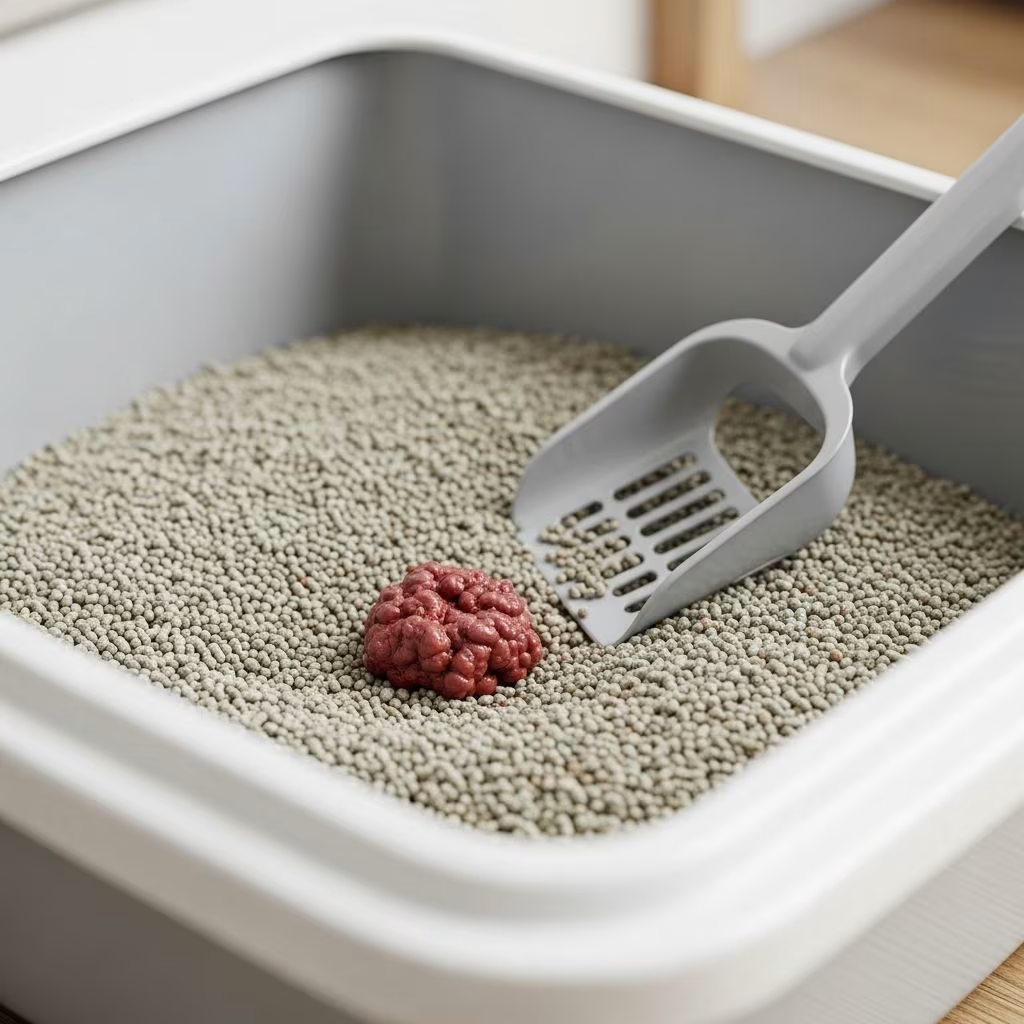
Blood in a cat’s stool is a concerning symptom that warrants immediate attention, as it can stem from benign irritations or life-threatening conditions. Recognizing the type of blood—bright red or dark and tarry—helps pinpoint the bleeding source and guides next steps.
Understanding the Types of Blood in Feline Feces
Cats may pass blood in their stool in distinct forms, each indicating different parts of the digestive system affected. **Hematochezia** refers to fresh, bright red blood, often visible as streaks or spots on the stool surface, typically originating from the lower gastrointestinal tract like the colon, rectum, or anus.
In contrast, **melena** presents as black, tarry, sticky stools with a foul odor, signaling digested blood from the upper GI tract, such as the stomach or small intestine. This occurs because stomach acids and enzymes break down hemoglobin, altering its color. Distinguishing these is crucial for diagnosis, as melena often points to more urgent issues.
| Type of Blood | Appearance | Source | Common Indicators |
|---|---|---|---|
| Hematochezia | Bright red streaks/spots | Lower GI (colon, rectum, anus) | Straining, constipation, anal issues |
| Melena | Black, tarry, sticky | Upper GI (stomach, small intestine) | Ulcers, tumors, clotting disorders |
Everyday Culprits Behind Bloody Stools
Many cases of blood in cat stool arise from manageable digestive disruptions. **Constipation** tops the list, where hard feces strain the rectal lining, causing small tears and fresh blood. Factors like dehydration, low-fiber diets, or inactivity exacerbate this, leading to painful defecation.
**Dietary indiscretions** are frequent offenders. Sudden food switches, allergies, or intolerances irritate the gut mucosa, resulting in inflammation and bleeding. Human foods, rich treats, or poor-quality kibble can trigger colitis-like symptoms with bloody diarrhea.
Stress plays a subtle role too, heightening gut sensitivity and mimicking irritable bowel patterns, especially in multi-pet homes or during moves.
Parasitic and Infectious Threats
Intestinal parasites are a leading cause, particularly in kittens or outdoor cats. **Hookworms, roundworms, tapeworms, Giardia, and coccidia** attach to or inflame the intestinal walls, causing bleeding and mucus-laden stools. These invaders thrive in contaminated environments, spreading via feces or prey.
- Hookworms: Pierce intestinal vessels, leading to anemia and hematochezia.
- Giardia: Protozoan causing watery diarrhea with blood flecks.
- Coccidia: Common in young cats, irritating the colon.
Bacterial culprits like Salmonella or viral threats such as Feline Panleukopenia also erode the gut lining, producing bloody, loose stools. Fungal infections or clostridial overgrowth add to the infectious roster.
Chronic Inflammatory Disorders
**Inflammatory Bowel Disease (IBD)** chronically inflames the intestines, leading to ulcers and persistent bleeding. Symptoms include weight loss, vomiting, and intermittent diarrhea. Triggers involve immune responses to food proteins or bacteria, requiring lifelong management.
**Colitis**, inflammation of the colon, often stems from stress, infections, or allergies, manifesting as urgent, bloody defecation. Unlike IBD, it may resolve with targeted therapy but recurs without addressing root causes.
Serious Underlying Conditions
Beyond common issues, blood signals graver threats. **Organ dysfunction** like kidney or liver disease disrupts clotting or causes GI ulcers. Kidney failure leads to uremic toxins irritating the stomach, while liver issues impair coagulation factors.
**Tumors and cancers**, including polyps, adenocarcinomas, or lymphomas, erode tissues, especially in senior cats. Mast cell tumors elsewhere can trigger systemic bleeding.
**Toxins** pose acute risks: anticoagulant rodenticides prevent clotting, NSAIDs erode mucosa, and poisons like xylitol or rat bait cause hemorrhagic gastroenteritis.
Anal gland problems, such as abscesses or impactions, leak blood onto stools. Foreign bodies, like swallowed bones, lacerate intestines.
Recognizing Accompanying Danger Signs
Isolated blood might resolve, but paired symptoms demand urgency:
- Lethargy, appetite loss, or weight decline.
- Vomiting, severe diarrhea, or abdominal pain (hunched posture).
- Pale gums indicating anemia.
- Fever, dehydration, or straining without production.
Dark tarry stools, large blood volumes, or clots signal emergencies like internal hemorrhage.
Diagnostic Approaches by Veterinarians
Vets start with a history and physical exam, noting diet, environment, and stool details. Key tests include:
- Fecal analysis: Detects parasites, bacteria, or occult blood.
- Bloodwork: Checks organ function, clotting times, anemia.
- Imaging: X-rays or ultrasound reveal masses, obstructions.
- Endoscopy/biopsy: Visualizes and samples inflamed tissues for IBD or cancer confirmation.
These pinpoint causes, avoiding guesswork.
Treatment Strategies Tailored to the Cause
Treatments address specifics:
- Parasites: Dewormers like fenbendazole or metronidazole.
- Constipation: Laxatives, enemas, high-fiber diets, hydration boosts.
- Colitis/IBD: Anti-inflammatories (steroids), antibiotics, hypoallergenic diets.
- Infections: Targeted antimicrobials.
- Toxins: Decontamination, vitamin K for rodenticides, supportive fluids.
- Surgery: For tumors, foreign bodies, or anal sacs.
Supportive care—fluids, anti-nausea meds, probiotics—aids recovery universally.
Preventive Measures for Healthy Digestion
Proactive steps minimize risks:
- Consistent, high-quality diet transitioned gradually; consider novel proteins for allergies.
- Parasite preventives year-round, especially for hunters.
- Ample fresh water via fountains; wet food inclusion.
- Fiber supplements for prone constipators.
- Stress reduction: routines, pheromones, vertical spaces.
- Regular vet checkups, fecal screens biannually.
Monitor litter box habits daily—changes flag issues early.
Frequently Asked Questions (FAQs)
Is blood in cat stool always an emergency?
No, minor hematochezia from constipation may self-resolve, but any melena, persistence over 24 hours, or extra symptoms requires immediate vet care.
Can diet alone fix bloody stools?
Diet helps mild cases like intolerances, but underlying parasites or IBD need professional intervention.
How often should I deworm my indoor cat?
Even indoors, quarterly preventives are advised; test annually.
What home remedies soothe cat constipation?
Pumpkin puree (1-2 tsp), increased water, gentle massage—but vet if no improvement in 48 hours.
Does cat age influence bloody stool risks?
Kittens face parasites; seniors, cancer/organ disease.
Key Takeaways for Cat Owners
Observing blood in your cat’s stool demands vigilance: note color, amount, frequency, and behaviors. While parasites and diet issues prevail, ruling out cancers or toxins via vet diagnostics is non-negotiable. Swift action enhances outcomes, preventing progression to anemia or organ strain.
References
- 5 Reasons Why There’s Blood in Your Cat’s Poop — PetCareRx. 2023. https://www.petcarerx.com/article/5-reasons-why-theres-blood-in-your-cats-poop/6746
- Blood in Cat Stools: What It Means and What to Do — Boxiecat. 2024. https://boxiecat.com/blogs/litter-learning-center/blood-in-cat-stools
- Why Is There Blood in Your Cat’s Stool? — Penny Paws. 2023. https://pennypaws.com/blog/why-is-there-blood-in-your-cats-stool/
- Blood in your cat’s poo — JOII Pet Care. 2024. https://www.joiipetcare.com/blogs/health-symptoms/blood-in-your-cats-poo
- Blood in Your Cat’s Stool: What Does it Mean? — Raleigh NC Vet. 2023. https://raleighncvet.com/cat-care/blood-in-your-cats-stool-what-does-it-mean/
- Blood in Cat Stool — PetMD. 2025-02-10. https://www.petmd.com/cat/symptoms/blood-cat-stool



