

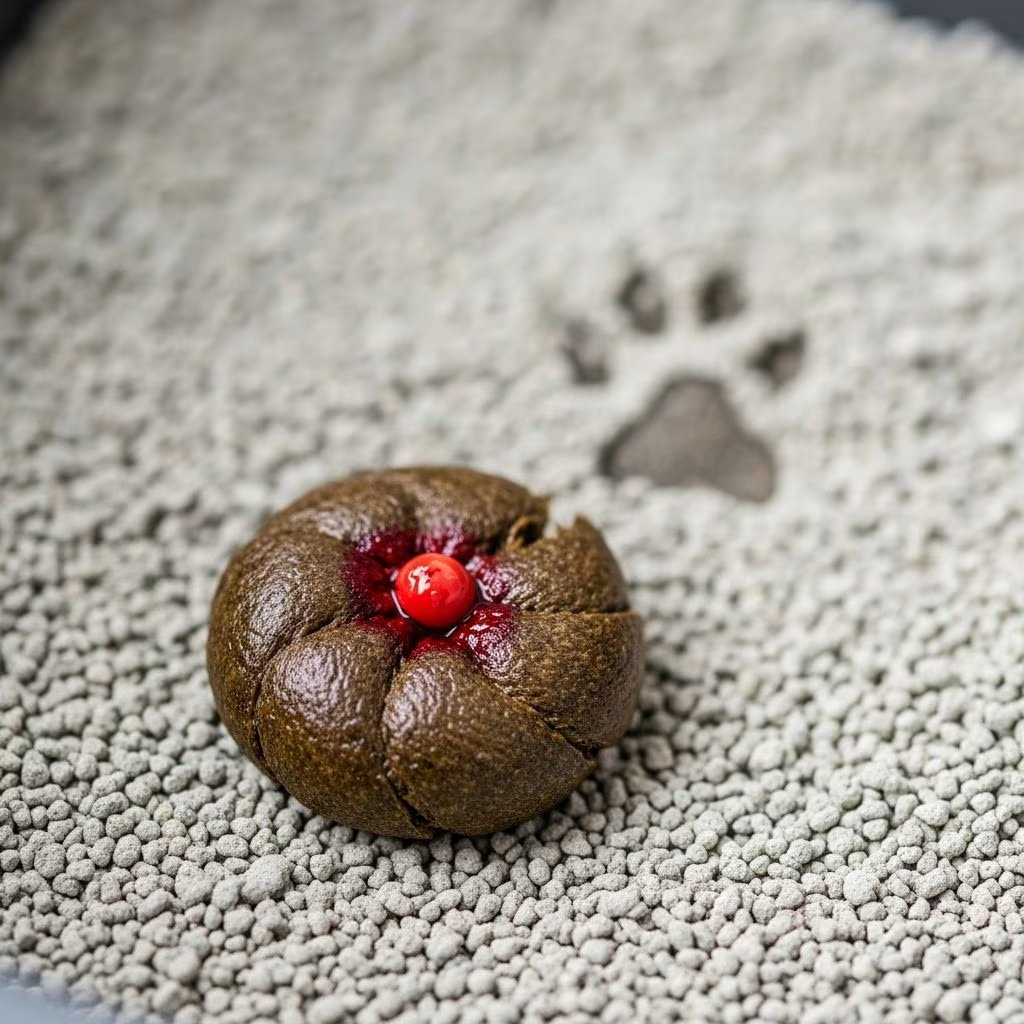
Blood in a cat’s stool, known medically as hematochezia or melena depending on its appearance, indicates bleeding somewhere in the digestive system. This symptom demands immediate attention because it can stem from benign issues like dietary upset or signal life-threatening problems such as cancer or poisoning.
Understanding the Types of Blood in Feline Feces
The color and consistency of blood in your cat’s poop provide crucial clues about the bleeding’s origin. Bright red blood typically points to fresh hemorrhage from the lower gastrointestinal tract, including the colon, rectum, or anus. This is called hematochezia and often accompanies diarrhea, mucus, or straining.
In contrast, black, tarry stools known as melena result from digested blood originating higher up, such as the stomach or small intestine. The dark color arises because stomach acids break down hemoglobin, turning it sticky and foul-smelling. Distinguishing these helps vets narrow down causes quickly.
- Bright red flecks or streaks: Lower bowel irritation, parasites, or trauma.
- Dark, tar-like clumps: Upper GI ulcers, toxins, or clotting disorders.
- Blood mixed with mucus: Often linked to colitis or inflammation.
Primary Causes Behind Bloody Stools in Cats
Numerous factors can lead to this alarming sign. While some resolve with simple changes, others require urgent intervention. Here’s a breakdown of the most frequent culprits based on veterinary observations.
Dietary Triggers and Intolerances
Abrupt diet switches or ingestion of inappropriate foods frequently irritate the gut lining, causing bleeding. Cats with sensitive stomachs may react to new proteins, grains, or human scraps like dairy. Food allergies or inflammatory bowel disease (IBD) exacerbate this, leading to chronic inflammation and bloody diarrhea.
Medication side effects, particularly from NSAIDs or steroids, can erode the intestinal mucosa if dosed incorrectly. Always introduce new foods gradually over 7-10 days and consult your vet before medicating.
Parasites and Infections
Intestinal parasites like hookworms, whipworms, Giardia, or coccidia are prime suspects, especially in kittens or outdoor cats. These invaders latch onto the gut wall, drawing blood and causing inflammation. Bacterial or viral infections, such as those from salmonella or panleukopenia, also provoke colitis with bloody stools.
Kittens showing blood in stool almost always harbor parasites; a fecal test confirms this swiftly. Regular deworming prevents recurrence.
Colitis and Stress-Related Issues
Colitis, inflammation of the large intestine, tops the list for bright red blood cases. Stress from household changes, fireworks, or new pets heightens gut sensitivity, mimicking irritable bowel syndrome in humans. Symptoms include frequent, urgent defecation with mucus and blood.
Chronic constipation scrapes the rectal lining, while anal gland impactions or infections add fishy odors and scooting.
Serious Systemic Conditions
| Condition | Symptoms with Blood | Risk Factors |
|---|---|---|
| Kidney/Liver Disease | Ulcers, clotting issues | Older cats, poor diet |
| Pancreatitis | Diarrhea, vomiting | High-fat meals |
| Cancer/Polyps | Weight loss, lethargy | Senior cats |
| Toxins (Rat Poison) | Pale gums, weakness | Access to poisons |
| Clotting Disorders | Bruising elsewhere | Genetic or drug-induced |
Organ dysfunction often leads to secondary GI bleeding, while toxins like anticoagulant rodenticides prevent clotting. Tumors or polyps bleed intermittently, worsening over time.
Recognizing Accompanying Warning Signs
Isolated blood might be minor, but paired symptoms escalate urgency. Watch for vomiting, appetite loss, lethargy, pale gums, abdominal pain, or dehydration. Diarrhea with blood suggests colitis or infection, while constipation points to trauma.
Multiple episodes or large blood volumes warrant an emergency vet visit, as they could indicate internal hemorrhage or blockages.
Diagnostic Approaches for Feline GI Bleeding
Vets start with a thorough history: diet changes, outdoor access, medications, and stool photos. Key tests include:
- Fecal analysis: Detects parasites, bacteria, or occult blood.
- Blood work: Checks for anemia, organ function, clotting times.
- Imaging: X-rays or ultrasound reveal masses, blockages.
- Endoscopy/Biopsy: Visualizes and samples inflamed tissue.
These pinpoint the issue efficiently, guiding targeted therapy.
Treatment Strategies Tailored to the Cause
Treatment hinges on diagnosis. Parasite clearance uses dewormers like fenbendazole. Colitis responds to anti-inflammatories, probiotics, and bland diets (boiled chicken/rice).
IBD may require hypoallergenic foods or immunosuppressants. Toxin exposure demands antidotes like vitamin K for rodenticides. Surgery addresses tumors or foreign bodies.
Supportive care includes fluids for dehydration, pain relief, and stool softeners for constipation. Most cats recover fully with prompt care.
Preventive Measures for Healthy Cat Digestion
Proactive steps minimize risks:
- Consistent, high-quality diet; slow transitions.
- Annual fecal/parasite screenings, especially for hunters.
- Stress reduction via routines, pheromones, hiding spots.
- Toxin-proof home: secure poisons, medications.
- Regular vet check-ups for seniors.
Litter box hygiene aids early detection.
When to Rush to the Vet
Never wait if blood persists beyond one episode, or if your cat shows distress. Kittens, seniors, or multi-cat households face higher risks. Early action often means simpler fixes.
Frequently Asked Questions
Is blood in cat stool always an emergency?
No, but it’s never normal. Mild cases from stress may self-resolve, but evaluation rules out serious threats.
Can diet alone fix bloody stools?
Sometimes for intolerances, but underlying issues like parasites need meds. Vet guidance is essential.
How common is this in kittens?
Very—often parasites. Bring a fresh fecal sample.
What home remedies help while awaiting vet care?
Offer water, bland food; avoid OTC meds—they can worsen bleeding.
Does stress really cause bloody poop?
Yes, via colitis or IBS-like sensitivity.
References
- Why Is There Blood in Your Cat’s Stool? — Penny Paws. 2023. https://pennypaws.com/blog/why-is-there-blood-in-your-cats-stool/
- Blood in your cat’s poo — Joii Pet Care. 2024. https://www.joiipetcare.com/blogs/health-symptoms/blood-in-your-cats-poo
- Blood in Cat Poo: What Does it Mean? — Purina Arabia. 2023. https://www.purina-arabia.com/en-gb/care-and-advice/cat/health/blood-in-cat-poop
- What Does It Mean and What To Do If There’s Blood in Your Cat’s Stool — Tuft & Paw. 2024. https://www.tuftandpaw.com/blogs/cat-guides/what-does-it-mean-and-what-to-do-if-there-s-blood-in-your-cat-s-stool
- Blood in Cat Stool — PetMD. 2025-01-15. https://www.petmd.com/cat/symptoms/blood-cat-stool
- Blood In Cat Poo: Everything You Need To Know — Vets Now. 2023. https://www.vets-now.com/pet-care-advice/blood-in-cats-poo/



