
Blood Clotting Issues In Animals: Causes, Diagnosis, Treatment
Explore the causes, symptoms, diagnosis, and treatments for coagulation problems affecting pets and livestock, helping vets save lives.
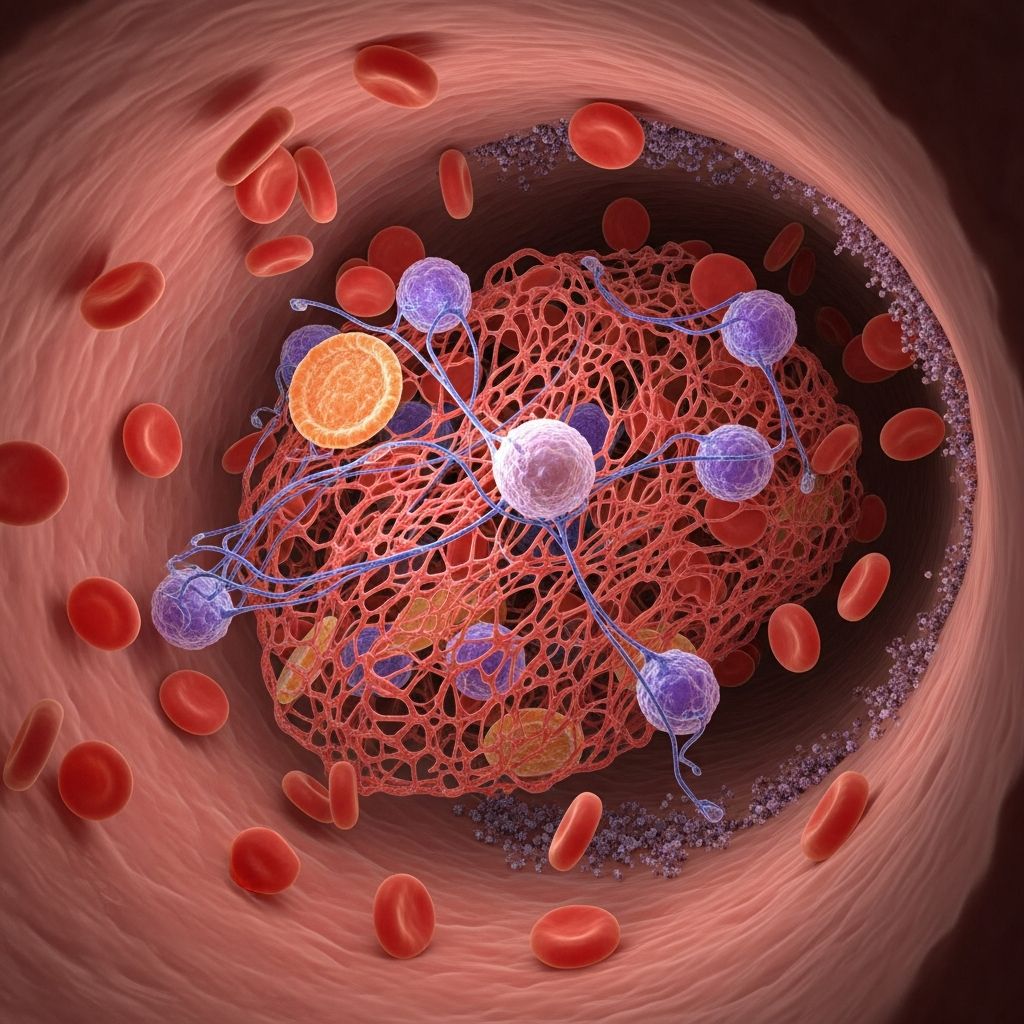
Effective blood clotting, or hemostasis, is vital for animal health, preventing excessive blood loss from injuries or internal issues. When this process fails, animals face risks of severe bleeding or inappropriate clot formation, impacting species from dogs and cats to exotic pets. This article examines the mechanisms, types, identification methods, and interventions for these critical conditions.
Fundamentals of Animal Hemostasis
Hemostasis involves a coordinated sequence where blood vessels constrict, platelets aggregate to form a plug, and coagulation factors create a stable fibrin clot. Primary hemostasis relies on platelets and vessel walls, while secondary hemostasis activates plasma proteins to reinforce the plug. Disruptions at any stage can lead to bleeding tendencies or thrombosis.
In animals, these processes vary slightly by species. Dogs and cats commonly exhibit inherited defects, whereas livestock may suffer acquired issues from toxins or infections. Understanding these basics aids in pinpointing disorder origins.
Primary Hemostasis Failures: Platelet and Vessel Problems
Primary hemostasis disorders manifest as superficial bleeding, such as petechiae on gums, nosebleeds, or prolonged oozing from wounds. Key causes include low platelet counts (thrombocytopenia) and dysfunctional platelets.
- Thrombocytopenia: Often secondary to infections, immune issues, or drugs, it reduces platelet numbers below normal (e.g., <150,000/μL in dogs), impairing plug formation.
- Platelet Dysfunction: Seen in breeds like Basset Hounds with CalDAG-GEFI deficiency, where platelets fail to activate properly, or Canine Scott Syndrome in German Shepherds, preventing clot organization.
- Von Willebrand Disease (vWD): The leading inherited primary disorder, especially in dogs. vWD stems from deficient or defective von Willebrand factor (vWF), which links platelets to vessel walls. Types range from mild Type 1 to severe Type 3, causing mucosal bleeding, prolonged estrus hemorrhage, or post-surgical issues.
These conditions demand prompt recognition, as bleeding can escalate with stress or surgery.
Secondary Hemostasis Defects: Coagulation Factor Issues
Secondary hemostasis involves the clotting cascade, split into intrinsic, extrinsic, and common pathways. Deficiencies here produce deeper hemorrhages like hemarthrosis (joint bleeding), hematomas, or body cavity effusions.
| Disorder | Affected Factor | Common Species/Breeds | Key Signs |
|---|---|---|---|
| Hemophilia A | Factor VIII | Dogs (e.g., Havanese) | Joint/muscle bleeds, fatal hemorrhages |
| Hemophilia B | Factor IX | Dogs (e.g., Rhodesian Ridgeback) | Hematomas, epistaxis |
| Other Factor Deficiencies | X, XI, XII | Dogs, Cats | Variable bleeding post-trauma |
Hemophilias follow X-linked recessive inheritance, severely affecting males while females carry the gene. Clinical signs often appear after trauma, with neonates at highest risk.
Acquired Coagulation Disruptions
Unlike genetic issues, acquired disorders arise from diseases or toxins, often more prevalent than inherited ones.
- Liver Dysfunction: The liver synthesizes most clotting factors; failure prolongs PT and aPTT, leading to multifactor deficiencies.
- Vitamin K Deficiency/Antagonism: Rodenticides block vitamin K, depleting factors II, VII, IX, X. Bleeding starts 3-7 days post-exposure, with elevated PT first.
- Disseminated Intravascular Coagulation (DIC): A consumptive coagulopathy from sepsis, neoplasia, or heatstroke. It depletes platelets and factors while raising D-dimers, causing both bleeding and clots.
- Other Causes: Drugs, infections, or malignancies can trigger endothelial damage or factor consumption.
DIC requires addressing the underlying trigger for resolution.
Recognizing Clinical Manifestations
Bleeding patterns guide suspicion: superficial for primary issues, deep/recurrent for secondary. Common signals include unexplained bruising, melena, lameness from hemarthrosis, or post-procedural hemorrhage. History of breed predisposition, toxin exposure, or concurrent illness informs differentials.
In exotics like reptiles or small mammals, signs may be subtler, with coagulopathies linked to infections or husbandry errors.
Diagnostic Approaches
Lab tests stratify primary vs. secondary hemostasis:
- Platelet Count/Buccal Mucosal Bleeding Time (BMBT): Screens primary hemostasis.
- Coagulation Panels: PT (extrinsic/common), aPTT (intrinsic/common), fibrinogen, D-dimers. Prolonged aPTT suggests hemophilia; PT for vitamin K issues.
- vWF Assays: Quantifies vWF antigen/activity for vWD diagnosis.
- Advanced Tests: Thromboelastography (TEG) evaluates overall clot dynamics; factor-specific assays confirm deficiencies.
Genetic testing identifies carriers, aiding breeding decisions.
Treatment and Management Strategies
Therapy targets the defect and symptoms:
- Primary Hemostasis: Platelet-rich plasma or transfusions; desmopressin for vWD Type 1 to release stored vWF.
- Secondary Hemostasis: Fresh frozen plasma (FFP) or cryoprecipitate supplies factors; vitamin K1 (3-5 mg/kg SC/PO for 4-6 weeks) counters rodenticides.
- DIC/Supportive Care: Treat underlying cause, fresh whole blood, heparin in select cases.
- Adjuncts: Antifibrinolytics (e.g., tranexamic acid), avoid NSAIDs/aspirin.
Preventive measures include trauma avoidance, breed screening, and prompt toxin decontamination.
Species-Specific Considerations
Dogs dominate reports, but cats show vWD (e.g., Abyssinians), hemophilia rarer. Livestock face warfarin poisoning; exotics require tailored tests due to unique physiologies.
FAQs
What is the most common clotting disorder in dogs?
Von Willebrand disease affects primary hemostasis via vWF deficiency.
How do I differentiate primary from secondary hemostasis disorders?
Primary: superficial bleeds, normal PT/aPTT; secondary: deep bleeds, prolonged PT/aPTT.
Can hemophilia be cured in pets?
No, but managed with transfusions and avoidance of triggers; genetic counseling prevents spread.
What should I do if my dog has unexplained bleeding?
Seek veterinary care immediately for coagulation profiling and history review.
Is DIC treatable?
Yes, by resolving the primary disease; supportive transfusions aid recovery.
References
- Inherited disorders of hemostasis in dogs and cats — PubMed/Elsevier Inc. 2012-10-01. https://pubmed.ncbi.nlm.nih.gov/23031456/
- Coagulation Disorders in Animals — Merck Veterinary Manual. 2023. https://www.merckvetmanual.com/circulatory-system/hemostatic-disorders/coagulation-disorders-in-animals
- Coagulation Disorders in Dogs — LABOKLIN. N/A. https://laboklin.com/en/coagulation-disorders-in-dogs/
- Coagulation Disorders, Testing, and Treatment in Exotic Animal — PubMed. 2023-06-12. https://pubmed.ncbi.nlm.nih.gov/37321935/
- Clotting Disorders of the Platelets in Dogs — PetMD. N/A. https://www.petmd.com/dog/conditions/cardiovascular/clotting-disorders-platelets-dogs
- Hemophilia A — Cornell University College of Veterinary Medicine. N/A. https://www.vet.cornell.edu/animal-health-diagnostic-center/laboratories/comparative-coagulation/clinical-topics/hemophilia
Similar Articles








Read full bio of medha deb


