

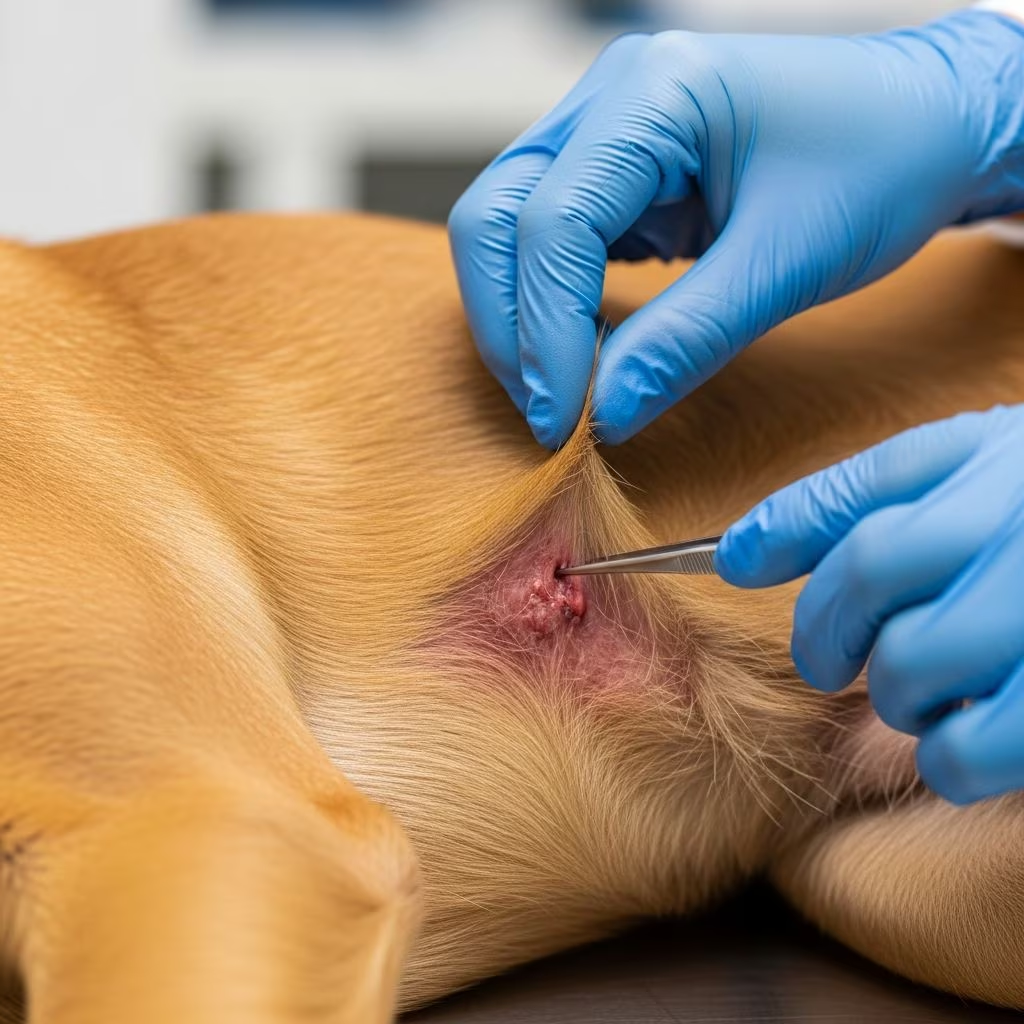
Blood clots, or thrombi, in dogs represent a serious medical concern that can obstruct vital blood flow, leading to pain, organ damage, or sudden death if untreated. These formations often stem from underlying diseases, injuries, or medications, affecting areas like the lungs, legs, or urinary tract.
Understanding Thrombosis in Canines
Thrombosis occurs when blood coagulates abnormally within vessels, differing from helpful clots that stop bleeding after injury. In dogs, internal clots can travel as emboli, lodging in critical sites and causing thromboembolism. Conditions like disseminated intravascular coagulation (DIC) exacerbate this by triggering widespread clotting.
Breeds such as Greyhounds may have higher clotting tendencies due to unique blood profiles, but any dog can be affected. Early recognition is crucial since symptoms mimic other issues.
Primary Causes of Clot Formation
Numerous factors contribute to blood clots in dogs. Common triggers include:
- Infections: Bacterial endocarditis or sepsis promotes clot development in lungs or arteries.
- Heartworm disease: Parasites block pulmonary arteries, leading to respiratory clots.
- Cancer: Tumors release pro-clotting factors or damage vessels.
- Endocrine disorders: Cushing’s disease (hyperadrenocorticism) elevates steroids, fostering clots.
- Autoimmune conditions: Immune-mediated hemolytic anemia (IMHA) destroys red cells, activating clotting cascades.
- Medications: Long-term corticosteroids increase risk.
- Trauma or surgery: Injury to vessels or bone procedures can initiate clots.
- Other diseases: Diabetes, kidney disease, pancreatitis, hypothyroidism, high cholesterol, or protein-losing conditions.
These causes often overlap; for instance, IMHA patients show defective fibrinolysis due to elevated PAI-1 protein, prolonging clots.
Symptoms by Affected Body Region
Clot locations dictate symptoms. Owners must watch for sudden changes.
Pulmonary Clots (Lungs)
Pulmonary thromboembolism causes acute distress: rapid, labored breathing, coughing blood-tinged mucus, fatigue, pale gums, and collapse. Dogs appear normal until crisis hits.
Leg and Limb Clots
Aortic thromboembolism, or saddle thrombus, strikes hind legs suddenly: paralysis, cold limbs, blue paw pads, intense pain (yelping, dragging legs). Front limbs rarely affected.
Urinary Tract Clots
Blood clots in urine signal emergencies like stones, infections, or coagulopathies. Accompanied by straining, frequent urination, or hematuria.
Gastrointestinal Involvement
Clots mimic GI upset: vomiting, diarrhea, abdominal pain, bloody stool. Protein-losing enteropathy heightens risk.
| Region | Key Signs | Urgency |
|---|---|---|
| Lungs | Breathing difficulty, cough, pale gums | Emergency |
| Legs | Cold/blue limbs, lameness, pain | Immediate vet |
| Urine | Blood clots, straining | High |
| GI | Vomiting, diarrhea, pain | Monitor & check |
Diagnostic Approaches
Vets use blood tests (coagulation panels, D-dimer for clot breakdown products), imaging (X-rays, ultrasound, CT/MRI), and urinalysis. Heartworm tests and echocardiography rule out parasites or heart issues. In IMHA, PAI-1 levels may be assessed.
For leg clots, Doppler ultrasound confirms blockages. Chest X-rays reveal lung changes.
Treatment Strategies
Treatment targets the clot and underlying cause. No one-size-fits-all; plans vary.
- Anticoagulants: Heparin, aspirin, or clopidogrel prevent new clots. Blood thinners like rivaroxaban for chronic cases.
- Thrombolytics: Streptokinase dissolves existing clots, used cautiously due to bleeding risk.
- Surgery: Rare, for accessible clots like in legs; high risk.
- Supportive care: Oxygen, fluids, pain relief, antibiotics for infections.
- Disease-specific: Immunosuppressants for IMHA, heartworm treatment, chemotherapy for cancer.
For pneumonia from endocarditis clots, long-term antibiotics (weeks-months) plus anti-inflammatories. Prognosis guarded.
Leg clot care: Stabilize, thrombolytics, then anticoagulants. Physical therapy aids circulation.
Prevention Tips for Dog Owners
Minimize risks through:
- Heartworm preventives year-round.
- Regular vet checkups for at-risk breeds or ages.
- Weight management to avoid diabetes/Cushing’s.
- Monitor meds; discuss alternatives to steroids.
- Post-trauma vigilance.
- Balanced diet low in fats for cholesterol control.
In high-risk cases (IMHA), prophylactic anticoagulants reduce fatality.
Prognosis and Long-Term Management
Outcomes depend on clot site, speed of care, and cause. Pulmonary cases have 50% mortality; early intervention boosts survival. Chronic therapy may be lifelong.
Monitor for recurrence with follow-up tests. Controlled activity prevents further issues.
FAQs
Is blood in dog urine always a clot?
No, but clots indicate urgency; causes include UTIs, stones, or coagulopathies. Vet evaluation essential.
Can blood clots resolve without treatment?
Small ones may, but most require intervention to avoid complications.
What breeds are prone to clots?
Any, but sighthounds like Greyhounds have clotting traits; disease-linked risks higher.
How fast do symptoms progress?
Often sudden, especially pulmonary or saddle thrombus; seek emergency care.
Are home remedies safe?
No; professional diagnosis/treatment only. Delays worsen outcomes.
This guide empowers owners to act swiftly. Consult vets promptly for tailored advice.
References
- Blood Clotting in Dogs: Everything You Need to Know — Petcube. 2023. https://petcube.com/blog/blood-clotting-in-dogs/
- Blood Clots and Aneurysms in Dogs — MSD Veterinary Manual. 2024-10-18. https://www.msdvetmanual.com/dog-owners/heart-and-blood-vessel-disorders-of-dogs/blood-clots-and-aneurysms-in-dogs
- Blood Clots and Aneurysms in Dogs — Merck Veterinary Manual. 2024-10-18. https://www.merckvetmanual.com/dog-owners/heart-and-blood-vessel-disorders-of-dogs/blood-clots-and-aneurysms-in-dogs
- Blood Clots in Dog Urine: Causes, Emergency Signs, and Treatments — Innovet Pet. 2023. https://www.innovetpet.com/blogs/allergies-first-aid/blood-clots-in-dog-urine
- Blood Clots in Dogs – Symptoms, Causes, Diagnosis, Treatment — WagWalking. 2024. https://wagwalking.com/condition/blood-clots
- Investigating the cause of blood clotting in dogs with IMHA — Cornell University College of Veterinary Medicine. 2024. https://www.vet.cornell.edu/hospitals/clinical-trials/investigating-cause-blood-clotting-dogs-imha
- Pulmonary Thromboembolism (Blood Clots in the Lungs) in Dogs — VCA Animal Hospitals. 2024. https://vcahospitals.com/know-your-pet/pulmonary-thromboembolism-blood-clots-in-the-lungs-in-dogs



