

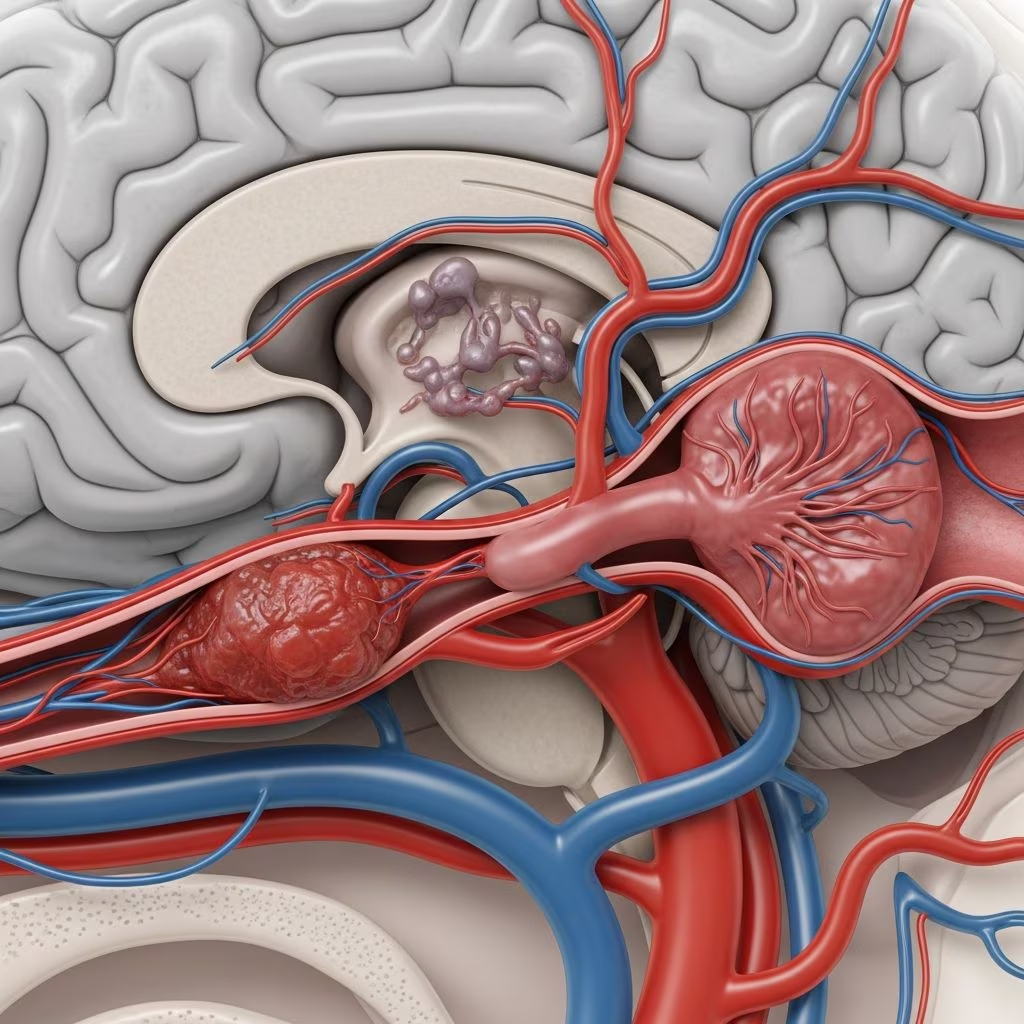
Canine vascular disorders such as blood clots (thrombi) and aneurysms pose serious threats to a dog’s health, potentially blocking blood flow to vital organs and causing life-threatening complications. These conditions often stem from underlying diseases and require prompt veterinary intervention for the best outcomes.
Understanding Blood Clots in Canines
Blood clots form when the normal clotting process goes awry, leading to solid masses that obstruct arteries or veins. In dogs, this inadequate blood supply starves tissues of oxygen, resulting in pain, organ damage, or sudden collapse. Clots can develop locally or travel from elsewhere in the body as emboli, lodging in critical areas like the lungs or heart.
- Arterial clots typically cause acute pain and limb dysfunction due to rapid oxygen deprivation.
- Venous clots may lead to swelling and chronic issues if not addressed.
- Pus-filled infective clots spread bacteria, exacerbating infections.
Rare but Dangerous: Aneurysms in Dogs
An aneurysm occurs when a blood vessel wall weakens, particularly the middle layer, causing abnormal bulging that may rupture or promote clot formation. These are uncommon in dogs and usually asymptomatic until complications like bleeding or vessel blockage arise. Disruption of the vessel’s inner lining often triggers thrombus buildup, fully occluding flow.
Symptoms by Affected Body Region
Clinical signs vary dramatically based on clot or aneurysm location, making early recognition challenging but crucial.
Neurological Impacts: Brain and Central Nervous System
Clots blocking cerebral blood flow mimic strokes, producing:
- Seizures and tremors.
- Ataxia (drunken gait) or loss of coordination.
- Head pressing, tilting, or facial reflex loss.
- Weakness, confusion, or lethargy.
Aneurysms here may cause sudden collapse, abnormal posture, or bleeding from ears/nostrils if ruptured.
Cardiac Complications
Clots lodging in the heart, often from elsewhere, lead to:
- Sudden fainting or collapse.
- Hind limb weakness, pain, or paralysis (aortic thromboembolism).
- Difficulty breathing, vomiting, and anxiety.
- Pale or bluish paw pads/nail beds.
Non-infective clots link to cardiomyopathy; infective ones to endocarditis.
Pulmonary Distress: Lungs and Pulmonary Arteries
Pulmonary thromboembolism (PTE) is a common emergency, with signs including:
- Sudden dyspnea (labored breathing) or tachypnea (rapid rate).
- Coughing blood-tinged mucus.
- Fatigue, exercise intolerance, and inability to rest comfortably.
- Pale/blue gums from hypoxia.
Heartworm disease frequently precipitates pulmonary clots.
Limb and Peripheral Vessel Issues
Affected limbs show:
- Severe lameness or paralysis.
- Coldness to touch, blue paw pads, absent pulse.
- Intense pain, swelling post-exercise.
This saddle thrombus variant is excruciating.
Gastrointestinal and Urinary Tract Signs
Abdominal vessel clots cause:
- Vomiting, appetite loss, incontinence.
- Blood in urine or stool.
- Abdominal pain or organ dysfunction.
Common Underlying Causes and Risk Factors
Blood clots rarely occur in isolation; they signal systemic issues. Key triggers include:
| Category | Examples | Mechanism |
|---|---|---|
| Heart Conditions | Cardiomyopathy, endocarditis, heartworm | Stagnant blood flow promotes clotting; worms damage vessels. |
| Endocrine Disorders | Cushing’s (hyperadrenocorticism) | Excess cortisol alters clotting balance. |
| Immune/Hematologic | IMHA, DIC, sepsis | Immune destruction or widespread clotting consumes factors. |
| Renal/Enteric Losses | Protein-losing nephropathy/enteropathy | Low proteins reduce natural anticoagulants like antithrombin. |
| Other | Cancer, pancreatitis, trauma, steroids | Inflammation, surgery, or meds hypercoagulability. |
Aneurysms link to hypertension, atherosclerosis (rare), trauma, infections, or congenital defects.
Diagnostic Approaches in Veterinary Practice
Vets use a multi-modal strategy:
- Physical Exam: Detect tachycardia, weak pulses, pale gums (capillary refill >2 sec), murmurs.
- Imaging: Chest X-rays (may show enlarged vessels, fluid); echo for heart clots; CT angiography for definitive vessel visualization.
- Lab Tests: Coagulation profiles (PT/PTT), D-dimer (clot breakdown product), CBC/chemistry for underlying disease (e.g., heartworm antigen).
- Oximetry confirms low blood oxygen.
Early diagnosis hinges on history and rapid testing.
Treatment Strategies and Management
Therapy targets the clot, underlying cause, and supportive care:
- Anticoagulants: Heparin, warfarin, or DOACs (e.g., rivaroxaban) prevent extension; monitored closely.
- Thrombolytics: tPA for severe PTE, risking bleeding.
- Supportive: Oxygen therapy, pain control (opioids), fluids, plasma transfusions for clotting factor replenishment.
- Treat root causes: Heartworm meds, steroids taper, cancer chemo.
Aneurysms may need surgical resection if feasible, though rarity limits options.
Prognosis and Long-Term Outlook
Outcomes vary: PTE carries 20-50% mortality if advanced, better with early care. Recurrent clotting risks persist without cause control. Monitor with serial echoes/coags.
Prevention Tips for Dog Owners
Minimize risks through:
- Heartworm preventives year-round.
- Regular vet checkups for at-risk breeds (e.g., Boxers for cardiomyopathy).
- Weight management to curb hypertension/obesity.
- Avoid trauma; use seatbelts for car rides.
- Recognize early signs like sudden lameness or dyspnea—rush to ER.
Frequently Asked Questions (FAQs)
What triggers sudden breathing issues in my dog?
Often pulmonary clots from heartworm or disease; seek immediate vet care.
Can blood thinners cure clots in dogs?
They prevent worsening and new formation but don’t dissolve existing ones quickly; combined with addressing causes.
Are aneurysms hereditary in dogs?
Some congenital links exist, but most tie to acquired factors like infection or trauma.
How do I know if my dog’s leg pain is a clot?
Cold limb, blue pads, no pulse signal emergency thromboembolism.
Is recovery possible after a clot stroke?
Many dogs regain function with therapy, but deficits may linger.
References
- Blood Clots and Aneurysms in Dogs – Dog Owners — MSD Veterinary Manual. 2023. https://www.msdvetmanual.com/dog-owners/heart-and-blood-vessel-disorders-of-dogs/blood-clots-and-aneurysms-in-dogs
- Pulmonary Thromboembolism (Blood Clots) in the Lungs in Dogs — VCA Animal Hospitals. 2024-01-15. https://vcahospitals.com/know-your-pet/pulmonary-thromboembolism-blood-clots-in-the-lungs-in-dogs
- Understanding Blood Clots in Dogs — Embrace Pet Insurance. 2023-05-10. https://www.embracepetinsurance.com/waterbowl/article/canine-blood-clots



