

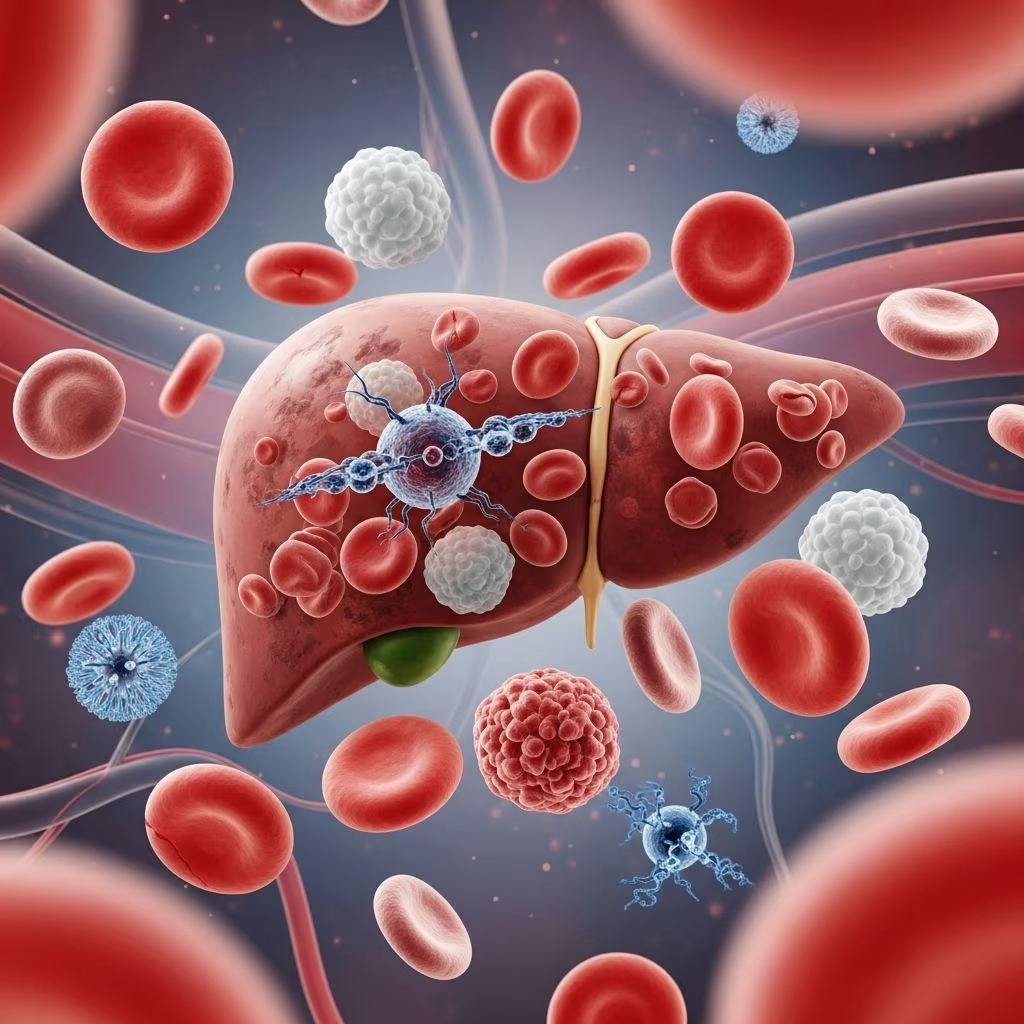
The liver plays a vital role in small animals like dogs and cats, handling metabolism, detoxification, and blood clotting. When liver function falters, blood tests often show distinct patterns that help veterinarians pinpoint problems early. These hematological clues are crucial since clinical symptoms may not appear until significant damage occurs, typically after 70-80% of liver capacity is lost.
Why Blood Analysis Matters for Liver Health
Blood work provides a window into liver status through cell counts, enzyme levels, and protein measures. Routine complete blood counts (CBC) and biochemistry panels detect issues before severe signs like jaundice or ascites emerge. Elevated enzymes signal injury, while drops in proteins indicate synthetic failure.
In practice, vets start with a CBC to spot anemia or platelet shortages, then check biochemistry for liver enzymes like ALT and ALP. These tests have high sensitivity but lower specificity, as other conditions can mimic them. For instance, cats show meaningful enzyme rises even at mild levels due to shorter enzyme half-lives.
Common Anemia Patterns in Liver-Affected Pets
Anemia appears frequently in liver disease, varying by type and cause. It can be regenerative from bleeding or non-regenerative from chronic inflammation.
- Regenerative anemia: Linked to gastrointestinal hemorrhage or coagulopathy, showing reticulocytes and nucleated red cells.
- Non-regenerative anemia: Common in chronic cases, resembling anemia of chronic disease with low reticulocytes.
- Microcytosis: Often tied to portosystemic shunts (PSS), where small red cells indicate circulatory bypasses.
Blood smears may reveal poikilocytosis (abnormal shapes) or Heinz bodies, especially in oxidative stress from copper buildup in breeds like Bedlington terriers. These hemolytic crises can trigger acute failure post-stress.
Platelet and White Cell Insights
Thrombocytopenia affects many liver patients due to consumption in clotting disorders or reduced production from megakaryocyte issues. White cells might elevate in inflammation or infection complicating liver pathology.
| Blood Parameter | Liver Disease Association | Typical Findings |
|---|---|---|
| Red Blood Cells | Anemia | Regenerative or non-regenerative; microcytosis in PSS |
| Platelets | Thrombocytopenia | Decreased count from consumption or poor production |
| White Blood Cells | Inflammation | Leukocytosis or hyperglobulinemia in cholangitis |
Hyperglobulinemia occurs in about half of cats with cholangitis, less so in canine chronic hepatitis.
Liver Enzymes: Sensitivity vs. Specificity
Enzymes like ALT (hepatocellular damage) and ALP/SAP (cholestasis) rise early. ALT and AST track cell injury, while GGT and ALP indicate bile flow problems. MicroRNAs like miR-122 may detect subtler damage before enzymes spike.
Cats warrant attention to mild elevations; dogs need context to rule out non-liver causes.
Assessing Liver Synthetic Function
Beyond cells, function tests reveal severity. Hypoalbuminemia signals late-stage failure due to the liver’s reserve. Other drops include:
- Glucose: Rare in chronic cases, more acute failure.
- Urea and cholesterol: Low in 40% of cirrhotic dogs.
- Bilirubin: Elevated in 50% of chronic hepatitis cases, poor prognosis marker.
Coagulation tests like PT and aPTT prolong with dysfunction, as the liver produces clotting factors. Protein C below 70% helps differentiate shunts from milder dysplasias.
Advanced Blood Markers for Precise Diagnosis
Coagulation profiles guide biopsy safety. Low platelets or extended times raise bleeding risks, favoring laparoscopy over needle methods. Desmopressin aids von Willebrand cases.
Hyperbilirubinemia ties to icterus; hypoglycemia to encephalopathy risks.
Integrating Blood Work with Imaging and Biopsy
Blood abnormalities prompt imaging. Ultrasound misses early changes; CT angiography excels for shunts. Fine-needle aspirates offer cytology but falter on inflammation versus histopathology. Bile analysis via cholecystocentesis detects infections. Biopsy remains gold standard.
Case Examples of Hematological Profiles
Consider a dog with chronic hepatitis: elevated ALT/ALP, hypoalbuminemia, mild anemia. A cat with lipidosis shows high enzymes, possible hyperglobulinemia. PSS cases feature microcytosis, low protein C.
Monitoring Progress Through Blood Trends
Serial tests track therapy. Falling enzymes suggest response; persistent hypoalbuminemia warns of cirrhosis.
FAQs on Blood Tests for Pet Liver Issues
What do high liver enzymes mean in my dog?
They indicate liver cell damage or bile issues but aren’t specific; further tests needed.
Can blood work alone diagnose liver disease?
No, it screens; biopsy confirms.
Why is my cat’s anemia linked to liver problems?
Liver disease causes chronic anemia or bleeding; check for shunts.
How often should blood be monitored?
Depends on severity; monthly for chronic cases.
Are clotting tests routine for liver suspects?
Yes, before biopsies to assess bleed risk.
Practical Tips for Vets and Pet Owners
Owners: Watch for lethargy, vomiting, yellow gums. Vets: Combine CBC, biochem, coagulation. Early intervention improves outcomes.
References
- Companion animal liver disease – diagnosis and management — Vet Times. 2023. https://www.vettimes.com/news/vets/small-animal-vets/companion-animal-liver-disease-diagnosis-and-management
- Chronic liver disease in small animals (Proceedings) — DVM360. 2022. https://www.dvm360.com/view/chronic-liver-disease-small-animals-proceedings
- ACVIM consensus statement on the diagnosis and treatment of chronic hepatitis in dogs — PMC (PubMed Central). 2019-05-15. https://pmc.ncbi.nlm.nih.gov/articles/PMC6524396/
- Liver Enzyme Interpretation and Liver Function Tests — Today’s Veterinary Practice. 2023. https://todaysveterinarypractice.com/hepatology/liver-enzyme-interpretation-and-function-tests/
- Testing for Liver Disease — VCA Animal Hospitals. 2024. https://vcahospitals.com/know-your-pet/liver-disease—testing
- Liver function tests — eClinpath. 2023. https://eclinpath.com/chemistry/liver/liver-function-tests/



