

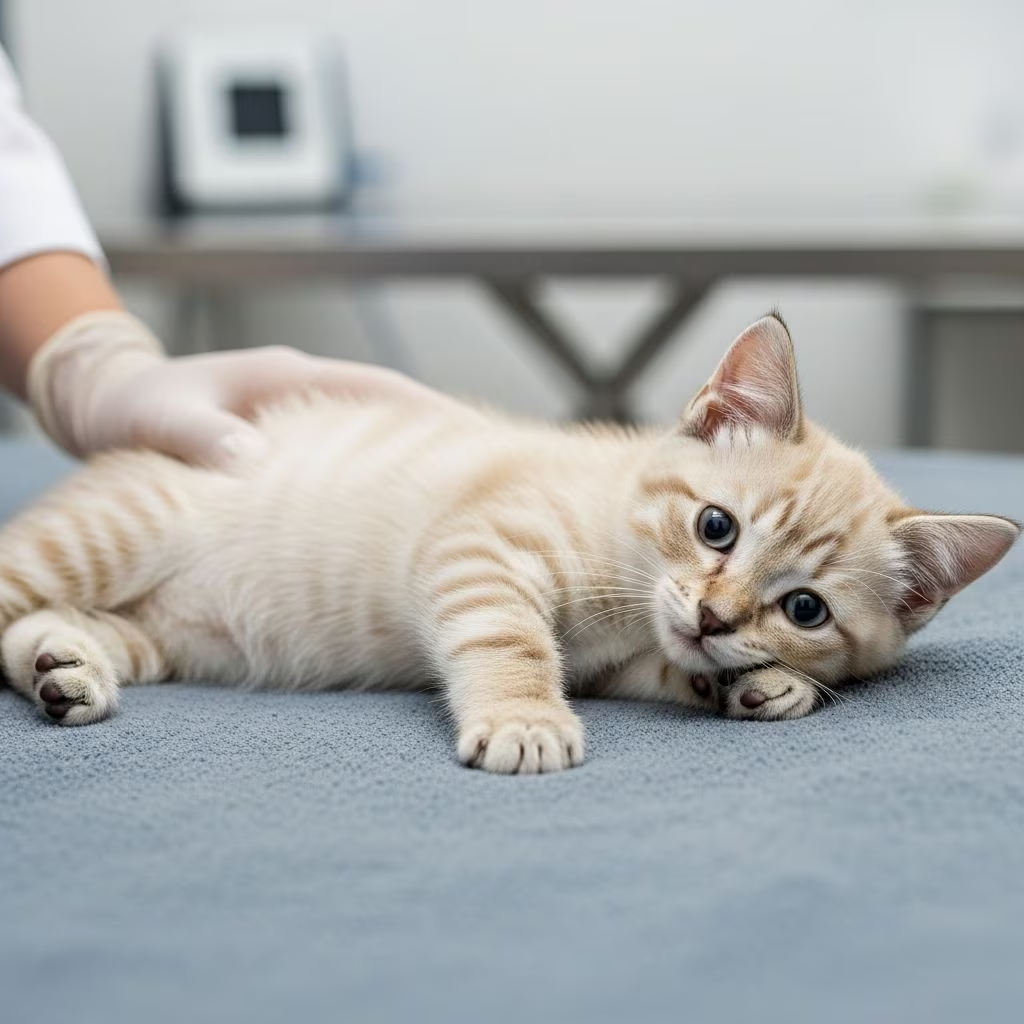
Understanding Bloating in Kittens
A bloated kitten is an uncomfortable and potentially distressed kitten. Bloating, or abdominal distension, occurs when gas builds up in the stomach and becomes trapped, causing the abdomen to swell and the kitten to experience discomfort or pain. Unlike adult cats, kittens have immature and sensitive gastrointestinal tracts that make them particularly vulnerable to digestive issues. Understanding the causes of kitten bloating is essential for any kitten owner, as prompt recognition and treatment can prevent serious complications.
The wrong type, amount, or quality of food can potentially cause a kitten to develop a pot-bellied appearance or even diarrhea. More concerning situations involve bacterial overgrowth in the intestinal tract or the presence of certain viruses that can lead to serious illness or even death. Whatever the underlying cause, addressing kitten bloating promptly is crucial for your pet’s health and comfort.
Common Causes of Kitten Bloating
Dietary Issues and Food Quality
Mother’s Milk and Nursing Kittens
A mother cat’s milk has the ideal combination of proteins, fats, and carbohydrates and is rarely the cause of diarrhea or bloating in nursing kittens. However, certain infections can compromise the milk’s optimal makeup and potentially make it dangerous for her kittens. Infections of the mammary glands or uterus can produce toxic milk syndrome, which causes bloating, green diarrhea, excessive crying, and a red, swollen rectum in affected kittens.
Milk Replacement Formulas
Milk replacement formulas, particularly powdered forms, may cause constipation or diarrhea if not mixed in the correct proportions with water. A distended abdomen caused by constipation may also result if bottle-fed kittens do not receive proper anogenital stimulation to produce feces and urine after feeding. If you are raising orphaned kittens, educating yourself on proper bottle-feeding techniques is essential to eliminate these potential pitfalls and ensure optimal nutrition.
Solid Food Considerations
Youngsters may be particularly at risk due to their immature and sensitive gastrointestinal tracts. Using canned food can help reduce the amount of carbohydrates present and, in general, are easier for both kittens and adults to digest. If feeding canned food is not possible, choosing a high-protein, low-carbohydrate kibble may help improve stool consistency and reduce bloating. Low-quality proteins such as mechanically separated meat, reconstituted meat mixtures, or mixtures containing excessive collagen and filler can contribute to digestive distress and bloating.
Overfeeding and Feeding Frequency
Kittens need frequent access to fresh food, whether they are nursing or weaned. However, too much food can overload the gastrointestinal tract, deplete digestive enzymes, and lead to bloating and diarrhea. Feeding amounts and frequency depend on the age and weight of the kitten. Bottle-fed kittens require smaller but more frequent volumes, typically about every two to four hours, with the amount of milk fed depending on their weight. Overfeeding is a common mistake that can have significant consequences for a young kitten’s digestive health.
Bacterial, Viral, and Parasitic Infections
Bacterial Colonization and Complications
The intestines of kittens are sterile at birth but begin to colonize with bacteria commonly found in their mother’s mouth, intestines, and the external environment. It can take from a few days to as long as a week for the baby’s intestines to fully colonize with these commensal bacteria. This normal and beneficial bacterial flora helps reduce diarrhea and gas and actually aids in the development of a healthy immune system.
However, under certain circumstances, these normally beneficial bacterial colonies can become problematic. Inflammatory conditions affecting the intestine can cause a breach in the intestinal wall, enabling intestinal bacteria to migrate into the bloodstream, leading to infection or sepsis. At this point, immediate, aggressive treatment with antibiotics and supportive care is needed to prevent death. Additionally, spoiled replacement milk formulas or abnormal mother’s milk can cause bacterial overgrowth, resulting in diarrhea and bloating in nursing kittens.
Parasitic Infections
The most common cause of kittens with a swollen belly is parasitic infection. Roundworms and tapeworms are frequent culprits that can cause bloating, digestive problems including vomiting and diarrhea, weight loss, loss of energy, and a greasy and dull coat. Some infected kittens also have a reduced appetite, eating less and losing interest in their food. This loss of nutrients can cause deficiencies that result in growth retardation if not treated quickly. Parasitic infections are particularly common in kittens with outdoor access or those whose mothers had access to the environment.
Eating Makes Me Sick: Foods That Can Cause Bloat
Understanding which foods are more likely to cause bloating can help you make better nutritional choices for your kitten. Different food types present varying levels of risk for digestive distress.
Carbohydrate Content
High-carbohydrate dry foods can be particularly problematic for kittens, whose digestive systems are adapted for a protein-rich diet. Unlike dogs, cats are obligate carnivores and have limited ability to process large quantities of plant-based carbohydrates. When dry foods contain too many carbs, this can lead to bloating in kittens and digestive inefficiency.
Protein Quality
The quality of protein in your kitten’s food directly impacts digestibility and comfort. Many commercial foods contain low-quality proteins such as mechanically separated meat (MSM), reconstituted meat products, or mixtures of low-quality pieces with excessive collagen rather than muscle and noble organs. These inferior protein sources are harder for kittens to digest and can contribute to gas production and bloating.
Food Consistency and Digestibility
Canned foods generally contain fewer carbohydrates and are easier to digest than many dry kibble options. If you must feed dry food, selecting formulas specifically designed for kittens with high protein content and low carbohydrate levels can significantly improve digestive health and reduce bloating episodes.
Treatment Options for Kitten Bloating
Treatment for kitten bloating depends entirely on the underlying cause. Your veterinarian will conduct a thorough examination and may recommend specific diagnostic tests to identify the problem.
Dietary Adjustments
If bloating is related to food sensitivities or poor nutrition, your veterinarian may recommend changing your kitten’s food, adjusting feeding frequency, or modifying portion sizes. You may also need to change how, when, and where you feed your kitten to optimize digestive health.
Parasitic Treatment
If intestinal parasites are identified, your veterinarian will prescribe an appropriate deworming medication. Bloating caused by parasites can typically be resolved with these medications as part of a comprehensive parasite control program.
Diagnostic Testing
If the bloating persists despite dietary changes, your veterinarian may need to conduct a complete examination. This may include X-rays, blood tests, stool samples, and urine samples to rule out more serious causes and ensure an accurate diagnosis. In some cases, ultrasound imaging or other advanced diagnostics may be necessary.
Medical Management
Depending on the diagnosis, your veterinarian may prescribe medications to reduce inflammation, address bacterial overgrowth, or manage pain and discomfort. For serious conditions such as infections or sepsis, aggressive antibiotic treatment and supportive care are essential.
Throughout the treatment process, it’s crucial to closely monitor your kitten and follow up with your veterinarian if you notice any changes in behavior or physical condition.
Prevention Strategies for Kitten Bloating
Proper Nutrition
Feed high-quality kitten food formulated for their specific nutritional needs, with emphasis on high protein content and low carbohydrate levels. Choose canned food when possible, or select premium kibble designed for digestive health.
Correct Feeding Practices
Establish appropriate feeding schedules based on your kitten’s age and weight. Avoid leaving food out all day, as this encourages overeating. If bottle-feeding, ensure you mix formulas with the correct water proportions and provide proper stimulation for bathroom functions.
Parasite Prevention
Work with your veterinarian to establish an appropriate parasite prevention and treatment schedule. Regular deworming during the kitten stage is essential, particularly if your kitten has outdoor access.
Hygiene and Environment
Maintain clean feeding and water dishes and ensure your kitten has access to fresh, clean water at all times. Keep your kitten’s environment clean and sanitary to reduce the risk of infection and contamination.
Regular Veterinary Care
Schedule regular veterinary check-ups during your kitten’s first year of life. These appointments provide opportunities to monitor growth, nutrition, and digestive health, and to address concerns early before they develop into serious problems.
When to Seek Veterinary Help
While some cases of kitten bloating resolve with simple dietary adjustments, certain situations require immediate veterinary attention. Contact your veterinarian if your kitten shows signs of severe abdominal pain, persistent vomiting, inability to defecate or urinate, lethargy, loss of appetite, or signs of distress. Bloating accompanied by fever, green diarrhea, or unusual behavior may indicate a serious infection requiring emergency treatment.
Early intervention can prevent minor digestive issues from developing into life-threatening conditions, so when in doubt, consult your veterinarian.
Frequently Asked Questions About Kitten Bloating
Q: Is bloating normal in kittens?
A: While mild bloating occasionally occurs in kittens, persistent abdominal distension is not normal and warrants veterinary evaluation. Some bloating may result from normal digestion, but if your kitten appears uncomfortable or bloated regularly, seek professional advice.
Q: How can I tell if my kitten is bloated?
A: A bloated kitten will have a visibly swollen or distended abdomen. You may notice your kitten acting uncomfortable, being less active than usual, having difficulty eating, or displaying signs of abdominal pain such as crying or hunching.
Q: Can kitten bloating go away on its own?
A: Some minor bloating from gas may resolve on its own with time. However, bloating caused by parasites, infections, or serious underlying conditions requires veterinary treatment. Do not wait to see if serious bloating resolves without professional evaluation.
Q: What’s the best food for a kitten prone to bloating?
A: High-quality canned kitten food with high protein content and low carbohydrates is ideal. If using dry food, select premium kitten formulas specifically designed to support digestive health. Consult your veterinarian for personalized recommendations based on your kitten’s specific needs.
Q: How often should I feed my kitten?
A: Feeding frequency depends on your kitten’s age. Young kittens (8 weeks to 6 months) typically need three to four meals daily. As they grow, you can gradually transition to two meals daily by one year of age. Your veterinarian can provide specific guidance for your kitten’s age and weight.
Q: Can parasites cause bloating in kittens?
A: Yes, parasitic infections are one of the most common causes of bloating in kittens. Roundworms and tapeworms can cause a pot-bellied appearance, digestive problems, and other symptoms. Regular deworming and veterinary care help prevent and treat parasitic infections.
Q: Should I be concerned about bloating in bottle-fed kittens?
A: Yes, bottle-fed kittens are at increased risk for bloating if formula is not mixed correctly or if they don’t receive proper stimulation for bathroom functions. Ensure you follow proper bottle-feeding techniques and consult your veterinarian for guidance if bloating occurs.
References
- Cat & Kitten Swollen Belly: Causes, Diagnosis and Treatment — Hill’s Pet Nutrition. 2025. https://www.hillspet.com/cat-care/healthcare/cat-and-kitten-swollen-belly
- Bloating in Cats Explained: Common Causes and Solutions — The Pet Vet. 2025. https://thepetvet.com/bloating-in-cats/
- Understanding Bloat in Cats: Signs, Causes & When to Seek Help — Bethel Pet Hospital. 2025. https://www.bethelpethospital.com/blog/understanding-bloat-in-cats-signs-causes-when-to-seek-help
- A Guide to Cat Bloat — ASPCA Pet Health Insurance. 2025. https://www.aspcapetinsurance.com/resources/cat-bloat-guide/
- Bloating (Abdominal Distension) in Cats – Causes, Treatment and Prevention — Vetster. 2025. https://vetster.com/en/symptoms/cat/bloating-abdominal-distension



