

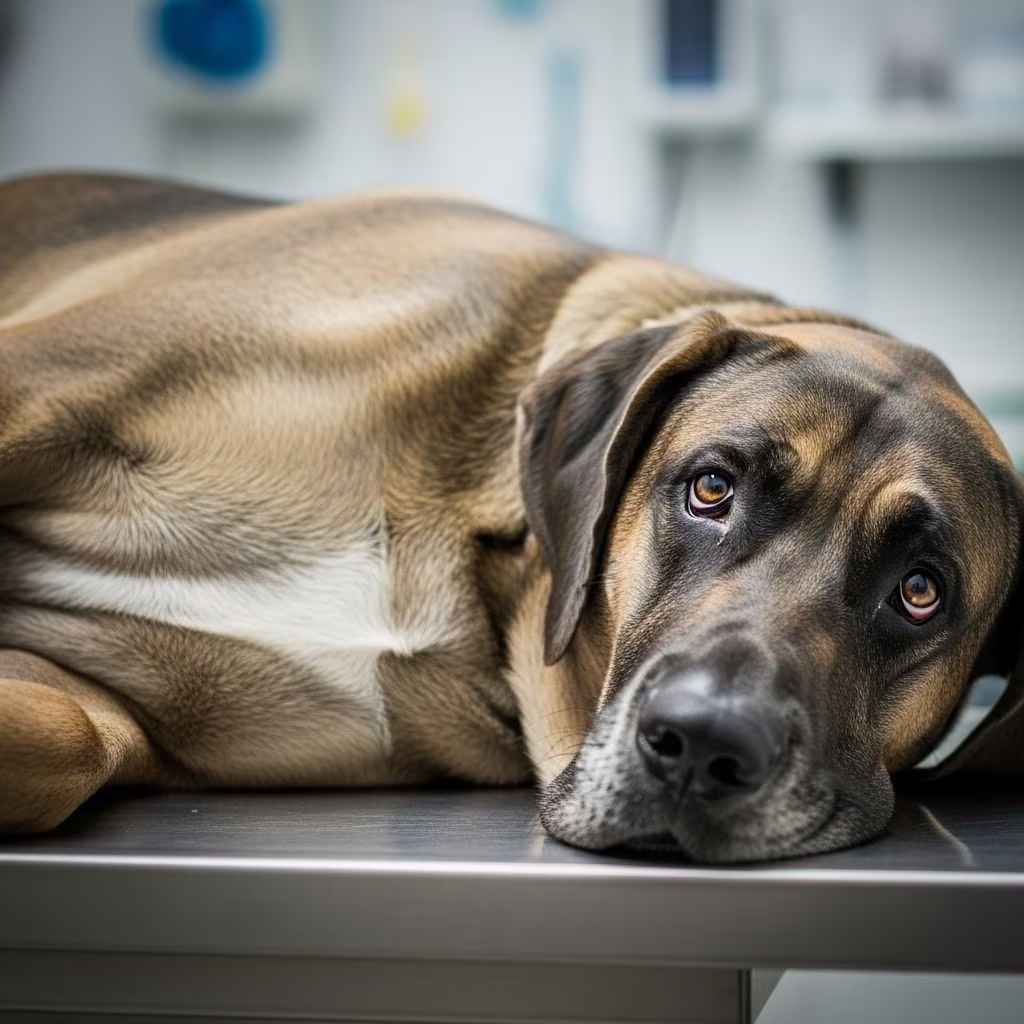
Gastric dilatation-volvulus, commonly called bloat or GDV, represents one of the most acute emergencies in canine medicine. The stomach fills with gas and food, then rotates, cutting off blood flow and leading to shock or death within hours if untreated. Large and deep-chested breeds face the highest danger, but any dog can succumb. Recognizing early signs and acting instantly can determine survival.
Recognizing the Alarming Signs of Bloat
GDV progresses with terrifying speed, often within minutes. Owners frequently notice initial distress escalating rapidly. Key indicators include:
- Unproductive retching or dry-heaving, where the dog strains to vomit but produces only foam or nothing.
- A noticeably distended, drum-like abdomen that feels tense and painful to touch.
- Excessive drooling, pacing, restlessness, or an anxious expression signaling pain.
- Rapid, shallow breathing; weakness; pale gums; or collapse as shock sets in.
These symptoms demand immediate veterinary attention—no home remedies suffice. Delays past an hour drastically lower survival odds.
Why Does Bloat Happen? Unraveling the Causes
Veterinarians lack a single definitive trigger for GDV, but converging factors heighten susceptibility. The stomach dilates from swallowed air, fermentation, or rapid filling, then twists due to anatomical vulnerabilities in breeds with narrow chests.
Contributing elements include:
- Feeding habits: Gulping large meals, drinking excessive water quickly, or eating dry kibble high in fats/oils listed early on labels.
- Exercise patterns: Vigorous activity right before or after meals promotes gas buildup and movement.
- Stress and temperament: Anxious, fearful, or hyper dogs in high-stress settings like kennels show elevated risk.
- Breed predispositions: Deep-chested giants like Great Danes, German Shepherds, Standard Poodles, and Boxers top the list.
Age plays a role too—older dogs over seven years face greater threats, alongside genetic histories in affected families.
High-Risk Breeds: Who Faces the Greatest Danger?
Not all dogs carry equal risk. Statistics pinpoint deep-chested, large breeds as primary victims, with GDV striking 20-40% without preventive surgery in vulnerable lines. Here’s a breakdown:
| Breed | Risk Level | Notable Factors |
|---|---|---|
| Great Dane | Very High | Deep chest; rapid eaters |
| German Shepherd | High | Genetic lines; stress-prone |
| Standard Poodle | High | Large size; gulping tendency |
| Basset Hound | Moderate-High | Deep body; overweight risk |
| Bulldog | Moderate | Brachycephalic anatomy |
Smaller breeds experience bloat less often, but simple dilatation without twisting occurs across sizes. Owners of at-risk dogs should prioritize vigilance.
Immediate Treatment: Racing Against Time
Survival hinges on speed—up to 30% of GDV cases prove fatal even with care. Vets stabilize first, then operate.
Stabilization Phase:
- IV fluids with electrolytes combat shock and restore organ perfusion.
- Pain relief, anti-nausea drugs, and antibiotics prevent sepsis.
- Decompression via stomach tube, needle (trocharization), or catheter releases trapped gas.
- Oxygen support, ECG monitoring for arrhythmias, and frequent walks aid gas passage in non-volvulus cases.
Simple bloat (dilatation only) may resolve without surgery, but GDV mandates intervention.
Surgical Intervention: The Definitive Fix
Once stable, surgery untwists the stomach, excises necrotic tissue, and performs gastropexy—tacking the stomach to the abdominal wall. This slashes recurrence from 80% to under 5%.
Procedures vary:
- Standard gastropexy: Sutures secure the stomach, ideal during spay/neuter or elective.
- Incisional or belt-loop: For emergencies, ensuring permanent positioning.
Splenectomy occurs if the spleen suffers damage. Post-op, dogs require ICU monitoring, with full recovery in 2-4 weeks. Costs range $3,000-$7,000 depending on complications.
Prevention Strategies: Empowering Owners to Protect Their Pets
Proactive steps slash GDV incidence dramatically. Implement these evidence-based tactics:
- Feed smart: Multiple small meals daily using slow-feeder bowls; avoid raised dishes.
- Timing matters: No exercise 1-2 hours pre/post meals; limit water gulps.
- Prophylactic gastropexy: Recommended for high-risk breeds around 6-12 months, often with neuter.
- Manage stress: Calming environments, puzzle toys, and routine stabilize temperament.
- Breed selection: Research pedigrees; avoid lines with GDV history.
Studies affirm gastropexy’s efficacy—post-procedure GDV drops to near zero.
Myths and Facts: Clearing Up Common Misconceptions
| Myth | Fact | Source Insight |
|---|---|---|
| Raised bowls prevent bloat | They may increase risk | Studies link to higher GDV |
| Only big dogs get it | All sizes possible, deep chests key | Breed anatomy drives |
| Soy/fermentable foods cause it | No direct link; volume/exercise primary | Multifactorial |
| Home remedies work | Only vets can treat | Delay fatal |
FAQs: Answering Pet Owners’ Top Questions
Q: How quickly does bloat kill?
A: Untreated GDV leads to death in 1-2 hours from shock and organ failure.
Q: Can my dog survive bloat?
A: Yes, 70-90% with prompt surgery and gastropexy.
Q: Is gastropexy worth it for prevention?
A: Absolutely for at-risk breeds—recurrence falls below 5%.
Q: What if I see mild symptoms?
A: Err on caution; rush to an emergency vet immediately.
Q: Does diet kibble cause bloat?
A: High-fat early-ingredient dry foods correlate; opt for balanced nutrition.
Long-Term Outlook: Life After Bloat
Survivors thrive with gastropexy, resuming normal activity post-recovery. Monitor for arrhythmias, which can linger weeks. Annual vet checks ensure health. Owners report renewed peace knowing prevention works—many advocate early gastropexy for siblings.
Education saves lives. Share this knowledge; bloat waits for no one.
References
- Gastric Dilatation-Volvulus (Bloat) — Veterinary Medical Center of CNY. 2023. https://vmccny.com/gastric-dilatationvolvulus-bloat/
- Bloat in Dogs — PetMD. 2024-01-15. https://www.petmd.com/dog/conditions/digestive/bloat-in-dogs
- Bloat in Dogs | Symptoms and Treatment — Blue Cross. 2024. https://www.bluecross.org.uk/advice/dog/health-and-injuries/bloat-in-dogs
- Bloat (or GDV) in Dogs: What Is it and How Is it Treated? — American Kennel Club. 2023-11-20. https://www.akc.org/expert-advice/health/bloat-in-dogs/
- Canine Bloat (GDV): Risk, Treatment, and Prevention — Animal Emergency & Specialty Center. 2024. https://www.aescparker.com/blog/canine-bloat-gdv-risk-treatment-and-prevention
- Bloat in Dogs: Recognizing the Symptoms of Gastric Dilatation-Volvulus — Peak Pet Urgent Care. 2025-05-10. https://peakpeturgentcare.com/bloat-in-dogs-recognizing-the-symptoms-of-gastric-dilatation-volvulus/
- Signs, Symptoms, and Preventing Bloat in Dogs — GoodRx. 2024-08-05. https://www.goodrx.com/pet-health/dog/bloat-in-dogs
- Bloat: Gastric Dilatation and Volvulus in Dogs — VCA Animal Hospitals. 2024. https://vcahospitals.com/know-your-pet/bloat-gastric-dilatation-and-volvulus-in-dogs



