

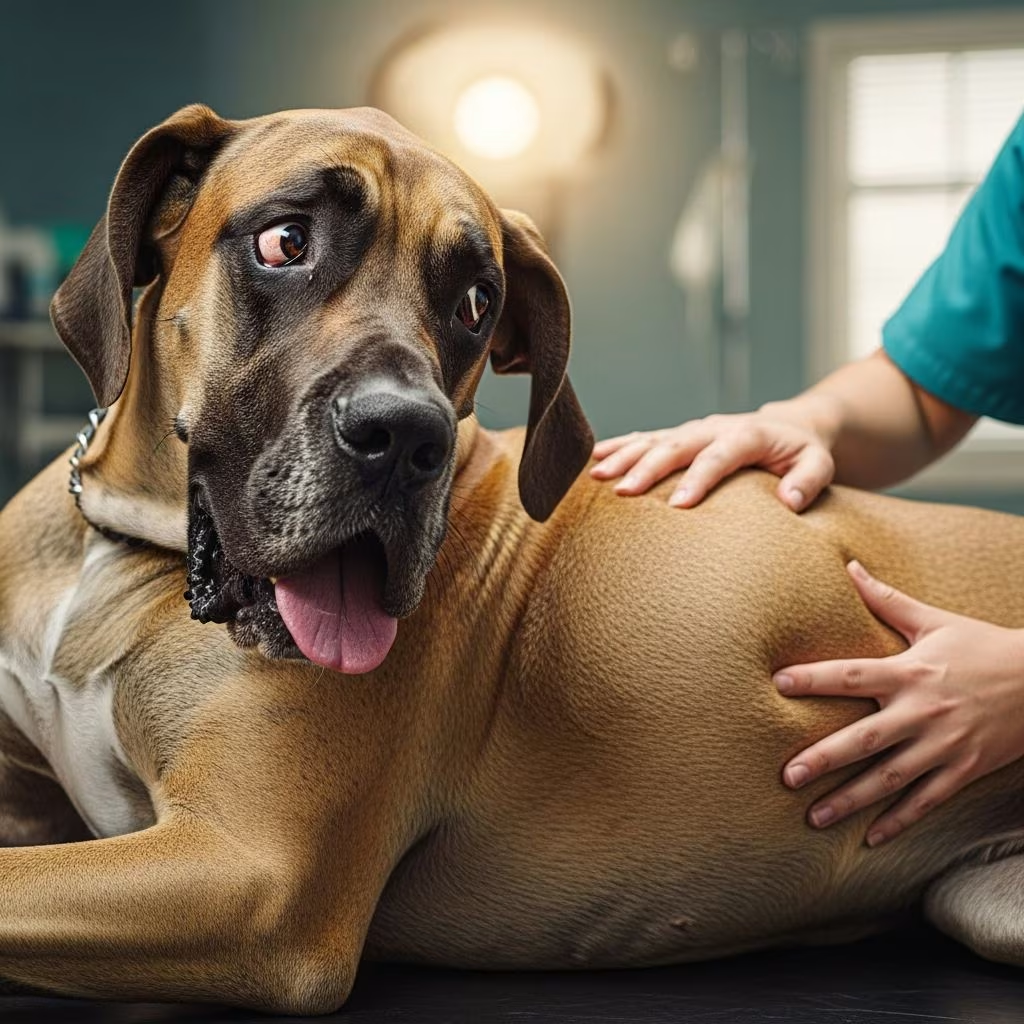
Understanding Bloat: Gastric Dilatation and Volvulus in Dogs
Bloat, medically known as gastric dilatation and volvulus (GDV), is one of the most serious and potentially fatal emergencies that can affect dogs. This condition occurs when a dog’s stomach rapidly fills with gas, food, or fluid, and in severe cases, the stomach may twist on itself, cutting off blood flow to vital organs. GDV is a true veterinary emergency that demands immediate professional intervention, as dogs can deteriorate rapidly and die within hours if left untreated. Understanding the signs, causes, and treatment options for bloat is essential for all dog owners, as early recognition and prompt action can mean the difference between life and death.
What is Gastric Dilatation and Volvulus?
Gastric dilatation and volvulus is a two-stage condition that begins when a dog’s stomach becomes abnormally distended with gas, food, or fluid. In the initial stage, called gastric dilatation, the stomach simply becomes enlarged and stretched. However, the condition becomes life-threatening when the stomach rotates or twists on itself—a phenomenon known as volvulus. When the stomach twists, it cuts off blood circulation to the stomach wall and surrounding organs, leading to tissue death, shock, and potentially fatal complications within a remarkably short timeframe.
The exact mechanisms that trigger GDV remain incompletely understood by veterinary scientists, though numerous risk factors have been identified. Researchers continue to investigate why some dogs develop this devastating condition while others never do, despite exposure to similar environmental and dietary factors.
Recognizing the Signs of Bloat
A dog experiencing bloat will typically display several characteristic warning signs that should prompt immediate veterinary attention. These symptoms often develop suddenly and progress rapidly, leaving little time for delayed decision-making.
Common Symptoms Include:
- Abdominal distension: A visibly swollen, hard, or tight abdomen that appears painful to the touch
- Restlessness and anxiety: Inability to settle, constant pacing, or apparent discomfort
- Retching without vomiting: Repeated unproductive attempts to vomit with no material produced
- Excessive salivation: Drooling more than normal
- Respiratory distress: Difficulty breathing or labored breathing patterns
- Signs of distress: Whining, whimpering, or crying indicating severe pain
- Weakness or collapse: In advanced cases, the dog may become lethargic or collapse
- Pale gums: Poor circulation may cause the gums to appear pale rather than pink
If your dog exhibits any combination of these symptoms, particularly abdominal distension combined with retching and restlessness, this constitutes a veterinary emergency requiring immediate transport to an animal hotel.
Risk Factors and Predisposing Conditions
While the exact cause of GDV remains unknown, veterinary researchers have identified numerous factors that appear to increase a dog’s risk of developing this condition. Understanding these risk factors allows dog owners to implement preventive measures tailored to their individual pets.
Breed and Body Structure
Large and giant breed dogs with deep, narrow chests face significantly higher risk for developing bloat compared to small breeds. Breeds particularly predisposed include Great Danes, German Shepherds, Boxers, Weimaraners, Doberman Pinschers, and St. Bernards. The anatomical shape of these dogs’ chests and abdomens appears to create conditions more favorable for gastric distension and rotation.
Dietary and Feeding Habits
Several feeding-related factors contribute to bloat risk. Dogs that eat too quickly are at elevated risk, as are those consuming single large meals daily rather than multiple smaller portions. Feeding from raised food bowls, once recommended for large breeds, may actually increase bloat risk. Additionally, dry kibble with fat or oil listed among the first four ingredients, and foods containing yeast or other gas-producing ingredients, may contribute to gastric gas accumulation.
Exercise and Activity Patterns
Vigorous exercise immediately before or shortly after eating significantly increases bloat risk. Dogs should have adequate rest periods following meals before engaging in strenuous activity.
Age and Weight Factors
Advanced age represents a significant risk factor, with older dogs experiencing higher incidence rates. Both overweight and underweight dogs face increased risk compared to dogs at ideal body weight.
Genetic and Behavioral Factors
Some evidence suggests genetic predisposition plays a role, as bloat sometimes runs in families. Additionally, temperament appears to influence risk—anxious, fearful, or hyperactive dogs demonstrate higher bloat rates than calm, relaxed dogs. Environmental stress, such as boarding situations or significant life changes, may also contribute.
Diagnosis of Bloat and GDV
Rapid and accurate diagnosis is critical for effective treatment. When you bring a suspected bloat case to a veterinary hospital, the diagnostic process begins immediately while treatment is simultaneously initiated to stabilize your dog.
Physical examination: The veterinarian will perform a thorough physical evaluation, assessing your dog’s overall condition, pain level, heart rate, blood pressure, and circulation status.
Radiographic imaging: X-rays are essential for confirming bloat and determining whether volvulus (stomach twisting) has occurred. These images reveal the position and degree of gastric distension.
Laboratory tests: Blood work and biochemical analysis help identify electrolyte imbalances, organ damage, and shock indicators. An electrocardiogram (ECG) may detect heart arrhythmias caused by toxin accumulation from compromised blood flow.
In some cases, the combination of clinical signs and physical examination findings may be so characteristic that treatment begins before all diagnostic tests are completed, as every minute of delay increases mortality risk.
Emergency Treatment Protocols
Treatment for bloat varies depending on severity, whether volvulus has occurred, and your dog’s overall stability. The primary goals of treatment are to stabilize your dog, relieve gastric pressure, correct any stomach positioning abnormality, and prevent recurrence.
Non-Surgical Treatment (Simple Bloat)
In cases where bloat exists without volvulus, non-surgical management may be possible. The veterinarian will attempt to pass a flexible tube down the dog’s esophagus into the stomach to allow accumulated gas and fluid to escape. This decompression procedure provides immediate relief of internal pressure.
If the stomach entrance has become occluded due to the degree of distension, the veterinarian may instead insert a needle or catheter directly through the abdominal wall into the stomach to access and remove trapped gas.
Supportive care during non-surgical treatment includes intravenous fluid administration to restore circulation, correct electrolyte imbalances, and combat shock. Pain medications ensure your dog remains comfortable throughout the ordeal. Antibiotics may be administered to prevent infection, particularly if tissue damage has occurred.
Surgical Intervention (GDV with Volvulus)
When volvulus has occurred or non-surgical decompression proves impossible, emergency surgery becomes necessary. Pre-operative preparation is critical, as dogs with GDV are at high risk under anesthesia. Initial stabilization with intravenous fluids, pain management, and stomach decompression precedes anesthesia induction.
The surgical procedure involves several key steps. The surgeon first exteriorizes the stomach to assess the degree of rotation and damage. The stomach is then rotated back to its normal anatomical position. Any tissue that has died or become severely damaged from lack of blood flow is carefully removed. Following stomach repositioning, most veterinarians perform a gastropexy—a procedure in which the stomach wall is sutured or stapled to the abdominal wall to prevent future rotation.
Gastropexy is remarkably effective at preventing recurrence; while approximately 80-90 percent of dogs that experience GDV will have the condition recur without intervention, gastropexy reduces this risk to less than 5 percent.
In some cases where the spleen has been severely damaged by the twisted stomach and compromised blood flow, splenectomy (spleen removal) may be necessary.
Post-Operative Care and Recovery
Recovery following GDV treatment requires careful monitoring and specific post-operative protocols. Dogs must be hospitalized for close observation during the critical post-operative period. Pain management continues throughout recovery, as the abdomen remains tender from the emergency event and surgical intervention. Intravenous fluid support continues until oral intake can be safely resumed. Activity restriction is essential during healing; your veterinarian will provide specific guidelines for gradually increasing your dog’s activity level over several weeks.
Dietary modification is typically recommended following recovery. Your veterinarian may suggest feeding smaller, more frequent meals using slow-feeder bowls to prevent rapid consumption. Some dogs benefit from a combination of wet and dry food rather than kibble alone. Probiotic supplements and specially formulated diets may also be recommended to support digestive health.
Prevention Strategies for Dog Owners
While complete prevention of bloat cannot be guaranteed, implementing evidence-based strategies can significantly reduce your dog’s risk.
Feeding Management
Divide daily rations: Serve food in two or three smaller meals daily rather than one large meal. This reduces the volume of material in the stomach at any given time.
Use appropriate feeders: Employ slow-feeder bowls or puzzle feeders that encourage slower consumption and reduce the rate of food intake.
Food composition: Select high-quality foods emphasizing protein over carbohydrates and fillers. Avoid foods listing fat or oil among the first four ingredients. Avoid yeast-containing or gas-producing ingredients.
Raised versus ground-level bowls: Contrary to previous recommendations, feeding from ground-level bowls may be preferable to raised bowls for at-risk breeds.
Activity Management
Maintain at least one to two hours of rest after meals before vigorous exercise. Encourage calm activity during this post-meal period.
Stress Reduction
Provide a calm, stable home environment. Minimize exposure to significant stressors when possible. For anxious dogs, consider behavioral modification techniques or consultation with a veterinary behaviorist.
Weight Management
Maintain your dog at an ideal body weight through appropriate nutrition and exercise. Avoid both obesity and being underweight.
Preventive Gastropexy
For dogs with a strong family history of bloat or those belonging to high-risk breeds, some veterinarians recommend prophylactic gastropexy performed during other surgeries (such as spaying or neutering). Consult your veterinarian about whether this preventive approach is appropriate for your dog.
Why There Are No Home Remedies for Bloat
Some dog owners may search for home remedies or attempt to treat bloat at home. It is critical to understand that no safe home treatments exist for true GDV. Bloat progresses with alarming speed, and any delay in professional veterinary treatment dramatically decreases survival odds. Home remedy attempts—whether administering over-the-counter medications, applying heat, or massaging the abdomen—waste precious time that could be spent undergoing life-saving professional intervention.
The only appropriate response to suspected bloat is immediate transport to a veterinary hospital. Time literally means life or death in these cases.
Prognosis and Long-Term Outcomes
Prognosis following bloat depends on several factors including how quickly treatment was initiated, the extent of tissue damage, whether surgery was required, and the dog’s overall health status. With modern veterinary treatment, survival rates for dogs that reach professional care quickly can exceed 80 percent. However, untreated bloat is invariably fatal, typically within hours.
Dogs that survive GDV with gastropexy have an excellent long-term prognosis, with recurrence rates dropping below 5 percent. These dogs can enjoy normal lifespans and quality of life when appropriate preventive measures are maintained.
Frequently Asked Questions About Canine Bloat
Q: Can bloat occur without warning?
A: Yes, bloat often develops suddenly without preceding symptoms. Dogs can appear normal one moment and be in life-threatening distress the next, which is why understanding risk factors and warning signs is so important.
Q: Is bloat preventable?
A: While complete prevention cannot be guaranteed, implementing evidence-based prevention strategies—including appropriate feeding practices, activity management, stress reduction, and weight control—can significantly reduce bloat risk.
Q: What should I do if I suspect my dog has bloat?
A: Transport your dog to a veterinary hospital immediately. Call ahead if possible to alert the clinic to expect an emergency case. Do not attempt home treatment or wait to see if symptoms resolve on their own.
Q: Can my dog die from bloat?
A: Yes, untreated bloat is fatal, typically within hours. Even with treatment, some dogs may not survive due to the severity of tissue damage. However, dogs receiving prompt professional treatment have significantly better survival odds.
Q: Will my dog get bloat again after recovering from GDV?
A: Without preventive measures, recurrence rates are approximately 80-90 percent. However, with gastropexy and appropriate preventive care, recurrence risk drops below 5 percent.
Q: Are certain dog breeds more susceptible to bloat?
A: Yes, large and giant breeds with deep, narrow chests face the highest risk, including Great Danes, German Shepherds, Boxers, and Weimaraners.
Conclusion
Bloat represents one of the most serious veterinary emergencies, affecting thousands of dogs annually and killing many within hours of onset. However, armed with knowledge about risk factors, warning signs, and appropriate response protocols, dog owners can dramatically improve outcomes for their beloved companions. By recognizing the early signs of GDV, understanding which dogs face the highest risk, implementing prevention strategies appropriate for individual dogs, and responding with immediate veterinary care should bloat be suspected, you can help protect your dog from this devastating condition. When bloat occurs, remember that every minute counts—seeking immediate professional veterinary intervention provides your dog with the best chance for survival and return to normal quality of life.
References
- Bloat in Dogs: Symptoms, Treatment & Prevention — CareCredit. Accessed November 2025. https://www.carecredit.com/well-u/pet-care/bloat-in-dogs/
- A Dog Owner’s Guide to Bloat: Questions and Answers — South Seattle Veterinary Hospital. https://www.southseattlevet.com/a-dog-owners-guide-to-bloat-questions-and-answers
- Bloat in Dogs | Symptoms and Treatment of Bloat — Blue Cross UK. https://www.bluecross.org.uk/advice/dog/health-and-injuries/bloat-in-dogs
- Bloat (or GDV) in Dogs: What Is it and How Is it Treated? — American Kennel Club. https://www.akc.org/expert-advice/health/bloat-in-dogs/
- Canine Bloat (GDV): Risk, Treatment, and Prevention — AESC Parker Animal Hospital. https://www.aescparker.com/blog/canine-bloat-gdv-risk-treatment-and-prevention
- Dog Bloated Stomach Home Remedy: A Vet’s Urgent Warning — George Street Veterinary Services. https://gsvs.org/blog/dog-bloated-stomach-home-remedy-urgent-warning/
- Bloat: Gastric Dilatation and Volvulus in Dogs — VCA Animal Hospitals. https://vcahospitals.com/know-your-pet/bloat-gastric-dilatation-and-volvulus-in-dogs



