

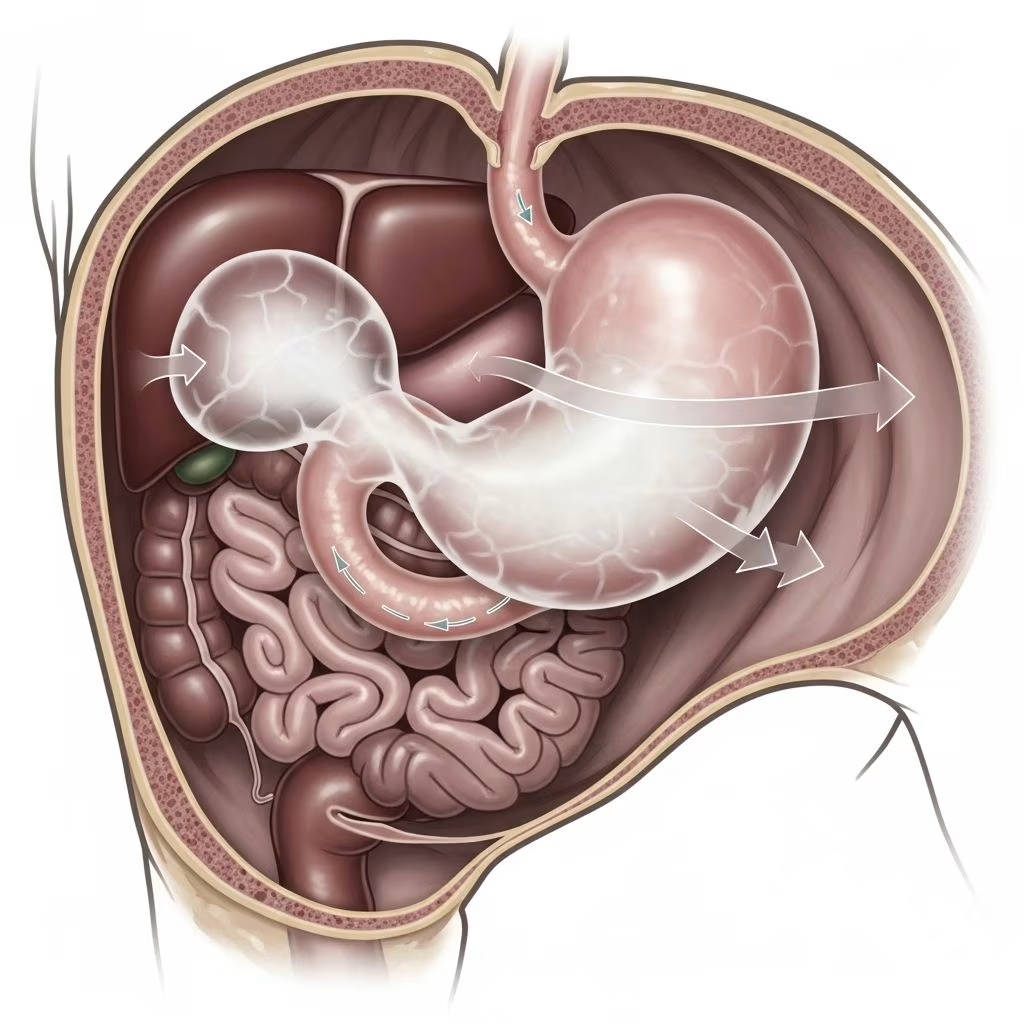
Bloat: Gastric Dilatation and Volvulus in Dogs
Bloat, medically known as gastric dilatation-volvulus (GDV), is one of the most serious and life-threatening emergencies that can affect dogs. This condition occurs when a dog’s stomach rapidly fills with gas, food, or fluid, and in severe cases, the stomach twists on itself, cutting off blood supply to vital organs. Understanding bloat is critical for dog owners because prompt recognition and immediate veterinary treatment can mean the difference between life and death.
What Is Bloat?
Bloat describes a condition in which a dog’s stomach becomes abnormally distended and dilated. When bloat progresses to gastric dilatation-volvulus (GDV), the stomach not only fills with gas but also rotates or twists on itself. This rotation prevents food and gas from leaving the stomach, traps blood in the stomach wall, and cuts off blood flow to other organs. Without immediate emergency treatment, this condition is fatal, usually within hours.
The condition develops without warning and can progress rapidly. What may seem like a minor stomach upset can quickly escalate into a life-threatening emergency, making immediate veterinary attention essential the moment any symptoms are noticed.
Signs and Symptoms of Bloat
Recognizing the signs of bloat is crucial for early intervention. Dogs affected by bloat may exhibit several telltale symptoms:
- Restlessness and pacing, often unable to get comfortable
- A visibly swollen or distended abdomen that appears hard or painful
- Excessive salivation or drooling
- Retching or attempts to vomit with little or no success
- Overall appearance of distress or pain
- Trouble breathing or shortness of breath
- Rapid or weak pulse
- Pale gums or mucous membranes
- Signs of shock, including lethargy or collapse
If you notice any combination of these symptoms, especially the characteristic unsuccessful retching combined with a hard, distended belly, seek emergency veterinary care immediately. Every minute counts in bloat cases.
Risk Factors and Causes of Bloat
While the exact cause of bloat remains unknown, veterinarians have identified numerous risk factors that contribute to its development. Understanding these factors can help you take preventive measures for your dog.
Breed and Genetics
Large and giant-breed dogs with deep chests are at significantly higher risk for developing bloat. Breeds such as Great Danes, German Shepherds, Boxers, Doberman Pinschers, and Saint Bernards experience bloat at much higher rates than smaller breeds. Dogs with a family history of bloat have an increased genetic predisposition to the condition, and bloat can affect multiple dogs within the same family line.
Feeding Habits
Several feeding-related factors contribute to bloat risk. Dogs that eat very quickly or consume large meals in single sittings face increased risk. Feeding from raised food bowls, which was once thought to prevent bloat, may actually increase the risk. Dry food with fat or oil listed as one of the first four ingredients has been associated with higher bloat incidence. Feeding once daily rather than dividing meals into smaller portions throughout the day increases vulnerability.
Activity and Exercise
Exercising immediately after eating is a significant risk factor. Dogs that engage in vigorous activity, run, or play within one to two hours of consuming a meal face elevated bloat risk. This is particularly concerning for active dogs in households where feeding schedules cannot be coordinated with rest periods.
Other Contributing Factors
Additional risk factors include rapid water consumption, especially after eating; stress and anxiety; being overweight or underweight; advanced age; and previous episodes of bloat. Dogs in stressful environments, such as boarding facilities or during behavioral anxiety episodes, show increased bloat susceptibility.
Diagnosis of Bloat
When you bring a suspected bloat case to the veterinary clinic, diagnosis must occur rapidly to begin treatment immediately. Veterinarians confirm GDV through several diagnostic methods:
- X-rays: Radiographs clearly show gastric dilatation and can reveal whether the stomach has twisted. They also help assess organ damage.
- Blood tests: Bloodwork evaluates organ function, electrolyte levels, and blood chemistry to assess the severity of systemic effects.
- Electrocardiogram (ECG): This test detects heart abnormalities or arrhythmias caused by toxin buildup from decreased blood circulation.
- Physical examination: The veterinarian assesses pain level, abdominal distension, and overall shock status.
Once bloat is suspected, treatment begins immediately while diagnostic confirmation is underway, as delaying care increases mortality risk significantly.
Treatment of Bloat
Treatment approaches depend on bloat severity and whether the stomach has twisted. Early-stage simple bloat without volvulus may be treatable without surgery, while advanced GDV with stomach twist requires emergency surgical intervention.
Initial Stabilization
The first priority is stabilizing the dog’s condition through shock management. This includes:
- Administering intravenous fluids and electrolytes to restore circulation and prevent organ failure
- Providing pain medications to relieve suffering and reduce stress
- Administering antibiotics to prevent infection
- Treating cardiac arrhythmias with stabilizing medications if detected
Stomach Decompression
Veterinarians work to relieve pressure in the stomach by removing trapped gas, food, and fluid. This can be accomplished through two methods:
- Stomach tube: A tube is passed down the esophagus into the stomach to release trapped gas and contents.
- Needle decompression: If stomach twisting prevents tube passage, a large needle is inserted through the abdominal wall directly into the stomach to release pressure.
Surgical Treatment
If the stomach has twisted (volvulus) or if simple bloat does not respond to medical management, emergency surgery is required. During surgery, the veterinarian:
- De-rotates the stomach to restore normal position
- Assesses organ damage caused by interrupted blood flow
- Removes dead or severely damaged stomach tissue
- Performs gastropexy, a procedure that tacks the stomach to the abdominal wall to prevent future twisting
- May remove portions of the spleen or stomach if damage is extensive
With gastropexy performed during emergency surgery, the recurrence rate of GDV drops from approximately 80% to less than 5%.
Prognosis and Recovery
The prognosis for bloat depends on how quickly treatment is initiated and the severity of organ damage. Dogs treated in early stages of simple bloat have better survival rates than those with advanced GDV and multiple organ involvement. Even with surgery, some dogs may experience complications from the trauma their organs sustained during the bloat episode.
Post-operative recovery requires careful management including pain control, restricted activity, dietary modifications, and close monitoring for complications. Many dogs make full recoveries with appropriate post-operative care, though some may have lasting effects from the condition.
Prevention Strategies
While bloat cannot be completely prevented, several management strategies significantly reduce risk:
Feeding Management
- Divide daily food intake into two or three smaller meals rather than one large meal
- Use slow-feeder bowls or puzzle feeders to reduce eating speed
- Feed from floor-level bowls rather than raised feeders
- Choose high-quality dog foods with named meat proteins rather than by-products
- Avoid foods with fat or oil as primary ingredients
- Limit water intake immediately after eating; offer water in multiple small portions throughout the day
Activity Restrictions
- Wait at least one to two hours after eating before vigorous exercise
- Avoid strenuous activity immediately before meals
- Keep dogs calm and quiet during digestion periods
Stress Management
- Minimize exposure to stressful situations when possible
- Create a calm feeding environment free from competition or anxiety
- Consider anxiety management techniques for chronically stressed dogs
Preventive Surgery
For high-risk breeds or dogs with previous bloat episodes, veterinarians may recommend prophylactic gastropexy. This elective surgical procedure tacks the stomach to the abdominal wall before an emergency occurs, significantly reducing bloat and GDV risk. Many owners of at-risk breeds choose this preventive option for peace of mind and improved dog longevity.
Frequently Asked Questions
Q: Is there a home remedy for bloat in dogs?
A: No. There are no safe home remedies for true bloat. Bloat is a medical emergency requiring immediate professional veterinary treatment. Attempting home treatment delays necessary care and can result in death.
Q: How quickly does bloat develop?
A: Bloat can develop very rapidly, often progressing from initial symptoms to life-threatening emergency status within hours. This is why immediate veterinary attention at the first sign of symptoms is critical.
Q: Can bloat recur after treatment?
A: Yes, without gastropexy, approximately 80% of dogs that experience bloat will have another episode. With gastropexy performed during emergency surgery, recurrence rates drop to less than 5%.
Q: Are certain dog breeds more prone to bloat?
A: Yes, large and giant-breed dogs with deep chests, including Great Danes, German Shepherds, Boxers, and Saint Bernards, face significantly higher bloat risk than smaller breeds.
Q: Should I consider preventive gastropexy surgery for my dog?
A: For high-risk breeds or dogs with a family history of bloat, discussing prophylactic gastropexy with your veterinarian is recommended. This preventive surgery can significantly reduce bloat risk and provide peace of mind.
Q: What should I do if I think my dog has bloat?
A: Seek emergency veterinary care immediately. Call your veterinarian or emergency veterinary clinic right away. Do not wait to see if symptoms resolve on their own. Time is critical in bloat cases.
Conclusion
Bloat (gastric dilatation-volvulus) represents one of the most serious veterinary emergencies affecting dogs, particularly large and giant breeds. While the exact cause remains unclear, numerous risk factors have been identified that allow owners to take preventive measures. Recognizing symptoms early and seeking immediate emergency veterinary care is essential, as survival depends on rapid intervention. Understanding feeding management, activity restrictions, and preventive options empowers dog owners to reduce bloat risk and protect their beloved companions from this life-threatening condition. When in doubt, always err on the side of caution and contact your veterinarian immediately if you suspect bloat.
References
- Bloat in Dogs: Symptoms, Treatment & Prevention — CareCredit. 2024. https://www.carecredit.com/well-u/pet-care/bloat-in-dogs/
- Bloat (or GDV) in Dogs: What Is it and How Is it Treated? — American Kennel Club. 2024. https://www.akc.org/expert-advice/health/bloat-in-dogs/
- Signs, Symptoms, and Preventing Bloat in Dogs — GoodRx. 2024. https://www.goodrx.com/pet-health/dog/bloat-in-dogs
- Gastric Dilatation-Volvulus (Bloat) — Veterinary Medical Center of CNY. 2024. https://vmccny.com/gastric-dilatationvolvulus-bloat/
- Bloat in Dogs | Symptoms and Treatment of Bloat — Blue Cross. 2024. https://www.bluecross.org.uk/advice/dog/health-and-injuries/bloat-in-dogs
- Canine Bloat (GDV): Risk, Treatment, and Prevention — AESC Parker. 2024. https://www.aescparker.com/blog/canine-bloat-gdv-risk-treatment-and-prevention
- Dog Bloated Stomach Home Remedy: A Vet’s Urgent Warning — GSVS. 2024. https://gsvs.org/blog/dog-bloated-stomach-home-remedy-urgent-warning/



