

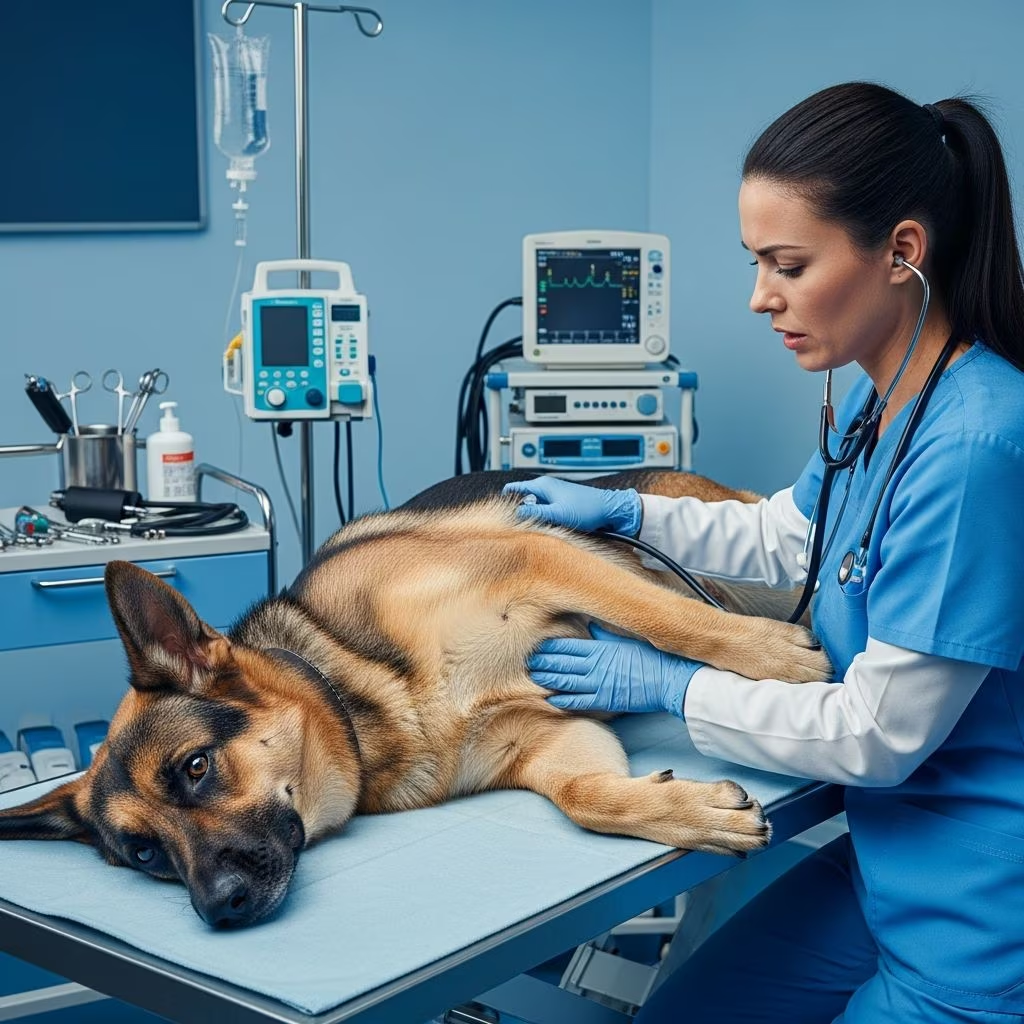
Bloat in Dogs: The Mother of All Emergencies
When it comes to canine health emergencies, few conditions are as serious or time-sensitive as bloat, medically known as gastric dilatation-volvulus (GDV). This life-threatening condition can develop rapidly and claim a dog’s life within hours without immediate veterinary intervention. Understanding bloat, recognizing its symptoms, and knowing how to respond can mean the difference between life and death for your beloved pet.
What Is Bloat (GDV)?
Bloat, or gastric dilatation-volvulus, occurs when a dog’s stomach fills with gas, food, or fluid and becomes abnormally distended. In many cases, the enlarged stomach twists on itself, cutting off blood flow to the stomach and other vital organs. This twisting is what makes the condition particularly dangerous and transforms simple bloat into a medical emergency requiring immediate surgery.
The stomach’s position in a dog’s abdomen makes it susceptible to this twisting motion. When the stomach dilates excessively, it can rotate around its axis, compressing blood vessels and preventing normal circulation. This compromises the stomach tissue and can lead to tissue death if not corrected promptly.
Recognizing the Signs of Bloat
Time is critical when bloat occurs, which is why recognizing the symptoms immediately is paramount. A dog experiencing bloat may display one or more of the following signs:
- Abdominal distension: A noticeably swollen or enlarged abdomen that appears tight and uncomfortable
- Restlessness and pacing: Inability to settle down, constant movement, or anxious behavior
- Retching without vomiting: Dry heaving or attempts to vomit with little or no production
- Salivation: Excessive drooling or foaming at the mouth
- Distress and pain: Visible signs of discomfort, whining, or a pained expression
- Difficulty breathing: Labored or rapid breathing due to stomach pressure on the diaphragm
- Lethargy or collapse: Weakness, lack of responsiveness, or loss of consciousness in severe cases
- Weak pulse: Signs of shock including pale gums and rapid heart rate
Any combination of these symptoms warrants an immediate trip to an emergency veterinary clinic. Do not wait to see if symptoms improve on their own—bloat is always a medical emergency.
Understanding Risk Factors for Bloat
While the exact cause of bloat remains unclear despite ongoing research, numerous risk factors have been identified. Understanding these factors can help you take preventive measures and monitor your dog more carefully.
Feeding and Eating Habits
How and what you feed your dog significantly impacts bloat risk. Dogs fed only one large meal per day are twice as likely to develop bloat compared to those fed multiple smaller meals throughout the day. Additionally, fast eaters face five times the risk of bloat than dogs that eat slowly. Eating too quickly prevents proper digestion and increases gas accumulation in the stomach.
Consuming large quantities of food or water in short periods also contributes to bloat. Overeating and drinking excessive water immediately after meals or exercise can cause the stomach to distend rapidly. Some research suggests that dry dog foods listing oils or fats among the first four ingredients may predispose dogs to GDV, though evidence remains inconclusive.
Exercise and Activity Patterns
Vigorous exercise immediately before or after eating is a significant risk factor. The combination of physical activity and a full stomach can trigger stomach movement and increase gas accumulation. It’s advisable to wait at least one to two hours after feeding before engaging in strenuous exercise.
Breed Predisposition
Large and giant dog breeds face substantially higher bloat risk than smaller breeds. Deep-chested breeds such as Great Danes, German Shepherds, Standard Poodles, Doberman Pinschers, and Boxers are particularly susceptible. If your dog belongs to a high-risk breed, extra vigilance is essential.
Age and Genetics
Middle-aged to older dogs are at highest risk for developing bloat. Additionally, if your dog has relatives—parents, siblings, or offspring—who have suffered from bloat, the genetic predisposition increases significantly. Dogs with a family history of bloat should not be used for breeding purposes.
Temperament and Stress
A dog’s personality plays a role in bloat development. Dogs described as anxious, fearful, nervous, or “hyper” face elevated risk compared to calm, relaxed dogs. Stressful situations such as boarding, travel, sudden schedule changes, or environmental shifts can trigger bloat in susceptible dogs.
Body Condition
Both obesity and being underweight are risk factors. Additionally, dogs with a history of aggression toward people or animals show increased bloat risk, possibly due to elevated stress levels.
How Veterinarians Diagnose Bloat
Upon arrival at the veterinary clinic, your dog will undergo rapid diagnostic procedures to confirm bloat. Physical examination combined with abdominal X-rays provides definitive diagnosis and helps determine whether the stomach has twisted. The veterinarian will assess your dog’s vital signs and overall condition to evaluate shock severity.
Emergency Treatment Protocols
Bloat treatment depends on the condition’s severity and whether the stomach has twisted. Rapid diagnosis and intervention are critical to improving survival chances.
Initial Stabilization
Before any other treatment, veterinarians focus on stabilizing your dog and managing shock. This involves administering intravenous (IV) fluids with electrolytes to restore circulation to vital organs and counteract the effects of shock. Pain medications are given to manage discomfort, and antibiotics may be prescribed to prevent infection or treat tissue damage.
Stomach Decompression
To relieve the dangerous pressure within the stomach, a veterinarian may attempt to pass a stomach tube through the esophagus into the stomach to release trapped gas and fluid. If the stomach has twisted, preventing tube passage, an alternative method involves inserting a large-bore needle or catheter directly through the skin and abdominal wall into the stomach.
Surgical Intervention
If the stomach has twisted (volvulus), emergency surgery is absolutely necessary. During surgery, the veterinarian will untwist the stomach and return it to its normal position. Any dead or dying stomach tissue is removed to prevent complications. The surgeon will perform a gastropexy procedure, suturing the stomach wall to the abdominal wall to significantly reduce the risk of future rotation.
In cases where the spleen has been severely damaged by the twisted and bloated stomach, spleen removal may be necessary. An electrocardiogram (ECG) monitors for heart abnormalities that may have developed during the emergency.
Post-Surgical Care
Following surgery, your dog will require hospitalization for monitoring and continued IV fluids, pain management, and antibiotics. Recovery time varies based on the surgery’s severity and any complications that arose.
Survival Rates and Prognosis
If caught early and treated promptly, bloat is curable. However, untreated bloat is often fatal. Even with treatment, the condition carries risks. Dogs that experience bloat without volvulus (simple bloat without twisting) typically have better outcomes and may be managed without surgery.
However, approximately 90 percent of dogs that experience GDV will have the condition recur without preventive gastropexy. This is why the preventive surgical procedure is so important for affected dogs.
Preventing Bloat in Your Dog
While not all cases of bloat are preventable, several evidence-based strategies significantly reduce risk:
- Feed multiple smaller meals: Offer two to three meals daily rather than one large meal
- Use slow-feeder bowls: Bowls with center posts or fingers physically slow eating pace
- Manage exercise timing: Wait one to two hours after eating before vigorous activity, and avoid exercise immediately before meals
- Control water intake: Prevent excessive water consumption after meals or exercise
- Reduce stress: Minimize anxiety-triggering situations and provide a calm feeding environment
- Address feeding anxiety: Feed dogs separately if multiple dogs create competition stress
- Monitor weight: Maintain healthy body condition through appropriate diet and exercise
- Consider preventive gastropexy: Discuss this surgical option with your veterinarian if your dog belongs to a high-risk breed or has bloat family history
When to Seek Emergency Care
If you suspect your dog has bloat, do not delay seeking veterinary care. Contact an emergency veterinary clinic immediately if your dog shows any combination of the warning signs mentioned above. Time is literally of the essence—every minute counts when bloat is present.
Keep emergency veterinary clinic contact information readily available, especially if you own a high-risk breed. Some owners of at-risk dogs save multiple emergency clinic numbers to ensure quick access to care.
Frequently Asked Questions About Dog Bloat
Q: Can bloat be treated at home?
A: No. There are no home remedies for bloat. This is a life-threatening emergency requiring immediate professional veterinary care. Attempting home treatment delays critical medical intervention and greatly reduces survival chances.
Q: How quickly can bloat be fatal?
A: Bloat can be fatal within hours without treatment. This is why recognizing symptoms and seeking immediate care is absolutely critical. Do not wait to observe if symptoms improve on their own.
Q: What specific foods cause bloat?
A: No specific foods definitively cause bloat. However, dry foods listing oils or fats in the first four ingredients have been associated with increased risk. Large meal sizes and rapid consumption are more significant concerns than specific food types.
Q: Are certain dog breeds more prone to bloat?
A: Yes. Large and giant breeds with deep chests are at highest risk, including Great Danes, German Shepherds, Standard Poodles, Doberman Pinschers, and Boxers. However, any dog can develop bloat.
Q: What is gastropexy and why is it important?
A: Gastropexy is a surgical procedure that sutures the stomach to the abdominal wall, preventing future rotation. It’s important because approximately 90 percent of dogs that experience GDV will have recurrence without this preventive procedure. Some owners of high-risk dogs choose preventive gastropexy before bloat ever occurs.
Q: Can bloat recur after treatment?
A: Yes, without gastropexy, bloat can recur in most affected dogs. This is why the preventive surgical procedure is recommended for all dogs that experience GDV.
References
- Gastric Dilatation-Volvulus (Bloat) — Veterinary Medical Center of CNY. 2024. https://vmccny.com/gastric-dilatation-volvulus-bloat/
- Bloat in Dogs — PetMD, written by Katie Grzyb, DVM. 2024. https://www.petmd.com/dog/conditions/digestive/bloat-in-dogs
- Bloat in Dogs: Symptoms and Treatment of Bloat — Blue Cross. 2024. https://www.bluecross.org.uk/advice/dog/health-and-injuries/bloat-in-dogs
- Bloat (or GDV) in Dogs: What Is it and How Is it Treated? — American Kennel Club. 2024. https://www.akc.org/expert-advice/health/bloat-in-dogs/
- Bloat: Gastric Dilatation and Volvulus in Dogs — VCA Animal Hospitals. 2024. https://vcahospitals.com/know-your-pet/bloat-gastric-dilatation-and-volvulus-in-dogs
- Speed Counts With Canine Bloat — Oz Animal Hospital. 2024. https://ozanimalhospital.com/speed-counts-with-canine-bloat/
- Canine Bloat (GDV): Risk, Treatment, and Prevention — AESC Parker Veterinary Emergency Clinic. 2024. https://www.aescparker.com/blog/canine-bloat-gdv-risk-treatment-and-prevention



