

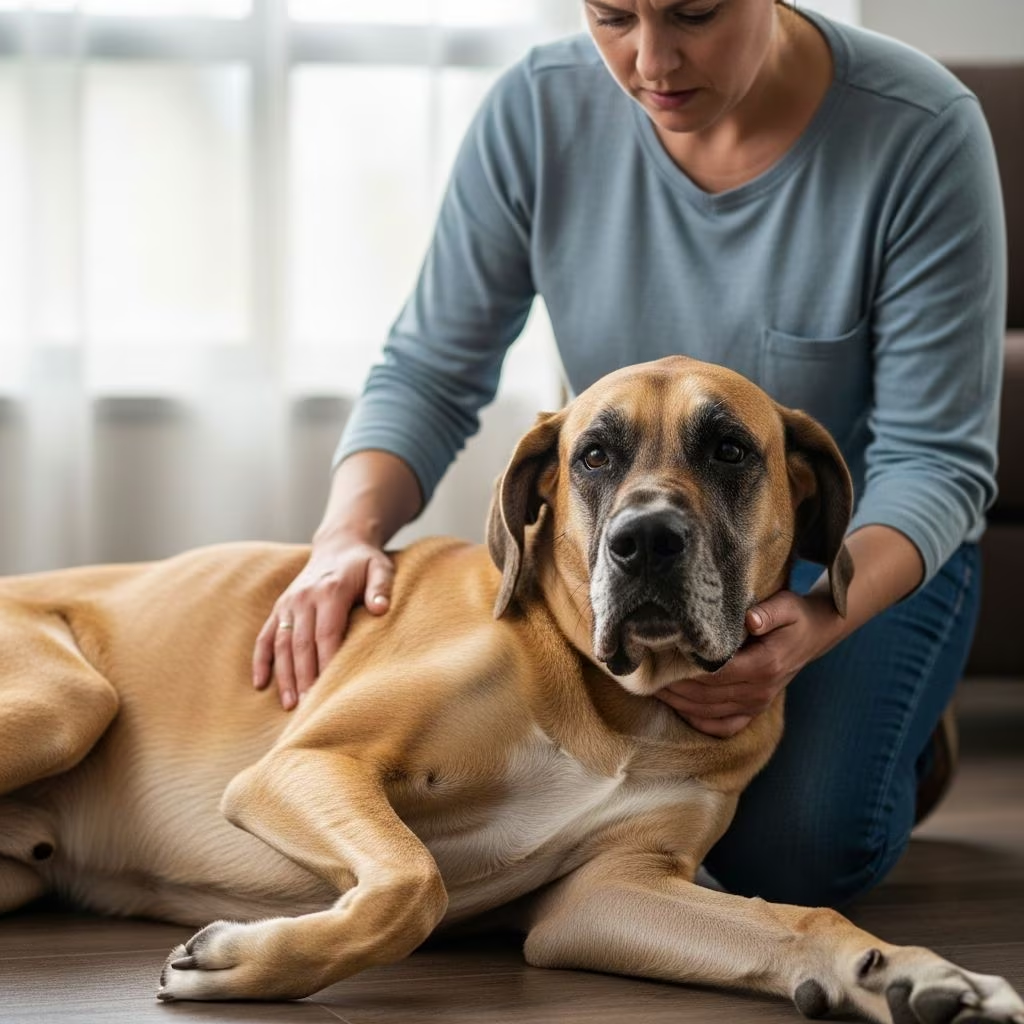
Understanding Bloat (GDV) in Dogs: A Life-Threatening Emergency
Bloat, medically known as Gastric Dilatation and Volvulus (GDV), is one of the most serious and potentially fatal conditions affecting dogs. This condition occurs when a dog’s stomach rapidly fills with gas, food, or fluid, and in many cases, the stomach twists on itself, cutting off blood flow to vital organs and tissues. Unlike many other health conditions that develop gradually, bloat appears suddenly and progresses with alarming speed, often becoming life-threatening within hours if left untreated.
The danger of GDV lies not only in the physical distension of the stomach but also in the secondary effects it creates. When the stomach twists, it can trap blood vessels and nerves, preventing normal circulation and leading to tissue death. Additionally, the pressure from the distended stomach can compress the diaphragm, making it difficult for the dog to breathe, while also putting pressure on other abdominal organs.
What Causes Bloat in Dogs?
Despite extensive research by veterinarians and animal health researchers, the exact cause of bloat remains unclear. However, veterinarians have identified numerous risk factors that appear to contribute to the development of this serious condition.
Primary Risk Factors
Several behavioral and dietary factors have been consistently linked to increased bloat risk:
– Eating meals very quickly or rapidly consuming large quantities of food- Eating from raised food bowls, which may affect how food enters the stomach- Drinking excessive amounts of water in a short period of time- Exercising or engaging in vigorous activity shortly after eating- Consuming dry food with fat or oil listed among the first four ingredients- Being overweight or conversely, being significantly underweight- Stress or anxiety, particularly in dogs with nervous or fearful temperaments
Research has shown that dogs described as hyper, fearful, or anxious tend to have a higher incidence of GDV compared to calm, relaxed dogs in stable environments.
Breed and Genetic Predisposition
Certain dog breeds carry a significantly higher risk for developing bloat. Large and giant breeds with deep chests are particularly vulnerable, including Great Danes, German Shepherds, Labrador Retrievers, and Saint Bernards. This breed predisposition suggests a genetic component to GDV susceptibility.
Dogs with a family history of bloat—where a parent, sibling, or other close relative has experienced this condition—face substantially elevated risk. This genetic link is so significant that many owners of high-risk breeds routinely discuss preventive measures with their veterinarians, even if their individual dog has not yet experienced bloat.
Age and Other Contributing Factors
Age plays a notable role in bloat development, with middle-aged and senior dogs facing significantly higher risk than younger animals. Additionally, dogs that are fed only one large meal per day rather than multiple smaller meals appear more prone to bloat. Conditions that decrease normal intestinal movement can also predispose dogs to stomach dilation and subsequent volvulus.
Recognizing the Signs of Bloat: Emergency Warning Symptoms
Identifying bloat quickly is critical, as every minute counts when this condition develops. Dogs experiencing bloat typically display a combination of distinctive symptoms that warrant immediate veterinary attention.
Acute Symptoms
The most common and recognizable sign of bloat is unproductive retching—the dog appears as though it needs to vomit, but little to nothing comes out. This unsuccessful attempt to vomit is one of the classic red flags that should prompt immediate emergency veterinary care.
Additional warning signs include:
– Visible enlargement or distension of the abdomen that appears hard and painful- Excessive salivation or drooling- Restlessness and pacing, with the dog unable to settle comfortably- Overall appearance of severe distress or anxiety- Difficulty breathing or labored breathing patterns- Signs of pain when the abdomen is touched or examined- Pale gums, which may indicate poor circulation or shock
If your dog displays any combination of these symptoms, seek emergency veterinary care immediately. Do not wait, as delays in treatment significantly reduce the chances of survival.
Diagnosis: Confirming Bloat
When a dog arrives at an emergency veterinary clinic with suspected bloat, veterinarians work rapidly to confirm the diagnosis and assess the severity of the condition. Time is essential, and modern veterinary facilities are equipped to diagnose and initiate treatment within minutes.
Diagnostic Tools and Tests
Veterinarians typically use X-rays as the primary diagnostic tool to confirm GDV and determine whether the stomach has twisted. These imaging studies clearly show the distended stomach and any rotation that may have occurred.
Blood tests are also performed to assess the dog’s overall condition, including electrolyte levels, kidney function, and liver function. An electrocardiogram (ECG) may be used to detect heart abnormalities or arrhythmias that can result from the buildup of toxins due to decreased blood circulation caused by the twisted stomach.
These diagnostic procedures help veterinarians determine the severity of the condition, establish the dog’s current stability level, and plan the most appropriate treatment approach.
Treatment of Bloat: Emergency and Surgical Interventions
Treatment protocols for bloat depend on the severity of the condition and whether the stomach has actually twisted (volvulus) or simply become distended without rotating.
Immediate Stabilization
Regardless of whether surgery will ultimately be necessary, the first priority is to stabilize the dog and relieve the pressure on vital organs. This initial phase includes:
– Administration of intravenous (IV) fluids to counteract shock and support circulation- Correction of electrolyte imbalances- Administration of pain medications to relieve suffering- Decompression of the stomach by passing a tube through the mouth and into the stomach to release trapped gas, or if this is not possible, using a needle or catheter inserted through the skin into the stomach
These stabilization measures are critical and often begin immediately upon arrival, even before complete diagnostic confirmation, as the risk of waiting typically outweighs any potential complications.
Non-Surgical Treatment
In some cases where bloat is diagnosed early and the stomach has not twisted, dogs may be treated without emergency surgery. These cases may respond to aggressive medical management including stomach decompression, IV fluids, medications, and close monitoring.
Surgical Intervention
If the stomach has twisted (volvulus), or if the dog does not respond adequately to medical management, emergency surgery is required. During surgery, the veterinarian’s objectives include:
– Returning the stomach to its normal anatomical position- Assessing damage to the stomach wall and surrounding organs caused by lack of blood flow- Removing any dead or dying tissue- Performing gastropexy to prevent recurrence
The Gastropexy Procedure
Gastropexy is a surgical technique in which a portion of the stomach wall is permanently sutured or attached to the abdominal wall, preventing the stomach from rotating if bloat should occur again. Without gastropexy, the recurrence rate of bloat is approximately 75-90 percent, meaning that most dogs that experience one episode of volvulus will have another without this preventive measure.
With gastropexy performed during the initial emergency surgery, the recurrence rate drops dramatically to less than 5 percent. Many veterinarians now perform this procedure laparoscopically, which is less invasive than traditional open surgery and can reduce recovery time.
Prevention: Reducing Your Dog’s Bloat Risk
While bloat cannot always be prevented, particularly in dogs with genetic predisposition, numerous strategies can significantly reduce the risk of this life-threatening condition.
Dietary Management
One of the most effective prevention strategies involves modifying feeding habits. Instead of offering one large meal daily, divide your dog’s food into two or three smaller meals spread throughout the day. This approach reduces the volume of food entering the stomach at one time and may help decrease gas production.
Avoid feeding from elevated food bowls, as these can increase the amount of air a dog swallows while eating. Additionally, choose high-quality dog foods that do not list fat or oil among the first four ingredients, as these have been associated with increased bloat risk.
Slow feeders and specially designed bowls that force dogs to eat more slowly can be particularly beneficial for dogs that tend to consume food rapidly.
Exercise and Activity Management
Restrict vigorous exercise for at least one to two hours after eating. While regular exercise is important for overall health, intense activity immediately after meals can increase the risk of bloat.
Stress Reduction
Maintain a calm, stable environment for your dog, particularly anxious or nervous dogs. Consider addressing underlying anxiety through training, supplements, or consultation with a veterinary behaviorist if your dog tends to be fearful or highly stressed.
Preventive Surgery
Many veterinarians recommend preventive gastropexy for high-risk breeds and dogs with a family history of bloat. This procedure can be performed during routine spay or neuter surgery when the dog is young, before any bloat episode occurs. Preventive gastropexy provides significant peace of mind for owners of vulnerable breeds and can literally be lifesaving if bloat should occur.
Frequently Asked Questions About Bloat in Dogs
Q: How quickly does bloat develop in dogs?
A: Bloat can develop and progress rapidly, often becoming life-threatening within hours if left untreated. This is why immediate veterinary attention is absolutely critical when symptoms appear.
Q: Are there any home remedies for treating bloat?
A: No. There are no safe home remedies for true bloat or GDV. Any dog showing signs of bloat requires immediate professional veterinary emergency care. Attempting home treatment can delay necessary surgery and dramatically reduce survival chances.
Q: Which dog breeds are most susceptible to bloat?
A: Large and giant deep-chested breeds face the highest risk, including Great Danes, German Shepherds, Saint Bernards, Labrador Retrievers, Golden Retrievers, and Standard Poodles. However, any dog can develop bloat.
Q: If my dog has had bloat once, will it happen again?
A: Without gastropexy, approximately 75-90 percent of dogs that experience bloat will have a recurrence. With gastropexy performed during the initial emergency surgery, recurrence rates drop to less than 5 percent.
Q: Can I prevent bloat in my dog?
A: While complete prevention is not always possible, multiple strategies can reduce risk, including feeding smaller frequent meals, avoiding raised bowls, preventing exercise after eating, reducing stress, and considering preventive gastropexy for high-risk dogs.
Q: What should I do if I suspect my dog has bloat?
A: Call your emergency veterinary clinic immediately and head there right away. Describe your dog’s symptoms when you call so the clinic can prepare for your arrival. Do not delay or wait to see if symptoms improve on their own.
Conclusion: Taking Bloat Seriously
Bloat represents one of the most serious medical emergencies in veterinary medicine, with the potential to become fatal within hours of onset. Understanding the risk factors, recognizing the warning signs, and knowing how to respond quickly can literally mean the difference between life and death for your beloved companion.
By maintaining awareness, implementing prevention strategies appropriate for your dog’s breed and individual risk profile, and committing to immediate veterinary care at the first sign of symptoms, you provide your dog with the best possible chance of survival should this emergency occur.
References
- Bloat in Dogs: Symptoms, Treatment & Prevention — CareCredit. 2024. https://www.carecredit.com/well-u/pet-care/bloat-in-dogs/
- Gastric Dilatation-Volvulus (Bloat) — Veterinary Medical Center of CNY. 2024. https://vmccny.com/gastric-dilatationvolvulus-bloat/
- Bloat in Dogs: Symptoms and Treatment of Bloat — Blue Cross UK. 2024. https://www.bluecross.org.uk/advice/dog/health-and-injuries/bloat-in-dogs
- Bloat (or GDV) in Dogs: What Is it and How Is it Treated? — American Kennel Club. 2024. https://www.akc.org/expert-advice/health/bloat-in-dogs/
- Bloat: Gastric Dilatation and Volvulus in Dogs — VCA Animal Hospitals. 2024. https://vcahospitals.com/know-your-pet/bloat-gastric-dilatation-and-volvulus-in-dogs
- Dog Bloated Stomach Home Remedy: A Vet’s Urgent Warning — Oz Animal Hospital. 2024. https://gsvs.org/blog/dog-bloated-stomach-home-remedy-urgent-warning/
- Speed Counts With Canine Bloat — Friendship Hospital for Animals. 2024. https://www.friendshiphospital.com/friendship-news/dogs-and-bloat/



