

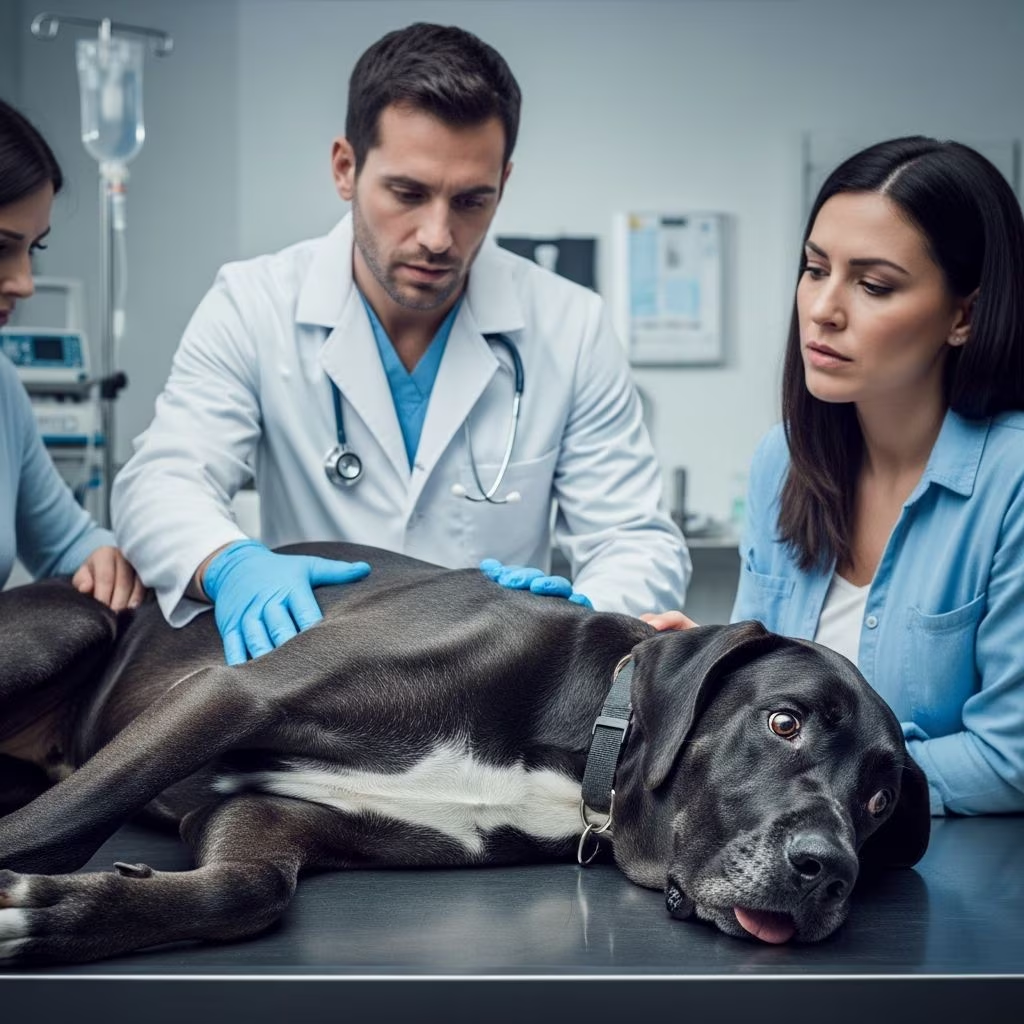
Bloat in Dogs: The Mother of All Dog Emergencies
Bloat, medically known as gastric dilatation-volvulus (GDV), is one of the most serious and life-threatening emergencies that can affect dogs. This condition occurs when a dog’s stomach rapidly fills with gas and food, and in severe cases, twists on itself. When the stomach twists, it cuts off blood flow to the stomach and surrounding organs, creating a medical crisis that requires immediate veterinary intervention. Understanding bloat is crucial for any dog owner, as early recognition and rapid treatment can mean the difference between life and death.
What is Bloat and How Does It Develop?
Bloat describes a condition where a dog’s stomach becomes abnormally distended with gas, food, or fluid. The condition can progress rapidly, and in its most severe form, the stomach may twist on itself, cutting off blood supply to vital organs. This twisting motion—known as volvulus—prevents normal digestion and traps gas inside the stomach, creating dangerous pressure that can compromise circulation and organ function.
Despite extensive research, the exact cause of bloat remains unknown. However, veterinary professionals have identified numerous contributing factors that increase a dog’s risk of developing this life-threatening condition.
Risk Factors and Contributing Causes
While bloat can affect any dog, certain factors significantly increase the likelihood of development:
- Eating habits: Consuming meals too quickly or eating excessively large portions increases risk. Dogs fed only one meal per day are twice as likely to bloat compared to those receiving two meals daily.
- Rapid eating: Fast eaters have five times the risk of bloat compared to slow eaters.
- Exercise timing: Vigorous activity immediately before or after meals significantly increases bloat risk.
- Water consumption: Drinking large quantities of water in short periods, especially after meals or exercise, is a known risk factor.
- Feeding equipment: Elevated food bowls may contribute to bloat development.
- Stress and anxiety: Dogs experiencing stress, anxiety, or fearful temperaments have higher bloat risk, particularly in stressful environments such as boarding kennels.
- Genetic predisposition: Dogs with a family history of bloat—parents, siblings, or offspring who have suffered the condition—face significantly elevated risk.
- Age and body condition: Middle-aged to older dogs face the highest risk, and both very thin and overweight dogs are susceptible.
- Dietary composition: Foods listing oils or fats among the first four ingredients may increase GDV risk fourfold. Diets containing soybean meal have also been associated with increased risk.
- Breed predisposition: Certain large and giant breeds are more prone to bloat.
Recognizing the Warning Signs
Recognizing bloat symptoms is critical, as this condition demands immediate emergency veterinary care. Dog owners should watch for the following signs:
- Enlargement or distension of the abdomen
- Restlessness and pacing, with inability to settle
- Retching or unsuccessful attempts to vomit
- Excessive salivation
- Signs of abdominal pain or tenderness
- Overall appearance of distress
- Trouble breathing or rapid breathing
- Profuse drooling
Any dog displaying these symptoms requires immediate emergency veterinary attention. Bloat can progress from initial symptoms to life-threatening status within hours, making speed essential.
Emergency Treatment and Veterinary Management
When a dog arrives at a veterinary clinic with suspected bloat, the treatment approach depends on the severity of the condition. Veterinarians prioritize rapid diagnosis, comfort measures, and stabilization before determining the most appropriate treatment course.
Initial Assessment and Stabilization
Upon arrival, veterinarians perform physical examinations and X-rays to confirm GDV diagnosis. Immediate treatment focuses on treating shock and stabilizing the patient:
- Intravenous (IV) fluids: Dogs receive IV fluids with electrolytes to aggressively treat shock, improve circulation to vital organs, and restore proper body chemistry.
- Pain management: Pain medications and anti-nausea medications are administered to improve comfort and reduce distress.
- Stomach decompression: Passing a stomach tube releases built-up gas and reduces pressure within the stomach. If the stomach is twisted and a tube cannot pass, a large-bore needle or catheter may be inserted directly through the skin into the stomach to relieve pressure.
- Monitoring: Electrocardiograms (ECGs) monitor for cardiac abnormalities that may result from electrolyte imbalances or shock.
Surgical Intervention
Dogs with simple bloat (stomach distension without volvulus) may sometimes be treated non-surgically with hospitalization and supportive care. However, most cases require emergency surgery once the dog is stable.
During surgery, veterinarians accomplish several critical objectives:
- Return the stomach to its normal position
- Remove any dead or dying tissue from the stomach wall caused by loss of blood circulation
- Perform gastropexy—a procedure that stitches the stomach wall to the abdominal wall to prevent future rotation. This procedure is crucial, as up to 90 percent of dogs with bloat will experience the condition again without this preventative measure.
- Remove the spleen if it has been significantly damaged by the twisted stomach.
Prognosis and Recovery
If caught and treated promptly, bloat is curable. However, untreated bloat is often fatal. The speed of treatment dramatically influences survival outcomes. Early intervention and rapid stabilization significantly improve a dog’s chances of recovery.
Dogs with GDV are considered high-risk anesthetic candidates, making pre-surgical stabilization essential. Veterinarians work efficiently to achieve the quickest possible diagnosis and treatment while managing the patient’s comfort and vital signs.
Prevention Strategies
While not all bloat cases are preventable, owners can implement several measures to reduce risk:
- Meal frequency: Offer smaller, more frequent meals rather than one large daily meal. Dogs fed twice daily face half the bloat risk of those fed once daily.
- Feeding pace: Use slow-feeder bowls with center posts or fingers, or place large rocks in the bowl to physically slow eating. Addressing feeding-related anxiety is equally important.
- Exercise management: Avoid vigorous exercise before and after meals; wait at least 30-60 minutes after feeding before strenuous activity.
- Water management: Limit water consumption immediately after meals or exercise.
- Stress reduction: Minimize stress and anxiety through environmental modification and behavioral training in sensitive dogs.
- Weight management: Maintain appropriate body condition, avoiding both obesity and excessive thinness.
- Preventative gastropexy: Discuss prophylactic gastropexy with a veterinarian if you have a high-risk breed.
- Breeding considerations: Dogs with a family history of bloat should not be used for breeding.
Dietary Considerations
While no specific foods definitively cause bloat, some dietary factors warrant attention. Large amounts of food and water, or exercising after large meals, pose greater concerns than food type alone. Research suggests that dry dog foods listing oils or fats in the first four ingredients may increase GDV risk fourfold. Similarly, diets containing soybean meal have been associated with increased risk.
However, pinpointing dietary culprits remains difficult because most large-breed dogs consume cereal-based diets, making causation challenging to establish.
Frequently Asked Questions
Q: How quickly does bloat develop in dogs?
A: Bloat can progress rapidly, sometimes within hours of initial symptom onset. This is why immediate veterinary attention is critical.
Q: Can bloat be treated at home?
A: No. There are no home remedies for bloat in dogs. Bloat requires immediate professional veterinary intervention and cannot be managed at home.
Q: What is the survival rate for dogs with bloat?
A: Survival depends heavily on early detection and treatment. If caught and treated promptly, bloat is curable. However, untreated bloat is often fatal.
Q: Will my dog get bloat again after treatment?
A: Without gastropexy, approximately 90 percent of dogs will experience bloat again. Gastropexy during initial treatment significantly reduces the risk of recurrence.
Q: Which dog breeds are most at risk for bloat?
A: Certain large and giant breeds face elevated risk, particularly those with a family history of the condition. Discuss breed-specific risk with your veterinarian.
Q: How can I prevent bloat in my dog?
A: Prevention strategies include feeding multiple smaller meals daily, using slow-feeder bowls, limiting exercise around meals, reducing stress, and discussing preventative gastropexy with your veterinarian if appropriate.
Q: How much does bloat surgery cost?
A: Emergency bloat surgery is expensive, typically ranging from several thousand dollars depending on severity and complications. Pet emergency insurance or savings plans can help manage costs.
When to Seek Emergency Care
If your dog displays any signs of bloat—including abdominal distension, retching, restlessness, excessive salivation, or pain—seek emergency veterinary care immediately. Do not delay or wait for symptoms to resolve, as bloat is a true medical emergency requiring rapid professional intervention. Contact your nearest emergency veterinary clinic and inform them that you suspect bloat so they can prepare for immediate treatment.
Conclusion
Bloat remains one of the most serious emergencies affecting dogs, with the potential to rapidly become life-threatening. While the exact cause remains unknown, understanding risk factors, recognizing warning signs, and implementing prevention strategies can help protect your dog. Most importantly, any suspected bloat requires immediate emergency veterinary attention. Time is critical, and rapid treatment offers the best chance for survival and recovery. By staying informed and vigilant, dog owners can help save their pets’ lives.
References
- Gastric Dilatation-Volvulus (Bloat) — Veterinary Medical Center of CNY. 2024. https://vmccny.com/gastric-dilatationvolvulus-bloat/
- Bloat in Dogs — PetMD, reviewed by Dr. Katie Grzyb, DVM. 2024. https://www.petmd.com/dog/conditions/digestive/bloat-in-dogs
- Bloat in Dogs: Symptoms and Treatment of Bloat — Blue Cross. 2024. https://www.bluecross.org.uk/advice/dog/health-and-injuries/bloat-in-dogs
- Bloat (or GDV) in Dogs: What Is it and How Is it Treated? — American Kennel Club. 2024. https://www.akc.org/expert-advice/health/bloat-in-dogs/
- Bloat: Gastric Dilatation and Volvulus in Dogs — VCA Animal Hospitals. 2024. https://vcahospitals.com/know-your-pet/bloat-gastric-dilatation-and-volvulus-in-dogs
- Dog Bloat Emergency in Swansea, MA: Recognizing Early Signs and Emergency Care — Mass-RI Veterinary ER. 2024. https://massriveter.com/blog/recognizing-dog-bloat-early-signs-and-emergency-care-in-swansea-ma/
- Canine Bloat (GDV): Risk, Treatment, and Prevention — AESC Parker Veterinary Services. 2024. https://www.aescparker.com/blog/canine-bloat-gdv-risk-treatment-and-prevention



