

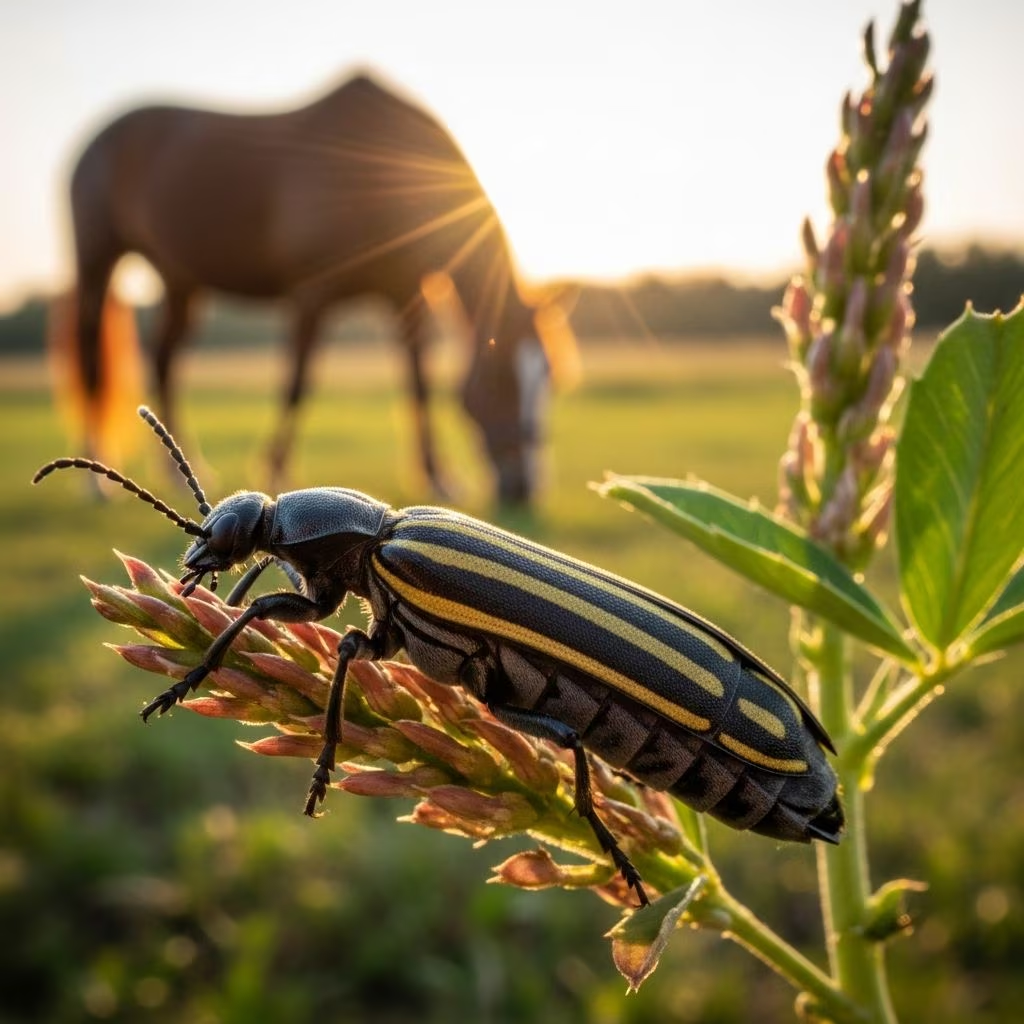
Blister beetles release cantharidin, a potent toxin that poses a severe threat to horses, primarily through contaminated hay. This condition demands immediate recognition and intervention to improve survival odds.
The Hidden Danger of Cantharidin
Cantharidin, produced by blister beetles in the Meloidae family, remains stable even after the insects die or are crushed, retaining full toxicity in hay. A lethal dose can be as low as 1 mg/kg body weight, making even small amounts deadly. These beetles often cluster in alfalfa fields during flowering, getting harvested unknowingly into bales.
Horses ingest the toxin when eating affected forage. The chemical disrupts cellular functions by inhibiting protein phosphatases, leading to widespread inflammation, electrolyte imbalances, and organ damage. Its persistence means removing visible beetles post-harvest does not eliminate the risk, as body fluids laced with toxin contaminate the hay.
Recognizing Early Warning Signs
Symptoms emerge 6-8 hours post-ingestion and escalate rapidly based on dose. Initial indicators include mild depression, discomfort, and excessive thirst, often shown by frequent small sips or muzzle submersion in water.
- Dark, congested mucous membranes, even in subtle cases
- Abdominal pain (colic), anorexia, and sweating
- Frequent urination attempts with painful, blood-tinged output
- Progressive signs: diarrhea, tachycardia, tachypnea, muscle rigidity
Severe cases lead to shock, collapse, synchronous diaphragmatic flutter, hypocalcemia, hypomagnesemia, and sudden death within hours. Horses surviving initial hours may show prolonged elevated heart rates and rising creatine kinase levels, signaling poor prognosis.
Diagnostic Approaches for Confirmation
Veterinarians rely on history of hay feeding, clinical presentation, and lab tests. Key blood findings include low calcium/magnesium, elevated enzymes, and dehydration markers. Urine analysis detects blood or clots.
Definitive diagnosis uses high-pressure liquid chromatography (HPLC) or gas chromatography-mass spectrometry (GCMS) on stomach contents, urine, serum, or kidney tissue. Feed samples are ideal for toxin detection. Necropsy reveals GI tract hyperemia, ulcers, hemorrhage, myocardial necrosis, and urinary irritation.
Common Clinical Progression Table
| Stage | Symptoms | Timeframe |
|---|---|---|
| Early | Thirst, depression, colic | 6-12 hours |
| Moderate | Diarrhea, dark gums, pain urinating | 12-24 hours |
| Severe | Shock, collapse, death | 24-48 hours |
Emergency Treatment Protocols
No antidote exists; success hinges on rapid, aggressive supportive care. Remove contaminated feed immediately. Early decontamination uses nasogastric mineral oil or Biosponge to flush the GI tract, though recent studies caution mineral oil may enhance absorption in some models. Activated charcoal is debated—some sources contraindicate it due to ulcer risk, others recommend early use.
Core therapies include:
- IV fluids for hydration, diuresis, and electrolyte correction
- Calcium/magnesium supplementation, monitored via serial bloodwork
- Pain relief with opioids (butorphanol), lidocaine CRI, or cautious NSAIDs
- GI protectants like sucralfate; antibiotics for ulcers
- Monitoring heart/respiratory rates, CK levels
Prognosis improves daily without complications. Survival beyond 72 hours is promising, but persistent tachycardia or rising CK indicates grave outlook. Fatality rates drop from 65% to 20% with prompt care. Stall rest for 5-10 days aids recovery.
Preventing Hay Contamination Risks
Proactive hay management is key. Scout alfalfa fields pre-harvest for beetle clusters, especially during bloom. Cut at <10% bloom to minimize beetle presence.
Before feeding:
- Shake flakes vigorously to dislodge insects
- Discard any suspect hay entirely—do not feed post-beetle removal
- Source hay from reputable suppliers with verified practices
Horse owners should educate themselves on regional beetle prevalence and integrate inspections into routines.
Post-Mortem Insights and Long-Term Monitoring
Necropsies confirm extensive damage: GI erosions, possible ruptures, bladder inflammation, heart degeneration. These findings guide future prevention. Survivors require weeks of monitoring for renal/GI recovery, with gradual reintroduction to exercise.
Frequently Asked Questions
What is the deadliest aspect of blister beetles for horses?
The stability of cantharidin, which persists in crushed beetles and hay fluids, making invisible contamination lethal.
Can horses recover from cantharidin exposure?
Yes, with immediate veterinary intervention; odds improve significantly after 72 hours sans complications.
Is activated charcoal safe for treatment?
Opinions vary—early use may bind toxin, but it risks worsening ulcers; consult vets.
How do I check hay for beetles?
Shake each flake outdoors; look for clusters and discard if found.
Are other animals affected?
Primarily horses due to hay consumption; poultry and others show similar risks but less commonly.
Key Takeaways for Equine Owners
Blister beetle toxicity is preventable with vigilant hay sourcing and inspection. Swift symptom recognition—thirst, colic, dark gums—saves lives. Partner with vets for diagnostics and tailored care plans. By prioritizing feed quality, horse owners safeguard herd health year-round.
References
- Cantharidin Toxicosis from Blister Beetles in Horses — Today’s Veterinary Nurse. 2023. https://todaysveterinarynurse.com/toxicology/cantharidin-toxicosis-from-blister-beetles-in-horses/
- Cantharidin Poisoning (Blister Beetle Poisoning) — Merck Veterinary Manual. 2023. https://www.merckvetmanual.com/special-pet-topics/poisoning/cantharidin-poisoning-blister-beetle-poisoning
- Educating Your Equine Clients About Feed Quality: A Review of Cantharidin Toxicosis — WVMA. 2023. https://wvma.org/educating-your-equine-clients-about-feed-quality-a-review-of-cantharidin-toxicosis/
- Cantharidin toxicosis in horses — PubMed (J Am Vet Med Assoc). 1989-10-15. https://pubmed.ncbi.nlm.nih.gov/2685272/
- Cantharidin Toxicity — Peterson Smith Equine Hospital. 2023. https://www.petersonsmith.com/cantharidin-toxicity/
- Blister Beetle Poisoning / Cantharidin toxicosis — Purdue ADDL. 2006. https://www.addl.purdue.edu/newsletters/2006/fall/equinect.htm



