

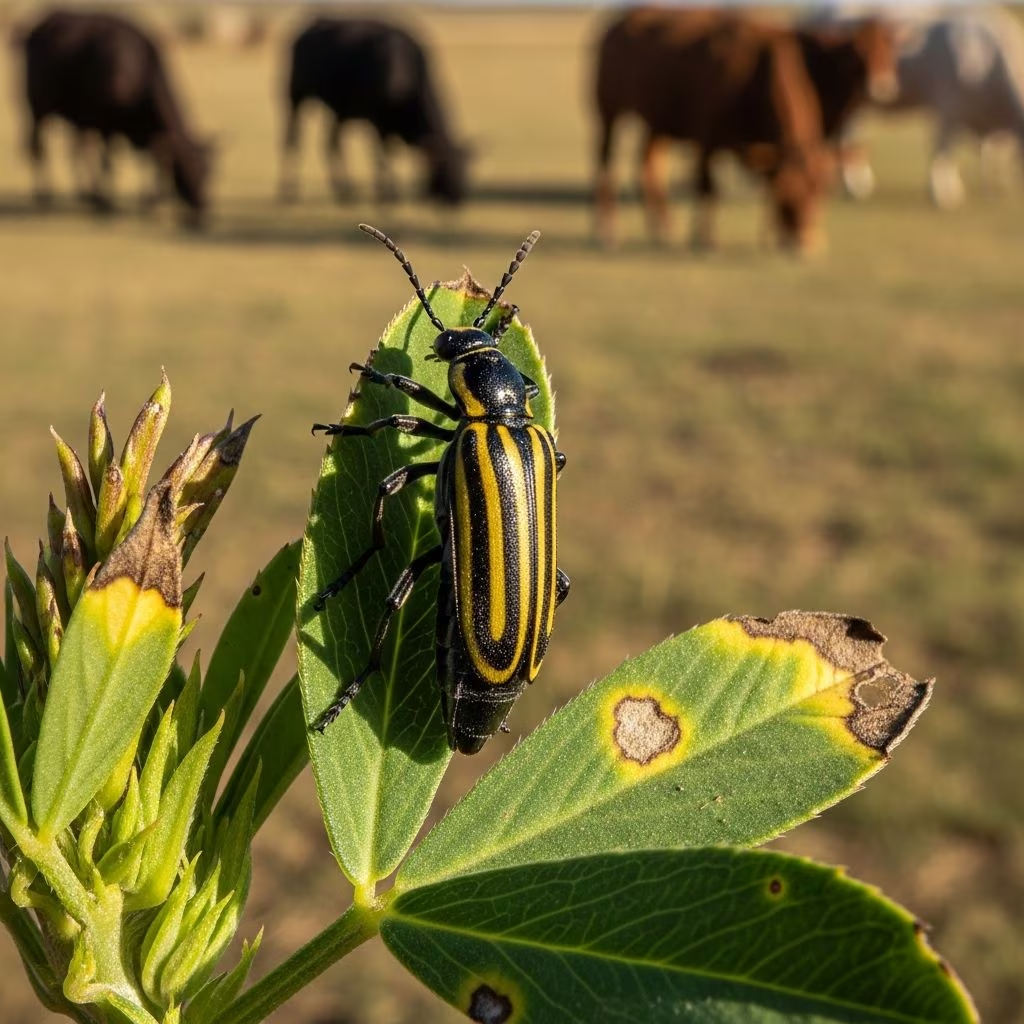
Blister beetles release **cantharidin**, a potent toxin that poses severe risks to livestock, particularly horses, through contaminated feed like alfalfa hay. This vesicant compound triggers intense inflammation in the gastrointestinal and urinary systems, often leading to shock and fatality if untreated.
The Nature of Blister Beetles and Their Toxin
Blister beetles belong to various species across the U.S., with striped varieties in the Southwest favoring alfalfa fields during bloom stages. These insects produce cantharidin in their hemolymph as a defense mechanism, rendering the toxin stable even after death or crushing. A mere 1 mg/kg dose can prove lethal in horses, with as few as four grams of dried beetles containing fatal amounts.
Unlike many toxins, cantharidin resists degradation, persisting in hay even after beetles are removed. This stability heightens risks when owners discard visible insects but feed the contaminated forage unknowingly. Over 200 species exist domestically, amplifying exposure potential in agricultural regions.
Mechanisms of Toxicity in Animals
Cantharidin acts as a powerful irritant, damaging cells upon contact and causing vesicle formation, necrosis, and mucosal ulceration. It primarily inhibits protein phosphatase 2A, disrupting endothelial cell permeability and leading to fluid shifts, hypovolemia, and organ failure. In equines, gastrointestinal ingestion targets the tract first, with urinary excretion causing secondary bladder and kidney inflammation.
The toxin’s effects extend to electrolyte imbalances, notably profound **hypocalcemia** and **hypomagnesemia**, which manifest as synchronous diaphragmatic flutter. Myocardial tissue may necrotize, contributing to arrhythmias and collapse, as observed in affected alpacas and horses. Lethal outcomes stem from rapid shock progression, sometimes within hours of massive ingestion.
Recognizing Clinical Signs in Affected Animals
Symptoms emerge 6-8 hours post-ingestion, varying by dose. Early indicators include depression, irritability, and discomfort, escalating to severe colic with abdominal pain, sweating, and anorexia. Horses often exhibit “water playing,” frequently attempting to urinate painfully, producing red or blood-tinged urine, alongside profuse diarrhea.
- Dark, congested mucous membranes with petechiae or a “toxic line”
- Tachycardia, tachypnea, fever, and prolonged capillary refill
- Muscle rigidity, collapse, and dehydration
- Oral erosions, salivation, and muzzle submersion in water
In alpacas, signs mirror equines: colic, polyuria, hematuria, melena, and obtundation, with rapid tachycardia (>180 bpm) preceding euthanasia in severe cases. Cattle show feed refusal, reduced milk yield, salivation, bruxism, and ataxia. Massive exposures cause sudden death without prior signs.
Laboratory and Diagnostic Confirmation
Diagnosis hinges on clinical suspicion, especially in colic cases with hay history. Key labs reveal persistent hypocalcemia, hypomagnesemia, hypoproteinemia, azotemia, hematuria, hyposthenuria, and elevated creatine kinase. Urine or gastrointestinal content testing via GC/MS detects cantharidin definitively.
Insect fragments in feces or stomach contents support the case, though toxin persistence complicates this. Necropsy highlights mucosal hyperemia, hemorrhage, edema, vesication, ulceration across GI and urinary tracts, renal infarcts, and ventricular myocardial necrosis. Cardiac troponin I elevations indicate myocardial damage antemortem.
| Lab Finding | Implication | Common in Species |
|---|---|---|
| Hypocalcemia/Hypomagnesemia | Synchronous flutter, weakness | Horses, Alpacas |
| Hematuria/Azotemia | Urinary tract damage | All affected |
| Elevated CK/cTnI | Muscle/Heart injury | Horses, Alpacas |
| Hypoproteinemia | GI protein loss | Advanced cases |
Emergency Treatment Protocols
Swift intervention is critical; prognosis hinges on dose, sign progression, and therapy speed. Initiate aggressive IV fluids (e.g., 0.45% NaCl with KCl and calcium gluconate) to combat dehydration and hypovolemia. Pain management, GI protectants, and nutritional support via alimentation tubes address colic and anorexia.
Monitor and supplement calcium/magnesium serially, as deficiencies persist. Antibiotics prevent secondary infections from ulcers; diuretics may aid toxin excretion if renal function allows. In alpacas, fluid adjustments improved brief responses before deterioration. Unresponsive tachycardia/tachypnea or rising CK signals poor outlook. Daily improvements without complications boost survival odds.
Prevention Strategies for Horse Owners and Farmers
Awareness prevents most incidents. Inspect alfalfa hay by shaking flakes for beetles before feeding; discard contaminated bales entirely, as residual fluids retain toxin. Source hay from reputable suppliers avoiding bloom-stage cutting in high-risk areas.
- Store hay to discourage beetle congregation
- Educate on regional blister beetle prevalence
- Monitor for sudden colic in groups sharing feed
Cattle and small ruminants face lower risks but warrant vigilance. Prompt veterinary contact upon suspicion saves lives, as delays prove fatal within 72 hours.
Insights from Necropsy and Case Studies
Postmortem exams confirm widespread tract damage: esophageal necroulcerative lesions, bladder petechiation, renal infarcts, and right ventricular necrosis with mineralization. In one alpaca series, cantharidin levels reached 0.122 ppm in abomasal contents, correlating with clinical collapse despite therapy.
Equine studies report myocardial necrosis in up to 19% of cases (4/21 horses), with elevated cTnI in 46% antemortem. These findings underscore toxin’s multisystem assault, guiding diagnostic vigilance.
Frequently Asked Questions (FAQs)
What is the lethal dose of cantharidin for horses?
Lethal doses start at 1 mg/kg, with 4 grams of dried beetles potentially fatal.
How soon do symptoms appear after ingestion?
Clinical signs typically onset 6-8 hours post-exposure.
Can cantharidin toxicity affect species besides horses?
Yes, alpacas show similar severe signs, including myocardial damage; cattle exhibit feed refusal and GI issues.
Is removing beetles from hay safe?
No, crushing releases more bioavailable toxin; discard entire bales.
What is the prognosis for treated cases?
Good if early intervention halts progression; poor with unresponsive shock or rising CK.
Key Takeaways for Livestock Management
Blister beetle poisoning demands proactive hay management and rapid response. Routine lab monitoring in suspect colics, combined with toxin assays, enables life-saving care. By prioritizing prevention, owners mitigate this swift, potent threat.
References
- Cantharidin Toxicity – Peterson Smith Equine Hospital — Peterson Smith. Accessed 2026. https://www.petersonsmith.com/cantharidin-toxicity/
- Cantharidin toxicosis in horses – PubMed — PubMed. 1989-01-01. https://pubmed.ncbi.nlm.nih.gov/2685272/
- Cantharidin Toxicosis from Blister Beetles in Horses — Today’s Veterinary Nurse. Accessed 2026. https://todaysveterinarynurse.com/toxicology/cantharidin-toxicosis-from-blister-beetles-in-horses/
- Cantharidin toxicosis in 2 alpacas – PMC – NIH — PMC. 2013-04-01. https://pmc.ncbi.nlm.nih.gov/articles/PMC3624911/
- Cantharidin Poisoning – Texas A&M Veterinary Medical Diagnostic — TVMDL. Accessed 2026. https://tvmdl.tamu.edu/education-library/cantharidin-poisoning/
- Blister Beetle Poisoning / Cantharidin toxicosis — Purdue ADDL. 2006-01-01. https://www.addl.purdue.edu/newsletters/2006/fall/equinect.htm



