

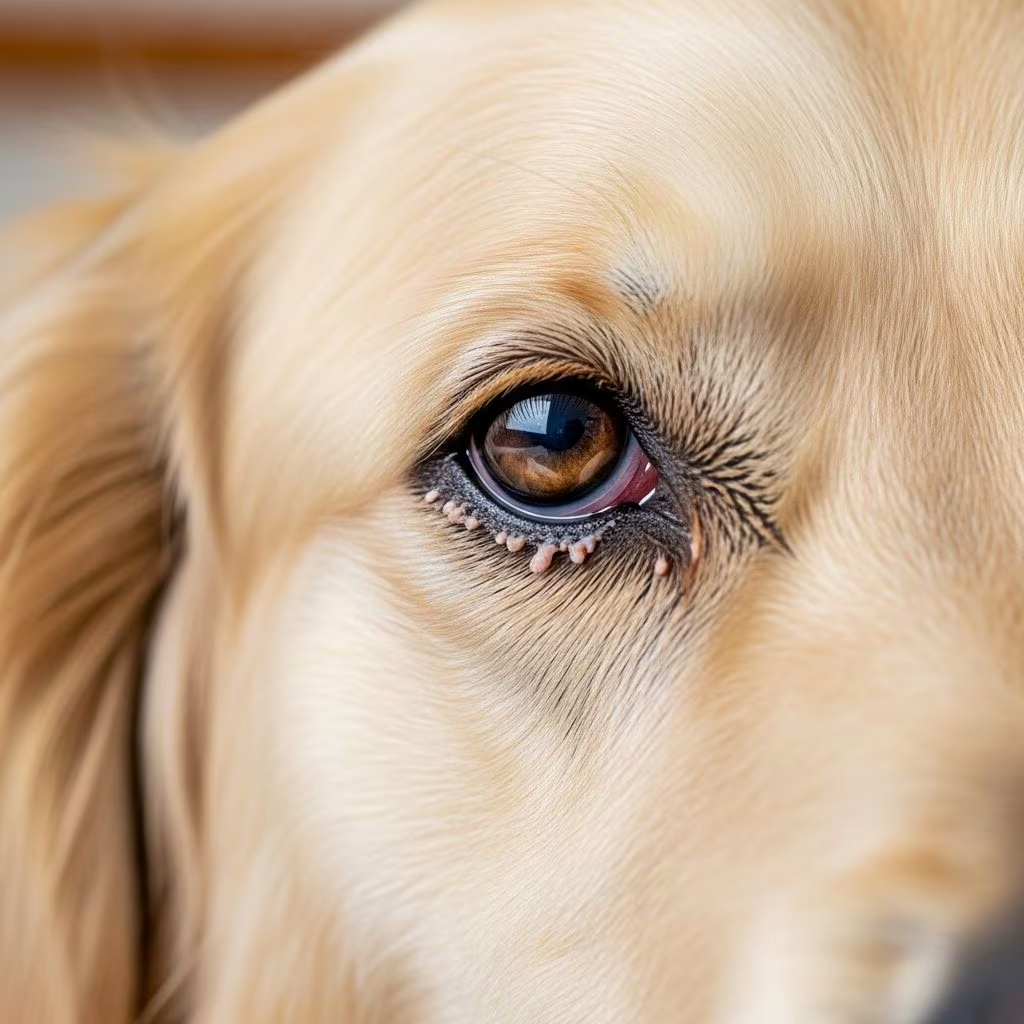
Understanding Blepharitis in Dogs
Blepharitis is a common inflammatory condition affecting the eyelids of dogs, characterized by swelling, redness, and irritation of the eyelid margins and surrounding tissues. This condition can occur in dogs of any age or breed, though certain genetic predispositions may increase susceptibility in some populations. Understanding this condition is essential for dog owners, as early recognition and appropriate treatment can prevent complications and alleviate your pet’s discomfort.
The eyelids play a critical role in maintaining ocular health by protecting the eye surface, distributing tears, and preventing foreign debris from entering the eye. When inflammation occurs, these protective functions become compromised, potentially leading to more serious eye conditions if left untreated. Blepharitis ranges from mild, self-limiting cases to severe, chronic conditions requiring long-term management.
Causes of Blepharitis in Dogs
Blepharitis in dogs can result from various underlying causes, and identifying the root cause is crucial for effective treatment. The most common causes include:
Bacterial Infections
Bacterial blepharitis often develops when bacteria colonize the eyelid margins and meibomian glands. Staphylococcus species are among the most frequently isolated bacteria. Bacterial infections can occur as primary conditions or develop secondary to other eyelid pathology. Warm, moist environments created by excessive tear production or poor eyelid hygiene can create ideal conditions for bacterial proliferation.
Allergic Dermatitis
Allergic conditions represent a significant cause of blepharitis in dogs, often occurring alongside other signs of allergic skin disease. Dogs may develop hypersensitivity reactions to environmental allergens, food ingredients, or contact irritants. Allergic blepharitis typically presents with itching and inflammation, and addressing the underlying allergy is essential for long-term management.
Parasitic and Fungal Infections
Various parasites and fungi can affect the eyelids, including Demodex mites, Sarcoptes species, and dermatophytes. These organisms cause irritation, inflammation, and secondary bacterial infections. Parasitic blepharitis may occur as part of generalized demodicosis or sarcoptic mange, while fungal infections are less common but can be challenging to treat.
Autoimmune and Immune-Mediated Diseases
Conditions such as pemphigus vulgaris, bullous pemphigoid, and lupus erythematosus can cause immune-mediated blepharitis. These conditions involve the dog’s immune system attacking its own tissues, resulting in severe inflammation and potential tissue damage. Autoimmune blepharitis typically requires lifelong immunosuppressive therapy.
Other Contributing Factors
Additional causes may include anatomical abnormalities such as entropion or ectropion, hormonal imbalances, foreign bodies, eyelid tumors, or complications from other systemic diseases. Poor eyelid hygiene, excessive hair around the eyes, and environmental irritants can exacerbate existing blepharitis.
Clinical Signs and Diagnosis
Recognizing Symptoms
Dog owners should watch for several clinical signs indicating blepharitis:
- Redness and swelling of the eyelid margins
- Excessive tearing or discharge from the eyes
- Crusting or scaling around the eyelids
- Pawing at or rubbing the eyes
- Squinting or keeping the eye partially closed
- Hair loss around the eye area
- Sensitivity to light
- Behavioral changes such as increased irritability
Veterinary Diagnosis
Diagnosing blepharitis requires a thorough veterinary examination. Your veterinarian will perform a complete ophthalmologic evaluation, including visual inspection of the eyelids and surrounding tissues. Additional diagnostic tools may include cytology (microscopic examination of discharge samples), bacterial culture and sensitivity testing, fungal cultures, or skin scrapings. In some cases, allergy testing or bloodwork may be necessary to identify underlying systemic causes.
Treatment Options for Canine Blepharitis
Topical Treatments
Topical medications form the foundation of blepharitis treatment in most cases. Antibiotic ointments or drops target bacterial infections directly at the infection site, with common choices including erythromycin, gentamicin, or ciprofloxacin. Topical corticosteroids reduce inflammation and provide comfort, often combined with antibiotics for cases involving both infection and inflammation. Application frequency typically ranges from two to four times daily, depending on severity and medication type.
Systemic Medications
Oral antibiotics become necessary in more severe or persistent bacterial infections resistant to topical treatment. Systemic corticosteroids such as prednisone address widespread inflammation and are particularly important in autoimmune cases. For immune-mediated diseases, additional immunosuppressive medications like azathioprine, cyclophosphamide, or cyclosporine may be prescribed. Treatment duration varies significantly based on the underlying cause, ranging from several weeks for bacterial infections to lifelong therapy for autoimmune conditions.
Eyelid Hygiene and Warm Compresses
Regular gentle cleaning of affected eyelids using veterinary-approved eye cleansers removes accumulated debris and discharge. Sterile saline solutions or specially formulated pet eye wipes are excellent choices. Warm compresses applied for five to ten minutes, two to three times daily during active inflammation, help relieve discomfort and promote healing by improving blood circulation to affected tissues. Always ensure water temperature is tested on your wrist before application to prevent burns.
Allergy Management
For allergic blepharitis, treatment focuses on identifying and eliminating allergens when possible. Dietary modifications may resolve blepharitis caused by food allergies, while environmental modifications such as frequent bedding washing, HEPA air filtration, and regular bathing with hypoallergenic shampoos can reduce exposure to environmental triggers. Antihistamines, omega-3 fatty acid supplements, and immunotherapy may provide additional relief in chronic allergic cases.
Antiparasitic and Antifungal Therapy
Parasitic blepharitis requires specific antiparasitic treatments tailored to the organism involved. Fungal infections demand appropriate antifungal medications, both therapeutically and preventively. These medications may be applied topically or administered systemically depending on the organism and severity of infection. Thorough environmental hygiene is essential to prevent reinfection.
Surgical Intervention
In cases of structural abnormalities, such as severe entropion causing chronic eyelid trauma, or when masses are present, surgical correction may be necessary. Cryosurgery can be used as adjunctive therapy to reduce recurrence rates in certain chronic conditions.
Home Care and Management
Successful blepharitis management often requires consistent home care alongside veterinary treatment. Maintain strict adherence to medication schedules, as inconsistent treatment can lead to treatment failure and antibiotic resistance. Clip hair around the affected eye short to improve visibility and reduce irritant accumulation. Prevent your dog from rubbing or scratching the area, as this perpetuates inflammation and introduces bacteria. Your veterinarian may recommend an Elizabethan collar in some cases to protect the eyes during the acute phase.
Keep the eyelid area clean and dry, gently removing any discharge with clean, soft materials. Monitor for signs of improvement or deterioration, noting any changes in discharge color, consistency, or volume. Environmental modifications such as reducing dust, maintaining appropriate humidity levels, and minimizing smoke exposure can support healing.
Prevention Strategies
While not all cases of blepharitis can be prevented, certain measures reduce risk:
- Maintain regular eye hygiene and monitor for early signs of inflammation
- Ensure your dog receives prompt treatment for allergies and parasites
- Keep the area around the eyes clean and free of irritants
- Manage underlying systemic diseases through appropriate veterinary care
- Avoid exposure to environmental triggers when identified
- Maintain good overall health through proper nutrition and exercise
- Schedule regular veterinary check-ups to detect problems early
Recovery and Prognosis
The prognosis for blepharitis varies significantly based on underlying cause. Dogs with infectious blepharitis typically show rapid improvement within seven to ten days of appropriate treatment and often experience complete resolution without long-term complications. Allergic and autoimmune causes generally require ongoing medical management, though symptoms can be well-controlled with appropriate therapy.
The key to successful outcomes involves prompt diagnosis, identification of the underlying cause, and consistent implementation of the treatment plan. Dogs requiring lifelong medication management for autoimmune or chronic allergic conditions must maintain continuous therapy, as stopping treatment typically results in symptom recurrence.
When to Seek Immediate Veterinary Care
Contact your veterinarian immediately if your dog experiences:
- Sudden changes in vision or apparent blindness
- Severe eyelid swelling preventing eye opening
- Eye trauma or obvious injury
- Colored discharge (yellow, green, or blood-tinged)
- Bulging or protruding eyeball
- Cloudiness or color changes in the eye
- Intense pain evidenced by vocalization, hiding, or aggression when the area is touched
These signs may indicate more serious ocular conditions requiring urgent intervention to preserve vision.
Frequently Asked Questions
Q: Is blepharitis contagious to other dogs?
A: Bacterial blepharitis is not typically contagious between dogs, though good hygiene practices should be maintained. However, parasitic or fungal causes may be transmissible, so isolated treatment and hygiene measures are appropriate.
Q: How long does treatment for blepharitis last?
A: Treatment duration depends on the underlying cause. Bacterial infections typically require minimum three to four weeks of antibiotic therapy, while allergic or autoimmune causes may require lifelong management with ongoing medication.
Q: Can I treat blepharitis at home without veterinary care?
A: No. While home care supports professional treatment, blepharitis requires veterinary diagnosis and prescription medications. Attempting home treatment alone may delay proper diagnosis and allow the condition to worsen.
Q: Will my dog lose vision from blepharitis?
A: Most cases of blepharitis do not cause permanent vision loss when treated appropriately. However, severe untreated cases or complications can potentially affect vision, emphasizing the importance of prompt veterinary care.
Q: Can diet affect blepharitis in dogs?
A: Yes. Dogs with food allergies may develop blepharitis triggered by specific dietary ingredients. Switching to hypoallergenic diets or elimination diets can resolve blepharitis in food-allergic dogs. Omega-3 fatty acid supplements may also support eye health.
References
- Blepharitis in Dogs: Clinical Evaluation in 102 Dogs — PubMed Central, National Center for Biotechnology Information. 2019. https://pubmed.ncbi.nlm.nih.gov/30828906/
- Blepharitis in Dogs: Causes, Diagnosis and Treatment — Vets & Clinics. 2024. https://vetsandclinics.com/en/blepharitis-in-dogs-causes-diagnosis-and-treatment
- Blepharitis in Dogs — PetMD. 2024. https://www.petmd.com/dog/conditions/eyes/c_dg_blepharitis
- Clinical Approach to Canine Eyelid Disease: Blepharitis — Today’s Veterinary Practice. 2024. https://todaysveterinarypractice.com/ophthalmology/observations-in-ophthalmology-clinical-approach-to-canine-eyelid-disease-blepharitis/
- Blepharitis (Eye Inflammation) in Dogs — Animal Eye Care. 2024. https://www.animaleyecare.com.au/common-eye-conditions/blepharitis/
- Blepharitis in Dogs: 7 Essential Treatments Every Owner Needs — The Pet Vet. 2024. https://thepetvet.com/blepharitis-in-dogs/



