

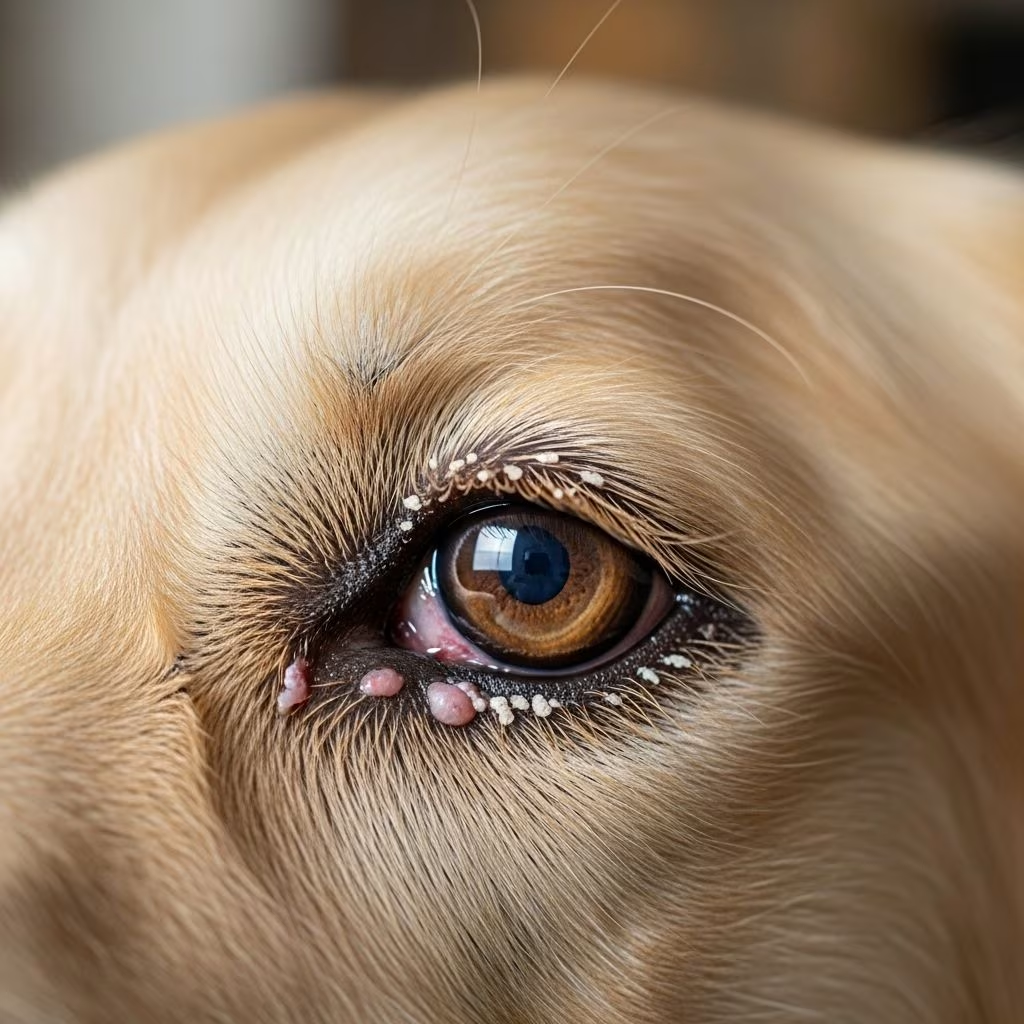
Understanding Blepharitis in Dogs
Blepharitis is an inflammatory condition affecting the eyelids of dogs that can cause significant discomfort and potential vision complications if left untreated. This condition involves inflammation of the eyelid margin and surrounding tissues, and it represents one of the more common eyelid disorders encountered in veterinary ophthalmology. The condition is characterized by its multifactorial nature, meaning that multiple underlying causes can contribute to its development, making diagnosis and treatment a challenging yet manageable endeavor for veterinary professionals.
Understanding blepharitis is essential for dog owners because early recognition and intervention can prevent complications and improve the quality of life for affected pets. The condition can range from mild to severe, and some cases may become chronic if the underlying cause is not properly identified and treated. This comprehensive guide explores the causes, clinical presentation, diagnostic approaches, and treatment strategies for blepharitis in dogs.
Causes of Blepharitis in Dogs
Blepharitis in dogs has numerous potential causes, and identifying the specific underlying trigger is crucial for successful treatment. Veterinarians must conduct thorough diagnostic investigations to determine whether the condition stems from infectious agents, immune-mediated disorders, parasitic infestations, fungal infections, or other contributing factors.
Bacterial Infections
Bacterial infections represent one of the most common causes of blepharitis in dogs. Staphylococcus aureus is the predominant bacterial pathogen associated with this condition, though other bacterial species can also be involved. Bacterial blepharitis typically develops when normal skin flora become pathogenic or when external bacteria invade the eyelid tissue. The bacteria produce toxins and inflammatory mediators that trigger the characteristic inflammation and tissue damage seen in affected dogs.
Immune-Mediated Causes
Immune-mediated diseases frequently manifest with blepharitis as a secondary or primary symptom. Pemphigus vulgaris is an autoimmune condition that affects the mucocutaneous junctions, producing various lesions including vesicles, blisters, and characteristic collarettes along with significant inflammation. Lupus represents another immune-mediated disorder that causes generalized skin changes and can specifically affect the eyelids. These autoimmune conditions require specialized treatment approaches involving immune suppression rather than simple antimicrobial therapy.
Parasitic Infestations
Parasitic causes of blepharitis can be divided into ectoparasitic and endoparasitic categories. Ectoparasites such as Sarcoptes scabiei and Demodex canis trigger inflammatory reactions through different mechanisms—Sarcoptes excavates galleries in deep skin layers while Demodex alters hair follicles. Endoparasites, particularly Leishmania infantum, may cause ocular and periocular lesions in dogs, with research indicating that approximately 24.4% of animals with Leishmaniasis suffer from such disorders.
Fungal Causes
Fungal infections represent another significant category of blepharitis causes. Common fungal pathogens include Microsporum canis, Microsporum gypseum, Trichophyton mentagrophytes, and Malassezia species. These fungal agents can colonize the eyelid tissue and trigger inflammatory responses requiring specific antifungal treatment protocols.
Allergic and Environmental Factors
Allergic reactions, whether from environmental allergens or food sensitivities, can manifest as blepharitis. Seborrheic blepharitis is specifically associated with the accumulation of sebaceous material on the scalp that subsequently accumulates on the eyelids. Dogs with food allergies may develop eyelid inflammation when exposed to problematic ingredients in their diet.
Breed Predisposition
Genetic factors play a role in blepharitis susceptibility, with certain breeds showing increased prevalence. Brachycephalic breeds, characterized by shortened muzzles and facial structures, demonstrate higher incidence rates of skin disorders affecting the eyelids. Their unique anatomical features predispose them to various eyelid conditions.
Clinical Signs and Symptoms
Dogs with blepharitis present with a variety of clinical signs that reflect the inflammatory nature of the condition. Pet owners should be alert to any changes in their dog’s eye appearance or behavior, as early intervention improves outcomes.
Observable Symptoms
The primary clinical manifestations of blepharitis include:
- Scaling of the eyelid skin
- Hyperemia (redness) of the eyelid tissues
- Alopecia (hair loss) around the eyes
- Edema (swelling) of the eyelid
- Papules (small raised bumps)
- Macules (flat discolored areas)
- Pustules (pus-filled lesions)
- Pruritus (itching)
- Scabs and crusting
- Ulceration of eyelid tissue
- Associated pain
Additional signs that owners may notice include intense itching and scratching of the eye area, redness of the cornea, inflammation of the conjunctiva, thick or watery eye discharge, and general eye discomfort that may affect the dog’s behavior and activity level.
Diagnosis of Blepharitis
Accurate diagnosis is essential for determining the appropriate treatment strategy, given the multifactorial nature of blepharitis. The diagnostic process involves multiple components working together to identify the underlying cause.
Clinical History and Physical Examination
A comprehensive clinical history provides crucial diagnostic information. Veterinarians evaluate the timing of symptom presentation relative to seasonal patterns, the dog’s geographic location, and the frequency of lesion recurrence. These factors help direct the diagnostic investigation toward allergic or parasitic causes. The physical examination includes careful inspection of the eyelids, measurement of eyelid dimensions, and assessment of overall skin and coat condition.
Laboratory Diagnostics
Laboratory techniques form an integral part of the diagnostic workup for blepharitis. These may include blood tests to assess systemic health and identify immune-mediated diseases, serology for specific parasites such as Leishmania infantum, and allergy testing to identify environmental or food sensitivities. Culture and susceptibility testing of eyelid material helps identify bacterial pathogens and determine appropriate antimicrobial therapy. Cytological examination of expressed discharge from affected tissues provides valuable information about the nature of the inflammatory response and presence of infectious agents.
Advanced Diagnostic Techniques
When initial diagnostics prove inconclusive, additional investigations may be necessary. Biopsy of affected eyelid tissue can reveal characteristic histological features of specific conditions, particularly immune-mediated diseases. Dermatological consultation may be recommended for complex cases involving allergic or autoimmune components.
Treatment Options for Blepharitis
The therapeutic approach to blepharitis varies depending on the underlying cause identified through diagnostic investigation. Most medications used to treat blepharitis are administered systemically, though topical treatments may provide supplementary benefits.
Symptomatic Treatment
Immediate symptom management helps reduce discomfort while addressing the underlying cause. Warm compresses applied to the eyelids for 5-15 minutes several times daily aid in removing discharge and soothing inflamed tissues. A clean hand towel soaked in plain warm water works effectively for this purpose. Clipping hair around the eye closely facilitates easier examination and treatment application while reducing bacterial harboring sites.
Bacterial Blepharitis Treatment
Bacterial infections require antimicrobial therapy with antibiotics administered for a minimum of 3 weeks. Culture and susceptibility testing reveals directed antimicrobial therapy, with systemic treatment using cephalexin being most common. Topical antibiotics may provide temporary control but are typically insufficient as monotherapy. Anti-inflammatory medications, whether steroidal or non-steroidal, often accompany antibiotic therapy to manage pain and inflammation. When inflammation and ulceration are severe, short tapering courses of corticosteroids can be initiated to reduce tissue damage caused by staphylococcal toxins. With appropriate therapy, improvement is usually observed within 7-10 days, though some cases may require longer treatment duration.
Parasitic Blepharitis Management
Parasitic infections require species-specific parasiticidal therapy. For Sarcoptes species involvement, sulfur dips or amitraz can be used for systemic disease without eyelid involvement. When eyelids are affected, moxidectin or selamectin are approved therapeutic options. Ivermectin and moxidectin can also treat systemic parasitic disease. Thorough environmental hygiene becomes essential to prevent reinfection and transmission to other animals.
Fungal Infection Treatment
Fungal blepharitis requires antifungal medications administered both therapeutically and preventively. Treatment duration varies based on the fungal species involved and individual response to therapy. Environmental decontamination supports medical therapy to eliminate fungal spores that could perpetuate infection.
Autoimmune and Immune-Mediated Conditions
Autoimmune causes of blepharitis require medications that suppress the immune system. This therapy must be continued for the rest of the dog’s life to keep the disease controlled, as stopping treatment allows symptoms to return. For pemphigus vulgaris cases, general long-term treatment includes topical and systemic corticosteroids combined with additional immune suppression through cyclophosphamide, azathioprine, or cyclosporine for refractory cases. Initial management typically involves doxycycline, oral corticosteroids, topical steroids, and topical cyclosporine, with long-term management utilizing azathioprine for additional immune suppression. Blepharoplasty may be indicated for correction of cicatricial entropion in severe cases.
Allergic Blepharitis Treatment
Allergic causes are sometimes treated with short courses of steroids or medications like cyclosporine for longer-term therapy. In cases of underlying food allergies, blepharitis can be resolved by changing the dog’s diet and avoiding problematic ingredients. Environmental allergy management may involve reducing allergen exposure and providing appropriate systemic therapy.
Recovery and Long-Term Management
The prognosis for blepharitis varies considerably depending on the underlying cause. Targeted therapy for blepharitis typically results in quick improvement of symptoms. Dogs with infectious causes do extremely well once treated with appropriate medication and are not at risk of developing future problems related to the original infection. However, when blepharitis is caused by autoimmune disease or allergy, pets must often continue some degree of medical therapy long-term to control symptoms and prevent recurrence.
Most cases respond positively to medication, though some diseases remain recurrent and require ongoing treatment. Regular monitoring by the veterinarian ensures that treatment remains effective and adjustments can be made as needed. Owners should maintain good eyelid hygiene, continue prescribed medications as directed, and report any changes in symptoms or new concerns immediately.
Frequently Asked Questions About Canine Blepharitis
Q: What is blepharitis and why does it occur in dogs?
A: Blepharitis is inflammation of the eyelids caused by various factors including bacterial infections, parasites, fungal infections, immune-mediated diseases, allergies, or breed predisposition. The condition occurs when inflammatory triggers affect the eyelid tissues.
Q: How is blepharitis diagnosed in dogs?
A: Diagnosis involves clinical history evaluation, physical examination, blood tests, cytological examination, culture and susceptibility testing, serological testing for parasites, and allergy testing. Additional biopsies or consultation with specialists may be necessary for complex cases.
Q: How long does blepharitis treatment take?
A: Treatment duration depends on the underlying cause. Bacterial infections typically require minimum 3 weeks of antibiotic therapy with improvement visible within 7-10 days. Immune-mediated and allergic causes often require lifelong management.
Q: Can blepharitis be prevented in dogs?
A: Prevention involves maintaining good eyelid hygiene, preventing parasitic infestations through appropriate preventative medications, managing allergies through diet and environmental control, and ensuring breeds prone to blepharitis receive regular veterinary examinations.
Q: Will my dog’s blepharitis return after treatment?
A: Dogs with infectious causes typically do not experience recurrence after successful treatment. However, those with autoimmune diseases or allergies may experience recurrent symptoms and require ongoing or periodic treatment.
Q: What should I do if my dog shows signs of blepharitis?
A: Contact your veterinarian promptly for examination and diagnosis. In the meantime, you can apply warm compresses to the affected eyelids and avoid allowing your dog to scratch or rub the eyes. Do not attempt self-treatment without veterinary guidance.
References
- Blepharitis in dogs: causes, diagnosis and treatment — Vets & Clinics. 2024. https://vetsandclinics.com/en/blepharitis-in-dogs-causes-diagnosis-and-treatment
- Blepharitis in Dogs — PetMD. 2024. https://www.petmd.com/dog/conditions/eyes/c_dg_blepharitis
- Clinical Approach to Canine Eyelid Disease: Blepharitis — Today’s Veterinary Practice. 2024. https://todaysveterinarypractice.com/ophthalmology/observations-in-ophthalmology-clinical-approach-to-canine-eyelid-disease-blepharitis/
- Eyelid Inflammation Blepharitis in Dogs — Vetster. 2024. https://vetster.com/en/conditions/dog/eyelid-inflammation-blepharitis
- Blepharitis — Animal Eye Care. 2024. https://www.animaleyecare.com.au/common-eye-conditions/blepharitis/
- Disorders of the Eyelids in Dogs — Merck Veterinary Manual. 2024. https://www.merckvetmanual.com/dog-owners/eye-disorders-of-dogs/disorders-of-the-eyelids-in-dogs
- Blepharitis in Dogs — VCA Animal Hospitals. 2024. https://vcahospitals.com/know-your-pet/blepharitis-in-dogs



