

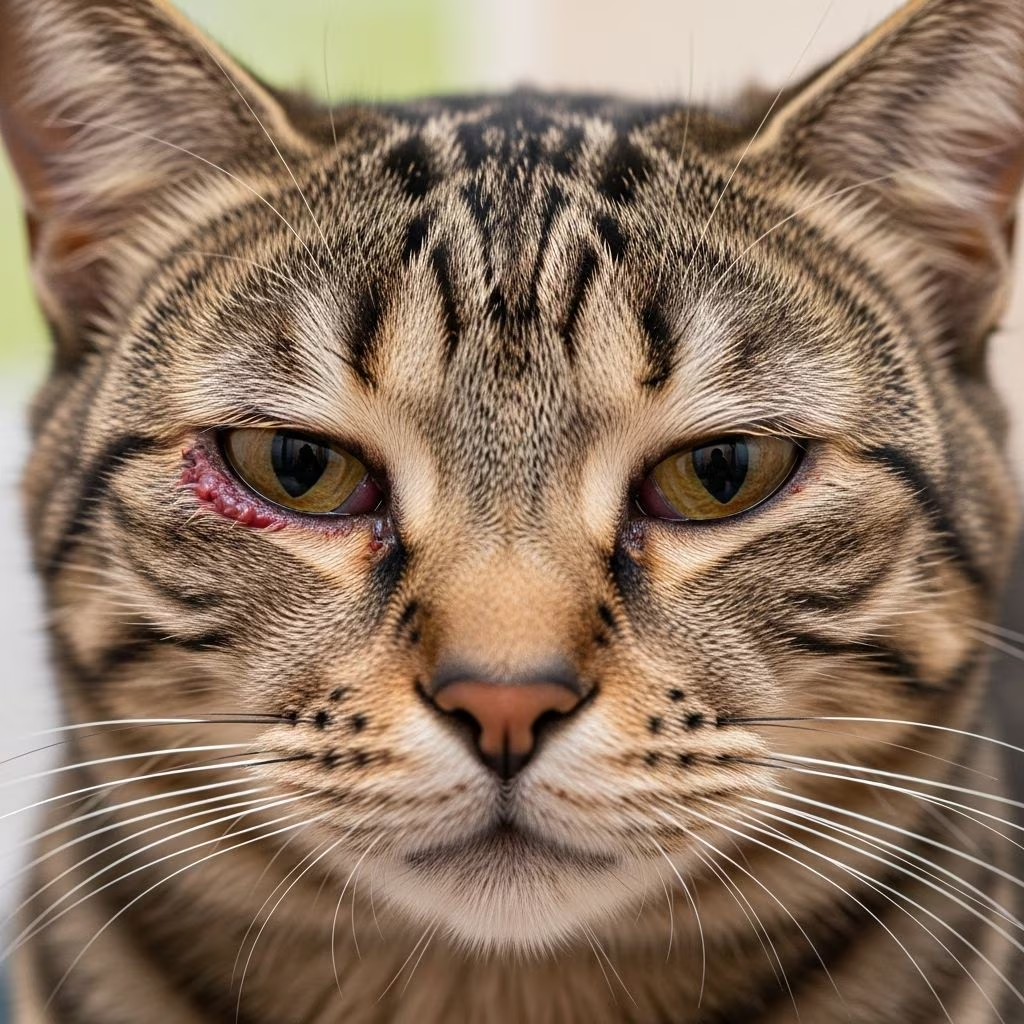
Understanding Blepharitis in Cats
Blepharitis is an inflammatory condition affecting the eyelids of cats that can significantly impact their comfort and quality of life. This condition involves inflammation of the tissues surrounding the eye, leading to various symptoms that range from mild irritation to severe discomfort. Understanding this condition is crucial for cat owners, as early recognition and prompt treatment can prevent complications and ensure your feline companion maintains optimal eye health.
The condition is relatively common in cats due to the wide variety of associated underlying factors. Many cat owners might initially mistake mild blepharitis for normal eye discharge or “sleep” in the eyes, but it’s important to recognize that healthy cats should have minimal eye discharge. Persistent symptoms warrant immediate attention and veterinary consultation to prevent the condition from worsening.
What Causes Blepharitis in Cats
Blepharitis in cats can develop from numerous underlying causes, and identifying the specific cause is essential for effective treatment. The condition is rarely primary and usually results from an underlying systemic or local condition affecting the eye area.
Common causes include:
– Bacterial infections that invade the eyelid tissues- Fungal infections, particularly yeast-related conditions- Parasitic infestations, including mites that affect the eyelids- Allergic reactions to environmental allergens or food sensitivities- Anatomical abnormalities that predispose cats to inflammation- Autoimmune conditions that trigger inflammatory responses- Feline herpesvirus (FHV-1) and other viral infections- Tear duct blockages or abnormalities in tear production- Skin disorders that extend to the eyelid area- Trauma or injury to the eye region
Recognizing Symptoms of Blepharitis in Cats
Identifying the signs of blepharitis early is crucial for prompt treatment. Cat owners should watch for several distinctive symptoms that may indicate their pet is suffering from this condition.
Primary symptoms include:
– Redness and inflammation of the eyelid margins- Swelling of the eyelids- Crusty buildup on the eyelids and surrounding areas- Discharge from the eyes, which may be clear, cloudy, or purulent- Squinting or frequent rubbing and scratching of the eyes- Increased blinking or abnormal eye movements- Light sensitivity (photophobia)- Hair loss around the eye area due to excessive licking or scratching- Visible irritation of the eye itself- Cloudy corneas in advanced cases- Unusual cat drooling if they’ve been licking their paws after touching irritated eyes- Changes in behavior such as hiding or decreased activity due to discomfort- Loss of appetite or lethargy in severe cases
Many cat parents mistake mild blepharitis for normal eye discharge. However, if you notice your cat exhibiting any of these signs for more than a day, it’s time to consider treatment options or consult your veterinarian.
Diagnosis of Feline Blepharitis
Proper diagnosis is fundamental to determining the underlying cause and establishing an effective treatment plan. Veterinarians employ several diagnostic tools to accurately identify blepharitis and its contributing factors.
The diagnostic process typically includes:
– Comprehensive physical examination- Specialized ophthalmologic (eye) examination- Cellular analysis and culture to identify infectious agents- Urinalysis to assess overall health- Blood testing to detect systemic conditions- Biopsy in cases where malignancy is suspected- Tear production measurements (Schirmer tear test)- Allergy testing for suspected allergic causes- Tear duct flushing to identify blockages
Your veterinarian may recommend specific tests based on your cat’s symptoms and medical history to identify these underlying factors accurately.
Treatment Options for Blepharitis in Cats
Treatment approaches depend significantly on the underlying cause of the inflammation. A comprehensive treatment plan addresses both the symptoms and the root cause to ensure lasting relief and prevent recurrence.
Gentle Cleansing Techniques
The first and often most immediate treatment for blepharitis involves gentle, consistent cleaning of the affected area. This helps remove irritants, discharge, and crust that can exacerbate the condition and cause further discomfort. Regular cleansing prevents secondary infections and promotes healing of the affected tissues.
To effectively clean your cat’s eyes, use a soft, clean cloth or cotton ball dampened with warm saline solution or plain water. Gently wipe away discharge and crusty buildup from the eyelid margins. This procedure should be performed as directed by your veterinarian, typically 2-3 times daily for optimal results.
Antimicrobial Therapy
When blepharitis is caused by bacterial or fungal infections, antimicrobial therapy becomes necessary. These medications target the specific organisms causing the inflammation, helping to resolve the condition at its source. Veterinarians typically prescribe antibiotic eye ointments or drops such as gentamicin, oxytetracycline, or erythromycin for bacterial infections. Antifungal medications are used for yeast or fungal cases, while combined antibiotic-antifungal preparations address mixed infections. Bacterial blepharitis typically requires treatment for a minimum of 3 weeks to ensure complete resolution.
Anti-Inflammatory Medications
Inflammation is a core component of blepharitis, and controlling this aspect is vital for relieving discomfort and promoting healing. Anti-inflammatory medications help reduce swelling, redness, and pain associated with the condition. Common treatments include topical corticosteroid drops or ointments (used cautiously and only as prescribed), non-steroidal anti-inflammatory drugs (NSAIDs) in severe cases, and combined antibiotic-steroid preparations that address both infection and inflammation simultaneously.
For cats with allergic blepharitis, anti-inflammatory medications are often combined with antihistamines or other allergy management approaches for comprehensive relief. This multi-faceted approach addresses both the symptoms and the underlying triggers of the condition.
Warm Compresses
Warm compresses are a simple yet effective supplementary treatment that can provide significant relief for cats with blepharitis. This therapy helps loosen crusts, improve blood circulation to the affected area, and reduce inflammation without medications. For optimal results, apply warm compresses 2-3 times daily, especially before administering any prescribed eye medications.
Benefits of warm compress therapy include:
– Loosening and softening crusted discharge for easier removal- Improving blood flow to the affected area, which promotes healing- Helping to express blocked glands in the eyelids- Providing comfort and pain relief- Creating a bonding moment between you and your cat during treatment
Many cats actually find this treatment soothing once they become accustomed to it. The warmth provides comfort, and when paired with gentle praise and treats, cats may even come to enjoy this aspect of their treatment routine.
Lubricating Eye Drops and Artificial Tears
Dryness and irritation are common symptoms of blepharitis. Veterinarians may recommend lubricating eye drops or artificial tear solutions to provide relief. These drops help moisturize the eyes, reducing dryness and discomfort associated with the inflammatory condition.
Managing Underlying Conditions
Since blepharitis is rarely a primary condition, addressing the underlying cause is essential for long-term success. Based on diagnostic findings, additional treatments might include dietary changes or elimination diets for food allergies, environmental modifications to reduce allergen exposure, tear duct flushing procedures for blockages, immune-modulating medications for autoimmune conditions, and surgical correction of anatomical abnormalities in severe cases.
For cases related to feline herpesvirus (FHV-1), specific antiviral treatments may be necessary. When other skin disorders are contributing to the blepharitis, medicated shampoos or topical treatments may be recommended. Stress minimization is particularly important for cats with inflammation caused by viral infections.
Surgical Interventions for Severe Cases
In severe or chronic cases of blepharitis where medications alone may not be sufficient, surgical interventions may be necessary. These procedures aim to address the underlying issues and promote healing. Laser therapy can be used to open blocked oil glands and improve the flow of oils, thus reducing eyelid inflammation. Surgical debridement involves careful removal of accumulated crusts or discharge from the eyelids, allowing the affected area to heal properly.
When to See a Veterinarian
Prompt veterinary care is recommended for severe or persistent symptoms. While mild cases might resolve with home care, several situations warrant immediate professional attention. If your cat exhibits severe eye discharge, significant eyelid swelling, or signs of pain that interfere with daily activities, schedule a veterinary appointment promptly. Additionally, if symptoms persist for more than a few days despite home care, or if your cat’s condition worsens, professional evaluation is essential.
Visit the vet frequently to keep an eye on the situation and get the right care if needed. Regular follow-up visits are essential to monitor the progress of treatment and make any necessary adjustments to the therapy plan.
Preventing Blepharitis in Cats
While some cases of blepharitis cannot be entirely prevented, certain measures can significantly reduce the risk of developing this condition. Maintain good overall hygiene, including regular grooming and bathing to prevent skin disorders that might extend to the eyelid area. Use a humidifier in the home to keep the air moist, which can help prevent dry eye conditions. Keep your cat’s environment clean and reduce exposure to potential irritants and allergens. Ensure your cat maintains a healthy immune system through proper nutrition and regular veterinary check-ups. Address any underlying health conditions promptly to prevent complications affecting the eyes.
Recovery and Long-Term Management
Recovery times for blepharitis vary depending on the underlying cause and severity of the condition. Most cats can recover from blepharitis and retain good eye health with the right care. However, some cats may require continuous management to prevent recurrent episodes. Once the underlying cause has been addressed or managed, inflammation is expected to subside. Swelling commonly resolves once the underlying cause has been treated, and discharge typically decreases as the condition improves.
Some cats may experience chronic or recurring blepharitis, particularly if the underlying condition is persistent or difficult to manage. In these cases, long-term maintenance therapy may be necessary to keep symptoms under control and maintain eye comfort.
Frequently Asked Questions
Q: How long does it take to treat blepharitis in cats?
A: Recovery times vary depending on the underlying cause and severity. Most cats show improvement within 1-2 weeks of treatment, but complete resolution may take 3-6 weeks. Chronic cases may require ongoing management.
Q: Can blepharitis in cats be contagious to other pets?
A: Most cases of blepharitis are not contagious. However, if the condition is caused by a bacterial or fungal infection, it could potentially spread to other pets through direct contact. Feline herpesvirus-related blepharitis can affect other cats.
Q: Is blepharitis painful for cats?
A: Yes, blepharitis can be uncomfortable and painful, particularly in severe cases. Cats may experience itching, soreness, and light sensitivity. Proper treatment helps alleviate this discomfort.
Q: What should I do if my cat won’t let me clean their eyes?
A: Use gentle techniques and positive reinforcement. Offer treats and praise during the cleaning process. If your cat is extremely resistant, consult your veterinarian for professional cleaning or sedation options if necessary.
Q: Can I use human eye drops on my cat?
A: Never use human eye drops on your cat without veterinary approval. Many human formulations can be harmful to feline eyes. Always use medications prescribed by your veterinarian.
Q: Is blepharitis in cats a sign of a serious disease?
A: While blepharitis itself is manageable, it can indicate underlying conditions that need attention. Some underlying causes can be serious, such as autoimmune disease or cancer. Proper diagnosis is essential to identify any serious conditions.
Conclusion
Blepharitis in cats is a common but manageable condition that responds well to proper treatment and management. By understanding the causes, recognizing symptoms early, and working closely with your veterinarian, you can ensure your feline companion receives appropriate care and maintains good eye health. With the various treatment options available—from gentle cleansing and warm compresses to antimicrobial therapy and management of underlying conditions—most cats experience significant improvement and relief from this uncomfortable eye condition. Regular monitoring, preventive care, and prompt attention to any eye concerns will help keep your cat’s eyes healthy and comfortable throughout their life.
References
- Blepharitis in Cats: Causes, Symptoms, and Treatment — PetCareRx. 2024. https://www.petcarerx.com/article/blepharitis-in-cats-causes-symptoms-and-treatment/6553
- Disorders of the Eyelids in Cats — Merck Veterinary Manual. 2024. https://www.merckvetmanual.com/cat-owners/eye-disorders-of-cats/disorders-of-the-eyelids-in-cats
- Eye Inflammation (Blepharitis) in Cats – Causes, Treatment — Vetster. 2024. https://vetster.com/en/conditions/cat/eye-inflammation-blepharitis
- Blepharitis in Cats: 5 Essential Treatments for Eye Health — The Pet Vet. 2024. https://thepetvet.com/blepharitis-in-cats/
- Blepharitis in Cats: Feline Eye Care Guide — Bailey’s CBD. 2024. https://baileyscbd.com/blogs/cat-health/blepharitis-in-cats-feline-eye-inflammation
- Blepharitis (Inflammation of the Eyelids) — Glendale Animal Hospital. 2024. https://www.familyvet.com/storage/app/media/blepharitis.pdf



