

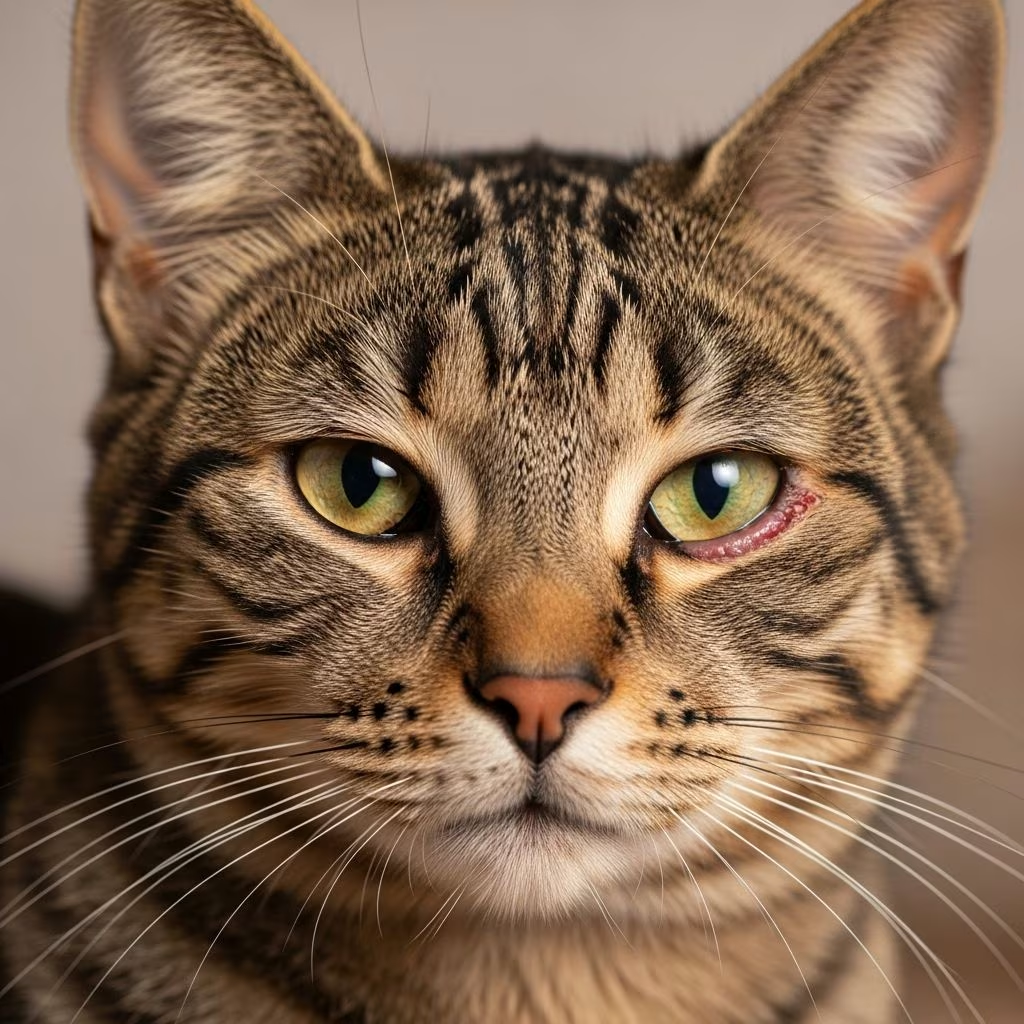
Understanding Blepharitis in Cats
Blepharitis is a common eye condition affecting cats that involves inflammation of the eyelids. This condition can significantly impact your cat’s comfort and quality of life if left untreated. The eyelids play a crucial role in protecting the eyes and maintaining proper eye health, so any inflammation in this delicate area warrants attention from a veterinary professional. Blepharitis can range from mild to severe, depending on the underlying cause and how quickly treatment is initiated.
Understanding blepharitis is essential for cat owners who want to maintain their pets’ ocular health and catch potential problems early. This condition can be secondary to various underlying health issues, making proper diagnosis and treatment crucial for long-term management.
What Causes Blepharitis in Cats?
Blepharitis in cats can develop from numerous different causes, making it a complex condition to diagnose and treat. The underlying etiology is critical to determining the appropriate treatment plan and preventing recurrence.
Infectious Causes
Bacterial infections are among the most common causes of blepharitis in cats. These infections can occur when bacteria colonize the eyelid tissues, leading to inflammation and irritation. Bacterial infections may be primary or secondary to other eyelid conditions.
Fungal infections, including ringworm (dermatophyte infection), can also cause eyelid inflammation in cats. Fungal blepharitis tends to progress more slowly than bacterial forms and may require extended treatment periods.
Parasitic infestations, particularly mites such as Demodex mites, represent another infectious cause of blepharitis in felines. These microscopic parasites can cause significant inflammation and discomfort in the eyelid region.
Feline herpes virus (FHV-1) can cause chronic eyelid inflammation and may require ongoing management during viral flare-ups.
Non-Infectious Causes
Allergic reactions are a significant non-infectious cause of blepharitis in cats. Cats may develop allergies to environmental factors, food components, or other allergens that manifest as eyelid inflammation.
Skin disorders, such as seborrhea and other dermatological conditions, frequently contribute to blepharitis development. These systemic skin conditions often affect the delicate eyelid tissue as well.
Eyelid abnormalities, including structural malformations or improper eyelid positioning, can lead to chronic eyelid inflammation by disrupting normal tear film distribution and eyelid function.
Tumors and neoplasia, including squamous cell carcinoma on the eyelid, can cause inflammation and require surgical intervention.
Endocrine disorders can be underlying contributors to blepharitis, requiring management of the hormonal imbalance to resolve eyelid symptoms.
Recognizing the Symptoms of Blepharitis
Cat owners should be vigilant about recognizing the signs of eyelid inflammation, as early detection enables prompt treatment. Symptoms can vary in severity depending on the underlying cause and the individual cat’s response to inflammation.
Common symptoms of blepharitis in cats include:
- Red and irritated eyes – The eyelids and surrounding tissue may appear noticeably reddened or inflamed
- Excessive tear production – Cats may have watery discharge or weeping from the affected eye
- Crusty buildup on the eyelids – Dried discharge and crusts may accumulate along the eyelid margins
- Eyelid swelling and edema – The eyelids may appear puffy or enlarged due to inflammatory response
- Eye discharge – Purulent or mucopurulent discharge may be present, ranging from clear to yellow or greenish
- Squinting or excessive eye rubbing – Cats may squint frequently or rub their eyes with their paws
- Light sensitivity (photophobia) – Affected cats may avoid bright light and keep eyes partially closed
- Increased blinking or eye movement – Cats may blink more frequently as a response to discomfort
- Cloudy corneas – In severe cases, the transparent cornea may appear hazy or opaque
- Loss of appetite or lethargy – Systemic signs may indicate more severe inflammation or underlying systemic disease
It’s important to note that not all cats will exhibit all symptoms, and the severity may vary considerably. Some cats may show only subtle signs initially, which can progress if left untreated.
How Is Blepharitis Diagnosed?
Proper diagnosis is essential for determining the underlying cause and establishing an effective treatment plan. Your veterinarian will employ multiple diagnostic techniques to identify the etiology of blepharitis.
Physical Examination
The veterinarian will perform a thorough physical examination of your cat’s eyes and facial region, carefully observing for signs of redness, swelling, discharge, and other visible symptoms. This initial assessment helps identify the location and severity of inflammation.
Ophthalmologic Examination
A specialized eye examination may be performed, potentially involving magnification devices and special staining techniques to evaluate the cornea, conjunctiva, and eyelid structures in detail.
Medical History
Your veterinarian will take a comprehensive medical history, including information about the onset of symptoms, any previous eye problems, environmental factors, diet, and underlying medical conditions that might contribute to blepharitis.
Laboratory Testing
Various laboratory tests may be performed to identify the underlying cause:
- Complete blood count (CBC) to identify infection or systemic disease
- Biochemistry panel to assess organ function and metabolic status
- Culture and sensitivity testing to identify bacterial or fungal organisms
- Cellular analysis and cytology to evaluate the type of inflammation
- Biopsy in cases of suspected neoplasia or persistent dermatological conditions
- Urinalysis to rule out underlying systemic disease
Treatment Options for Feline Blepharitis
Treatment for blepharitis depends on the underlying cause and severity of the condition. A comprehensive treatment plan may include symptomatic relief and specific therapies targeting the root cause.
Symptomatic Treatment
Your veterinarian may recommend short-term symptomatic treatments to provide comfort while the underlying cause is being addressed:
- Warm compresses – Application of warm compresses for 5-15 minutes several times per day can reduce inflammation and improve comfort
- Manual removal of discharge – Gentle cleaning and removal of crusty buildup from the eyelid margins
- Elizabethan collar (E-collar) – Prevents your cat from rubbing or traumatizing the affected eyes
Medications
Specific medications are prescribed based on the underlying cause of blepharitis:
Antibiotics: For bacterial infections, topical antibacterial ointments or drops are applied directly to the eye, or oral antibiotics such as doxycycline, azithromycin, or amoxicillin with clavulanic acid may be prescribed.
Antifungal medications: When fungal infections are identified, antifungal medications are administered to eliminate the infection and reduce inflammation.
Antiviral treatments: Chronic herpes virus infections may be managed with antiviral drops during flare-ups to control viral replication and inflammation.
Anti-parasitic medications: For mite-related blepharitis, anti-parasitic drugs are prescribed to eliminate the parasitic infestation.
Corticosteroids: These medications reduce inflammation and itching in allergic or inflammatory forms of blepharitis, suppressing the immune response to reduce the inflammatory process.
Antihistamines and immunosuppressants: For allergic disorders, these medications may be prescribed along with avoidance of identified allergens.
Lubricating eye drops and artificial tears: These provide relief from dryness and irritation, common symptoms of blepharitis that can perpetuate discomfort.
Dietary Management
If a food allergy is diagnosed as the underlying cause of blepharitis, the condition may often be managed effectively with dietary changes alone.
Surgical Interventions
In severe or chronic cases, surgical options may be necessary:
- Surgical correction of eyelid abnormalities – Surgery to correct structural problems that contribute to eyelid inflammation
- Tumor removal – Surgical excision of eyelid tumors or neoplastic growths
- Surgical debridement – Careful removal of crusts, scar tissue, or discharge to promote healing
- Laser therapy – Used to open blocked oil glands and improve oil flow, reducing eyelid inflammation
In some cases, referral to an ophthalmology specialist may be necessary for advanced surgical or medical management.
Recovery and Management of Feline Blepharitis
Recovery timelines vary depending on the underlying cause and treatment approach. With appropriate treatment, most infectious causes of blepharitis should improve within seven to 14 days.
Fungal infections, particularly ringworm, typically require longer treatment periods and slower recovery. When dealing with ringworm, use caution when handling your cat, wear gloves, wash your hands thoroughly, and isolate the affected cat from other household pets to prevent transmission. Consult with your veterinarian about maintaining a clean home environment during fungal infection treatment.
For allergic and chronic inflammatory forms of blepharitis, ongoing management may be necessary to prevent recurrent episodes. Regular follow-up appointments with your veterinarian are essential to monitor treatment progress and make necessary adjustments to the management plan.
Prevention Strategies for Blepharitis
While not all cases of blepharitis can be prevented, implementing good eye care practices and maintaining overall health can reduce the risk of developing eyelid inflammation:
- Keep your cat’s face clean – Gently wipe any discharge or dirt from the face with a warm, wet towel
- Regular eye cleaning – Periodically clean the eyes with a sterile saline solution to remove debris
- Avoid environmental irritants – Minimize exposure to smoke, dust, chemical fumes, and other irritants
- Maintain proper nutrition and hydration – Ensure your cat receives a balanced diet and adequate fresh water
- Practice good hygiene – Regular grooming and bathing maintain skin and eye health
- Use a humidifier – Adding moisture to the air can help prevent dry eye conditions
- Regular veterinary check-ups – Frequent visits allow your veterinarian to monitor eye health and catch problems early
- Allergy management – If your cat has known allergies, work with your veterinarian to manage and minimize exposure
Frequently Asked Questions About Feline Blepharitis
Q: Is blepharitis painful in cats?
A: Yes, blepharitis causes pain and discomfort for cats. The inflammation of the eyelids, combined with potential eye discharge and light sensitivity, creates significant discomfort that warrants prompt treatment.
Q: Does blepharitis go away on its own?
A: Some cases of mild blepharitis may clear up on their own over time, but most cases require professional treatment to improve. Most cases resolve within two weeks with appropriate treatment, though some may take longer depending on the underlying cause.
Q: How long does it take for blepharitis to heal?
A: Most infectious causes of blepharitis should improve within seven to 14 days with treatment. However, fungal infections and chronic inflammatory conditions may require longer treatment periods and slower recovery times.
Q: Can blepharitis recur in cats?
A: Yes, blepharitis can recur, particularly if the underlying cause is not completely resolved or managed. Some cats may require continuous management to prevent recurrent episodes, especially those with chronic allergies or recurring infections.
Q: When should I contact my veterinarian about my cat’s eye symptoms?
A: You should contact your veterinarian if you notice any signs of eyelid inflammation, including redness, swelling, discharge, excessive tearing, or changes in your cat’s eye appearance. Early intervention can prevent complications and reduce discomfort.
References
- Blepharitis in Cats: Causes, Symptoms, and Treatment — PetCareRx. 2024. https://www.petcarerx.com/article/blepharitis-in-cats-causes-symptoms-and-treatment/6553
- Eye Inflammation (Blepharitis) in Cats – Causes, Treatment — Vetster. 2024. https://vetster.com/en/conditions/cat/eye-inflammation-blepharitis
- Blepharitis in Cats — VCA Animal Hospitals. 2024. https://vcahospitals.com/know-your-pet/blepharitis-in-cats
- Blepharitis in Cats: Feline Eye Care Guide — Bailey’s CBD. 2024. https://baileyscbd.com/blogs/cat-health/blepharitis-in-cats-feline-eye-inflammation
- Blepharitis in Cats — PetMD. Written by Dr. Rhiannon Koehler, DVM. 2024. https://www.petmd.com/cat/conditions/eyes/blepharitis-cats



