
Bleeding Disorders In Horses: Diagnosis, Treatment, Prevention
Understand the causes, symptoms, diagnosis, and management of bleeding issues in horses to safeguard your equine companion's health.
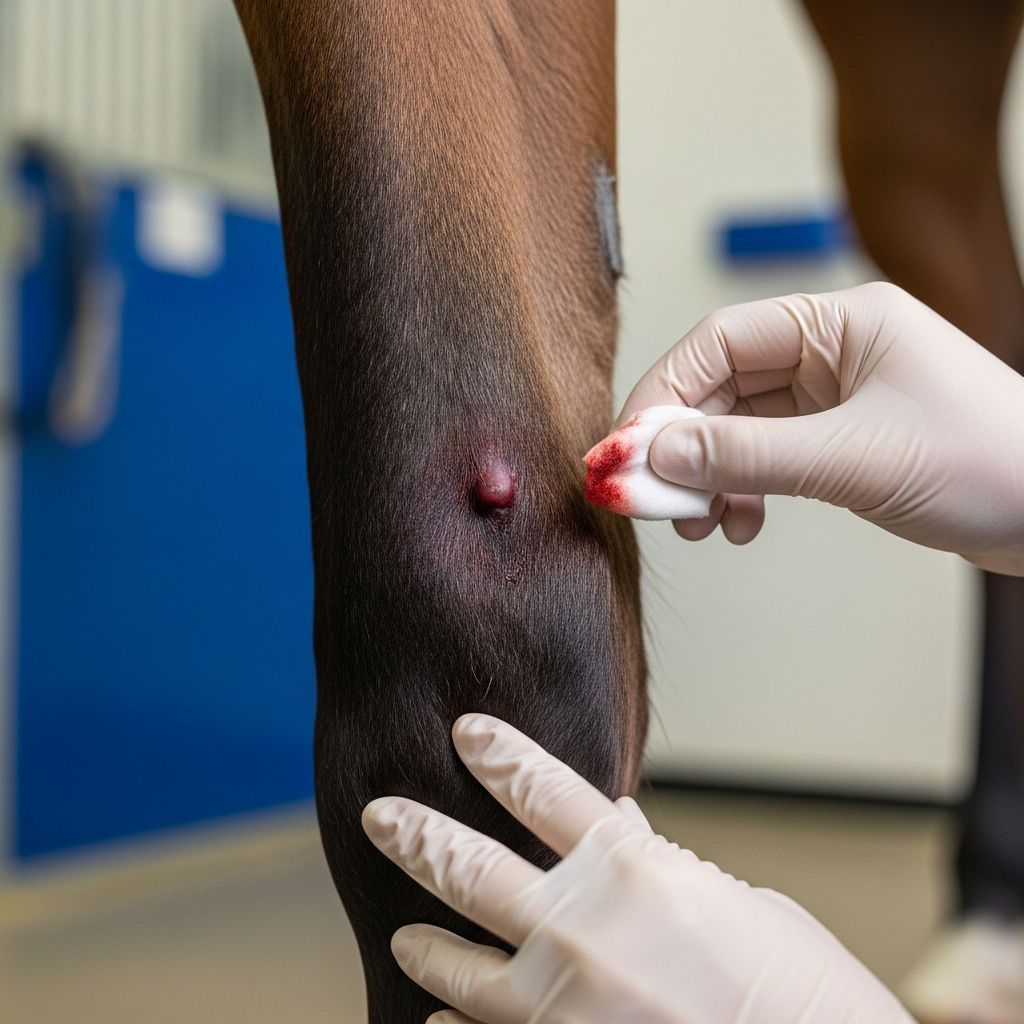
Horses can suffer from various bleeding disorders that disrupt normal blood clotting, leading to excessive or prolonged bleeding after injury, surgery, or even spontaneously. These conditions range from inherited genetic defects to those acquired later in life due to disease, toxins, or medications. Recognizing early signs such as nosebleeds, unusual bruising, or fatigue is crucial for timely veterinary intervention, which can prevent life-threatening complications like internal hemorrhage.
Understanding Hemostasis in Equine Physiology
Hemostasis, the process of stopping bleeding, involves a delicate balance of blood vessels, platelets, and clotting proteins. In healthy horses, injury to a vessel triggers platelet adhesion to form a plug, followed by a fibrin clot stabilized by coagulation factors. Disruptions at any stage—vascular integrity, primary hemostasis (platelets), or secondary hemostasis (clotting cascade)—can cause bleeding tendencies. Congenital disorders often manifest in young horses with spontaneous bleeds, while acquired ones may appear after infections or drug exposure.
Maintaining vascular health is foundational; weakened vessels from conditions like collagen defects exacerbate bleeding risks. Nutritional factors, such as vitamin K deficiency, can impair clotting factor synthesis in the liver, underscoring the need for balanced diets in performance horses.
Primary Types of Equine Bleeding Conditions
Bleeding disorders in horses are classified by their origin and mechanism. Congenital types stem from genetic mutations, prevalent in certain breeds, while acquired forms arise from secondary causes like immune-mediated destruction or toxins.
Congenital Coagulation Defects
Hemophilia A, a deficiency in Factor VIII, primarily affects male horses (colts and geldings) due to its X-linked inheritance. Foals may show prolonged bleeding from minor cuts, joint swelling from hemarthrosis, or severe internal bleeds into body cavities. Diagnosis is tricky in neonates under six months because their clotting proteins are naturally low.
Von Willebrand disease (vWD) involves dysfunctional or reduced von Willebrand factor (vWF), essential for platelet adhesion. Common in Quarter Horses and Thoroughbreds, it leads to mucosal bleeding like epistaxis (nosebleeds) or excessive postsurgical hemorrhage. Clinical features include lethargy, anemia, and bleeding from gums or urinary tract.
Platelet Function Abnormalities
Glanzmann thrombasthenia (GT) features platelets that fail to aggregate properly, seen in Thoroughbred crosses, Quarter Horses, and Oldenburgs. Horses present with spontaneous nosebleeds unrelated to exercise, gum bleeding, purpura (small red spots), and large bruises. Blood smears reveal giant, malformed platelets.
Thrombocytopenia, low platelet counts, can be immune-mediated, causing petechiae on gums/skin, melena (dark stools from GI bleed), or prolonged venipuncture bleeding. Bone marrow evaluation distinguishes peripheral destruction from production failure.
Vascular Fragility Disorders
Hereditary Equine Regional Dermal Asthenia (HERDA) results from a collagen type I mutation, causing hyperelastic, fragile skin and weak vessels. Prevalent in Quarter Horses, Paints, and Appaloosas, it manifests as easy skin tears, bruising, and subcutaneous bleeding.
Warmblood Fragile Foal Syndrome (WFFS) similarly weakens collagen in vessels, leading to fragile skin, hyperextensible joints, and bleeding tendencies in Warmblood foals.
Acquired Bleeding Disorders: Secondary Causes
Unlike genetic conditions, acquired disorders develop from external factors. Immune-mediated thrombocytopenia (ITP) involves antibodies destroying platelets, yielding fever, leg swelling, hyphema (eye bleeding), and epistaxis. Corticosteroids and rest are mainstays, with transfusions for severe anemia.
Disseminated intravascular coagulation (DIC), a consumptive coagulopathy, arises in sepsis or endotoxemia, forming microclots that deplete factors, causing paradoxical bleeding. Laminitis involves hoof vessel thrombosis from bacterial toxins, worsening ischemia.
Toxin exposures, like rodenticides inhibiting vitamin K, or drugs such as NSAIDs in excess, can prolong clotting times. Infections (e.g., equine infectious anemia) indirectly promote bleeding via anemia and vasculitis.
Clinical Manifestations and Breed Predispositions
- Nosebleeds (epistaxis): Common in vWD, GT, and exercise-induced pulmonary hemorrhage (EIPH), where lung capillaries rupture during intense work.
- Excessive bruising/ecchymoses: Indicates platelet issues or vascular fragility; deep hematomas suggest coagulation defects.
- Mucosal bleeding: Gums, urine, or melena signal primary hemostasis failure.
- Systemic signs: Anemia-induced lethargy, tachycardia, pale gums, fever, or exercise intolerance.
Breed risks guide screening: Quarter Horses for vWD/HERDA, Warmbloods for WFFS, Thoroughbreds for GT/EIPH.
| Breed | Common Disorders | Key Signs |
|---|---|---|
| Quarter Horse | vWD, HERDA | Nosebleeds, skin tears |
| Thoroughbred | GT, Hemophilia A | Prolonged bleeds, joint swelling |
| Warmblood | WFFS | Fragile skin, hyperflexion |
| Oldenburg | GT | Giant platelets, epistaxis |
Veterinary Diagnosis: Tests and Procedures
Diagnosis starts with history (breed, trauma, medications) and exam for petechiae, bruises, or pallor. Key tests include:
- Complete blood count (CBC): Checks platelet count, anemia.
- Coagulation panel: PT/PTT for factor deficiencies; prolonged in hemophilia.
- Buccal mucosal bleeding time (BMBT): Assesses primary hemostasis.
- vWF assays: Quantifies factor levels for vWD.
- Genetic testing: Confirms HERDA/WFFS/GT.
- Bone marrow biopsy: For thrombocytopenia etiology.
Foals require age-adjusted interpretation.
Treatment Strategies and Supportive Care
Management varies by type:
- Coagulation defects: Fresh plasma transfusions supply missing factors; avoid breeding affected animals.
- Platelet disorders: Transfusions for severe cases; immunosuppressants for ITP.
- Vascular issues: Wound care, avoid trauma; no cure for HERDA/WFFS.
- Supportive: Stall rest, ice for swelling, vitamin K for deficiencies.
Prognosis improves with early detection; severe genetic cases may limit athletic use.
Prevention and Management in Breeding and Training
Genetic screening before breeding prevents hereditary transmission—test for vWD, HERDA, WFFS. Monitor high-risk breeds closely. For performance horses, pre-competition checks and controlled exercise mitigate EIPH. Nutritional support with omega-3s bolsters vessel integrity. Responsible ownership includes vaccination against infections triggering DIC.
Frequently Asked Questions (FAQs)
What triggers nosebleeds in my horse?
Nosebleeds often stem from vWD, GT, or EIPH; consult a vet for clotting tests.
Can bleeding disorders be cured?
Congenital ones are managed, not cured; acquired types resolve with cause treatment.
Is my Quarter Horse at risk for HERDA?
Yes, genetic testing is recommended for breeding stock.
How do I know if it’s platelets or clotting factors?
Platelet issues cause superficial bleeds; coagulation defects lead to deep hematomas.
Should I vaccinate horses with bleeding risks?
Yes, but monitor post-injection sites closely.
References
- Bleeding Disorders in Horses: Types, Signs & Treatment — Mad Barn. 2023. https://madbarn.ca/bleeding-disorders-in-horses/
- Bleeding Disorders of Horses — Merck Veterinary Manual. 2023-10-17. https://www.merckvetmanual.com/horse-owners/blood-disorders-of-horses/bleeding-disorders-of-horses
- Blood Parasites of Horses — Merck Veterinary Manual. 2023-10-17. https://www.merckvetmanual.com/horse-owners/blood-disorders-of-horses/blood-parasites-of-horses
- Von Willebrand Disease — Cornell University College of Veterinary Medicine. 2023. https://www.vet.cornell.edu/departments-centers-and-institutes/riney-canine-health-center/canine-health-topics/von-willebrand-disease
- Investigating Bleeding Disorders — Liphook Equine Hospital. 2023. https://liphookequinehospital.co.uk/laboratory/a-z-tests/investigating-bleeding-disorders/
Similar Articles








Read full bio of medha deb


