

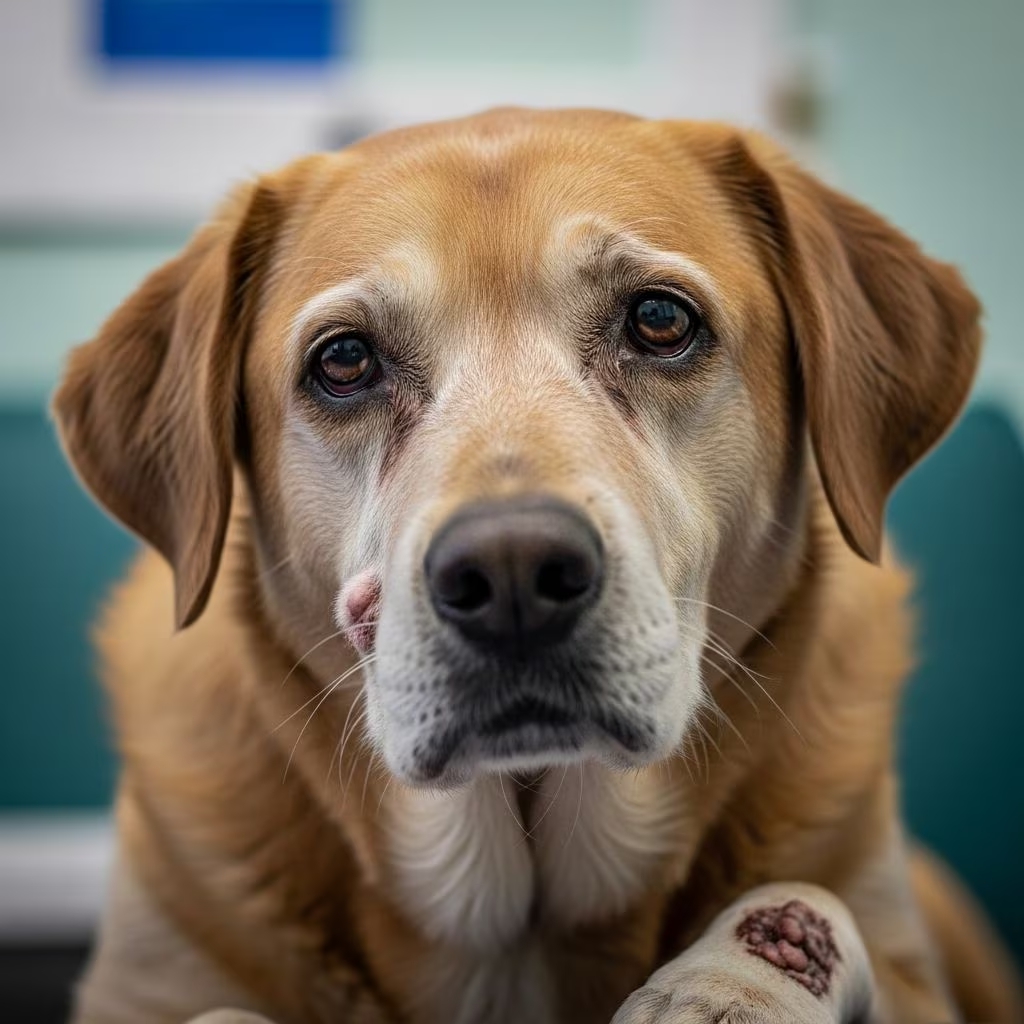
Blastomycosis represents a significant health concern for dogs, particularly those in regions where the causative fungus thrives. This systemic infection, triggered by inhaling spores of Blastomyces dermatitidis, can lead to severe respiratory distress and multi-organ involvement if not addressed promptly. Dog owners in endemic zones must remain vigilant for subtle early indicators to facilitate timely intervention.
Understanding the Nature of Blastomycosis
The fungus Blastomyces dermatitidis flourishes in moist, acidic soils near waterways, such as riverbanks and wooded areas. Dogs typically contract the disease by sniffing or digging in contaminated environments, allowing spores to enter the respiratory tract. Once inhaled, the organism converts to its yeast form in the warm, nutrient-rich lungs, evading immune defenses and proliferating rapidly. This initial pulmonary infection serves as the gateway for dissemination to distant sites like skin, eyes, bones, and the central nervous system. Factors heightening risk include large breeds, hunting dogs, and outdoor lifestyles in high-prevalence areas spanning the Mississippi, Ohio, and St. Lawrence river basins, as well as parts of the Midwest and Southeast United States.
Recognizing Clinical Manifestations
Manifestations of blastomycosis vary based on the organs compromised, often beginning insidiously with vague systemic complaints before escalating to organ-specific crises. Respiratory involvement occurs in 65-85% of cases, manifesting as a persistent, dry cough, labored breathing, exercise intolerance, and occasional hemoptysis (coughing blood). Owners frequently note their dog’s reluctance to play or walk due to tachypnea or cyanosis.
Generalized signs dominate early stages, including profound lethargy, anorexia, significant weight loss, and fever exceeding 103°F (39.4°C) in 40-60% of affected animals. Lymphadenopathy, particularly in peripheral nodes, signals immune activation against the invader.
Cutaneous lesions appear in up to 40% of cases, presenting as draining nodules, ulcers, or pustules on extremities, face, or trunk, often exuding a thick, pyogenic discharge. Ocular complications, such as anterior uveitis, chorioretinitis, or endophthalmitis, can cause photophobia, epiphora, hypopyon, or sudden blindness. Neurological sequelae like seizures, ataxia, head tilt, or behavior changes portend a grave prognosis due to blood-brain barrier penetration.
Less common but telling signs encompass lameness from osteomyelitis, hematuria or stranguria from prostatic or renal involvement, and testicular enlargement in intact males. A table summarizing key symptoms by organ system aids quick reference:
| Organ System | Common Symptoms |
|---|---|
| Lungs (65-85%) | Cough, dyspnea, exercise intolerance, fever |
| Skin | Nodules, ulcers, draining tracts |
| Eyes | Inflammation, cloudiness, blindness |
| Lymph Nodes | Enlargement, firmness |
| Systemic | Lethargy, anorexia, weight loss |
| Neurologic | Seizures, circling, paresis |
Diagnostic Approaches
Veterinarians suspect blastomycosis in dogs exhibiting compatible signs from endemic locales, especially with radiographic evidence of pulmonary infiltrates, hilar lymphadenopathy, or mass-like lesions. Cytologic examination via fine-needle aspiration of lesions—be they lymph nodes, skin, or ocular—reveals characteristic broad-based budding yeasts (8-30 μm), confirming diagnosis in over 90% of cases. Biopsy with histopathology or fungal culture provides definitive identification, though culture demands biosafety precautions due to infectivity.
Serologic assays like antigen detection in urine or serum offer rapid, non-invasive screening with high sensitivity (93%) but occasional cross-reactivity. Thoracic radiography is indispensable, revealing interstitial-to-alveolar patterns, even in subclinical cases. Advanced imaging such as CT or abdominal ultrasound delineates dissemination. Bloodwork often discloses hyperglobulinemia, reflecting chronic antigenic stimulation.
Therapeutic Strategies
Treatment hinges on prolonged antifungal administration, with itraconazole as the cornerstone due to superior efficacy, oral bioavailability, and safety profile. Dosing protocol: 5 mg/kg PO q24h after a 3-day loading phase of q12h, always with food to enhance absorption. Therapy spans 3-12 months, extending at least 30-90 days beyond clinical and radiographic resolution. Success rates reach 70-80% with adherence.
For fulminant disease or central nervous involvement, amphotericin B lipid complex (Abelcet®) at 5-8 mg/kg IV every 1-2 weeks (total cumulative 15-25 mg/kg) accelerates fungal clearance, often combined with an azole to mitigate nephrotoxicity. Fluconazole (10-20 mg/kg PO q12-24h) serves as an alternative for ocular or CNS cases owing to superior CSF penetration, though costlier. Voriconazole or ketoconazole feature less prominently due to variable efficacy and toxicity.
- Supportive Measures: Corticosteroids (prednisone 1-2 mg/kg/day tapered) quell hypersensitivity reactions during initial die-off, averting acute respiratory distress syndrome (ARDS).
- Wound Care: Topical antiseptics like chlorhexidine for skin lesions; surgical debridement if warranted.
- Ocular Therapy: Topical/systemic anti-inflammatories; enucleation for blind, painful globes.
- Monitoring: Monthly bloodwork (liver enzymes, renal parameters), itraconazole trough levels at 2 weeks, serial antigen titers, and radiographs.
Probiotics mitigate gastrointestinal upset from azoles; recovery cones prevent self-trauma to eyes or paws. Prognosis excels (70-90%) sans CNS disease but plummets with brain involvement or ARDS.
Preventive Measures and Risk Mitigation
Absence of a vaccine underscores environmental avoidance: restrict access to wooded, watery habitats during autumn; employ muzzles or leashes in hotspots; promptly inspect paws post-outings. No routine antifungal prophylaxis exists, but awareness empowers early detection. Post-treatment, relapse monitoring via antigen tests persists 1-2 years, as 20-25% recur.
Prognostic Factors and Long-Term Outlook
Early intervention yields fair-to-good outcomes, with 50-75% survival overall. Detrimental factors include delayed diagnosis, CNS extension, profound hypoxemia, or comorbidities. Initial worsening (1-2 weeks) from antigen release necessitates hospitalization with oxygen and ventilation. Survivors often resume normalcy post-therapy, though subclinical foci may linger.
Frequently Asked Questions (FAQs)
Is blastomycosis contagious between dogs or to humans?
No, it transmits environmentally via spores, not dog-to-dog or direct zoonosis, though immunocompromised humans warrant caution around lesions.
How long does treatment last?
Typically 4-12 months, guided by serial evaluations; premature cessation invites relapse.
Can my dog fully recover?
Yes, most do with prompt, compliant therapy, regaining vitality sans sequelae.
What breeds are most susceptible?
Outdoor breeds like Labrador Retrievers, English Springer Spaniels, and hunting dogs face elevated risk due to exposure.
Should I test my dog if asymptomatic in an endemic area?
Not routinely, but clinical suspicion prompts diagnostics; screening unavailable for healthy pets.
Emerging Research and Future Directions
Ongoing trials explore shorter regimens, novel azoles, and immunotherapies to boost cure rates and curb resistance. Antigen monitoring refines treatment endpoints, minimizing overtreatment.
References
- Epidemiology, diagnosis, and treatment of blastomycosis in dogs — PubMed. 2005-11-01. https://pubmed.ncbi.nlm.nih.gov/16317913/
- Blastomycosis in Dogs: Signs, Symptoms, Treatments — American Kennel Club. Recent. https://www.akc.org/expert-advice/health/blastomycosis-in-dogs/
- Blastomycosis in Dogs — VCA Animal Hospitals. Recent. https://vcahospitals.com/know-your-pet/blastomycosis-in-dogs
- Blastomycosis in Dogs: What It Is, Symptoms, and Treatment — PetMD. Recent. https://www.petmd.com/dog/conditions/respiratory/c_multi_blastomycosis
- Canine blastomycosis: A review and update on diagnosis and treatment — dvm360. Recent. https://www.dvm360.com/view/canine-blastomycosis-review-and-update-diagnosis-and-treatment
- Seeking Better Treatment for Blastomycosis — University of Illinois College of Veterinary Medicine. Recent. https://vetmed.illinois.edu/pet-health-columns/seeking-better-treatment-for-blastomycosis/



