

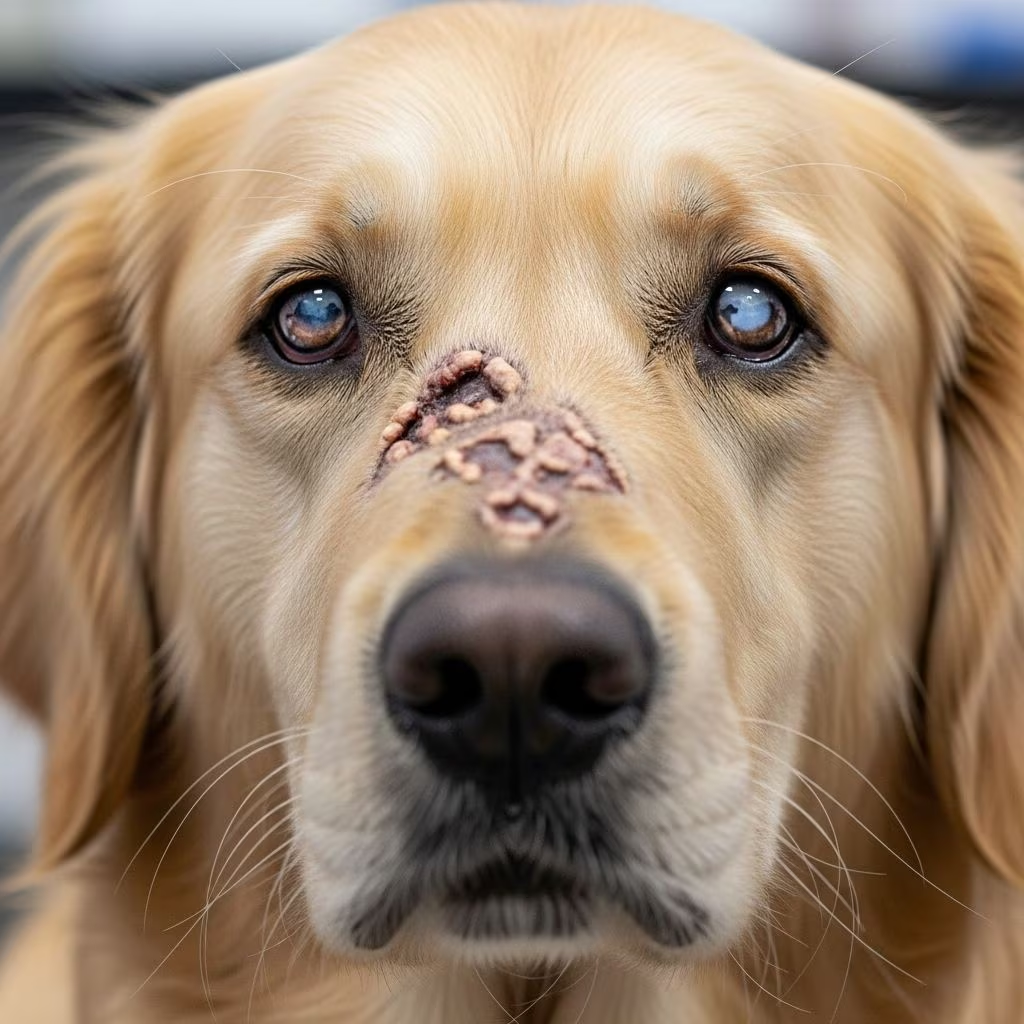
Blastomycosis represents a significant health threat to dogs, stemming from a fungal pathogen prevalent in specific environments. This condition arises when dogs inhale spores from soil enriched with organic matter, particularly in regions near rivers, lakes, or wooded areas. Awareness of this disease enables pet owners to recognize early warning signs and pursue timely veterinary intervention, which is crucial for positive outcomes.
The Nature of the Blastomyces Fungus
The causative agent, Blastomyces dermatitidis, thrives in damp, acidic soils teeming with decaying vegetation. It transforms into infectious spores under favorable conditions, such as warm temperatures and high humidity. Dogs exploring outdoor spaces in endemic zones—like parts of the Midwest, Southeast, and Ohio River Valley—face heightened risk. Unlike bacterial infections, blastomycosis spreads systemically after spore inhalation, potentially invading lungs, skin, eyes, and even the central nervous system.
Geographic distribution plays a key role; the fungus favors locales with abundant moisture and organic debris. Hunting, sporting, or retrieving breeds often encounter contaminated sites during activities. While humans can contract it similarly, transmission between dogs or from dogs to humans does not occur directly.
Recognizing Clinical Manifestations
Symptoms emerge variably, depending on affected organs. Respiratory involvement is most common, manifesting as a persistent, dry cough, rapid breathing, or exercise intolerance. Owners might notice lethargy, reduced appetite, and unexplained weight loss accompanying these signs. Fever, present in 40-60% of cases, further signals systemic illness.
- Lung-related issues: Coughing, shortness of breath, or silent lesions detectable only via imaging.
- Skin abnormalities: Nodules, pustules, or draining ulcers, often on limbs or trunk, affecting up to 30-40% of dogs.
- Ocular problems: Inflammation, cloudiness, uveitis, or vision loss from intraocular spread.
- Lymphatic swelling: Enlarged nodes in neck, limbs, or elsewhere.
- Neurological effects: Seizures, disorientation, or balance issues in advanced stages.
- Musculoskeletal signs: Lameness or joint pain from bone involvement.
Early detection hinges on vigilance; skin lesions or cough often precede graver developments. Young, large-breed males appear predisposed, though any dog can succumb.
Diagnostic Approaches for Confirmation
Veterinarians employ multifaceted strategies to diagnose blastomycosis accurately. Initial exams include thorough history-taking, focusing on travel to endemic areas and symptom onset. Blood work reveals elevated white cells or organ stress markers.
Chest radiographs frequently show diffuse lung patterns, such as nodular infiltrates or consolidation, in 65-85% of cases. Cytology from fine-needle aspirates of lesions yields yeast forms—broad-based budding organisms under microscope. Urine or blood antigen tests, like MVista EIA, offer high sensitivity for early detection.
| Method | Description | Advantages |
|---|---|---|
| Radiography | Thoracic X-rays | Identifies lung patterns quickly |
| Cytology/Biopsy | Sample examination | Direct visualization of fungus |
| Antigen Testing | Urine/Blood assays | Non-invasive, monitors progress |
| Culture | Growth in lab | Definitive but slow |
Combining these ensures precision, ruling out mimics like cancer or bacterial pneumonia.
Therapeutic Strategies and Protocols
Treatment demands prolonged antifungal therapy, typically spanning 3-12 months. Itraconazole stands as the cornerstone, dosed at 5 mg/kg daily, boasting efficacy in 70-80% of cases with manageable side effects. For severe presentations—marked by respiratory distress or hypoxemia—amphotericin B provides rapid action, often combined initially with an azole to minimize toxicity.
Supportive measures address complications: oxygen for breathing issues, topical antimicrobials for skin wounds, and anti-inflammatories like steroids for initial lung flares. Eye involvement may necessitate drops or surgery in extreme cases. Monitoring via serial antigen tests guides duration; cure requires two consecutive negative readings post-symptom resolution, plus at least six months of therapy.
- Primary drugs: Itraconazole (preferred), fluconazole, ketoconazole.
- Rescue options: Amphotericin B (IV, nephrotoxic), terbinafine adjunct.
- Duration: Minimum 3 months; extend until clearance.
- Relapse risk: 20-25%, necessitating lifelong vigilance.
Owners administer oral meds at home post-stabilization, with monthly vet checks. Probiotics mitigate GI upset; e-collars prevent self-trauma.
Prognostic Factors Influencing Recovery
Outcomes hinge on early intervention and dissemination extent. Pulmonary-limited cases fare best, with 80-90% survival. Widespread or CNS involvement drops odds, with 50% mortality in fulminant scenarios. Costly regimens—often thousands over months—challenge commitment, yet adherence yields cures.
Relapse demands re-treatment; antigen surveillance post-therapy detects recrudescence early. Factors like breed, age, and comorbidities modulate success.
Preventive Measures for At-Risk Dogs
No vaccine exists, so risk avoidance is paramount. Limit exposure in endemic areas: avoid muddy riverbanks, wooded trails during damp seasons. Post-outing baths remove spores. Hunting dogs benefit from booties in high-risk zones.
Annual antigen screening for frequent travelers aids preemptive monitoring. Educating breeders and shelters in hot spots promotes awareness.
FAQs on Canine Blastomycosis
What breeds are most susceptible?
Large sporting breeds like Labrador Retrievers and hounds, due to outdoor lifestyles.
How long does treatment last?
Typically 6-12 months, based on clinical and lab resolution.
Can my dog transmit it to humans or other pets?
No, it’s environmentally acquired, not contagious.
What if symptoms return after treatment?
Prompt re-evaluation; antigen test guides re-induction therapy.
Is blastomycosis fatal?
Not invariably; early care boosts survival to over 70%.
Long-Term Care and Monitoring
Post-treatment, biannual check-ups with antigen testing sustain remission. Nutritional support bolsters immunity; weight management counters lethargy residuals. Behavioral adjustments, like leashed walks in safe areas, minimize re-exposure.
Owners report restored vitality in recovered dogs, resuming normal activities. Sharing experiences fosters community support via vet networks.
References
- Blastomycosis in Animals — Merck Veterinary Manual. 2023. https://www.merckvetmanual.com/infectious-diseases/fungal-infections/blastomycosis-in-animals
- Blastomycosis in Dogs — VCA Animal Hospitals. 2023. https://vcahospitals.com/know-your-pet/blastomycosis-in-dogs
- Canine blastomycosis: A review and update on diagnosis and treatment — dvm360. 2023. https://www.dvm360.com/view/canine-blastomycosis-review-and-update-diagnosis-and-treatment
- Blastomycosis in Dogs: What It Is, Symptoms, and Treatment — PetMD. 2023. https://www.petmd.com/dog/conditions/respiratory/c_multi_blastomycosis
- Blastomycosis Fact Sheet — Ohio State University College of Veterinary Medicine. 2020-01-23. https://vet.osu.edu/sites/default/files/documents/Blastomycosis%20Fact%20Sheet%2020200123.pdf



