
Bland Diet Instructions for Dogs and Cats
Complete guide to feeding bland diets for pets with digestive issues and upset stomachs.
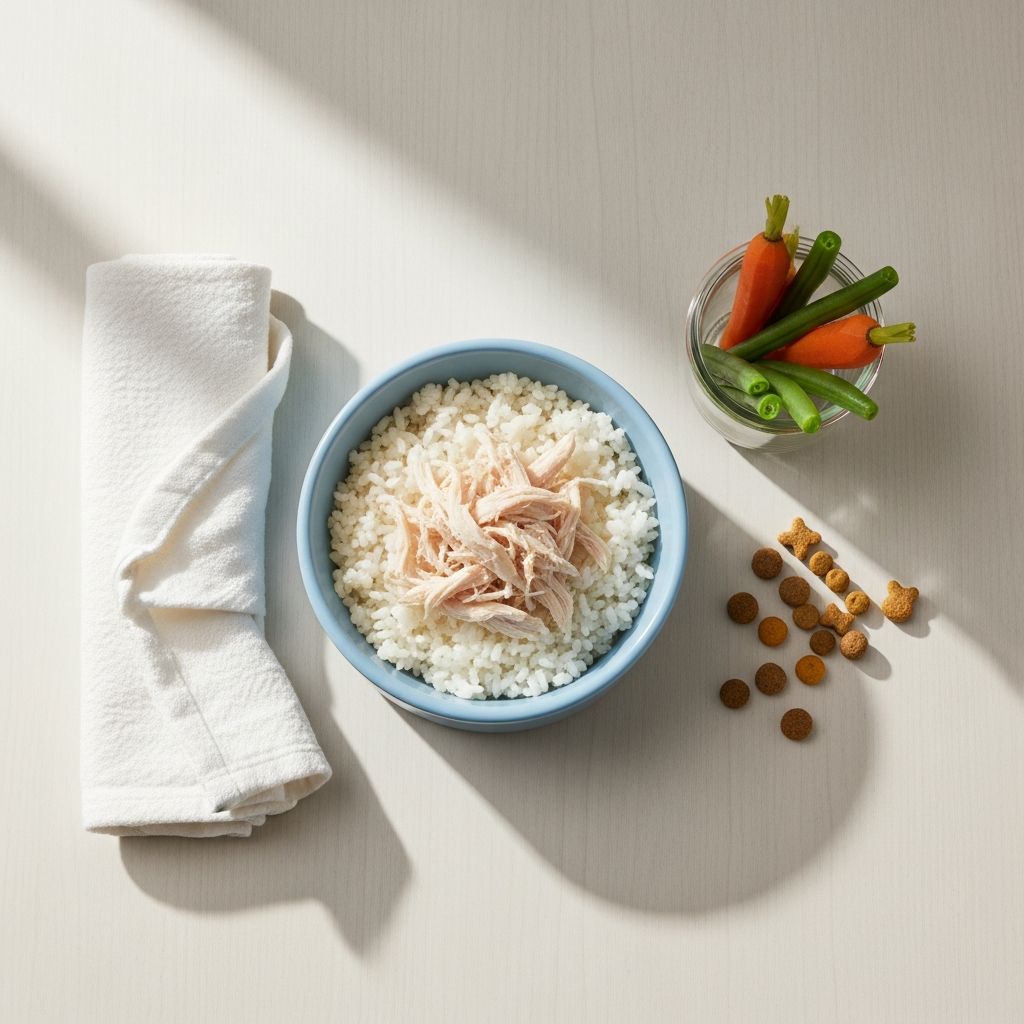
Understanding Bland Diets for Pets
The term “bland diet” has evolved significantly in veterinary medicine over recent years. Historically, the phrase referred simply to boiled chicken breast and cooked white rice. However, modern veterinary science recognizes that this traditional definition lacks specificity and understanding. A truly effective bland diet should address multiple dietary factors that promote digestive health and recovery. The question “Is it low in calories and fat? Does it contain limited ingredients? Is it free from flavoring enhancers? Or is it simply highly digestible?” highlights the complexity behind proper bland diet formulation.
Contemporary veterinary recommendations have moved beyond the basic boiled chicken and rice approach. Home-prepared bland diets carry inherent risks that veterinarians must carefully consider. The primary concern involves nutritional imbalance, as homemade recipes may lack essential vitamins, minerals, and amino acids necessary for optimal health. Additionally, improper food handling and preparation can introduce contamination risks. For these reasons, prescription bland diet options formulated by veterinary nutritionists now represent superior alternatives to traditional home-prepared meals.
When Should You Feed a Bland Diet?
Bland diets serve specific therapeutic purposes in veterinary medicine. These specialized diets are designed to rest the gastrointestinal tract during periods of upset or distress. They work by reducing the workload on the digestive system, allowing inflamed tissues to heal and return to normal function. The low-fiber composition of bland diets decreases stool production, which means pets experience less frequent urges to defecate. This characteristic proves particularly beneficial for animals suffering from diarrhea.
Beyond diarrhea management, bland diets address vomiting through their low-fat composition and gentle texture. The reduced fat content minimizes gastric stimulation, while the highly digestible nature means less processing is required by the stomach and intestines. Animals experiencing acute gastrointestinal distress—whether from dietary indiscretion, minor infections, or stress-related upset—often benefit from temporary bland diet implementation. However, it is crucial to understand that bland diets are supportive care measures, not treatments for underlying diseases. Pets displaying signs of serious illness should receive veterinary evaluation and appropriate medical treatment rather than relying solely on dietary modification.
Composition and Ingredients of a Bland Diet
A properly formulated bland diet consists of two primary components: a single carbohydrate source and a single lean protein source. The carbohydrate component typically includes boiled white rice, though alternatives such as sweet potatoes, cooked oatmeal, or pasta provide acceptable options. Sweet potatoes offer particular advantages, as they can be baked, peeled, and cut into small cubes. Canned sweet potatoes may be used provided they do not contain excessive sodium content.
The protein component should always be lean and carefully prepared. Boiled chicken breast without skin or bones represents the classic choice, though ground beef (preferably lean sirloin), turkey, or cottage cheese provide suitable alternatives. All fat must be removed from meat sources before feeding. For cats and small dogs, commercial chicken or turkey baby food without additives offers a convenient bland diet option.
For pets experiencing diarrhea exclusively, pureed pumpkin or bananas offer particular benefits. The soluble fiber in these foods does not overtax the gastrointestinal tract while providing excellent potassium content. Pumpkin and banana fiber absorbs water and slows peristalsis, effectively decreasing bowel movement frequency. Most cats and dogs readily consume pumpkin, though proper selection is essential—regular canned pumpkin differs significantly from pumpkin pie filling and should always be used.
Bland Diet Recipes and Preparation
The most straightforward bland diet recipe combines boiled rice with lean protein in appropriate ratios. The most common formulation mixes 75 percent boiled white rice with 25 percent boiled lean chicken breast or lean ground beef. Some veterinary sources recommend a 1:4 ratio of protein to rice, while others suggest a 1:1 combination. The specific ratio may vary based on individual veterinary recommendations and pet response.
Preparation follows simple steps. Cook white or brown rice until tender by boiling or steaming. Cook chicken breast thoroughly without adding salt, seasonings, or fat. Remove all skin and bones from chicken. Ground beef should be cooked thoroughly with all grease drained away. Mix the protein source with the carbohydrate source according to the recommended ratio. The resulting mixture should be soft and easily digestible.
Homemade bland diets can be prepared in advance and stored in the refrigerator for up to 72 hours. Individual meals may be warmed slightly before serving, though this step is optional. Freezing in portion-sized containers extends storage life for longer-term meal preparation. This advance preparation allows pet owners to maintain consistent feeding schedules without daily cooking demands.
Feeding Guidelines Based on Pet Size
| Pet Size/Weight | Daily Feeding Amount | Meal Frequency |
|---|---|---|
| Cats and small dogs (less than 5 lbs) | ½ cup total | 4-6 small meals |
| Small dogs (5-15 lbs) | ½ to ¾ cup total | 4-6 small meals |
| Medium dogs (16-30 lbs) | 1 to 1½ cups total | 3-4 small meals |
| Medium-large dogs (31-50 lbs) | 1½ to 2 cups total | 3-4 small meals |
| Large dogs (51-75 lbs) | 2 to 3 cups total | 3-4 small meals |
| Large dogs (76-99 lbs) | 3 to 4 cups total | 3-4 small meals |
| Extra-large dogs (100+ lbs) | 4 to 5 cups total | 3-4 small meals |
Initial Fasting Protocol
When a pet exhibits vomiting, the first step involves withholding both food and water for 12 to 24 hours. This fasting period allows the inflamed stomach lining to rest and recover. After the fasting period concludes and the pet has shown no vomiting for at least 12 hours, gradually reintroduce water. Offer approximately one cup of water and observe the pet for 20 minutes to ensure no vomiting occurs.
If the pet tolerates water without vomiting, small amounts of bland food can be introduced. Begin with extremely small portions—just one teaspoon for cats and small dogs, or one to two tablespoons for medium to large dogs. Offer these tiny meals frequently throughout the day rather than attempting larger portions.
For pets experiencing diarrhea without vomiting, food withholding typically lasts only 12 to 24 hours. After this shorter fasting period, begin the bland diet as directed without the extended water-only phase.
Gradual Feeding Progression
If no vomiting occurs following initial bland food introduction, continue offering small meals every two to four hours. Gradually increase both the portion size and the interval between meals. The goal is to transition from frequent tiny meals to the normal feeding schedule of two to three times daily over several days.
Continue the bland diet exclusively until the pet’s stools become completely normal. Soft or abnormal stools indicate the gastrointestinal system requires additional recovery time. If stool consistency regresses at any point, return immediately to 100 percent bland diet and restart the gradual progression.
Most pets show substantial improvement within three to five days of bland diet implementation. However, if vomiting and diarrhea worsen or do not improve within three days, veterinary evaluation becomes essential to rule out underlying medical conditions requiring specific treatment.
Transition Back to Regular Diet
Never transition a pet from bland diet to regular food rapidly, as abrupt dietary changes often trigger digestive upset. The transition process should span four to seven days, with gradual increases in regular food proportions.
Recommended transition schedule:
- Days 1-2: Mix 75 percent bland diet with 25 percent regular food
- Days 3-4: Mix 50 percent bland diet with 50 percent regular food
- Days 5-6: Mix 25 percent bland diet with 75 percent regular food
- Day 7: Feed 100 percent regular diet
If at any point during this transition the pet’s stools become soft or abnormal, pause the progression for an additional day or two before advancing to the next ratio. This flexible approach allows the digestive system to adjust at an appropriate pace for each individual pet.
For one week after returning completely to regular diet, continue minimizing treats and avoiding table scraps. This conservative approach ensures digestive stability and prevents regression to upset stomach symptoms.
Feeding Tips for Picky Eaters
Some pets may initially resist bland diet offerings, particularly if accustomed to more palatable foods. Several strategies can encourage adequate consumption:
- Hand feed small portions to increase palatability through direct contact and attention
- Place food on a plate rather than in a bowl, sometimes changing presentation influences consumption
- Offer food on the floor, as some pets have preferences regarding where they eat
- Soak the food in water if the pet is drinking, which increases moisture content and softens the meal
- Feed in a quiet, calm environment free from distractions and stress
- Ensure food is at an appropriate temperature—not too hot or cold
If a pet consistently refuses bland diet meals despite these strategies, contact the veterinary office for alternative recommendations. Prescription bland diet formulations often prove more palatable than home-prepared options and may succeed where homemade meals fail.
Important Feeding Restrictions
During bland diet implementation, strict adherence to the diet without supplementary foods proves essential for successful gastrointestinal recovery. Avoid offering:
- Treats of any kind, including training treats or dental chews
- Table scraps or human food items
- Bones or chew toys
- Any flavored medications or supplements without veterinary approval
- Regular pet food mixed with bland diet before the scheduled transition period
Even small amounts of inappropriate foods can disrupt gastrointestinal healing and prolong recovery time. Family members and household visitors should understand these restrictions and cooperate with the feeding protocol.
When to Seek Veterinary Care
While bland diets effectively support many cases of minor gastrointestinal upset, certain situations require immediate veterinary attention. Contact your veterinarian if:
- Vomiting or diarrhea worsens despite three days of bland diet implementation
- Your pet shows signs of dehydration including excessive panting, lethargy, or dry mucous membranes
- Blood appears in vomit or stool
- Your pet shows signs of abdominal pain such as hunching, whining, or reluctance to move
- Your pet experiences loss of appetite beyond the initial fasting period
- Symptoms persist beyond seven days despite proper bland diet implementation
These warning signs may indicate conditions requiring medical intervention beyond dietary management, such as infections, foreign body obstruction, or underlying metabolic disease.
Frequently Asked Questions
Q: How long should my pet stay on a bland diet?
A: Typically, continue the bland diet for two to three days after vomiting stops and stools return to completely normal. Once signs of digestive upset have resolved, begin the four to seven-day transition back to regular food.
Q: Can I use canned pet food for a bland diet?
A: Some veterinary-formulated prescription bland diet options come in canned form and represent excellent alternatives to homemade preparations. These contain carefully balanced nutrition that homemade recipes often lack.
Q: What if my pet refuses to eat the bland diet?
A: Try the feeding tips mentioned above, including hand feeding, changing presentation, soaking the food, and feeding in a calm environment. If resistance continues, contact your veterinarian about prescription diet alternatives.
Q: Is it safe to feed a bland diet long-term?
A: No. Bland diets lack the nutritional completeness required for long-term feeding. They are intended as temporary supportive care during acute gastrointestinal upset only.
Q: Can cats eat the same bland diet as dogs?
A: Yes, the basic recipe works for cats, though portion sizes and presentation differ. Cats require smaller amounts and may prefer foods served at body temperature.
References
- Bland Diet Instructions — VCA Animal Hospitals. Accessed 2025. https://vcahospitals.com/know-your-pet/blah-blah-and-more-blah-bland-diet-instructions-for-dogs-and-cats
- Bland Diet Feeding Instructions — Neighborhood Veterinary Clinic. 2025. https://www.neighborhoodvetclinic.com/bland-diet-facts/
- Bland Diet Instructions for Dogs and Cats — Weste Animal Hospital. 2025. https://westeanimalhospital.com/resources/bland-diet-instructions-for-dogs-and-cats/
- Bland Diet Instructions — CareVet. 2022. https://www.carevet.com/lincolnway/wp-content/uploads/sites/354/2022/06/resources-bland-diet.pdf
- Bland Diet Feeding Instructions — All Creatures Veterinary Clinic. 2025. https://www.minocquavets.com/bland-diet
Similar Articles








Read full bio of Sneha Tete


