

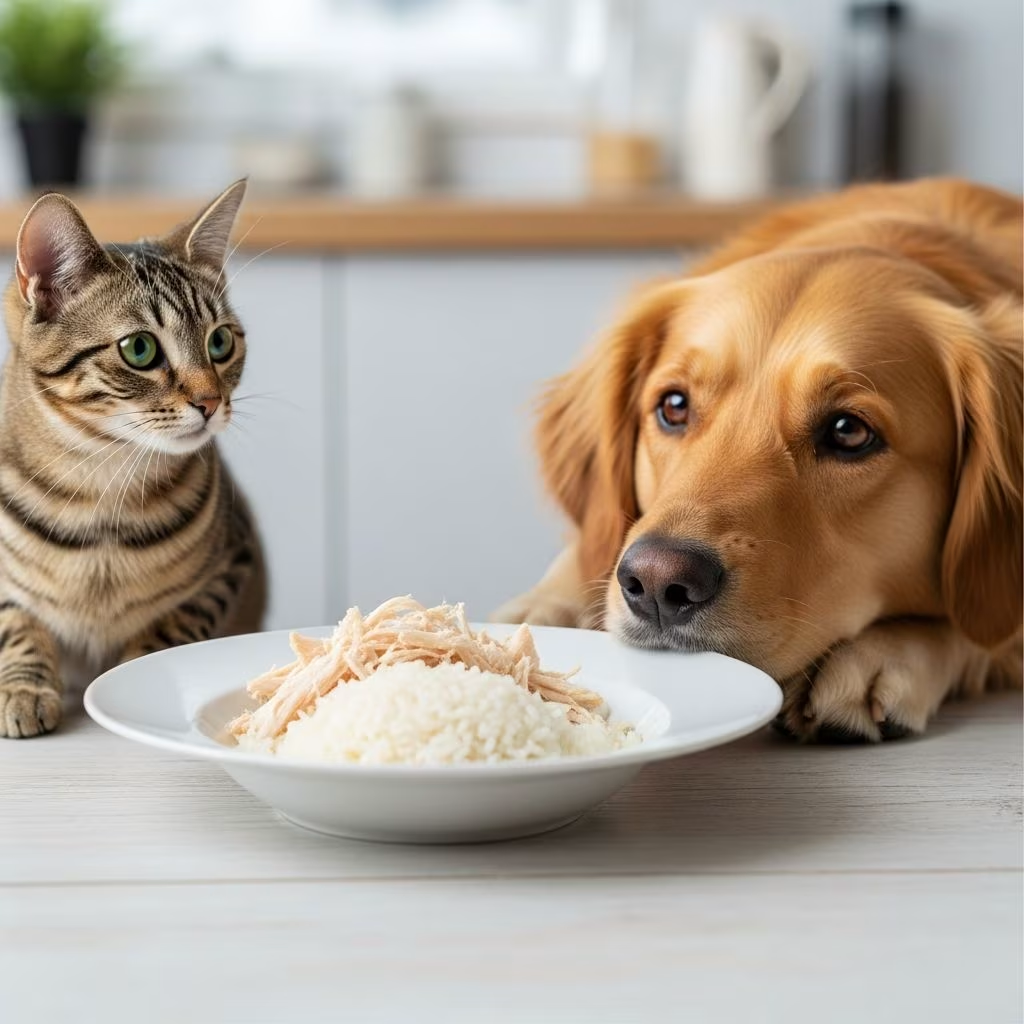
Blah, Blah, and More Blah! Bland Diet Instructions for Dogs and Cats
When your beloved pet experiences digestive upset, vomiting, or diarrhea, one of the first recommendations from veterinarians is a bland diet. However, the term “bland diet” has become somewhat ambiguous in veterinary medicine, and understanding exactly what constitutes an appropriate bland diet is crucial for your pet’s recovery. This comprehensive guide will walk you through everything you need to know about feeding a bland diet to your dogs and cats, including when it’s appropriate, how to prepare it, portion sizes, feeding schedules, and how to safely transition back to regular food.
Should I Feed a Bland Diet?
The term “bland diet” has lost favor in the veterinary world because it is not specific. Does bland mean low calories and low fat? Limited ingredients? Free of any flavoring or palatability enhancers? Or something highly digestible? The ambiguity surrounding this term has led to confusion among pet owners about what constitutes an appropriate bland diet.
The traditional bland diet used to be boiled chicken breast and cooked white rice. We now have much better options, and this type of diet is no longer the best recommendation. Feeding a home-prepared bland diet is risky for several reasons. Modern veterinary nutrition recommends carefully formulated options that provide complete and balanced nutrition while being gentle on the digestive system. Before implementing a bland diet, consult with your veterinarian to determine if it’s the right choice for your pet’s specific condition.
A bland diet is fundamentally a soft, highly digestible diet. It is low in fiber, fat, and protein and is high in carbohydrates. Bland diets are generally composed of a single carbohydrate source and a single lean protein source. These diets work by resting the gastrointestinal tract, allowing it to heal from inflammation or irritation caused by various digestive issues.
Understanding the Purpose of a Bland Diet
Bland diets help calm the digestive system when it’s experiencing upset. Low in fiber, bland diets slow stool production so the urge to go to the bathroom is less frequent, easing diarrhea. These diets are also low in fat, are gentler on the stomach, and reduce vomiting. Moreover, they are highly digestible and reduce the workload on your pet’s digestive system, allowing it to recover from acute gastroenteritis or other temporary digestive disturbances.
The low-fat content is particularly important because fat is harder to digest and can exacerbate digestive upset. The reduced fiber content slows intestinal transit time, which helps firm up stools and reduces the frequency of bowel movements. The high digestibility means that your pet’s body can process the food more easily, extracting nutrients without putting additional stress on the recovering digestive system.
Bland Diet Ingredients and Recipes
The most common bland diet combines a lean protein source with a starch source. Here are the recommended ingredients and ratios:
Protein Sources
The primary protein sources for a bland diet include:
– Boiled chicken breast (no skin or bones)- Lean ground beef (sirloin is best, with grease drained off)- Ground turkey (with grease drained off)- Cottage cheese (low-fat varieties)- Chicken or turkey baby food (without additives or salt)
Carbohydrate Sources
The primary carbohydrate sources include:
– Cooked white rice (most common)- Cooked brown rice- Canned or cooked pumpkin (for diarrhea-only cases)- Cooked sweet potato (baked and cubed)- Cooked oatmeal- Cooked pasta
Recipe Ratios
The most commonly recommended ratio for a homemade bland diet is either 1:4 (one part protein to four parts carbohydrate) or 1:1 (equal parts protein to carbohydrate), depending on your veterinarian’s recommendation. For example, you might mix one cup of boiled chicken with three to four cups of cooked white rice. Alternatively, some veterinary sources recommend combining one cup of boiled chicken with one cup of cooked white rice.
For pets with diarrhea only, adding pureed pumpkin or bananas can be beneficial. The fiber in pumpkin and bananas is very soluble and doesn’t overtax the gastrointestinal tract. Both are good sources of potassium, absorb water, and slow down peristalsis, which helps decrease bowel movements. Pets typically eat pumpkin readily, though they may be less enthusiastic about bananas. Always use regular canned pumpkin, not pie filling.
Preparation Instructions
Proper preparation is essential for maintaining the bland quality of the diet:
– Steam or boil white or brown rice until tender- Bake sweet potatoes, peel them, and cut into small cubes; alternatively, use canned sweet potatoes if not too high in sodium- Boil chicken breast until fully cooked, then remove skin and bones; shred or chop into small pieces- Brown ground beef or turkey until fully cooked, then drain all grease thoroughly- For cottage cheese, use low-fat varieties without added ingredients
Homemade bland diets can be prepared in advance and stored in the refrigerator for a maximum of 72 hours. You may warm each meal slightly before serving to enhance palatability and aid digestion.
Initial Fasting Period
Before introducing a bland diet, an initial fasting period is typically necessary, especially if your pet is vomiting.
For vomiting pets: Withhold both food and water for 12-24 hours. Once there is no vomiting for at least 12 hours, offer a small amount of water (about 1 cup) and watch for vomiting over the next 20 minutes. If there is still no vomiting, small amounts of bland food can be offered frequently over the next 24 hours.
For diarrhea only: Withhold food only for 12-24 hours. Then start the bland diet as directed.
Bland Diet Feeding Portions and Schedule
The amount of bland diet to feed depends on your pet’s size and current condition. Here are general guidelines:
Dogs by Weight
| Dog Weight | Daily Amount | Feeding Frequency |
|---|---|---|
| Less than 5 pounds | ½ cup total | 4-6 small meals |
| 5-15 pounds | ½-¾ cup total | 4-6 small meals |
| 16-30 pounds | 1-1½ cups total | 4-6 small meals |
| 31-50 pounds | 1½-2 cups total | 3-4 small meals |
| 51-75 pounds | 2-3 cups total | 3-4 small meals |
| 76-99 pounds | 3-4 cups total | 3-4 small meals |
| 100+ pounds | 4-5 cups total | 3-4 small meals |
Cats
For cats, start with very small portions: 1 teaspoon every 2-4 hours. If no vomiting occurs, gradually increase the volume and time between meals until you are feeding 2-3 times per day. Chicken or turkey baby food without additives works well for cats and small dogs.
Feeding Schedule
The goal is to rest the gastrointestinal tract, so reintroduce bland food gradually. Several small meals per day are better than one or two large ones. Start by offering a very small amount, 1-2 tablespoons of food every 2-3 hours. If your pet tolerates this, you may gradually increase the amount and decrease the frequency of food, offering ¼ to ½ cup every 4 hours.
For small dogs and cats, begin with 1 teaspoon for cats and small dogs, or 1-2 tablespoons for medium-large dogs. If no vomiting occurs, continue offering the small meals every 2-4 hours, gradually increasing the volume and time between meals until you are feeding 2-3 times per day.
Duration of Bland Diet Feeding
The length of time your pet should remain on a bland diet depends on how quickly they recover:
– Continue the bland diet until your pet’s stools are completely normal- It’s usually good to keep the pet on a bland diet for 2-3 days after the vomiting has stopped and the stool has returned to normal- Stools should almost be returned to normal by day 7; if not, please call your veterinarian for further instructions- The bland diet should be fed strictly (no other treats, table scraps, or bones) for the entire regimen
Feeding Tips for Picky Eaters
Some pets may be reluctant to eat the bland diet, especially if they’re accustomed to more flavorful foods. Here are some strategies to encourage eating:
– Try hand feeding- Put food on a plate or on the floor- Feed in a quiet and calm space- If your pet is drinking, try soaking food in water to increase moisture and appeal- Warm the food slightly to enhance the aroma and palatability
Transitioning Back to Regular Diet
Once your pet’s digestive symptoms have resolved and stools have returned to normal, gradually reintroduce their regular diet. Never transition back to a regular diet rapidly, as this can cause a relapse of digestive upset.
Transition Schedule
Days 1-2: Mix ½ regular food and ½ bland diet.
Days 3-4: Mix ¾ regular food with ¼ bland diet.
Days 5+: Feed all regular diet.
Alternatively, follow this transition protocol:
– Day 1-2: Mix 25% regular diet with 75% bland diet- Day 3-4: Mix 50% regular diet with 50% bland diet- Day 5-6: Mix 75% regular diet with 25% bland diet- Day 7+: Feed 100% regular diet
The total transition time from bland diet to regular diet after upset tummy signs are gone typically takes about 5-7 days. If at any point in the process your pet’s stools become soft or loose, go back to 100% bland diet and start over.
After transitioning back to regular food, minimize treats for 1 week to allow the digestive system to fully stabilize.
When to Seek Veterinary Care
While a bland diet can help with mild digestive upset, some situations require professional veterinary attention:
– If vomiting and diarrhea worsen or do not seem to be improving within 3 days- If your pet refuses to eat for more than 24 hours- If you observe blood in vomit or stool- If your pet becomes lethargic or shows signs of severe illness- If symptoms persist beyond one week despite the bland diet
Important Considerations
Animals that are physically sick should not be fed bland diets as a method of treatment. A bland diet is a supportive measure for acute gastroenteritis and mild digestive upset, not a substitute for proper diagnosis and treatment of underlying medical conditions. If your pet has chronic digestive issues, food allergies, or other medical conditions, your veterinarian may recommend prescription diets rather than homemade bland diets.
For growing puppies or dogs with food allergies, special considerations may need to be taken for the homemade version of the bland diet. Your veterinarian will discuss this with you and may recommend purchasing prescription diets specifically formulated for puppies.
Frequently Asked Questions
Q: How long should I keep my pet on a bland diet?
A: Continue the bland diet until your pet’s stools are completely normal and vomiting has stopped. This typically takes 2-3 days, though some pets may need it longer. If symptoms persist beyond one week, contact your veterinarian.
Q: Can I use store-bought bland diet options instead of homemade?
A: Yes, many veterinarians now recommend prescription bland diet formulations over homemade versions because they provide complete and balanced nutrition while being gentle on the digestive system. Ask your veterinarian about these options.
Q: What if my pet refuses to eat the bland diet?
A: Try warming the food, hand feeding, or changing the feeding location. You can also try soaking the food in water or using chicken or turkey baby food as a more palatable option.
Q: Is it safe to add supplements or medications to the bland diet?
A: Always consult with your veterinarian before adding anything to the bland diet. Some medications should be given on an empty stomach, while others work better with food. Your vet will provide specific instructions.
Q: Can I use brown rice instead of white rice?
A: Yes, brown rice can be used, though white rice is more commonly recommended because it’s slightly easier to digest. Both should be cooked until soft and tender.
Q: How do I know if the transition back to regular food is working?
A: Monitor your pet’s stools closely. They should remain firm and normal. If they become soft or loose at any point, return to the previous mix and progress more slowly.
References
- Bland Diet Instructions — Two Rivers Veterinary Clinic. 2024. https://tworiversvet.com/wp-content/uploads/2024/01/BlandDietHandout-Website.pdf
- Bland Diet — Mesquite Veterinary Hospital. 2024. https://www.mesquitevethospital.com/bland-diet.html
- Bland Diet Instructions — CareVet. 2022. https://www.carevet.com/lincolnway/wp-content/uploads/sites/354/2022/06/resources-bland-diet.pdf
- Bland Diet Instructions for Dogs and Cats — Weste Animal Hospital. 2024. https://westeanimalhospital.com/resources/bland-diet-instructions-for-dogs-and-cats/
- A Bland Diet for Dogs and Cats — Golden Paws Animal Hospital. 2024. https://goldenpawsvet.com/wp-content/uploads/2024/08/Bland-Diet.pdf



