
Bland Diet for Dogs: Relief for Stomach Upset
Learn how bland diets help dogs recover from gastrointestinal upset and digestive issues.
Understanding Bland Diets for Dogs
When your beloved dog experiences gastrointestinal distress, finding the right food can make a significant difference in their recovery. A bland diet is a specially formulated or prepared meal designed to be gentle on a dog’s digestive system while still providing essential nutrients. These diets are particularly useful when dogs suffer from gastroenteritis, an inflammation of the stomach and intestines that commonly causes upset stomachs, diarrhea, vomiting, and changes in appetite.
The digestive system requires proper nutrition to heal and resolve symptoms of stomach upset. Bland diets serve this purpose by offering easy-to-digest ingredients that don’t tax a compromised digestive tract. Whether prepared at home or purchased commercially, a bland diet helps sick dogs maintain their nutritional intake while they recover from gastrointestinal illness.
What Defines a Bland Diet for Dogs
A bland diet for dogs is fundamentally different from regular dog food. It features carefully selected ingredients that are low in fiber and fat, with moderate to high carbohydrate content. The primary goal is to reduce the workload on the digestive system while still providing adequate calories and nutrients for recovery.
Bland diets typically share several key characteristics that make them suitable for dogs with stomach upset:
– Low fiber content helps reduce stool production and decreases the frequency of defecation- Low fat content prevents additional digestive stress, especially important for dogs with pancreatitis- High digestibility ensures nutrients are readily absorbed- Simple, easily recognizable ingredients minimize the risk of triggering further gastrointestinal upset- Limited seasoning and additives prevent irritation of the sensitive digestive tract
Key Ingredients in Bland Diets
Lean Proteins
The protein component of a bland diet must consist of lean sources that dogs typically tolerate well. Common choices include boiled chicken breast, turkey, ground beef (preferably lean sirloin), and cottage cheese. These proteins are gentle on the digestive system compared to rich or unfamiliar protein sources that might further upset a dog’s stomach.
Carbohydrates
Carbohydrates play a crucial role in bland diets by providing bulk and helping to absorb excess water in the gut. Plain white rice remains a classic choice, but brown rice, boiled potatoes, barley, and whole wheat pasta also work well. These carbohydrates help firm up stools in dogs experiencing diarrhea or loose bowel movements.
Vegetables and Supplements
While fresh vegetables aren’t always necessary in a bland diet, some options like pumpkin can add beneficial fiber. All ingredients must be free from added sodium and seasoning. Some veterinarians recommend adding probiotics to support gut health and fiber additives like canned pumpkin to promote digestive balance.
Homemade Bland Diet Recipes
Basic Chicken and Rice Formula
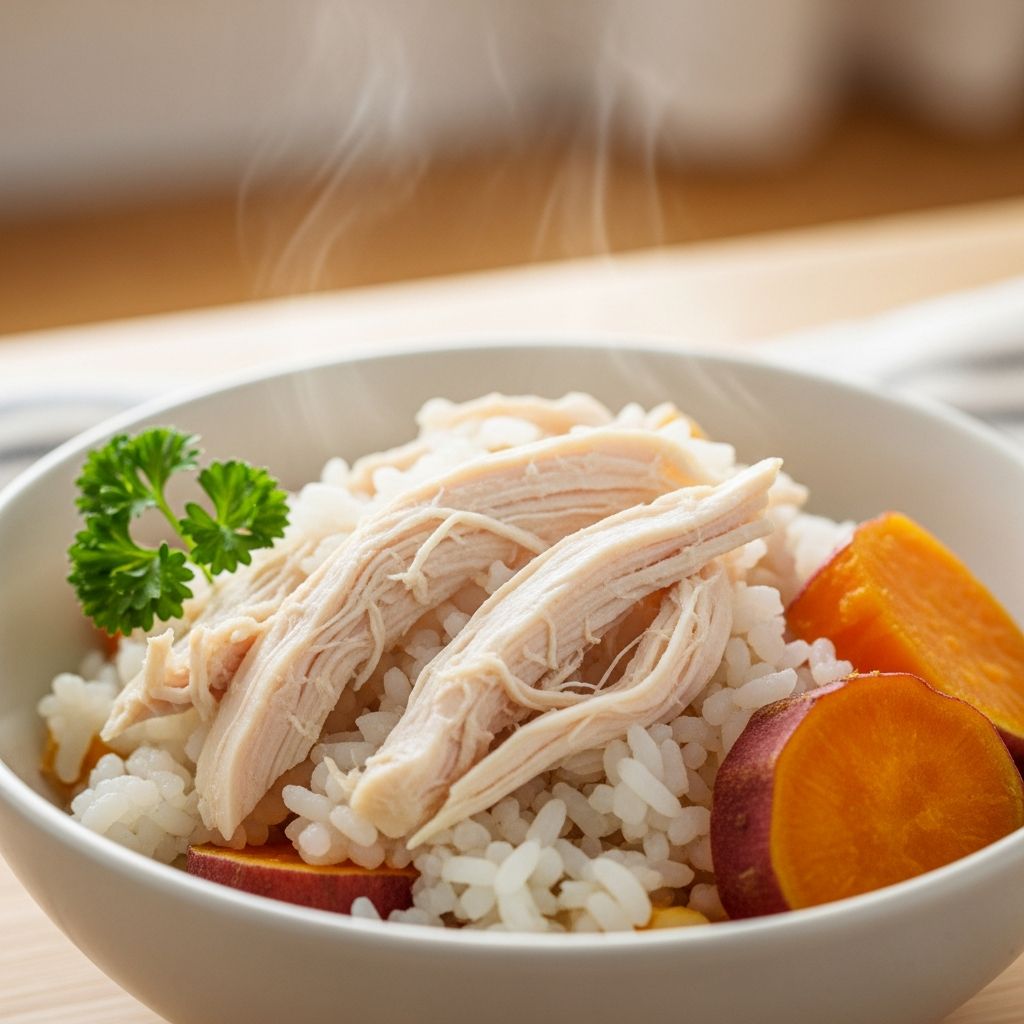
The most common homemade bland diet consists of boiled chicken and white rice in a 1:2 ratio (one part chicken to two parts rice). To prepare this diet, boil lean chicken breast without skin or bones until fully cooked, then combine with plain boiled white rice. It’s essential to boil rather than fry or roast the meat to minimize fat content, as excess fat can trigger pancreatitis or further digestive upset.
Ground Beef and Potato Option
An alternative recipe uses lean ground beef (preferably sirloin) combined with boiled potatoes in similar proportions. Ground beef must be cooked thoroughly and any excess fat should be drained away before combining with the boiled potatoes.
Storage and Meal Planning
Homemade bland diets can be prepared in advance and stored in the refrigerator for a maximum of 72 hours. You may warm each meal slightly before serving. For portion control, divide the total daily amount into 4-6 meals, allowing approximately 2 hours between feedings. For example, if your dog needs 3 cups daily, feed ½ cup six times throughout the day.
Duration of Bland Diet Feeding
The length of time your dog should remain on a bland diet depends on their age and condition. Adult dogs should not be fed a homemade bland diet for more than one week, as extended use can lead to nutritional deficiencies. Growing puppies have even shorter timeframes—typically two to three days maximum—before they require more comprehensive nutrition. If your dog’s symptoms persist beyond these timeframes, veterinary consultation is essential to identify underlying health issues.
Commercial Bland Diet Options
While homemade bland diets serve a purpose for short-term use, commercial options often provide superior long-term solutions. Prescription diets formulated for gastrointestinal health combine bland ingredients with essential vitamins and minerals necessary for complete and balanced nutrition.
JustFoodForDogs
This brand offers fresh prepared dog food options specifically designed for sensitive digestion, including chicken and rice, lamb and brown rice, and turkey with whole wheat macaroni. These options provide bland ingredients while maintaining nutritional completeness.
Purina Pro Plan Sensitive Skin and Stomach
Available in flavors including lamb and oatmeal, salmon and rice, and turkey and oatmeal, this line features oatmeal as a primary ingredient. Oatmeal is highly digestible, gentle on the digestive system, and contains natural prebiotic fibers that support gastrointestinal health.
Prescription Diets
Veterinarians often recommend prescription gastrointestinal diets for chronic conditions like pancreatitis or long-term gastroenteritis. These diets are safe to feed long-term or even for the rest of your dog’s life if recommended by your veterinarian. Unlike homemade options, prescription diets ensure your dog receives all necessary vitamins, minerals, and nutrients while managing their digestive condition.
Comparing Homemade Versus Commercial Bland Diets
| Aspect | Homemade Bland Diet | Commercial Bland Diet |
|---|---|---|
| Cost | Generally less expensive | More expensive initially |
| Nutritional Balance | Often incomplete, can cause deficiencies | Complete and balanced formulation |
| Duration Safe | Days to weeks only | Can be fed long-term or indefinitely |
| Preparation | Requires daily cooking | Ready to serve or minimal prep |
| Digestibility | Good for short-term relief | Optimized for maximum digestibility |
| Food Aversion Risk | Can create preference issues | Better transition back to normal diet |
When to Feed a Bland Diet
A bland diet is appropriate for dogs experiencing acute gastrointestinal upset, including diarrhea, vomiting, and reduced appetite. If your dog has diarrhea but is not vomiting, a bland diet combined with probiotics is typically safe. For dogs with chronic gastrointestinal issues like inflammatory bowel disease or pancreatitis, commercial prescription diets offer better long-term management than homemade options.
Short-term fasting followed by a bland diet may be recommended for dogs that have gotten into something that upset their system. However, puppies, senior dogs, and those with existing health conditions should not fast without veterinary guidance.
Transitioning Back to Regular Food
Once your dog’s stools return to normal and remain firm for at least 24 hours, you can begin reintroducing their regular diet. Start by mixing the bland diet with their normal food, gradually increasing the proportion of regular food while decreasing the bland diet over several days. Continue restricting treats, table scraps, and bones for at least one week after normal stools resume. If soft stools return during the transition, extend the bland diet period and consult your veterinarian.
Enhancing a Bland Diet
While maintaining the core bland diet, several additions can support digestive health when approved by your veterinarian:
– Adding low-fat and low-sodium broth to increase palatability- Including a lean meal topper for dogs with poor appetite- Incorporating pumpkin for fiber and digestive support- Adding probiotics to restore beneficial gut bacteria
However, exercise caution when adding anything to a bland diet, as enrichments that are too rich can trigger additional stomach upset. Your veterinarian may also recommend smaller meals fed more frequently throughout the day to ease digestion.
Special Considerations
Low-Fat Requirements
Dogs dealing with pancreatitis or chronic gastrointestinal disease require especially low-fat diets. Once a dog responds well to these restricted diets, continuing them long-term is often recommended to prevent relapse. Low-fat prescription diets are particularly valuable for these cases.
Puppies and Growing Dogs
Growing puppies have different nutritional requirements than adult dogs. While homemade bland diets may temporarily help with acute upset, puppies should transition to prescription gastrointestinal diets quickly, as their developing bodies require comprehensive nutrition. Veterinarians often recommend prescription options rather than homemade recipes for young dogs.
Why Commercial Options Beat Homemade Long-Term
Extended use of homemade bland diets frequently results in nutritional deficiencies that can cause additional illness beyond the original gastrointestinal upset. Furthermore, prolonged feeding of homemade chicken and rice can create food aversion when your dog recovers and needs to return to their regular diet. Commercial bland diets are formulated to prevent these complications while providing complete nutrition.
Frequently Asked Questions
Q: How long can I feed my dog a bland diet?
A: Adult dogs should not be fed homemade bland diets for more than one week, while puppies should be limited to two to three days. Commercial prescription diets can be fed long-term if recommended by your veterinarian.
Q: What if my dog won’t eat the bland diet?
A: Try hand feeding, placing food on a plate instead of in a bowl, or soaking the food in water to increase appeal. Feed in a quiet, calm space to encourage eating. Consult your veterinarian if your dog continues to refuse food.
Q: Can I add treats to a bland diet?
A: No, treats should be strictly avoided while on a bland diet regimen. Only reintroduce treats after your dog’s stools have been normal for at least one week and you’ve successfully transitioned back to regular food.
Q: What’s the best ratio for homemade chicken and rice?
A: The recommended ratio is two parts rice to one part chicken (2:1 ratio). This provides adequate protein while offering the carbohydrate bulk needed for digestive recovery.
Q: Should I boil or fry the meat for a bland diet?
A: Always boil the meat rather than frying or roasting it. Boiling removes excess fat, which is essential since high-fat foods can cause pancreatitis and further digestive upset.
Q: When should I contact my veterinarian about my dog’s diarrhea?
A: Contact your veterinarian if soft stools don’t begin resolving within 72 hours, if symptoms worsen, or if your dog has other concerning signs like lethargy or loss of appetite.
References
- How a Bland Diet for Dogs Helps With Stomach Upset — PetMD. Updated November 18, 2024. https://www.petmd.com/dog/nutrition/bland-diet-for-dogs
- What To Feed a Dog With Diarrhea — PetMD. https://www.petmd.com/dog/nutrition/what-to-feed-a-dog-with-diarrhea
- 8 Vet-Approved Home Remedies for Your Dog — PetMD. https://www.petmd.com/dog/general-health/home-remedies-for-dogs
- Bland Diet Instructions — All Creatures Veterinary Clinic. https://www.minocquavets.com/bland-diet
- Blah, Blah, and More Blah! Bland Diet Instructions for Dogs and Cats — VCA Animal Hospitals. https://vcahospitals.com/know-your-pet/blah-blah-and-more-blah-bland-diet-instructions-for-dogs-and-cats
Similar Articles








Read full bio of medha deb




