

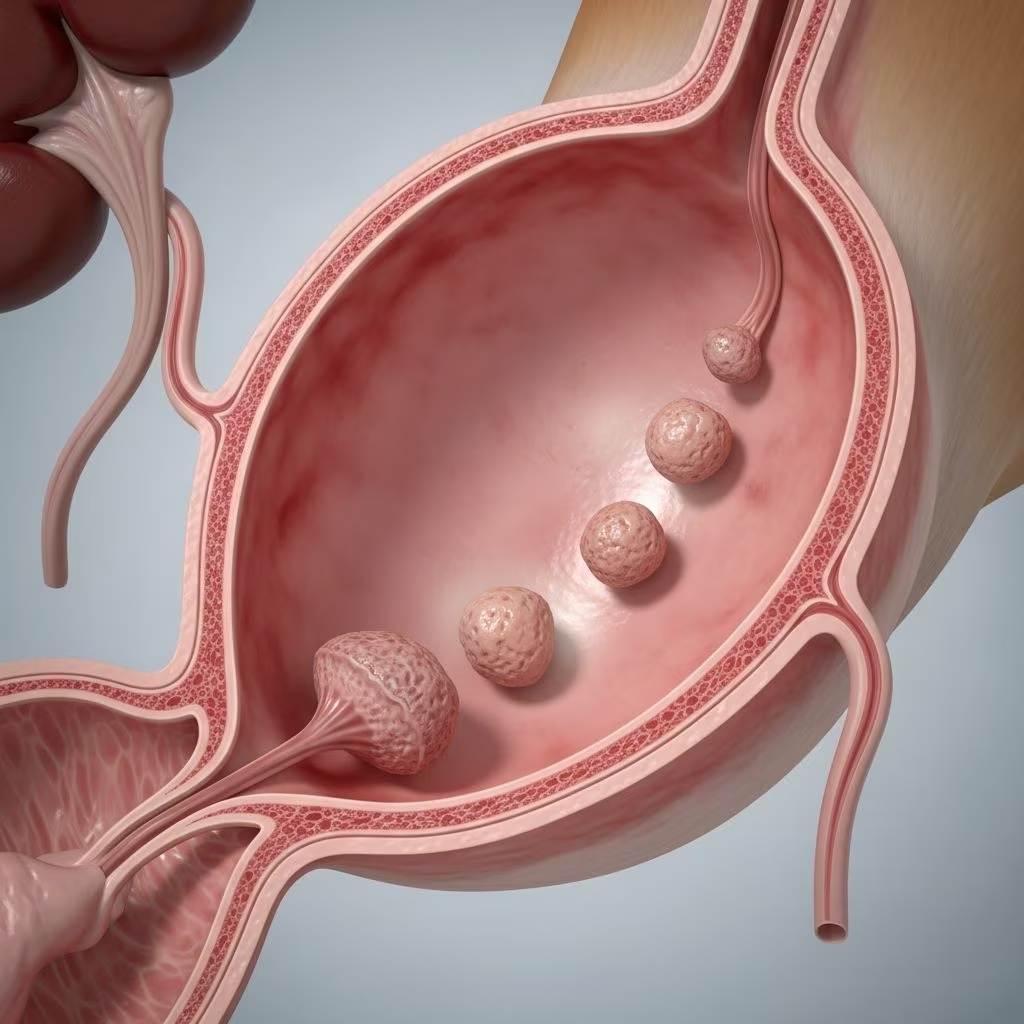
Bladder Stones in Dogs: A Comprehensive Guide
Bladder stones, also known as uroliths, are solid mineral formations that develop in a dog’s bladder. These stones vary significantly in size, composition, and number, with some dogs developing a single stone while others may have multiple formations. Understanding bladder stones is essential for dog owners, as early detection and appropriate treatment can prevent serious complications and ensure your pet’s long-term urinary health.
Bladder stones represent a common urological condition in dogs, affecting dogs of all ages and breeds, though certain breeds show increased susceptibility. The condition develops when minerals accumulate in the bladder, crystallizing into solid formations that can cause significant discomfort and complications if left untreated.
Understanding Bladder Stone Types
Bladder stones in dogs are classified into several types based on their mineral composition. Each type has distinct characteristics, formation mechanisms, and treatment requirements.
Struvite Stones
Struvite stones, composed of magnesium ammonium phosphate, represent approximately 50% of all canine bladder stones. These stones typically develop as a result of urinary tract infections caused by urease-producing bacteria. When bacterial infections alter the bladder environment, the urine pH becomes more alkaline, causing struvite crystals to precipitate and accumulate. Breeds particularly susceptible to struvite stone formation include miniature schnauzers, miniature poodles, bichon frises, and cocker spaniels. Struvite stones are more common in young, female, and small-breed dogs, though any dog regardless of size or breed can develop them.
Calcium Oxalate Stones
Calcium oxalate stones form through a different mechanism than struvite stones and cannot be dissolved through dietary management alone. These stones require physical removal through surgical intervention or other mechanical methods. Calcium oxalate stone formation is often associated with abnormal urine pH, dietary imbalances, and certain metabolic conditions.
Other Stone Types
Additional bladder stone types include urate, cystine, and silicate stones. Each type develops under specific metabolic conditions and requires tailored treatment approaches. Understanding the stone composition is crucial for developing an effective treatment strategy.
What Causes Bladder Stones?
Bladder stone formation results from a combination of factors that create an environment conducive to crystal precipitation and stone development. Multiple risk factors can contribute to stone formation in any individual dog.
Primary Risk Factors
Urinary Tract Infections: The most common cause of bladder stones is urinary tract infection. UTIs alter the urine pH and mineral concentration, promoting stone formation, particularly struvite stones.
Dietary Imbalances: Dogs consuming diets high in magnesium, phosphorus, and protein show increased risk of bladder stone development. The mineral content and nutritional composition of food directly influences urine composition.
Low Water Intake: Insufficient water consumption leads to concentrated urine, increasing the likelihood of crystal formation. Dehydration concentrates minerals in the bladder, promoting stone development.
Abnormal Urine pH: Both excessively acidic and alkaline urine promote different types of stone formation. The pH balance of urine is critical for preventing mineral precipitation.
Secondary Contributing Factors
Underlying health conditions such as Cushing’s disease increase bladder stone risk. Certain medications including steroids and diuretics, when used long-term, can predispose dogs to stone formation. A portosystemic shunt, a type of liver disease, also increases susceptibility to bladder stones.
High salt concentration in urine, whether from diet, infection, or disease, promotes stone formation. Additionally, a decrease in the body’s natural mechanisms that prevent crystal formation can contribute to stone development.
Clinical Signs of Bladder Stones
Recognizing the signs of bladder stones is essential for early intervention and treatment. Clinical signs in dogs with bladder stones closely resemble those of urinary tract infections, making professional veterinary diagnosis crucial.
Common Symptoms
The most prevalent signs of bladder stones include blood in the urine (hematuria) and straining to urinate (dysuria). Bleeding occurs because stones rub against the bladder wall, irritating and damaging tissues. Straining results from inflammation and swelling of the bladder wall or urethra, and may also be caused by muscle spasms.
Additional symptoms include:
- Discomfort or pain during urination
- General abdominal discomfort
- Urinating small amounts very frequently
- Accidents in the house despite house training
- Cloudy or discolored urine
- Bloated or sensitive stomach
Emergency Warning Signs
Certain symptoms require immediate veterinary attention. If your dog is dribbling urine continuously or attempting to urinate without producing any urine, this may indicate a urinary obstruction—a medical emergency requiring prompt treatment. Urinary obstructions can lead to serious complications and require immediate intervention.
Diagnosis of Bladder Stones
Veterinary diagnosis typically involves a combination of clinical evaluation, imaging studies, and laboratory tests. Your veterinarian will obtain a thorough history of your dog’s symptoms and medical background before proceeding with diagnostic testing.
Abdominal imaging, including radiographs or ultrasound, allows veterinarians to visualize stones and determine their size, number, and location. Urinalysis provides information about urine composition, pH, and the presence of crystals or blood. Urine culture may be performed to identify bacterial infections contributing to stone formation.
Treatment Options for Bladder Stones
Three main treatment approaches exist for managing bladder stones, with selection depending on stone type, size, number, and underlying causes.
Surgical Removal (Cystotomy)
Surgical removal represents the fastest treatment method for bladder stones. During cystotomy, a veterinarian or veterinary surgeon creates an incision in the bladder to directly remove stones. This approach is particularly appropriate for dogs with large numbers of stones or very large individual stones unable to pass through the urethra or dissolve through other methods. Surgery allows immediate stone removal and simultaneous bladder evaluation for complications.
Non-Surgical Removal (Voiding Hydropropulsion)
Voiding hydropropulsion involves filling the bladder with sterile saline through a urinary catheter and then squeezing the urinary bladder to expel small stones. This technique works well for dogs with small stones that can pass through the urethra. If hydropropulsion is unsuccessful, surgical removal becomes necessary.
Dietary Dissolution
Struvite stones can occasionally be dissolved through dietary management. Therapeutic diets specifically formulated to dissolve stones work by creating undersaturated urine that promotes crystal dissolution. These specialized diets reduce magnesium, phosphorus, and protein while helping acidify and dilute urine. Dissolution typically takes 8-12 weeks or less.
Commonly recommended therapeutic diets for struvite stone dissolution include Hill’s c/d, Royal Canin Urinary SO, and Purina Pro Plan UR. Importantly, calcium oxalate, urate, cystine, and silicate stones cannot be dissolved with dietary therapy and require surgical or mechanical removal.
Additional Medical Management
Antibiotics are essential when urinary tract infections accompany bladder stones. Antibiotics should typically be continued for 7-10 days or longer, with veterinarians often using urine cultures to identify the appropriate antibiotic and determine proper treatment duration. Increasing water intake supports urine dilution and helps prevent stone recurrence.
Treatment Comparison by Stone Type
| Stone Type | Primary Cause | Dietary Dissolution | Other Treatment Options | Prevention Strategy |
|---|---|---|---|---|
| Struvite | Urinary tract infection | Yes (8-12 weeks) | Surgery, hydropropulsion, antibiotics | Prevent UTIs, dietary management |
| Calcium Oxalate | Metabolic abnormality | No | Surgery, hydropropulsion, lithotripsy | Dietary modification, increased hydration |
| Urate | Liver disease, metabolic issues | Limited | Surgery, hydropropulsion, medical management | Address underlying disease |
| Cystine | Genetic metabolic defect | Limited | Surgery, hydropropulsion, medication | Dietary management, medication |
Recovery and Long-Term Management
Bladder stones are curable with appropriate treatment. However, if underlying causes are not addressed, stones frequently recur and require repeat treatment. Long-term management involves addressing the root cause of stone formation and implementing preventive measures.
For dogs treated with antibiotics for concurrent UTIs, recovery typically involves completing the full course of medication as prescribed by your veterinarian. Dietary changes should be maintained to prevent recurrence. Follow-up veterinary visits may include repeat urinalysis and imaging to confirm treatment success.
Post-surgical dogs require activity restriction during the recovery period to allow proper incision healing. Pain management may be necessary following surgical procedures. Monitor your dog for complications such as infection or persistent urinary symptoms.
Prevention of Bladder Stones
While no scientifically proven at-home remedies exist for preventing bladder stones, several evidence-based strategies can reduce risk. These include:
- Ensuring adequate water intake to maintain dilute urine
- Feeding high-quality diets with appropriate mineral content
- Promptly treating urinary tract infections with antibiotics
- Regular veterinary check-ups to identify risk factors
- Managing underlying health conditions
- Maintaining appropriate body weight
Prevention is particularly important for dogs with a history of bladder stones, as recurrence rates are high without preventive measures. Breeds predisposed to stone formation should receive extra attention to preventive care strategies.
When to Seek Veterinary Care
Contact your veterinarian immediately if your dog shows signs of urinary obstruction, including inability to urinate or continuous urine dribbling. Prompt treatment of suspected UTIs prevents progression to stone formation. Any changes in urination patterns, presence of blood in urine, or signs of abdominal discomfort warrant veterinary evaluation.
Dogs with previous bladder stone history require ongoing monitoring and preventive care to reduce recurrence risk. Regular follow-up appointments allow your veterinarian to assess urine composition, monitor for crystal formation, and adjust preventive strategies as needed.
Frequently Asked Questions (FAQs)
Q: How quickly do bladder stones develop in dogs?
A: Bladder stones can develop in weeks or months, depending on the minerals present and the root cause of stone formation. The rate of development varies based on individual factors and stone composition.
Q: Can all bladder stones be treated without surgery?
A: No. While struvite stones can sometimes be dissolved through dietary therapy, calcium oxalate, urate, cystine, and silicate stones require surgical removal or mechanical extraction methods such as hydropropulsion or lithotripsy.
Q: How long does dietary dissolution of struvite stones take?
A: Medical dissolution of struvite stones with therapeutic diets typically takes 8-12 weeks or less. The timeline depends on stone size and surface area exposed to the undersaturated urine.
Q: What is the most common type of bladder stone in dogs?
A: Struvite stones account for approximately 50% of canine bladder stones and are usually caused by urinary tract infections.
Q: Can bladder stones recur after treatment?
A: Yes. If underlying causes are not addressed, bladder stones are likely to recur and require repeat treatment. Addressing root causes and implementing preventive measures reduces recurrence risk.
Q: Are certain dog breeds more prone to bladder stones?
A: Yes. Miniature schnauzers, miniature poodles, bichon frises, and cocker spaniels show increased susceptibility to struvite stones. However, any dog regardless of breed can develop bladder stones.
References
- What are the signs of bladder stones in dogs? — Vetster. Accessed 2025. https://vetster.com/en/wellness/what-are-the-signs-of-bladder-stones-in-dogs
- Bladder Stones in Dogs: Causes, Symptoms and Treatments — CareCredit. Accessed 2025. https://www.carecredit.com/well-u/pet-care/bladder-stones-dogs/
- Bladder Stones in Dogs: Symptoms, Prevention, and More — PetMD. Accessed 2025. https://www.petmd.com/dog/conditions/urinary/bladder-stones-dogs-symptoms-prevention-and-more
- Struvite bladder stones in dogs — Cornell University College of Veterinary Medicine Riney Canine Health Center. Accessed 2025. https://www.vet.cornell.edu/departments-centers-and-institutes/riney-canine-health-center/canine-health-topics/struvite-bladder-stones-dogs
- Bladder stones in dogs — PDSA. Accessed 2025. https://www.pdsa.org.uk/pet-help-and-advice/pet-health-hub/conditions/bladder-stones-in-dogs
- Bladder Stones in Dogs — VCA Animal Hospitals. Accessed 2025. https://vcahospitals.com/know-your-pet/bladder-stones-in-dogs



