

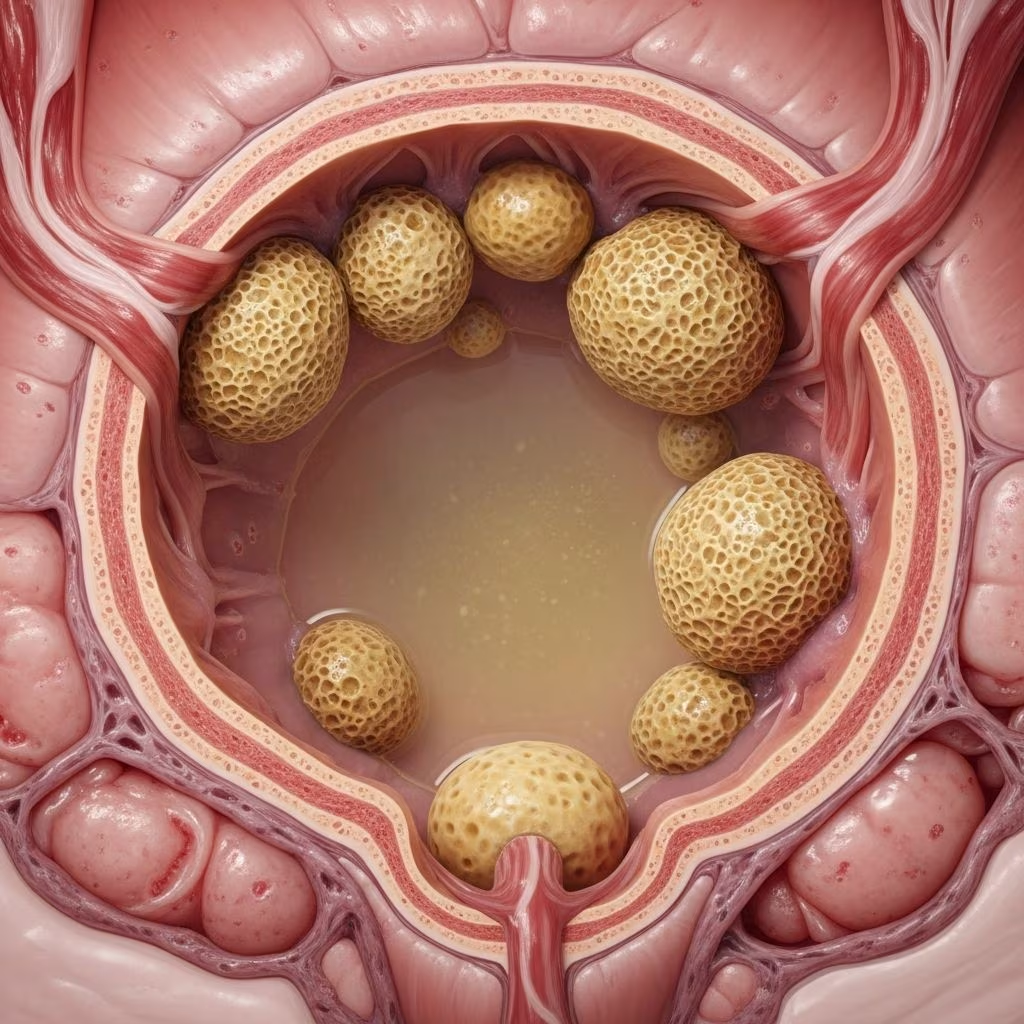
Bladder stones, also known as uroliths, are hardened mineral deposits that form in a dog’s urinary bladder, potentially leading to significant discomfort and health complications if untreated. These formations arise from concentrated minerals in the urine crystallizing over time, influenced by factors like diet, infections, and breed predispositions.
Understanding the Formation of Bladder Stones
Bladder stones develop when urine becomes supersaturated with certain minerals, allowing crystals to bind and grow into solid masses. This process can occur rapidly, sometimes within weeks, depending on the underlying triggers such as concentrated salts lingering in the urinary tract or shifts in urine pH that favor crystallization.
Key contributors include urinary tract infections (UTIs), which alter urine chemistry; dietary excesses in minerals like magnesium, phosphorus, or protein; insufficient water intake leading to highly concentrated urine; and metabolic disorders that impair the body’s natural crystal-prevention mechanisms.
Common Types of Bladder Stones in Canines
Dogs can form several stone varieties, each with distinct compositions and risk factors. Identifying the type is crucial for targeted management.
- Struvite stones (magnesium ammonium phosphate): Represent about 50% of cases, often linked to bacterial UTIs that raise urine pH, reducing mineral solubility. Predisposed breeds include Miniature Schnauzers, Miniature Poodles, Bichons Frises, and Cocker Spaniels.
- Calcium oxalate stones: Form in acidic urine, common in breeds like Dalmatians, Shih Tzus, and Yorkshire Terriers; resistant to dissolution and frequently require intervention.
- Other types: Urate, cystine, and silicate stones are less frequent but tied to genetic factors, liver issues, or specific diets.
| Stone Type | Primary Cause | Common Breeds | Dissolvable? |
|---|---|---|---|
| Struvite | UTI, alkaline urine | Miniature Schnauzer, Poodle | Yes, with diet |
| Calcium Oxalate | Acidic urine, diet | Dalmatian, Shih Tzu | No |
| Urate/Cystine | Metabolic/genetic | Dalmatian, Bulldogs | Variable |
Recognizing Symptoms Early
Early detection hinges on observing changes in urination habits, as symptoms mimic UTIs. Dogs may strain during urination (dysuria), show discomfort or pain, pass frequent small amounts of urine, or have accidents indoors.
- Blood in urine (hematuria) from stone irritation against bladder walls.
- Abdominal pain or tenderness.
- Urine dribbling or complete inability to urinate, signaling a life-threatening obstruction—especially in males due to narrower urethras.
These signs warrant immediate veterinary attention to rule out blockages, which can escalate to kidney damage or rupture if ignored.
Diagnostic Approaches for Bladder Stones
Veterinarians employ a multi-step process to confirm bladder stones. Initial physical exams and urinalysis detect crystals, blood, or infection. Imaging like X-rays or ultrasounds visualizes stones, while contrast studies assess blockages.
Stone analysis post-removal identifies composition, guiding prevention. Blood tests evaluate underlying conditions like Cushing’s disease.
Treatment Options Tailored to Stone Type
Treatment varies by stone size, type, and symptoms. Goals include stone removal, infection control, and recurrence prevention.
Dietary Dissolution
Struvite stones may dissolve over weeks using prescription diets that acidify urine and limit stone-forming minerals. Monitoring via imaging ensures progress; not suitable for all types.
Non-Surgical Methods
Urohydropropulsion flushes small stones via catheter under sedation, ideal for tiny stones in smaller dogs.
Surgical Intervention
Cystotomy, the most direct approach, involves incising the bladder to extract stones. It’s quick-recovery for most dogs but riskier with comorbidities. Costs range from $600 to $4,000 based on case complexity.
Emergency surgery is vital for obstructions to restore urine flow.
Preventing Recurrence After Treatment
Prevention focuses on lifestyle and diet adjustments. Encourage ample fresh water intake to dilute urine; elevated bowls or fountains aid hydration.
- Switch to vet-recommended urinary diets controlling mineral levels and pH.
- Treat UTIs promptly to avoid struvite formation.
- Regular check-ups for at-risk breeds; urine pH monitoring.
- Avoid high-protein or mineral-rich foods without guidance.
Post-treatment analysis informs customized plans, reducing recurrence rates significantly.
Potential Complications and Long-Term Management
Untreated stones risk chronic infections, bladder wall damage, or hydronephrosis from backups. Long-term, dogs may need ongoing diets or medications for metabolic issues.
Owners should track urination patterns and report changes promptly for sustained health.
Frequently Asked Questions (FAQs)
What breeds are most prone to bladder stones?
Miniature Schnauzers, Dalmatians, Shih Tzus, and Bichons are higher risk, but any dog can develop them.
Can bladder stones dissolve without surgery?
Yes, struvite stones often do with special diets, but others like calcium oxalate typically require removal.
Is a urinary blockage an emergency?
Absolutely—straining without urine output demands immediate vet care to prevent fatal complications.
How much do treatments cost?
Surgery starts around $600 but can exceed $4,000; diets are cheaper long-term.
Can diet alone prevent stones?
Vet-formulated diets help, combined with hydration and health monitoring.
This guide equips pet owners with knowledge to address bladder stones proactively, ensuring their dogs enjoy pain-free lives.
References
- Bladder Stones in Dogs: Causes, Symptoms and Treatments — CareCredit. 2023. https://www.carecredit.com/well-u/pet-care/bladder-stones-dogs/
- What Are Bladder Stones in Dogs & How Are They Treated — LePar Vet. 2023. https://leparvet.net/blog/bladder-stones-in-dogs/
- Bladder Stones in Dogs: Symptoms, Prevention, and More — PetMD. 2024. https://www.petmd.com/dog/conditions/urinary/bladder-stones-dogs-symptoms-prevention-and-more
- Bladder Stones in Dogs — PetVet Care Centers. 2022-06-30. https://www.petvetcarecenters.com/site/blog/2022/06/30/bladder-stones-dogs
- Bladder Stones in Dogs — VCA Animal Hospitals. 2024. https://vcahospitals.com/know-your-pet/bladder-stones-in-dogs
- Bladder Stones in Dogs: Causes, Symptoms, Prevention — Bliss Animal Hospital. 2023. https://blissanimalhospital.com/blog/bladder-stones-in-dogs-orange-county/



