

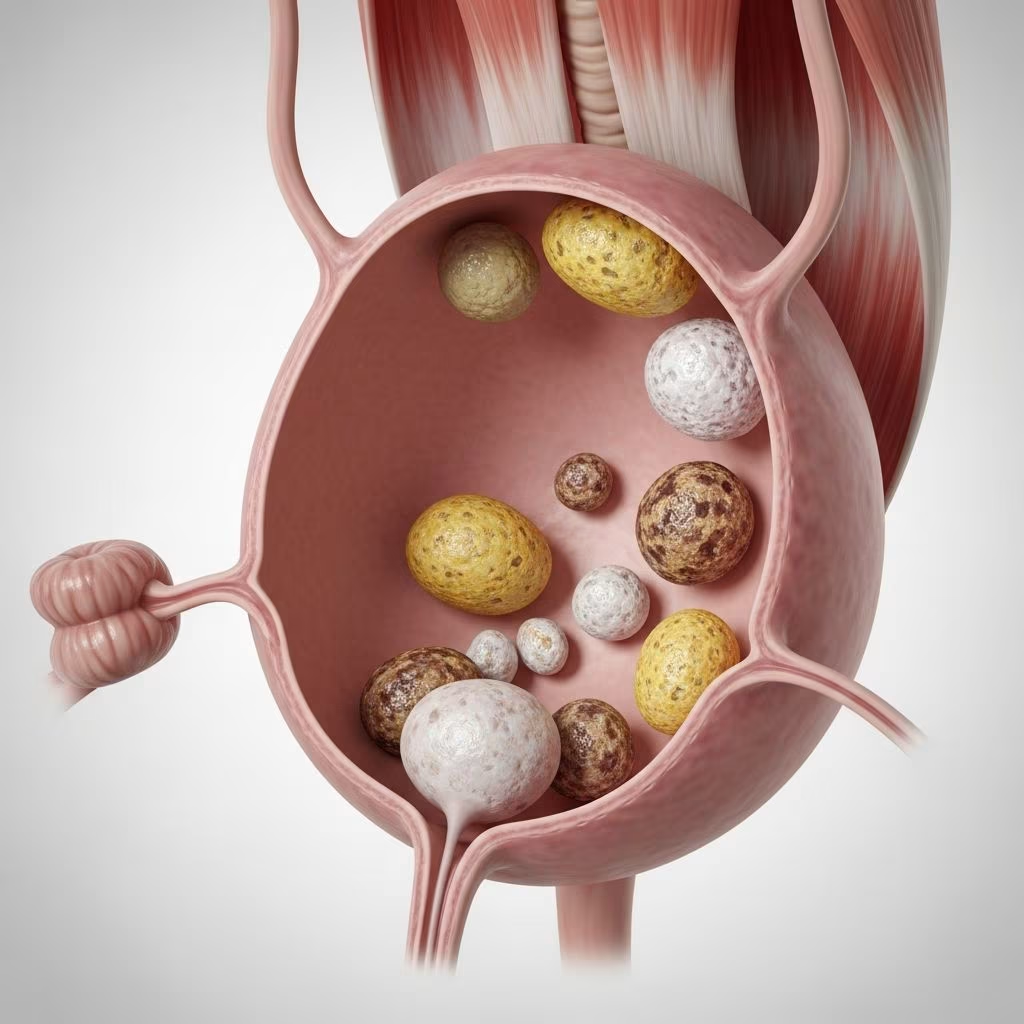
Bladder stones, also known as uroliths, are hardened mineral deposits that develop in a dog’s urinary bladder, potentially leading to significant discomfort and health complications if not addressed promptly. These formations arise when dissolved minerals in urine concentrate and crystallize, often influenced by factors like diet, infections, and breed predispositions. Recognizing the issue early can make a substantial difference in your dog’s well-being.
Understanding the Formation of Bladder Stones
Bladder stones form through a process where urine becomes supersaturated with minerals, allowing crystals to aggregate into solid masses. This can occur rapidly, sometimes within weeks, depending on urine pH, mineral concentration, and underlying health conditions. High salt levels from diet or dehydration exacerbate the risk, as does prolonged exposure of these salts to the urinary tract lining.
Key contributors include:
- Urinary tract infections (UTIs) that alter urine pH, particularly making it more alkaline to promote certain crystal types.
- Dietary excesses in minerals like magnesium, phosphorus, or protein.
- Insufficient water intake leading to concentrated urine.
- Metabolic disorders that impair the body’s natural inhibition of crystal formation.
Common Types of Bladder Stones in Canines
Dogs can develop several stone varieties, each with distinct compositions and triggers. Struvite stones, composed of magnesium ammonium phosphate, represent about 50% of cases and frequently link to bacterial UTIs from urease-producing organisms that raise urine pH.
| Stone Type | Composition | Common Causes | Predisposed Breeds |
|---|---|---|---|
| Struvite | Magnesium ammonium phosphate | UTIs, alkaline urine | Miniature Schnauzers, Bichons Frises, Cocker Spaniels |
| Calcium Oxalate | Calcium oxalate | Acidic urine, diet high in oxalates | Small breeds, Dalmatians |
| Urate | Uric acid | Liver shunts, purine-rich diets | Dalmatians, Bulldogs |
| Cystine | Cystine amino acid | Genetic metabolic defects | Dachshunds, Newfoundlands |
Struvite stones predominate in younger females of small breeds, while calcium oxalate types are more common in males and certain larger breeds. Identifying the type via analysis is crucial for tailored management.
Recognizing Symptoms Early
Clinical signs often mimic UTIs, making veterinary evaluation essential. Owners may observe straining during urination (dysuria), discomfort, or abdominal tenderness as stones irritate the bladder wall, causing inflammation and bleeding (hematuria).
- Frequent attempts to urinate with small volumes output.
- Blood-tinged or cloudy urine.
- Incontinence or house soiling accidents.
- Lethargy or reduced appetite in advanced cases.
A critical emergency arises if a stone blocks the urethra, preventing urine flow entirely. Symptoms escalate to vomiting, severe pain, dehydration, and potential bladder rupture, demanding immediate intervention.
Diagnostic Approaches for Accurate Identification
Veterinarians employ a multi-step process to confirm bladder stones. Initial urinalysis detects crystals, pH imbalances, and infection. Imaging like radiographs visualizes radiopaque stones (e.g., struvite, calcium oxalate), while ultrasound assesses softer types and bladder integrity.
Definitive diagnosis often requires stone analysis post-removal or via cystoscopy, guiding prevention by pinpointing composition. Blood tests evaluate kidney function and metabolic issues.
Treatment Options Tailored to Stone Type
Treatment hinges on stone type, size, number, and obstruction risk. Goals encompass stone elimination, infection control, and recurrence prevention.
Dietary Dissolution for Dissolvable Stones
Struvite stones may dissolve over 8-12 weeks using prescription diets like Hill’s c/d, Royal Canin Urinary SO, or Purina Pro Plan UR. These reduce magnesium, phosphorus, and protein while acidifying and diluting urine. Regular monitoring via X-rays and urinalysis tracks progress; antibiotics address concurrent UTIs.
Non-Surgical Removal Techniques
Urohydropropulsion flushes small stones through the urethra under sedation, suitable for stones smaller than the urethral diameter. Lithotripsy uses shock waves to fragment larger stones non-invasively, though availability varies.
Surgical Intervention: Cystotomy
For non-dissolvable stones (calcium oxalate, urate, cystine) or urgent blockages, cystotomy surgically opens the bladder for direct removal. This gold-standard procedure ensures complete clearance and culture for infection-specific antibiotics. Recovery typically spans 10-14 days with pain management and e-collars.
Prevention Strategies for Long-Term Urinary Health
Post-treatment, preventing recurrence is paramount, affecting up to 50% of cases without intervention. Core measures include:
- Switching to veterinary urinary diets indefinitely for at-risk dogs.
- Ensuring constant fresh water access via fountains to promote dilution.
- Regular vet check-ups with urinalysis to catch crystals early.
- Neutering, as it may reduce UTI risk in females.
Breed-specific diets address genetic predispositions, and weight management curbs metabolic contributors. Avoid over-the-counter supplements lacking evidence.
Risks of Untreated Bladder Stones
Neglected stones escalate from irritation to chronic cystitis, recurrent infections, and kidney damage via ascending bacteria. Urethral obstruction poses life-threatening risks, with toxins building fatally within 24-48 hours without relief.
FAQs on Bladder Stones in Dogs
What dissolves bladder stones in dogs naturally?
No proven home remedies exist; prescription diets under vet supervision are the only reliable dissolution method for struvite types.
How long do bladder stones take to form in dogs?
Formation varies from weeks to months based on urine conditions and stone type.
Can bladder stones in dogs be fatal?
Yes, if they cause complete obstruction leading to bladder rupture or kidney failure—a veterinary emergency.
Are certain dog breeds more prone to bladder stones?
Yes, small breeds like Miniature Schnauzers and Bichons for struvite; Dalmatians for urate.
How much does bladder stone surgery cost for dogs?
Costs range widely by location and complexity; consult your vet for estimates, as financing options like CareCredit may help.
References
- Bladder Stones in Dogs: Causes, Symptoms and Treatments — CareCredit. 2023. https://www.carecredit.com/well-u/pet-care/bladder-stones-dogs/
- What Are Bladder Stones in Dogs & How Are They Treated — LePar Animal Hospital. 2023. https://leparvet.net/blog/bladder-stones-in-dogs/
- Struvite bladder stones in dogs — Cornell University College of Veterinary Medicine. 2023. https://www.vet.cornell.edu/departments-centers-and-institutes/riney-canine-health-center/canine-health-topics/struvite-bladder-stones-dogs
- Bladder Stones in Dogs: Symptoms, Prevention, and More — PetMD. 2023. https://www.petmd.com/dog/conditions/urinary/bladder-stones-dogs-symptoms-prevention-and-more
- Bladder Stones in Dogs — VCA Animal Hospitals. 2023. https://vcahospitals.com/know-your-pet/bladder-stones-in-dogs



