

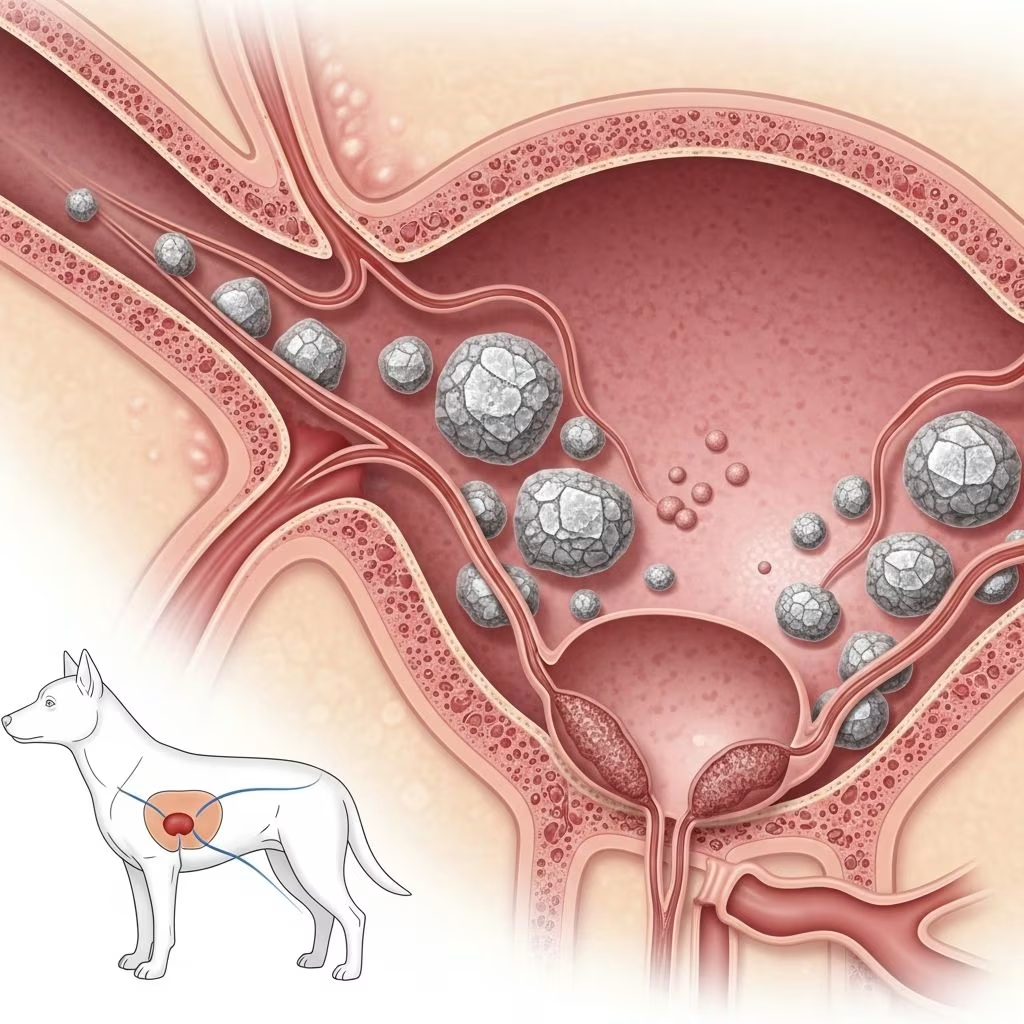
Understanding Bladder Stones in Dogs
Bladder stones, also known as uroliths, are solid mineral formations that develop within a dog’s bladder. These stones can vary significantly in size and number, with some dogs developing a single stone while others may develop multiple stones ranging from just a few to over a hundred. Bladder stones represent a common urological condition affecting dogs of all ages and breeds, though certain breeds show increased susceptibility. Understanding the nature of bladder stones, their causes, and available treatment options is essential for dog owners seeking to maintain their pet’s urinary health and overall well-being.
What Causes Bladder Stones in Dogs?
Bladder stones develop through a complex process involving mineral accumulation and crystallization in the urinary tract. Several factors contribute to stone formation, and understanding these underlying causes is crucial for both treatment and prevention.
Primary Risk Factors
The most common cause of bladder stones in dogs is urinary tract infection (UTI). Bacterial infections alter the pH of urine, making it more alkaline and creating an environment favorable for mineral crystallization. Urease-producing bacteria are particularly problematic, as they promote struvite crystal formation.
Dietary imbalance represents another significant risk factor. Dogs fed diets high in magnesium, phosphorus, and protein are more susceptible to stone development. Additionally, inadequate water intake concentrates the urine, increasing the likelihood of crystal formation and subsequent stone development.
Other contributing factors include underlying diseases such as Cushing’s disease, portosystemic shunts, and abnormal urine pH levels. Certain medications, including steroids and diuretics used long-term, can also increase stone formation risk. Metabolic abnormalities and nutrient imbalances further complicate the condition.
Types of Bladder Stones
Two primary types of bladder stones affect dogs, each with distinct characteristics and treatment approaches:
Struvite stones: Accounting for approximately 50% of canine bladder stones, struvite (magnesium ammonium phosphate) stones typically result from urinary tract infections. These stones are more common in young, female, small-breed dogs, particularly miniature schnauzers, miniature poodles, bichon frises, and cocker spaniels.
Calcium oxalate stones: Unlike struvite stones, calcium oxalate stones cannot be dissolved through dietary therapy and require physical removal. Other stone types include urate, cystine, and silicate stones, all of which necessitate non-dietary treatment approaches.
Clinical Signs of Bladder Stones
The symptoms of bladder stones closely resemble those of urinary tract infections, making proper veterinary diagnosis essential. Dog owners should watch for the following indicators:
Primary symptoms include:
– Straining to urinate (dysuria)- Blood in urine (hematuria)- Discomfort when urinating- General abdominal discomfort- Frequent urination in small amounts- Urinary accidents in the house- Cloudy or discolored urine- Bloated or sensitive stomach
The bleeding occurs because stones rub against the bladder wall, irritating and damaging tissue. Straining results from inflammation and swelling of the bladder wall or urethra, and may also be caused by muscle spasms. In severe cases, dogs may dribble urine or strain without passing anything, indicating a potential urinary obstruction requiring immediate veterinary attention.
Diagnosis of Bladder Stones
Veterinarians employ several diagnostic methods to identify and characterize bladder stones. Imaging techniques such as X-rays and ultrasounds allow veterinarians to visualize stones inside the bladder and assess their size and number. These imaging modalities help determine the most appropriate treatment approach and guide clinical decision-making. Urine analysis may reveal crystals and provide information about pH levels and mineral composition, while urine cultures help identify bacterial infections requiring antibiotic treatment.
Treatment Options for Bladder Stones
Three main treatment approaches exist for canine bladder stones, with the specific choice depending on stone type, size, number, and clinical severity.
Dietary Dissolution
Struvite bladder stones can often be dissolved through specialized veterinary therapeutic diets combined with antibiotics if a concurrent urinary tract infection exists. These prescription diets contain reduced levels of magnesium, phosphorus, and protein while helping acidify and dilute the urine. Effective therapeutic diet options include Hill’s c/d, Royal Canin Urinary SO, and Purina Pro Plan UR. Stone dissolution typically occurs within 8-12 weeks or sooner with appropriate dietary management.
However, dietary dissolution requires time and may not suit dogs needing faster treatment. Calcium oxalate, urate, cystine, and silicate stones cannot be dissolved through dietary therapy and require physical removal.
Non-Surgical Removal
Voiding hydropropulsion represents a non-surgical removal technique particularly effective for small stones. This procedure involves filling the bladder with sterile saline through a urinary catheter, then gently squeezing the bladder to expel small stones through the urethra. If hydropropulsion fails to resolve the condition, surgical intervention becomes necessary.
Surgical Removal
Surgical removal through cystotomy represents the fastest treatment method for bladder stones. Veterinary surgeons make an incision into the bladder to directly remove stones, particularly those that are large or numerous. This approach proves essential when dogs have large stones, multiple stones, or stones that have not responded to other treatment methods. While surgery offers rapid resolution, it carries inherent surgical risks and requires post-operative recovery time.
Advanced Treatment Options
Lithotripsy, also known as shock-wave therapy, breaks stones into smaller fragments that can pass naturally in urine. Laser lithotripsy uses focused laser energy to fragment stones into passable pieces. These advanced procedures are typically available only at specialist referral centers and provide alternatives for select cases.
Managing Concurrent Urinary Tract Infections
Many dogs with bladder stones also develop concurrent urinary tract infections requiring antibiotic treatment. Veterinarians typically prescribe antibiotics such as amoxicillin for at least seven to ten days, sometimes longer. Urine cultures help determine the appropriate antibiotic and establish proper treatment duration. Addressing underlying urinary tract infections is crucial for preventing stone recurrence and supporting overall urinary health.
Recovery and Long-Term Management
Bladder stones in dogs are curable with appropriate treatment, but recurrence is common if underlying causes remain unaddressed. Dogs who successfully complete treatment should receive ongoing monitoring and preventive measures. Post-operative recovery from surgical removal typically involves activity restriction and careful monitoring for complications.
Preventing stone recurrence requires a multifaceted approach: maintaining the therapeutic diet recommended by your veterinarian, ensuring adequate water intake to dilute urine, addressing any underlying urinary tract infections promptly, and attending regular veterinary check-ups. Dogs with a history of struvite stones may require long-term dietary management and periodic urine monitoring to detect early signs of recurrence.
Prevention Strategies
While no scientifically proven at-home remedies exist for bladder stones, several preventive measures can reduce formation risk:
– Providing access to fresh water to ensure adequate hydration- Feeding high-quality dog food formulated to support urinary health- Maintaining regular veterinary check-ups for early detection- Addressing urinary tract infections promptly with appropriate treatment- Monitoring urine output and characteristics for early warning signs- Considering prophylactic dietary management for at-risk breeds
When to Seek Emergency Care
Certain situations require immediate veterinary attention. Dogs unable to urinate or producing no urine may have complete urinary obstruction, a life-threatening emergency requiring immediate veterinary intervention. Similarly, if your dog shows signs of severe pain, distended abdomen, lethargy, or inability to eat, emergency veterinary care should not be delayed.
Frequently Asked Questions
Q: Which dog breeds are most prone to bladder stones?
A: Miniature schnauzers, miniature poodles, bichon frises, and cocker spaniels show increased susceptibility to struvite bladder stones. However, any dog breed can develop bladder stones.
Q: How long does it take for struvite stones to dissolve with diet?
A: Struvite stones typically dissolve within 8-12 weeks with appropriate therapeutic diet and antibiotic treatment.
Q: Can all bladder stones be dissolved with diet?
A: No. Struvite stones may dissolve with diet, but calcium oxalate, urate, cystine, and silicate stones require physical removal through surgery, hydropropulsion, or lithotripsy.
Q: Is surgery always necessary to treat bladder stones?
A: Not always. Small struvite stones may dissolve with diet and antibiotics, while small stones may be flushed from the bladder through voiding hydropropulsion. However, large or multiple stones typically require surgical removal.
Q: How can I prevent bladder stones from recurring?
A: Prevent recurrence by following your veterinarian’s dietary recommendations, ensuring adequate water intake, treating urinary tract infections promptly, and attending regular veterinary check-ups.
Q: What should I do if my dog cannot urinate?
A: Complete inability to urinate indicates a urinary obstruction, a medical emergency requiring immediate veterinary attention.
References
- What are the signs of bladder stones in dogs? — Vetster. 2024. https://vetster.com/en/wellness/what-are-the-signs-of-bladder-stones-in-dogs
- Bladder Stones in Dogs: Causes, Symptoms and Treatments — CareCredit Well-U Pet Care. 2024. https://www.carecredit.com/well-u/pet-care/bladder-stones-dogs/
- Bladder Stones in Dogs: Symptoms, Prevention, and More — PetMD. 2024. https://www.petmd.com/dog/conditions/urinary/bladder-stones-dogs-symptoms-prevention-and-more
- Struvite Bladder Stones in Dogs — Cornell University College of Veterinary Medicine, Riney Canine Health Center. 2024. https://www.vet.cornell.edu/departments-centers-and-institutes/riney-canine-health-center/canine-health-topics/struvite-bladder-stones-dogs
- Bladder Stones in Dogs — PDSA (People’s Dispensary for Sick Animals). 2024. https://www.pdsa.org.uk/pet-help-and-advice/pet-health-hub/conditions/bladder-stones-in-dogs
- Bladder Stones in Dogs — VCA Animal Hospitals. 2024. https://vcahospitals.com/know-your-pet/bladder-stones-in-dogs



