

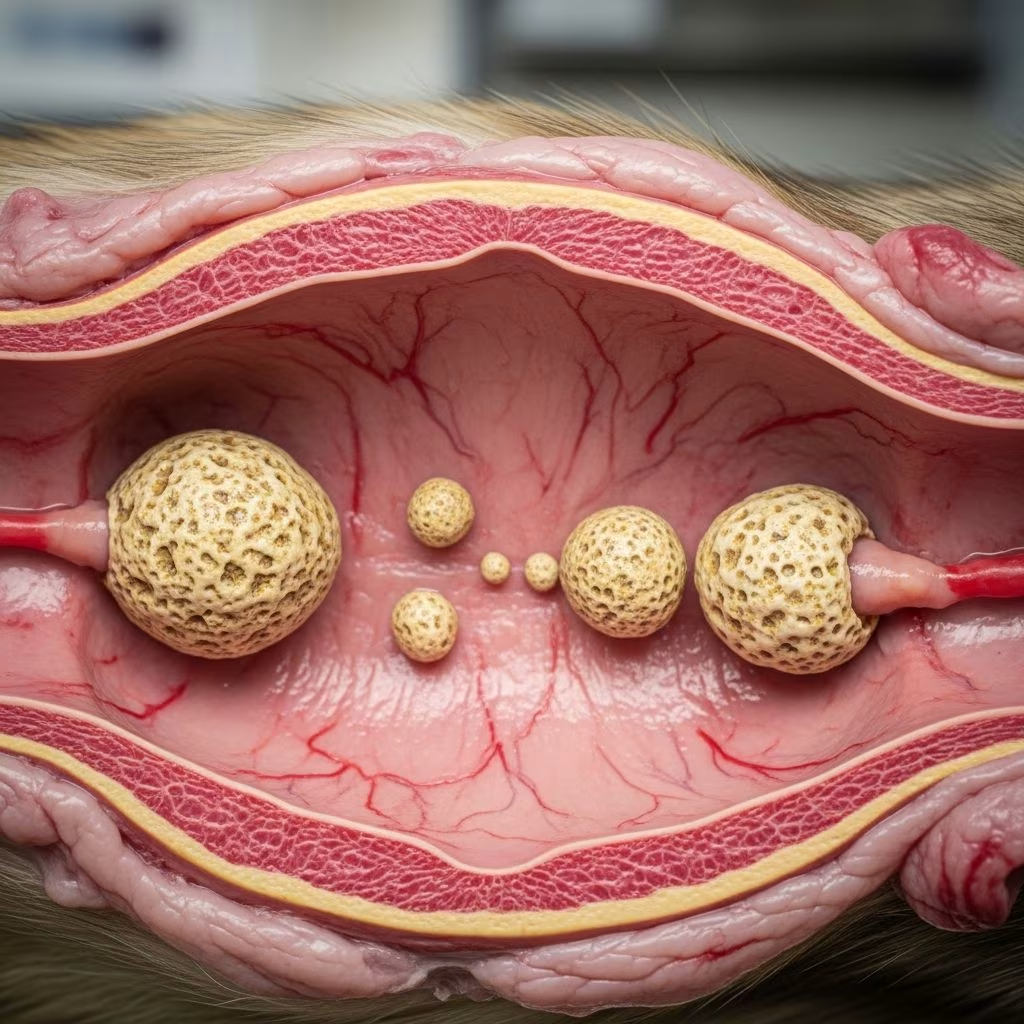
Bladder stones, also known as uroliths, are hardened mineral deposits that develop in a cat’s bladder, potentially causing significant discomfort and health complications. These formations arise when minerals in the urine concentrate and crystallize, often influenced by diet, hydration, and underlying conditions. Recognizing the issue early can prevent emergencies like urinary blockages, which are life-threatening if untreated.
Understanding the Formation of Bladder Stones
Cat urine naturally contains minerals such as calcium, magnesium, phosphorus, and ammonium. When these minerals exceed saturation levels, they form crystals that aggregate into stones over time. Factors like concentrated urine from dehydration accelerate this process, while infections or inflammation in the urinary tract provide a nidus for crystal growth.
Urine pH plays a critical role: acidic environments favor certain crystals, while alkaline conditions promote others. Diets high in specific minerals or imbalanced nutrients exacerbate risks. Additionally, some cats inherit predispositions, making breed and genetics relevant considerations.
Primary Risk Factors for Feline Bladder Stones
- Dietary Imbalances: Excessive intake of magnesium, phosphorus, or protein can alter urine composition, promoting stone formation.
- Dehydration: Cats with low water intake produce concentrated urine, increasing mineral density.
- Urinary Tract Infections (UTIs): Bacterial infections raise urine pH, fostering struvite crystals.
- pH Extremes: Too acidic or alkaline urine shifts mineral solubility.
- Obesity and Gender: Overweight male cats face higher risks due to anatomical differences narrowing the urethra.
- Genetic and Breed Factors: Breeds like Siamese may be more susceptible to specific stone types.
- Other Conditions: Liver shunts or chronic kidney disease contribute by affecting mineral metabolism.
Main Types of Bladder Stones in Cats
Two predominant stone varieties dominate feline cases: struvite and calcium oxalate. Each requires tailored management based on composition and formation triggers.
Struvite Stones
Composed of magnesium ammonium phosphate, these stones thrive in alkaline urine, often linked to UTIs or diets rich in magnesium and phosphorus. They affect younger cats and females more frequently, with Siamese breeds showing genetic vulnerability. Struvite stones respond well to non-surgical dissolution.
Calcium Oxalate Stones
These dense stones form in acidic urine, common in middle-aged to older males (5-14 years). Associated with hypercalcemia, kidney disease, or certain medications, they resist dietary dissolution and often necessitate surgery. Persians and other breeds may have heightened risks.
| Stone Type | Urine pH Preference | Common Triggers | Typical Age/Breed |
|---|---|---|---|
| Struvite | Alkaline | UTIs, high-mineral diet | Younger cats, Siamese |
| Calcium Oxalate | Acidic | Kidney disease, hypercalcemia | 5-14 years, males |
Recognizing Symptoms of Bladder Stones
Early signs mimic other urinary issues, but persistence warrants veterinary attention. Small stones may pass unnoticed, but larger ones irritate the bladder lining or block flow.
- Frequent attempts to urinate with minimal output
- Blood-tinged or discolored urine (hematuria)
- Straining or crying during urination
- Urinating outside the litter box
- Excessive genital licking or grooming
- Abdominal tenderness or lethargy
- Foul-smelling urine
- Vomiting from pain or nausea
Emergency Alert: Complete urethral obstruction—common in males—manifests as straining without urine production, abdominal pain, and weakness. This requires immediate vet care to avert kidney failure or rupture.
Diagnostic Approaches for Confirmation
Vets start with a history and physical exam, palpating the bladder for grit or enlargement. Key tests include:
- Urinalysis to detect crystals, pH, blood, and infection
- Imaging: Radiographs or ultrasound to visualize stones (struvite is radiopaque; oxalate always is)
- Bladder catheterization for obstruction relief and urine sampling
- Stone analysis post-removal for type-specific prevention
- Bloodwork to assess kidney function and mineral levels
Treatment Options Tailored to Stone Type
Treatment hinges on stone type, size, and obstruction presence. Goals: relieve pain, remove stones, address causes, and prevent recurrence.
Non-Surgical Methods
Struvite stones often dissolve via prescription diets like Hill’s s/d, which acidify urine and reduce mineral precursors. This takes weeks to months, with monitoring via imaging. Hydration boosts via wet food or fountains aid flushing. Antibiotics target concurrent infections.
Surgical Interventions
Calcium oxalate stones demand cystotomy: a precise incision to extract stones directly. Success rates exceed 95%, with rapid recovery under analgesics and antibiotics. For blockages, catheterization precedes surgery.
Supportive Care
IV fluids stabilize obstructed cats, preventing toxin buildup. Pain relief and anti-spasmodics ease discomfort. Lithotripsy (shock waves) is rare in cats due to size constraints.
| Treatment | Best for Struvite | Best for Calcium Oxalate | Recovery Time |
|---|---|---|---|
| Dietary Dissolution | Yes | No | 4-12 weeks |
| Cystotomy Surgery | If needed | Yes | 1-2 weeks |
| Flushing/Catheter | Supportive | Supportive | Days |
Long-Term Prevention Strategies
Recurrence rates are high (up to 50%), so lifelong management is essential. Key steps:
- Specialized Diets: Prescription formulas control pH and minerals.
- Hydration Promotion: Multiple water sources, flavored waters, or subcutaneous fluids.
- Regular Vet Checkups: Urine cultures and imaging every 6-12 months.
- Weight Management: Obesity reduction via portion control and play.
- Stress Reduction: Environmental enrichment to minimize idiopathic cystitis.[10]
FAQs About Bladder Stones in Cats
Can bladder stones resolve without treatment?
Small struvite stones may pass naturally, but most require intervention to avoid complications.
Is surgery always necessary?
No—struvite responds to diet; oxalate typically needs surgery.
How much do treatments cost?
Varies: diets $50-100/month; surgery $2,000-5,000. Early detection saves money.
Are certain cats more prone?
Males, overweight cats, and breeds like Siamese or Persians.
Can home remedies help?
Increase water intake yes, but never delay vet care for symptoms.
Prognosis and Owner Responsibilities
With prompt treatment, most cats enjoy excellent outcomes and normal lifespans. Owners must commit to monitoring and lifestyle changes. Consult a vet for personalized plans, as untreated stones risk chronic issues like recurrent UTIs or kidney damage.[10]
References
- Bladder Stones in Cats — Springhouse Animal Hospital. 2021-12-15. https://www.springhouseanimalhospital.com/site/blog/2021/12/15/bladder-stones-cat
- How to Detect and Treat Bladder Stones in Cats — Vetster. N/A. https://vetster.com/en/wellness/how-to-detect-and-treat-bladder-stones-in-cats
- Bladder Stones in Cats — Hermitage Animal Clinic. 2024-08-15. https://www.hermitageanimalclinic.com/site/blog/2024/08/15/bladder-stones-cats
- Bladder Stones in Cats — VCA Animal Hospitals. N/A. https://vcahospitals.com/know-your-pet/bladder-stones-in-cats
- Bladder Stones in Cats: Causes, Symptoms & Treatment — PetMD. N/A. https://www.petmd.com/cat/conditions/urinary/urine-crystals-and-bladder-stones-in-cats



