

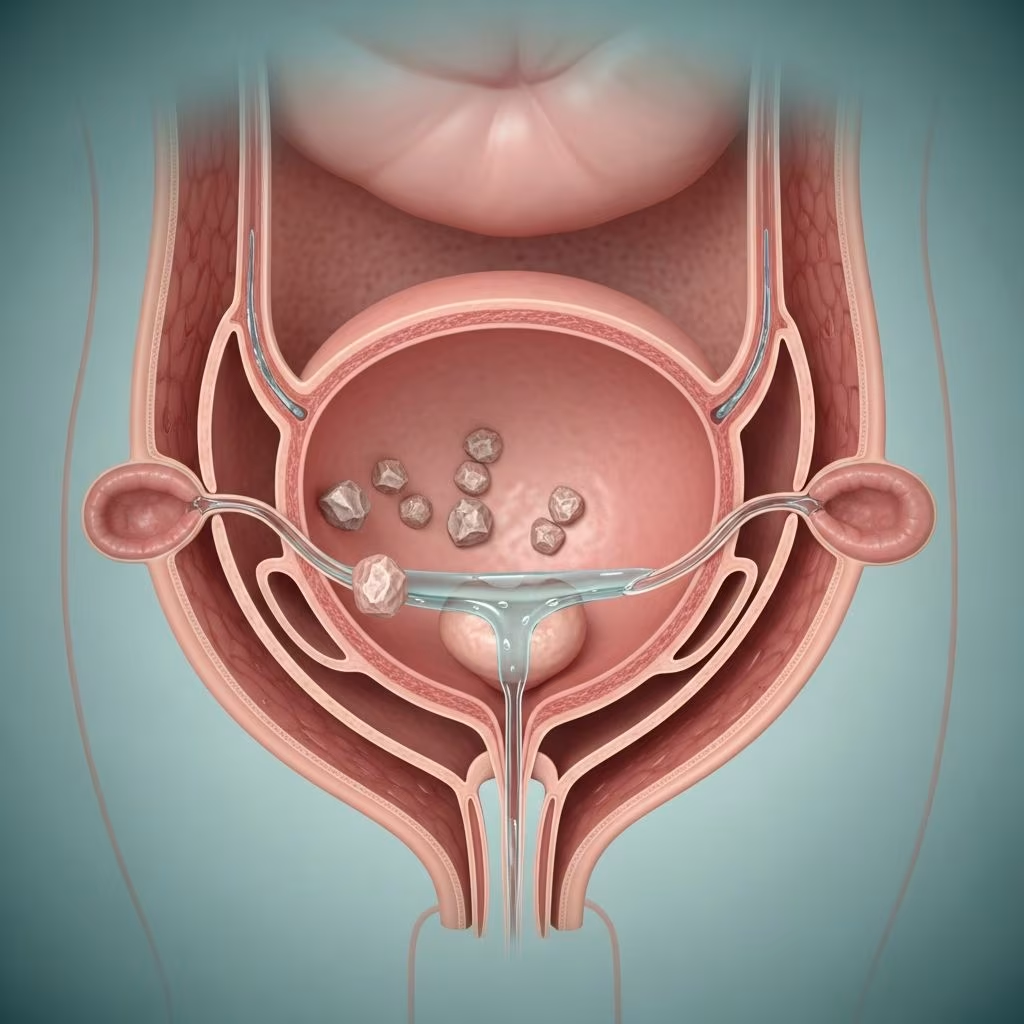
Bladder Stones in Cats: Understanding This Common Urinary Condition
Bladder stones, also known as uroliths, are mineral deposits that form in your cat’s bladder. These stones develop when excessive amounts of certain minerals in your cat’s urine begin to clump together with other substances found within the bladder. Understanding this condition is crucial for cat owners, as bladder stones can cause significant discomfort and, in severe cases, life-threatening urinary obstructions. This comprehensive guide will help you recognize the signs, understand the causes, and explore the treatment options available for your feline companion.
What Causes Bladder Stones in Cats?
Bladder stones can form due to a variety of factors working individually or in combination. The development of bladder stones is influenced by your cat’s diet, hydration status, urinary health, and genetic predisposition. Understanding these contributing factors can help you take preventive measures to protect your cat from developing this painful condition.
Several key factors increase the risk of bladder stone formation in cats:
- Poor diet lacking essential nutrients or high in certain minerals
- Dehydration and insufficient water intake
- Bladder or urinary tract infections
- Bladder inflammation caused by crystal accumulation
- Extremes in urine pH levels (too alkaline or too acidic)
- Breed predisposition to stone formation
- Congenital liver shunt affecting mineral metabolism
- Certain medications or supplements
Research has shown that overweight male cats face an increased risk of developing bladder stones compared to their female or healthier-weight counterparts. The reason for this gender difference remains an area of ongoing veterinary research, though hormonal and anatomical differences between male and female cats may play a role.
Types of Bladder Stones in Cats
Not all bladder stones are created equal. Different types of stones form under different conditions and require different treatment approaches. The two most common types of bladder stones found in cats are calcium oxalate and struvite stones.
Calcium Oxalate Stones
Calcium oxalate stones typically develop in cats with highly acidic urine. These stones are frequently observed in cats with elevated urine and blood calcium levels, as well as in those suffering from chronic kidney disease. The acidic environment of the bladder promotes the formation of these hard, crystalline stones. Calcium oxalate stones most commonly appear in cats between 5 and 14 years of age, making middle-aged and senior cats more susceptible to this type of stone formation.
The composition and hardness of calcium oxalate stones make them particularly challenging to treat, as they cannot be dissolved through dietary changes or medication alone.
Struvite Stones
Struvite stones form in a distinctly different environment than calcium oxalate stones. These stones are most common in cats with highly alkaline urine, which can result from urinary tract infections, though infections are not always the underlying cause. Cats that consume high amounts of magnesium, phosphorus, calcium, chloride, and fiber are at greater risk for struvite stone development.
Interestingly, genetics appear to influence susceptibility to struvite stones. Siamese cats are notably predisposed to developing struvite stones, suggesting a hereditary component to this condition. Unlike calcium oxalate stones, struvite stones can often be dissolved through appropriate medical intervention.
Clinical Signs of Bladder Stones
Recognizing the signs of bladder stones is essential for early detection and treatment. The most common clinical signs include blood in the urine and straining to urinate. Bleeding occurs because the stones rub against the bladder wall, irritating and damaging the delicate tissues. Straining happens due to inflammation and swelling of the bladder walls or the urethra, the tube that connects the bladder to the outside of the body. Straining may also result from muscle spasms triggered by the irritation caused by the stones.
Other signs your cat may display include:
- Frequent urination in small amounts of urine
- Painful or difficult urination, often accompanied by vocalizing
- Urinating outside the litter box due to urgency or pain
- Abdominal pain or discomfort
- Lack of energy and decreased activity
- Loss of appetite
Urinary Obstruction: A Medical Emergency
While bladder stones themselves are concerning, the most serious complication occurs when stones cause a urinary obstruction. This happens when a stone or multiple stones block the urethra, preventing your cat from passing urine. A complete urinary obstruction is a life-threatening medical emergency requiring immediate veterinary attention.
Signs of urinary obstruction include:
- Straining to urinate without producing any urine
- Vomiting and nausea
- Loss of appetite
- A firm, distended, or painful abdomen
- Lethargy and behavioral changes
- Crying out in pain
Without immediate treatment, urine backs up into the kidneys, causing toxic buildup in your cat’s body. Death can occur in as little as two to three days if a complete urinary obstruction remains untreated. If you notice any signs of urinary obstruction, seek emergency veterinary care immediately.
Diagnosis of Bladder Stones
Your veterinarian will use several diagnostic methods to confirm bladder stones and determine their type. Routine blood and urine tests help veterinarians diagnose bladder stones and identify any resulting urinary tract infections. Urinalysis may reveal microscopic crystals, though it’s important to note that cats can have stones without crystals present, and conversely, crystals can be present without stones forming.
Imaging techniques such as X-rays or ultrasound provide visual confirmation of stone presence and help determine their size and location. Once identified, knowing the stone composition guides treatment decisions, as different stone types respond to different therapeutic approaches.
How Are Bladder Stones Treated?
The best treatment for your cat’s bladder stones depends upon the specific type of stones present and the severity of symptoms. Your veterinarian will work with you to develop a treatment plan tailored to your cat’s individual needs and health status.
Surgical Removal
The fastest and most definitive solution is to perform a cystotomy, a routine surgical procedure in which the veterinarian opens the bladder and removes the stones. This procedure is commonly performed and has an excellent success rate. Cats usually make a speedy postoperative recovery, with most returning to normal activity within days of surgery.
However, cystotomy may not be the best option for patients with other significant health concerns or those for whom general anesthesia could be risky. Cats with a complete urethral obstruction caused by large stones require immediate surgical intervention to prevent fatal complications.
In some cases, a cystotomy may not be necessary if the obstruction can be relieved by passing a catheter, especially if the blockage is caused by soft plugs of crystals and mucus or urethral spasms. Your veterinarian will determine the most appropriate approach based on your cat’s specific situation.
Non-Surgical Treatment with Prescription Diets
Another option is to attempt dissolving bladder stones through a special prescription diet. These therapeutic diets work by altering the pH of your cat’s urine and reducing the concentration of minerals that form stones. Common prescription diet options include Hill’s Prescription Diet C/D, Purina UR/StOX, and Royal Canin Urinary SO.
This dietary approach can be effective for struvite stones and offers the advantage of avoiding surgery. However, it has several important limitations:
- It takes considerable time for stones to dissolve, sometimes weeks or months
- Dissolution is not guaranteed, and some stones may not respond to dietary therapy
- Prescription diets must be fed exclusively for the treatment to be effective
- Calcium oxalate stones cannot be dissolved and require surgical removal
- This approach requires frequent monitoring with urinalysis and imaging to assess progress
The dietary approach works best for struvite stones and smaller stones, but larger stones or calcium oxalate stones will still require surgical intervention.
Additional Treatment Options
In some cases, additional treatments may be recommended alongside or instead of surgery and diet. These may include bladder flushing to remove debris, lithotripsy (the destruction of stones via shock waves), or laser fragmentation during cystoscopy. These advanced techniques can help break up stones into smaller pieces that may be easier to pass or remove.
For cats with urinary obstructions, treatment typically involves several days of hospitalization to stabilize your cat through fluid therapy and electrolyte management. Recovery from a urinary blockage generally takes one to two weeks following successful stone removal or dissolution.
Prevention of Bladder Stones
Prevention is always preferable to treatment. Several strategies can help reduce your cat’s risk of developing bladder stones. Ensuring adequate hydration is crucial, as concentrated urine promotes stone formation. Consider providing fresh water in multiple locations throughout your home, using a cat water fountain to encourage drinking, or incorporating wet food into your cat’s diet.
Feeding a balanced, high-quality diet appropriate for your cat’s age and health status helps prevent mineral imbalances that lead to stone formation. Maintaining a healthy weight through appropriate diet and exercise reduces risk factors associated with stone development. Regular veterinary check-ups allow early detection of urinary issues before they progress to stone formation.
Prognosis and Recovery
The prognosis for cats with bladder stones depends on the type of stone, how quickly treatment is initiated, and your cat’s overall health status. Most cats recover well from cystotomy surgery with proper postoperative care. Cats treated with prescription diets for struvite stones often see improvement within weeks as stones gradually dissolve.
However, bladder stones can recur, particularly if underlying predisposing factors are not addressed. Your veterinarian may recommend long-term management strategies, including continued prescription diet, increased water intake, and regular monitoring to prevent recurrence.
Frequently Asked Questions About Bladder Stones in Cats
Q: Can bladder stones in cats be prevented?
A: While not all cases can be prevented, you can reduce risk by ensuring adequate hydration, feeding a balanced diet, maintaining a healthy weight, and having regular veterinary check-ups. Prescription diets may be recommended for cats with a history of stone formation.
Q: How long does it take for stones to dissolve on a prescription diet?
A: Dissolution typically takes several weeks to months, depending on stone size and composition. Your veterinarian will monitor progress with regular urinalysis and imaging to assess treatment effectiveness.
Q: Will my cat have another urinary blockage after treatment?
A: Recurrence is possible, particularly if underlying causes are not addressed. Continuing preventive measures and following your veterinarian’s recommendations for long-term management significantly reduces recurrence risk.
Q: Is surgery safe for older cats with bladder stones?
A: Cystotomy is generally safe even for senior cats when performed by an experienced veterinarian. Your vet will conduct pre-operative blood work and assess anesthetic risk before proceeding with surgery.
Q: What should I feed my cat after bladder stone treatment?
A: Your veterinarian may recommend continuing prescription diet indefinitely, or transitioning to a regular diet depending on stone type and recurrence risk. Follow your vet’s specific dietary recommendations for your cat.
Q: How much water should my cat drink to prevent stones?
A: There’s no specific amount, but increased water intake dilutes urine and reduces stone formation risk. Encourage drinking through multiple water sources, cat fountains, or wet food incorporation.
Q: Are male cats more prone to bladder stones than females?
A: Yes, male cats, particularly those who are overweight, show increased risk for bladder stone development. However, females can also develop stones, so preventive measures apply to all cats.
References
- Bladder Stones in Cats — VCA Animal Hospitals. 2024. https://vcahospitals.com/know-your-pet/bladder-stones-in-cats
- Urine Crystals and Bladder Stones in Cats — PetMD. 2024. https://www.petmd.com/cat/conditions/urinary/urine-crystals-and-bladder-stones-in-cats
- Bladder Stones in Cats: Causes, Symptoms & Treatment — WebMD Pets. 2024. https://www.webmd.com/pets/cats/bladder-stones-cats
- Bladder Stones in Cats — Small Door Veterinary. 2024. https://www.smalldoorvet.com/learning-center/medical/bladder-stones-cats
- What Causes Bladder Stones in Cats, and How Can They Be Treated? — Springhouse Animal Hospital. 2021-12-15. https://www.springhouseanimalhospital.com/site/blog/2021/12/15/bladder-stones-cat



